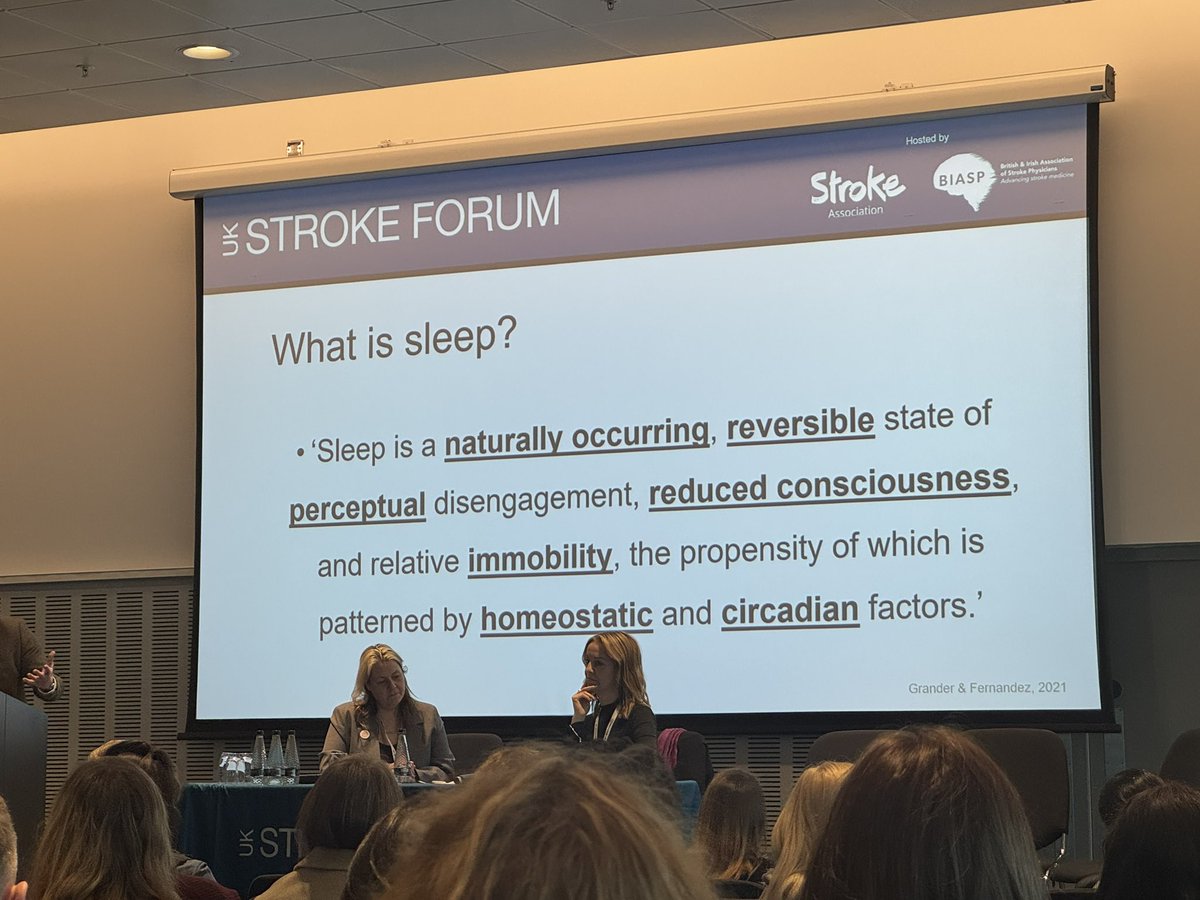
New paper alert! We find that self-reported measures of #sleep and mood are improved after #stroke using digital cognitive behavioural therapy for insomnia. A big thank you to everyone involved!
@NDCNOxford @OxfordWIN
Open access link here: https://t.co/9vZJNAw2x9
The deadline to submit an abstract for the Brain Conference 2025 has been extended to 31st January 2025!
This is a great opportunity to present your work and network. Submit here: https://t.co/oqaSvDJFwz
NEWS: NDCN researchers awarded ARIA funding for future adoption of neurotechnologies
The award will allow researchers at @NDCNOxford to explore how these methods can be designed inclusively for greater, more equitable adoption of future tech.
https://t.co/zdkJfDAePQ
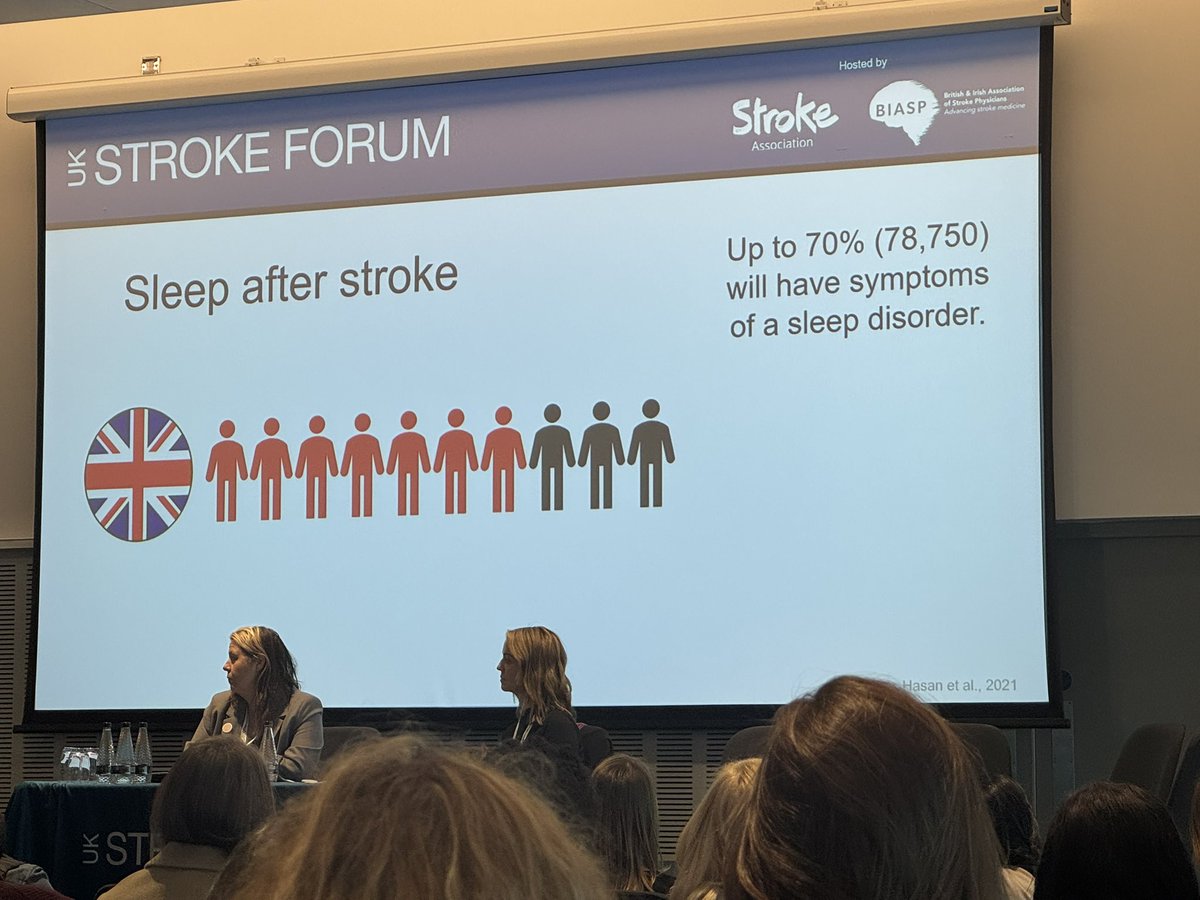
😴 Up to 50% of people meet the diagnostic criteria for a sleep disorder post stroke.
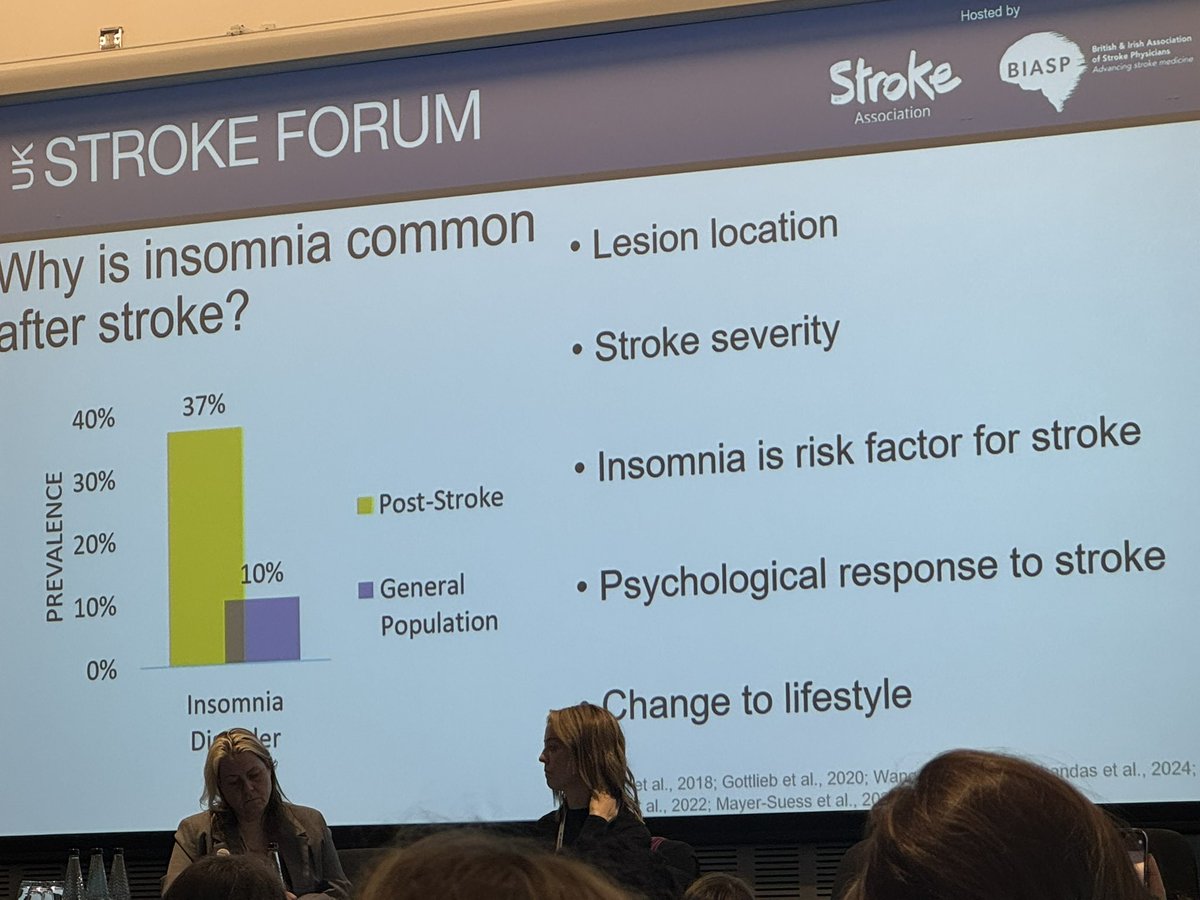
📈 Prevalence of insomnia post stroke is 3-4x that of general population +has significant impact on recovery +QOL.
Brief scale <16 is indicative of insomnia- https://t.co/wSRINlDGl5
#UKSF24
📢WE'RE HIRING: Postdoctoral Research Scientist
This opportunity has arisen from The Wellcome Trust grant entitled “Brain networks underlying sleep and circadian rhythm disruption (SCRD) in mental health”. Based at @OxfordWIN
Apply: https://t.co/L8DX8u38BB
The Brain Conference will take place on the 7th March, 2025. Registration is now OPEN!
Book your place, view our programme and submit an abstract here: https://t.co/ppsTcmk606
Speakers to be announced in the coming weeks.
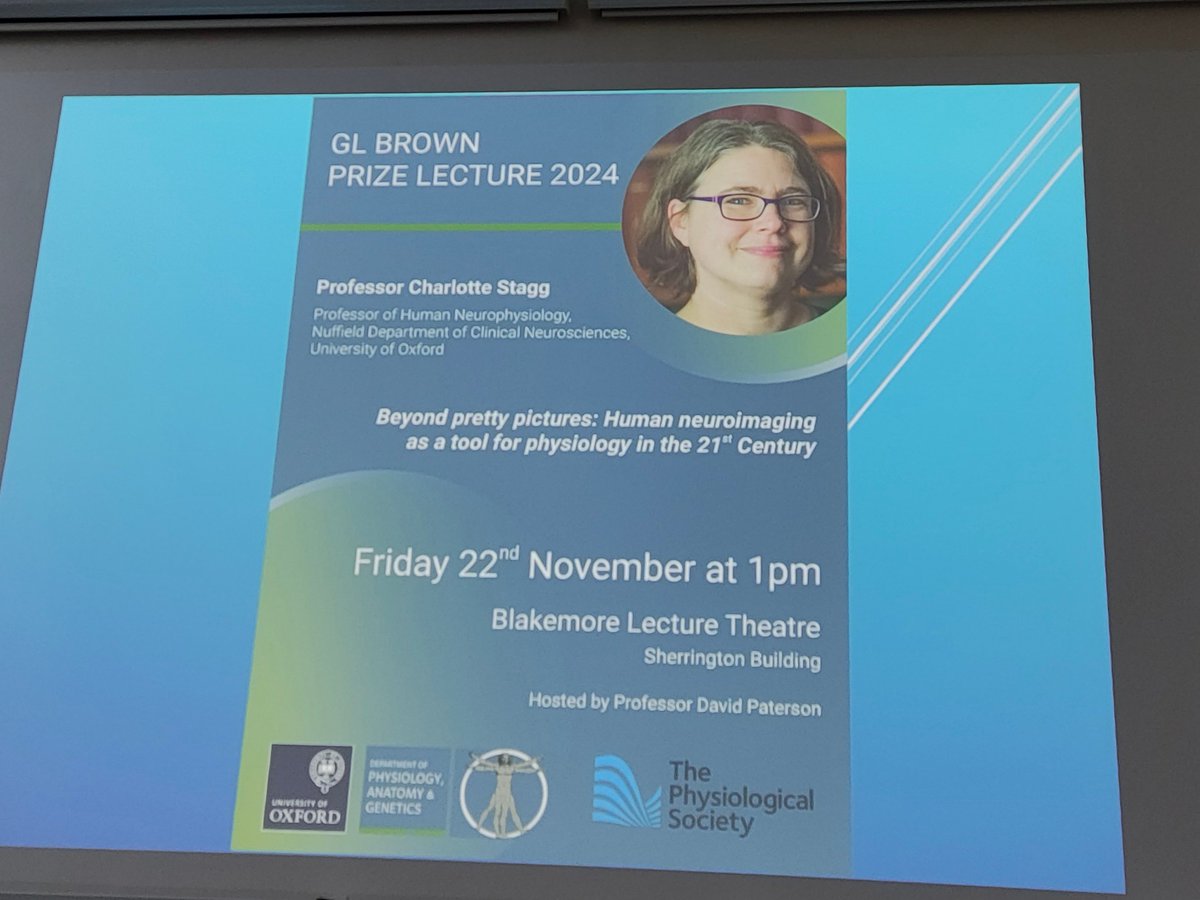
What a complete delight to start the lecture tour at such a wonderful place (with such a fantastic, engaged audience!). Thank you so much @cgaffneyphd for the invitation, and @physoc for the opportunity.
- Got connected to @Mels_Science who was very supportive and helped me prepare for a PhD. interview (her recommendations really helped though)
-Attended the plasticity lab meetings and got to know about their work. (2/2)
@OxfordWIN is now taking applications for 2024-2025.
Unit’s Patient and Public Advisory Group (PPAG) continues to shape future research #PPIE
On 9th July, we met again with members of our PPAG to canvass their views on the Unit’s research direction and plans.
https://t.co/NFJuIanTWz
@MRCBNDU@NDCNOxford@UniofOxford
Human sensorimotor science faces a fundamental trade-off between experimental control and real-world applicability.
In our new @JPhysiol paper, we illustrate the need for more, complementary methods, comparative studies, & emerging technologies to...🧵
https://t.co/btcRMglLhU
One more week to apply! Interested in sleep & neuromodulation? Apply for our @wellcometrust funded RA position @UniOfSurrey, collaborating with @inesviolante, @NCMLabETH & many more. Apply here 👉 https://t.co/qWUKIdAkhr
Huge thank you to psychosis patients from Oxford Health NHS FT @OxfordHealthNHS for reviewing our ethics documents and providing critical feedback on the design of our upcoming study with Valentina Mancini, Helen Barron, and Charlotte (Charlie) Stagg @NDCNOxford@UniofOxford
Exciting Opportunity! 🌟 We’re hiring a two Postdoctoral Research Fellows @LifeSciWestmin, @UniWestminster. Join our team and contribute to cutting-edge research!
1Research Fellow in Image Analysis and Biomarker Discovery (50069206)
https://t.co/3u9r0Jy40b
UK #sleeppeeps! I'm looking into charities/peer support groups for people with #sleep disorders, but can't find any UK-based organisations specifically aimed at supporting people with parasomnias, circadian rhythm disorders or insomnia. Any ideas?
Extended the deadline! Keen to hear from people after stroke who have used technology as part of their rehab. See more 👇⬇️ @HobbsRehab
https://t.co/QAdvhvjwVx