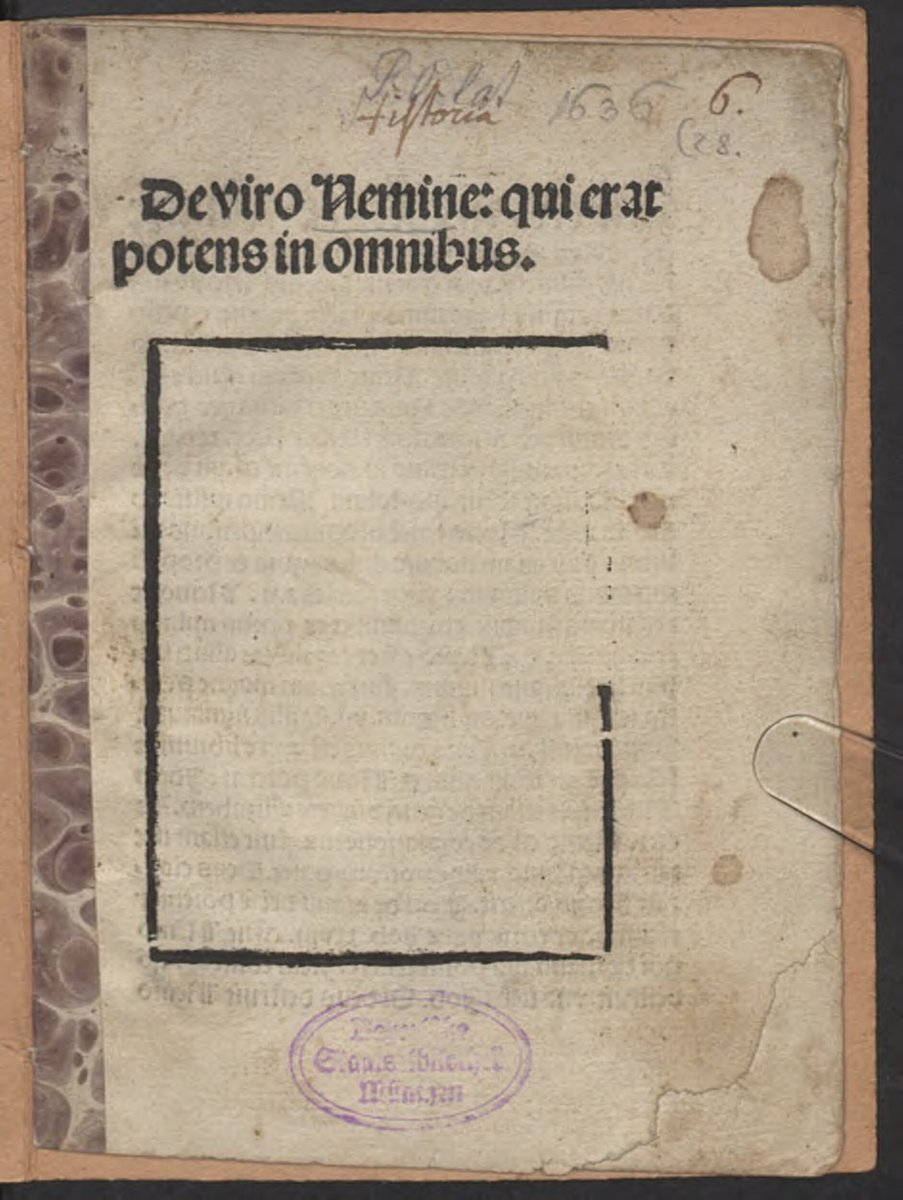
I recently found out that my favorite medieval editorial joke exists in another edition, which was probably printed around the year 1512! Please meet Nemo/Nobody (depicted in the frame). München, Bayerische Staatsbibliothek, Res/P.o.lat. 1636,28 (title page).
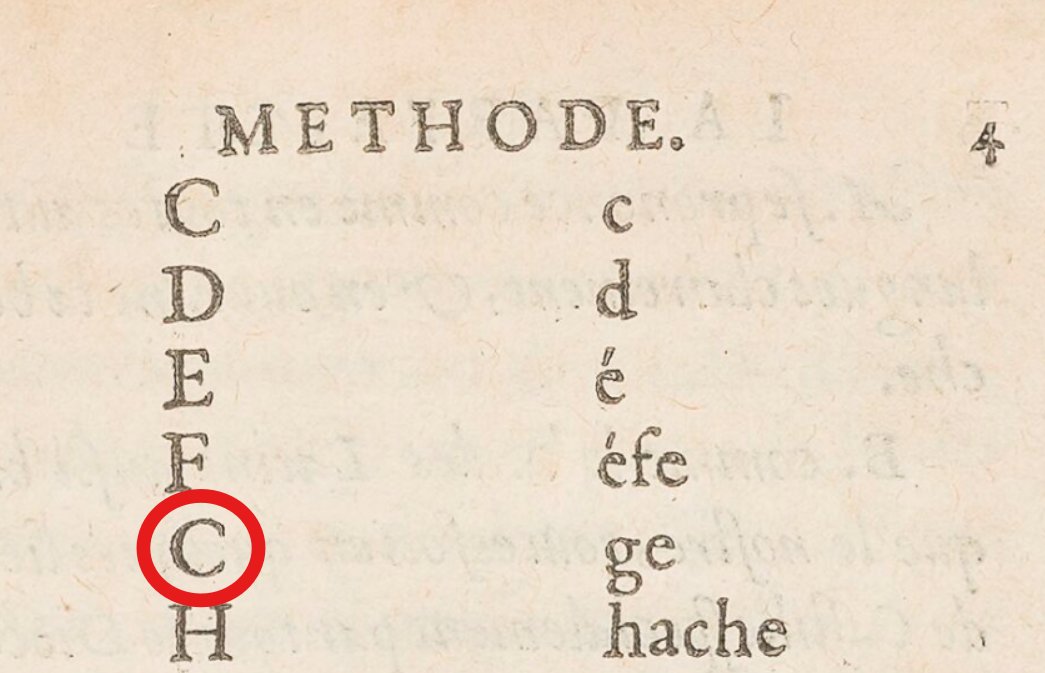
When you write a French-Spanish language book, explain that it's important to know the different letters...
.. & then the typographer gets the alphabet wrong.
From Charpentier 'La parfaicte methode pour entendre, escrire et parler la langue espagnole', Paris:
M. Guillemot, 1596
We have recently introduced a new subject category, ‘Multilingual Books’, tagged to every record which has more than one language identification. At present we have over 38,000 such records. #USTCUpdates
En plus le sujet de ce mandement parodique est très typique pour les mandements joyeux médiévaux : au Moyen Âge aussi on se plaignait déjà beaucoup de la météo dans ces textes joyeux.
Transforming Materialities, special issue of Qaerendo now online! https://t.co/NAQg0LKJgX. Materialities form the Middle Ages until now. Beautiful illustrations
With an introduction by @RenskeHoff Hoff and @Melusigne , contributions from @IVanrenswoude @BramCaers and others
Read the outcomes of our Yearly Seminar 2022, Premodern Reading Cultures between Transforming Materialities, in this Quaerendo Special Issue edited by @Melusigne, @RenskeHoff and @HugenJelmar! With contributions by the editors, @BramCaers and @IVanrenswoude, all in open access!
Our Special Issue is here! With an introduction by
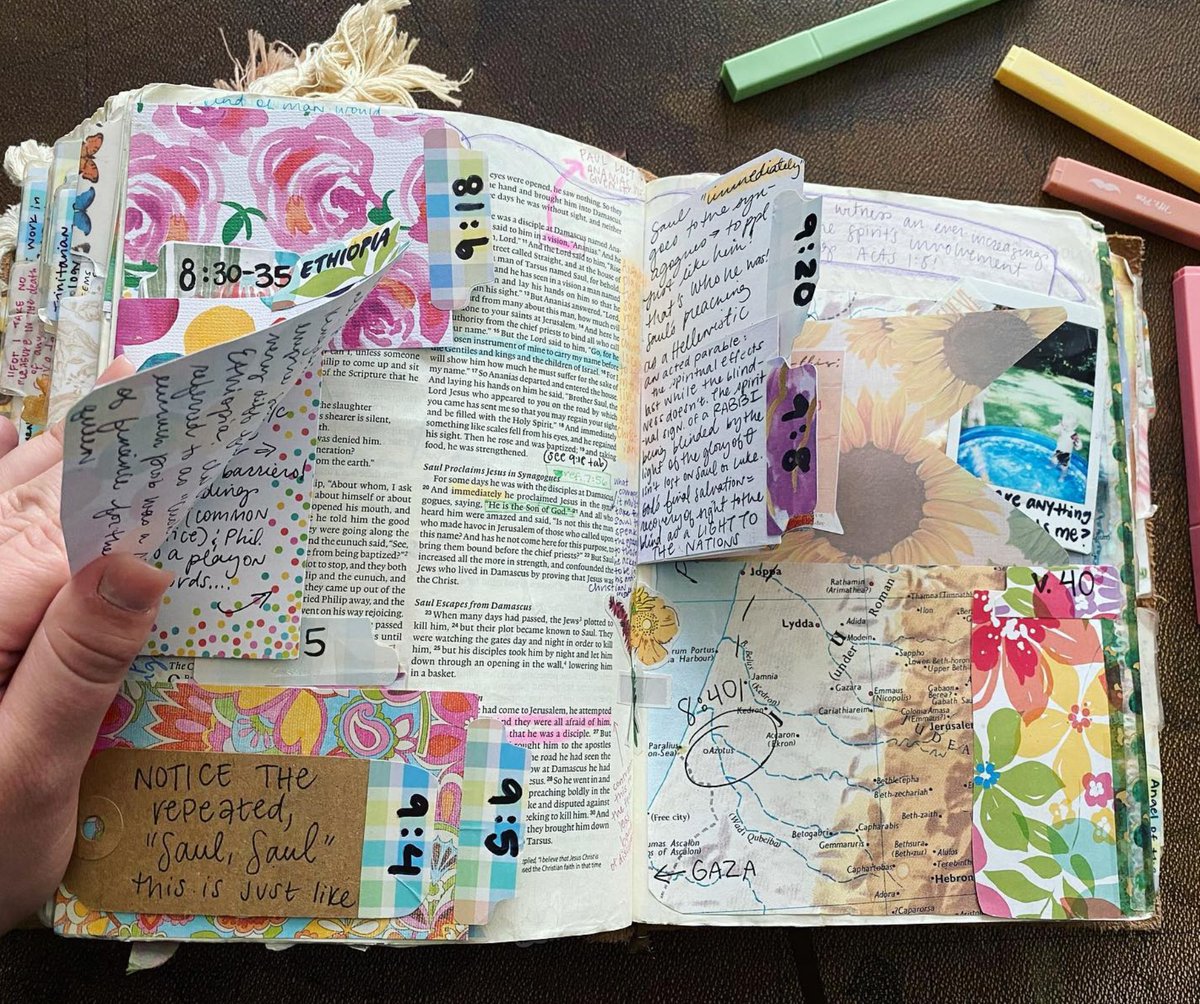
@Melusigne and me on the materiality of text, and an article I wrote about modern Bible journaling and premodern Bible use. See below for the link! #materialtext#bookhistory
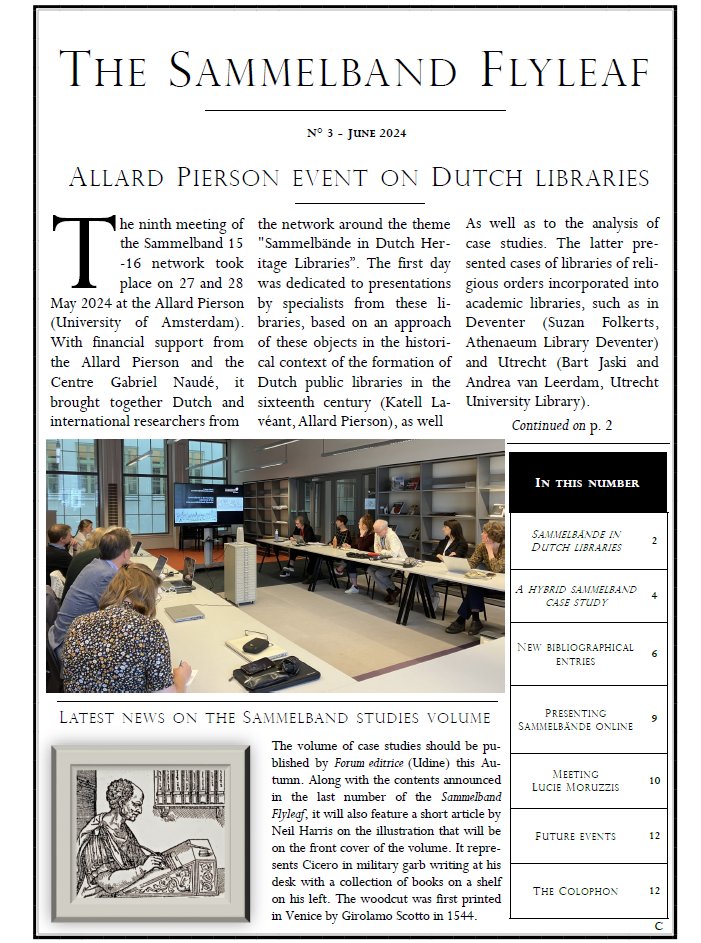
The latest issue of the Sammelband Flyleaf is out !
It contains the thoughts of @RenskeHoff on a manuscript/printed Sammelband, of @KLaveant (Allard Pierson) on how to do live book analysis online, and a portrait of @LucieWoruz (Archives nationales)
https://t.co/0JKH4gsL3r
The multilingual Middle Ages! One of my favourite examples of early medieval multilingualism is this 10th-c. poem about the Anglo-Saxon poet Aldhelm, written in alliterative macaronic verse, with Old English and Latin half lines, as well as some Latinised Greek!
@NiallOddy We do too, and I loved to see that my daughter enjoyed completely other aspects of the song and act than I did, which was Joost's intention apparently!
Congratulations on this wonderful book, Els, Robert & Merel! With several contributions by other UUCMS members, such as Marco Mostert, Rob Meens, Natalia Petrovskaia & Rozanne Versendaal.
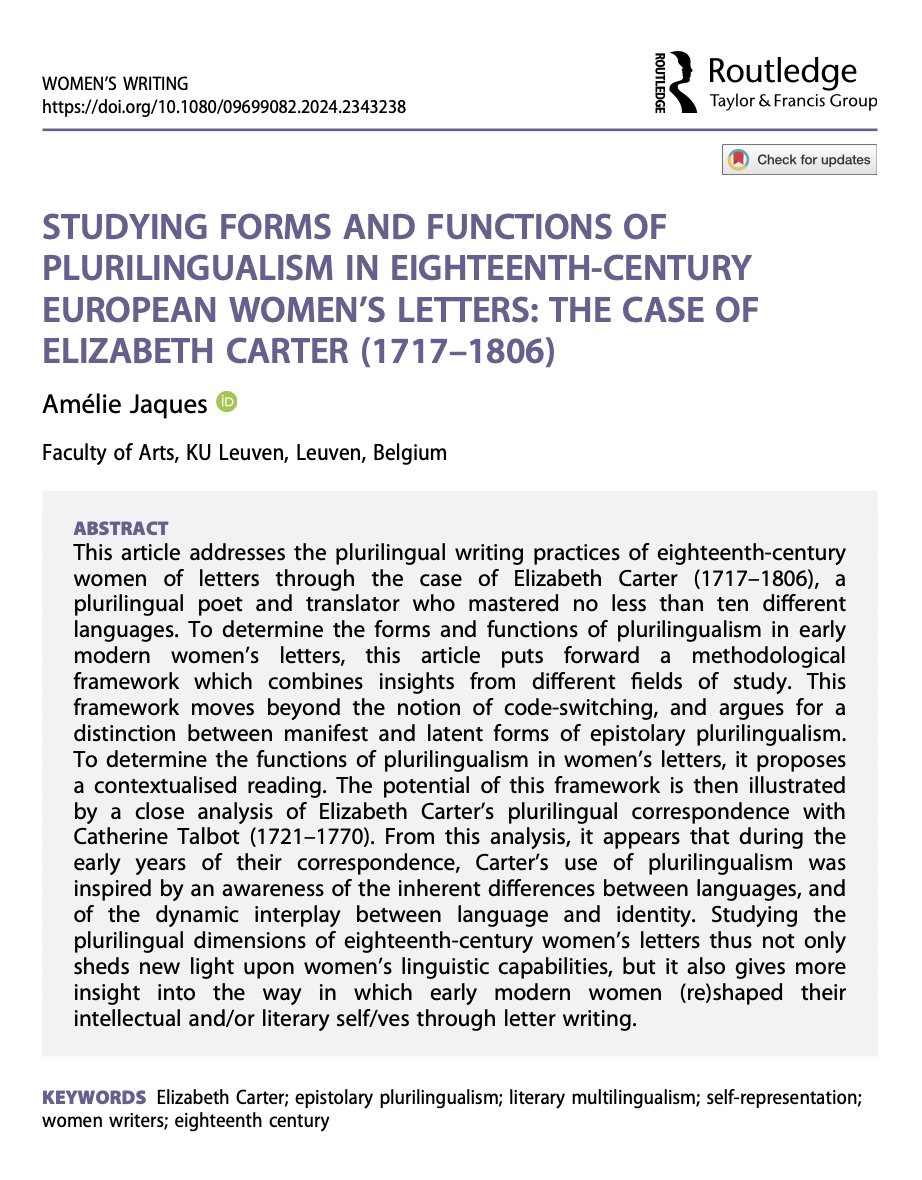
Looking for something to read?📚I wrote an article on the forms and functions of plurilingualism in women's letters! You can find it here: https://t.co/jb6pG0Fjgt
PhD alert! Come and study multilingual books with us!
Arnoud Visser, Natalia Petrovskaia and I are looking for an enthusiastic PhD candidate for our research project ‘Empowering Individuals, Opening Cities: Multilingual Books as Cultural Brokers in the Sixteenth Century’!
We are looking for a (Dutch-speaking) PhD candidate on the history & heritage of queer bars in Belgium & the Netherlands! Spread the word and/or apply! https://t.co/2Lm2Z5WxL8