Transposing isn’t hard.
What’s hard is unlearning the brute-force method they drilled into you.
Instead:
• Think in shapes (4–5–3mi–6mi)
• Play that shape anywhere
• Let the fretboard do the work
Your brain will finally stop sweating.
Learning to transpose feels impossible at first.
But here’s a shortcut pros use (that no one teaches):
• Stop memorizing keys
• Learn 2mi-5-1 as a unit
• Slide it across any root note
Suddenly every song makes sense.
1/ The most powerful music isn’t made— It’s lived.
Then translated into sound.
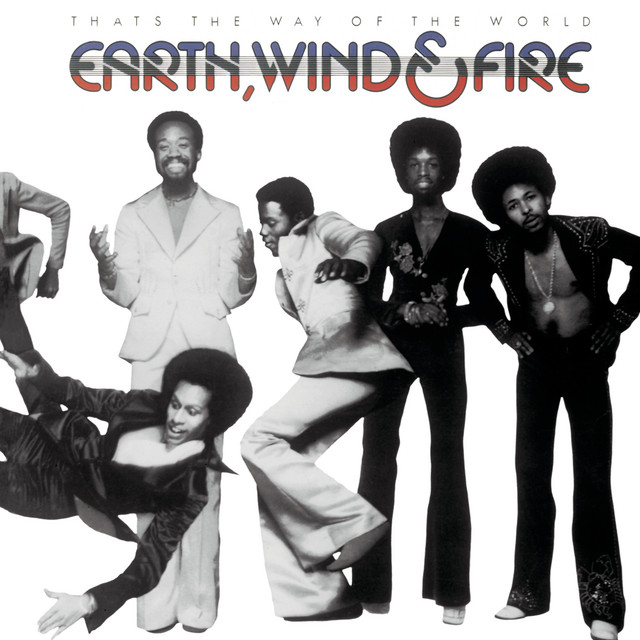
That’s why Earth, Wind & Fire hits so deep.
Maurice White didn’t just write songs.
He channeled a lifestyle—spiritual, joyful, grounded.
2/ Their music wasn’t calculated.
It was embodied.
Every note reflected his values: peace, connection, elevation.
Chasing style won’t make your music stand out.
Living a life worth translating will.
Use Spotify's algorithm to your advantage:
Create a playlist with a song matching your target vibe
Add tracks from the "Recommended" section
Refine your choices as you go
The algorithm learns, helping you discover more of your ideal sound.
Too many artists get this wrong
Spotify isn't just for entertainment—it's a powerful research tool for artists to discover their unique sound.
The often overlooked "Recommended" playlist feature is key for this exploration.
5 steps to finding your perfect music genre for your next music project.
1. Assess your current musical preferences.
2. Explore related genres.
3. Attend live performances.
4. Experiment with different artists.
5. Reflect on what resonates with you.
I can't stop thinking about this quote:
"Success is stumbling from failure to failure with no loss of enthusiasm." - Winston Churchill.
You only get one life.
So get your hands dirty and build your future!
Imagine balancing:
On two feet (normal chord)
On one foot (1st inversion)
On tiptoes (2nd inversion)
On one pinky toe! (3rd inversion)
Each step gets shakier, but makes your music more exciting!
Want to add some shakiness to your song? Try a chord inversion! It's the musical version of Jenga.
Here's how to play:
Start with a normal chord in the root position.
Swap the bottom note with another note from the chord.
You can do this 2-3 ways to control the feel ⤵️
I am obsessed with R&B music and how great songs are created.
Here's my 4-level approach to mastering R&B chord writing:
1/ Study 100 R&B songs
2/ Master the ii-V-I & 12-bar blues in all keys
3/ Learn extensions & rootless voicings
4/ Learn passing chords & secondary dominants
Before this course:
• I didn't view myself as a writer
• I posted inconsistently (no wonder I wasn't growing)
• I dreamed of starting a newsletter, and I likely wouldn't have done it!
Ship30for30 made writing easier and got me in the game!
Highly recommend.
For me, it was:
Ship30for30 by Nicolas Cole and Dickie Bush
For 3 reasons:
• It helped me develop a daily writing habit.
• This has made posting content so much easier.
• And now I have finally launched my music newsletter.
Rules I live by as a Music Producer:
• Sell the outcome. Not the process, not the gear.
• You are not the main character...the artist is.
• An artist's personal playlist is the key to their interest
• Artists hire you for your taste. Be a life learner.
Every 30 days, I like to kick off a personal challenge. It’s a great way to push myself to build new habits that are key for success.
Last month's goal - write every day
This month's goal - publish 3 videos per week.
The goal is action, not outcome. Wish me luck!
Life lesson:
If someone asks you for help getting started in music and you can connect them with peers who are just a bit further along, put yourself in their shoes.
How much would it mean to you if you were them, and someone helped you do the same?