There was a study on Ghanaian women where a retinol molecule was recycled 37 times to plasma. Whilst toxins can be recycled in the body what is particularly interesting is that a group led by Michael Green has also studied live neonatal rats. Adult rats recycle retinol 10-12 times and neonatal rats born to low Vitamin A mothers fed a low vitamin A intake recycled retinol molecules 144 times before irreversible loss. Vitamin A-retinoic acid supplementation reduced this to 100 times. This shows lower effective stores/status correlate with more extensive recycling to conserve vitamin A. This places great doubt on it being a toxin and that the body is recycling to get rid of it. It's not a poison. It's essential. https://t.co/aaCdJMPbdA
Sulfur intolerance feels like toxicity. Is this from sulfite oxidase/MoCo deficiency, from an excessive neutrophil response, or H2S-producing bacteria in the gut fueling neutrophil production of sulfite, or all of these? Do we take high-dose molybdenum? 🤔https://t.co/05jUYV5PdT
Oxalate dumping.
It's a real issue, and it also happens as we recover our ability to metabolize sulfite to sulfate. It can lead to low ionized calcium levels due to oxalate binding to calcium in the blood.
Video: https://t.co/ouL07aEbzq
Blog: https://t.co/gFbvRS3rMn
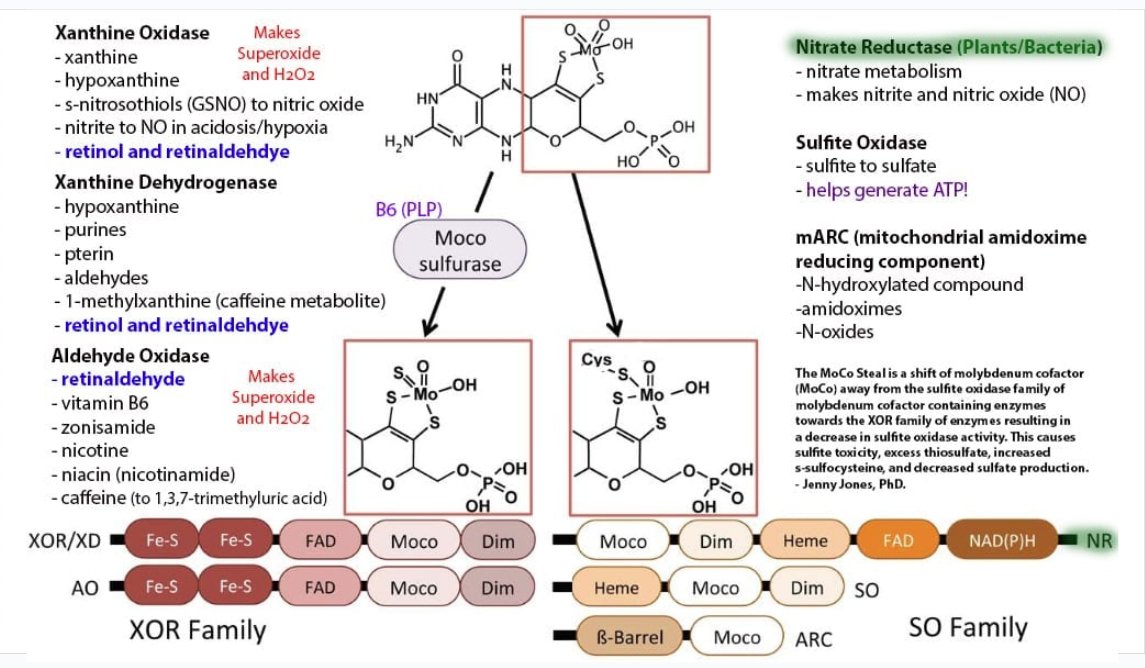
The MoCo Steal is Jenny Jones, PhD's hypothesis, which she shared with me when my daughter was having worsening neurological function. It ended up being sulfite, SSC, and glutamate toxicity. High serum A was just a symptom of this dysfunction. https://t.co/PhGDeMA2A5
@DrSteveGoeddeke@DrSteveGoeddeke sorry it's a graphic, but there is a link to a video above the graphic. If you don't have time for a video, the theory that MoCo is shifted to other enzymes besides sulfite oxidase depending on what's happening in the body or consumed leading to sulfite toxicity.
@nullbotto@TradMaldOwl@nullbotto I think so, too. Calpain protease activation from High intracellular calcium could be caused by SSC or Glutamate. Here's an article about Calpain and Parkinson's. PubMed https://t.co/a7ZgNr7l3S
My daughter has Autism from MBD5 deletion but sulfite worsens her symptoms
@KatBoniface@JennyJones64 and I were chatting about your post on ceruloplasmin protecting against kainate/glutamate toxicity. I had read that SSC only weakly activates kainate receptors. Maybe this issue is that SSC can high Ca, activates gephyrin, causes losses of glycine and GABA synapses
@KatBoniface This is fascinating. I love it when people come from different areas and have similar ideas. Posted your slide about glutamate hypometabolism in the MoCo steal group on Facebook. One person was wondering if LDN is good or bad for glutamate metabolism.
@TheDogofDestiny @AndrewDBaird1 I wonder why my roosters aren't dying off super fast? They don't lay eggs so can't detox. Also, sometimes they'll eat the eggs if one happens to have cracked. They continue to live.
@AndrewDBaird1 Learning from people's negative experiences to something you suggest, telling them you are sorry that something you suggested didn't work well, and then adjusting your recommendations is the best "going back to school" that exists. <3
@stag________@mcclure_kerr@Elijahkrings That's a great summary of what Jenny and I hypothesize. We definitely don't want the H2S producing bacteria providing hydrogen sulfide to us in excess.
Facts. <3 In addition to aldehyde oxidase, xanthine dehydrogenase also metabolizes excess niacin metabolites. Both are backups for vit. metabolism. They use FAD and NADH. We need less burden on backups for ALDH1A1. Some niacin - yes! Too much - No. What is too much? 🤔
Molybdenum is not involved in the aldehyde dehydrogenase enzyme. It helps the aldehyde oxidase enzyme which plays a role in regulating hepatic Vitamin A homeostasis. ALDH1A1 being the high-affinity, low-capacity enzyme and AOX being the low-affinity, high-capacity enzyme. Aldehyde dehydrogenase uses NAD+ or NADP+ as co-factors. Magnesium may assist in its function, depending on the specific class of aldehyde dehydrogenase. Aldehyde oxidase is also helped by FAD and iron-sulfur clusters. https://t.co/Y9VokqHgj1
https://t.co/NYS4h9LKlp
I've got the flu.
New video! 8 min.
https://t.co/URimyxp3Q9
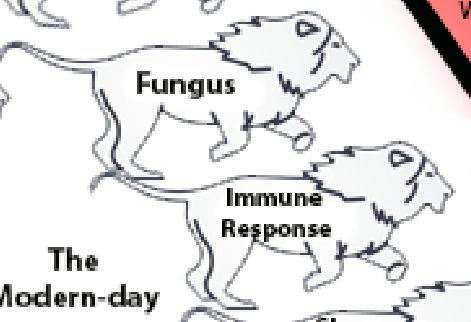
It's my shortest video ever! Nothing like a modern-day lion to make me tired?! 🤯
2 months ago, when I wasn't working on SUOX, I would have never made a short video. It would have been an hour-long insomniac event.
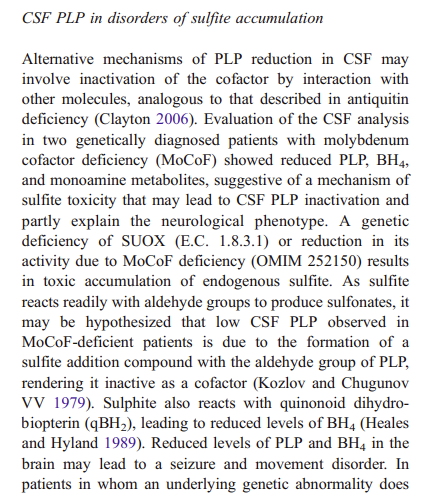
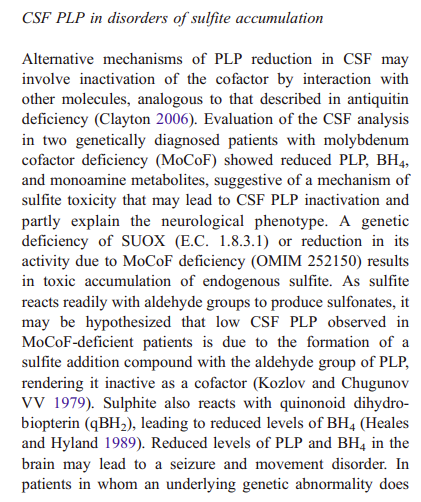
I've noticed people with MoCo/SUOX deficiency are struggling with Phe/Tyr metabolism and urinary losses of biopterin (my daughter included). Sulfite binds to BH2.https://t.co/QSxKEugBt4 doi:10.1007/s10545-011-9279-7
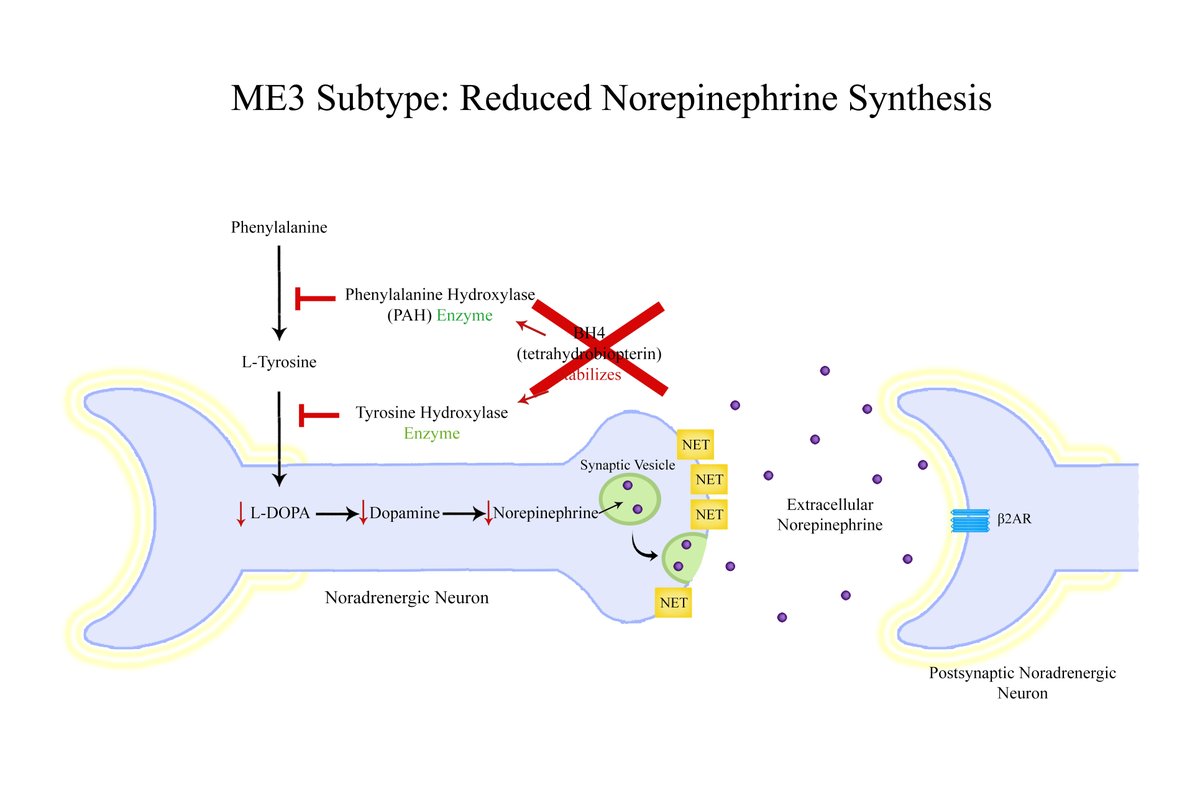
In Subtype 3 (ME3) There is a deficiency of norepinephrine synthesis, worsened by mental & physical exertion. Causes could be BH4 deficiency, reduced tyrosine hydroxylase activity or other factors.
@BinitaKane@amibanerjee1@WesElyMD@zalaly@TeamSRRaj@doctor_zeest
3/22
@tamararivc@patientled@JanetDafoe@tamararivc watching your video now. 🤯 I notice struggles with Phe metabolism and urinary losses of biopterin. Sulfite binds to qBH2 causing loss of recycling of BH2 to BH4. Acquired SUOX/MoCo deficiency could contribute to ME3. doi:10.1007/s10545-011-9279-7 (pg 8)
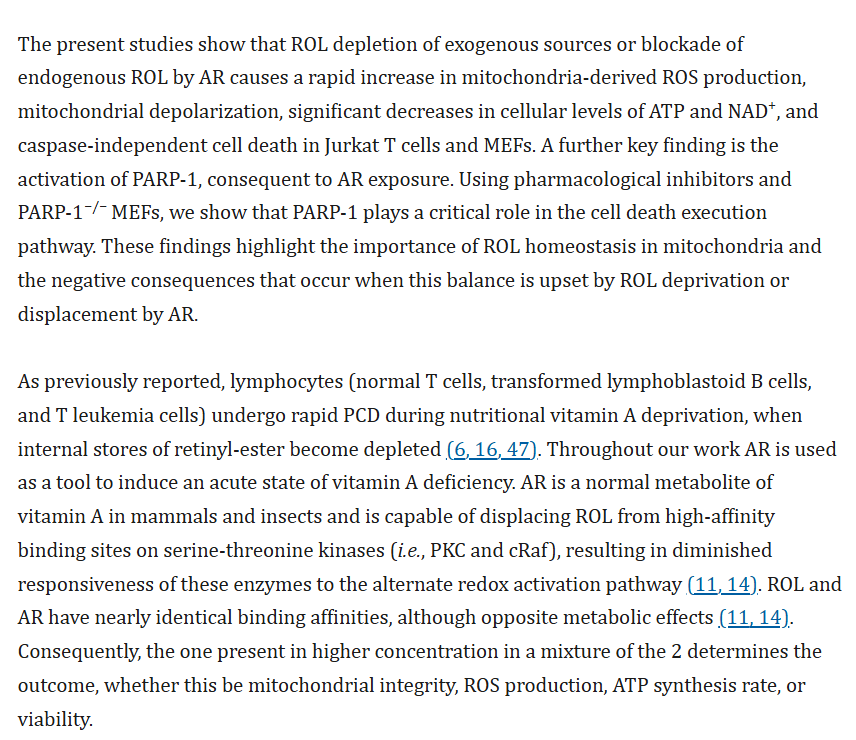
Anhydrodretinol, a natural metabolite of retinol in the body, causes T-cell death. Alcohol + acid + retinol = AR. If NAD is low and back up SULT1A1 doesn't have sulfate to buffer alcohol, T-cells die. How will we clear COVID in a high AR state? https://t.co/FJnBLWUVeB