#WildWebsWednesday Skipper butterfly on an ox-eye daisy (llygad-llo mawr, Leucanthemum vulgare). Young skippers need to eat grass leaves, seen in background. @WebsWild#Wirral
#WildWebsWednesday Nettles are not glamorous, indeed are painful to the touch but are home & food for many insects. See the folded- up leaf with someone inside!
#WildFlowerHour Mouse-ear hawkweed (Clust y llygoden, Pilosella officinarum), common, with solitary flower-head a circle of long flowers, lemon-yellow on top, red stripes below. Leaves with long hairs. @wildflower_hour#Gwynedd#seaside
#ButtercupChallenge#WildFlowerHour Water Crowfoot growing in a muddy pond at the side of a track. Amazing sight. Big white & yellow-centered flowers all over the pond. Pond water-crowfoot, Ranunculus peltatus? @wildflower_hour
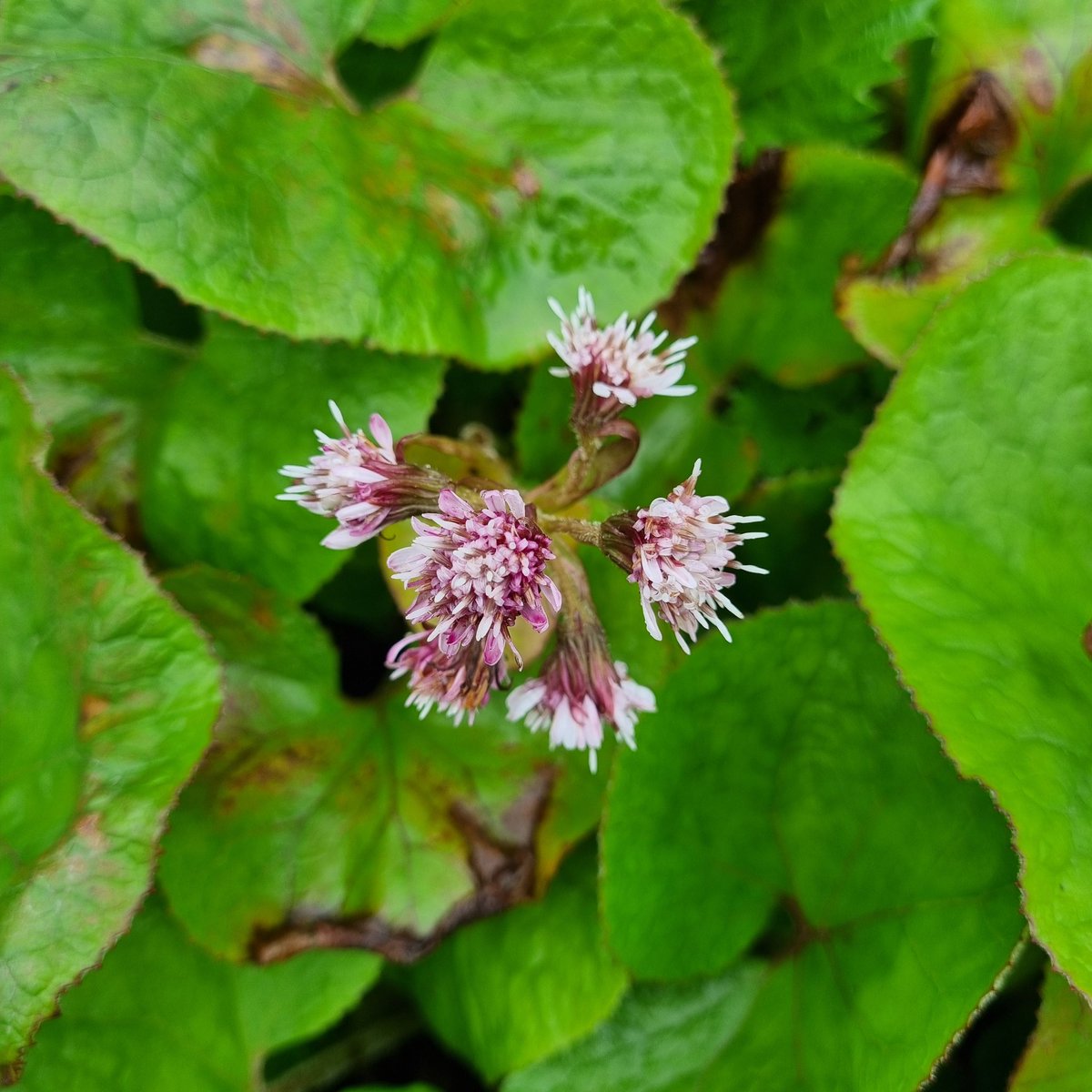
#SignsofSpring Clump of Winter heliotrope (Alan pêr, Petasites fragrans) advancing along the road verge and now flowering. Scenting the air on still, damp days. #Merseyside#Wirral
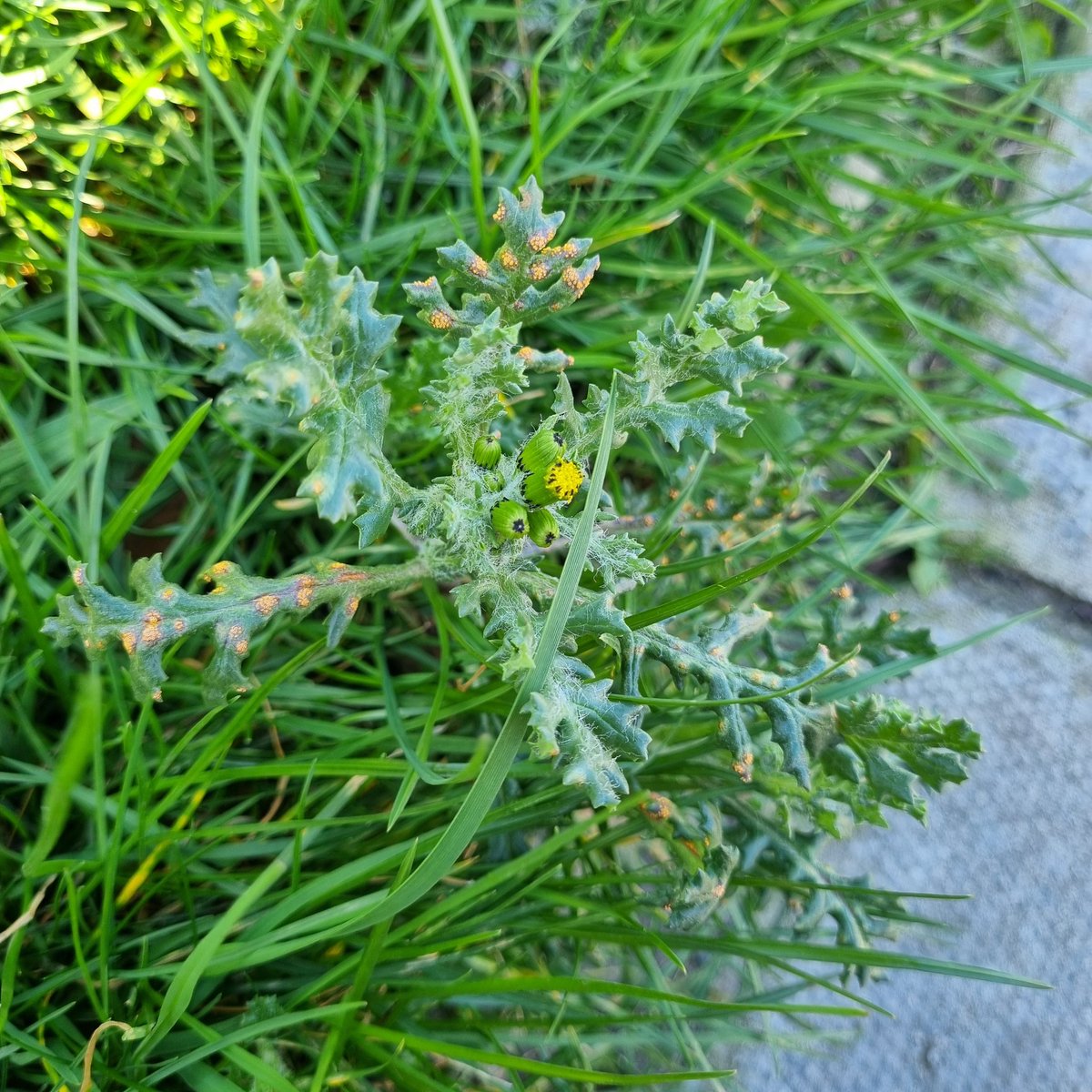
#WildWebsWednesday Rust, probably Puccinia lagenophorae, on groundsel (creulys, Senecio vulgaris). Very conspicuous. Apparently this rust only known in UK since 1961, now common, originated from Australia! #Merseyside#Wirral
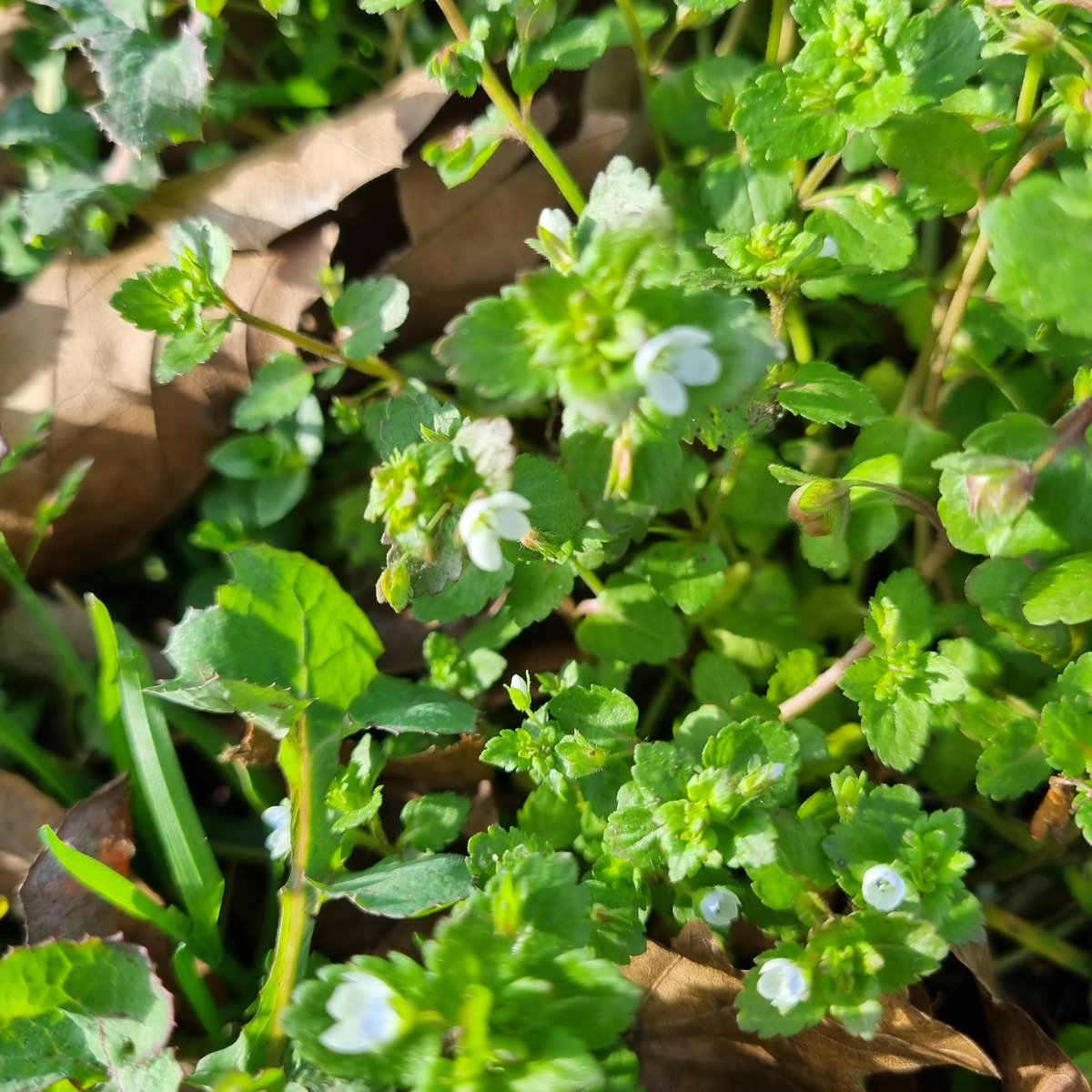
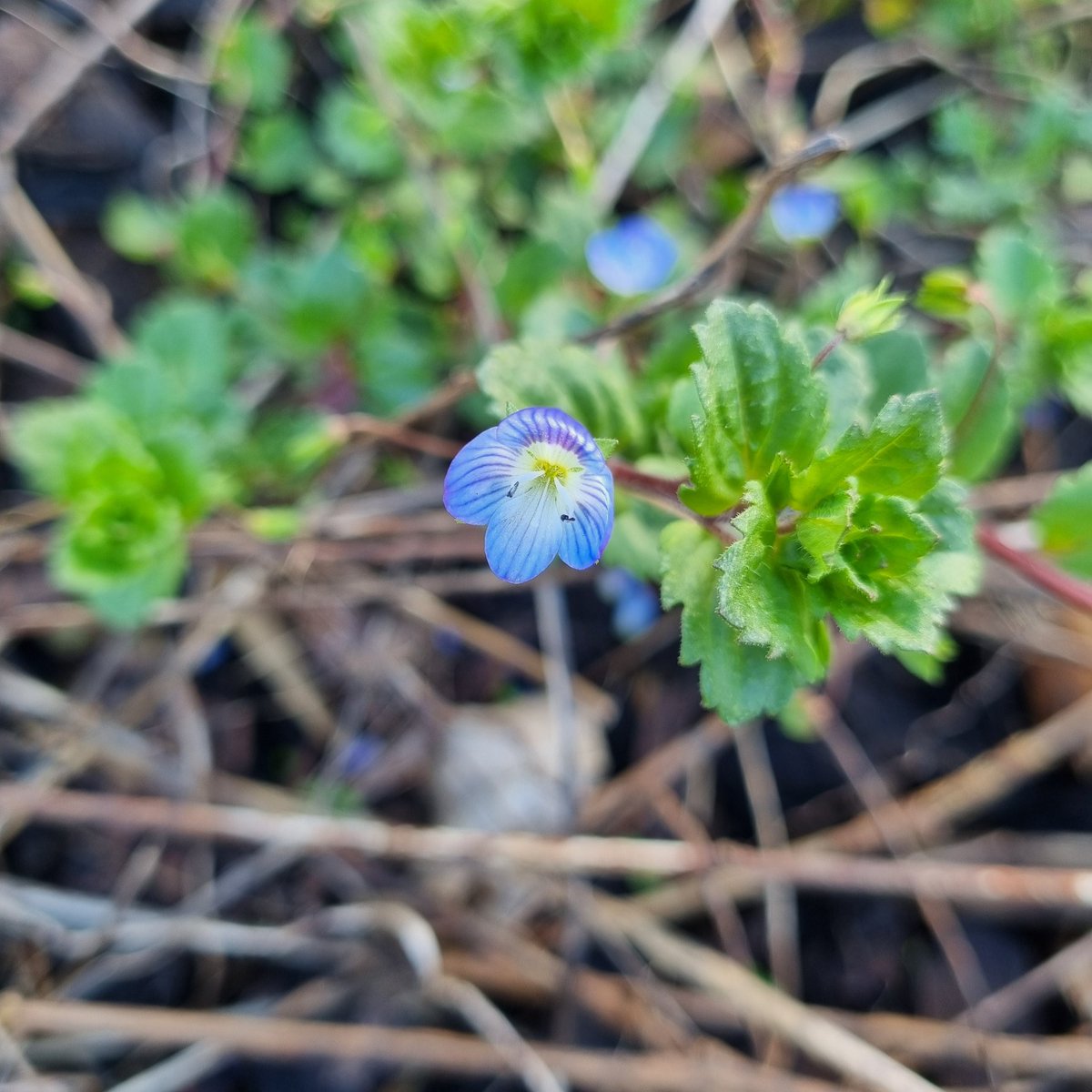
#WildFlowerHour Speedwells out in force in the sunshine. Green field speedwell (Veronica agrestis) and Common field speedwell (Veronica persica) I think. #Wirral@wildflower_hour
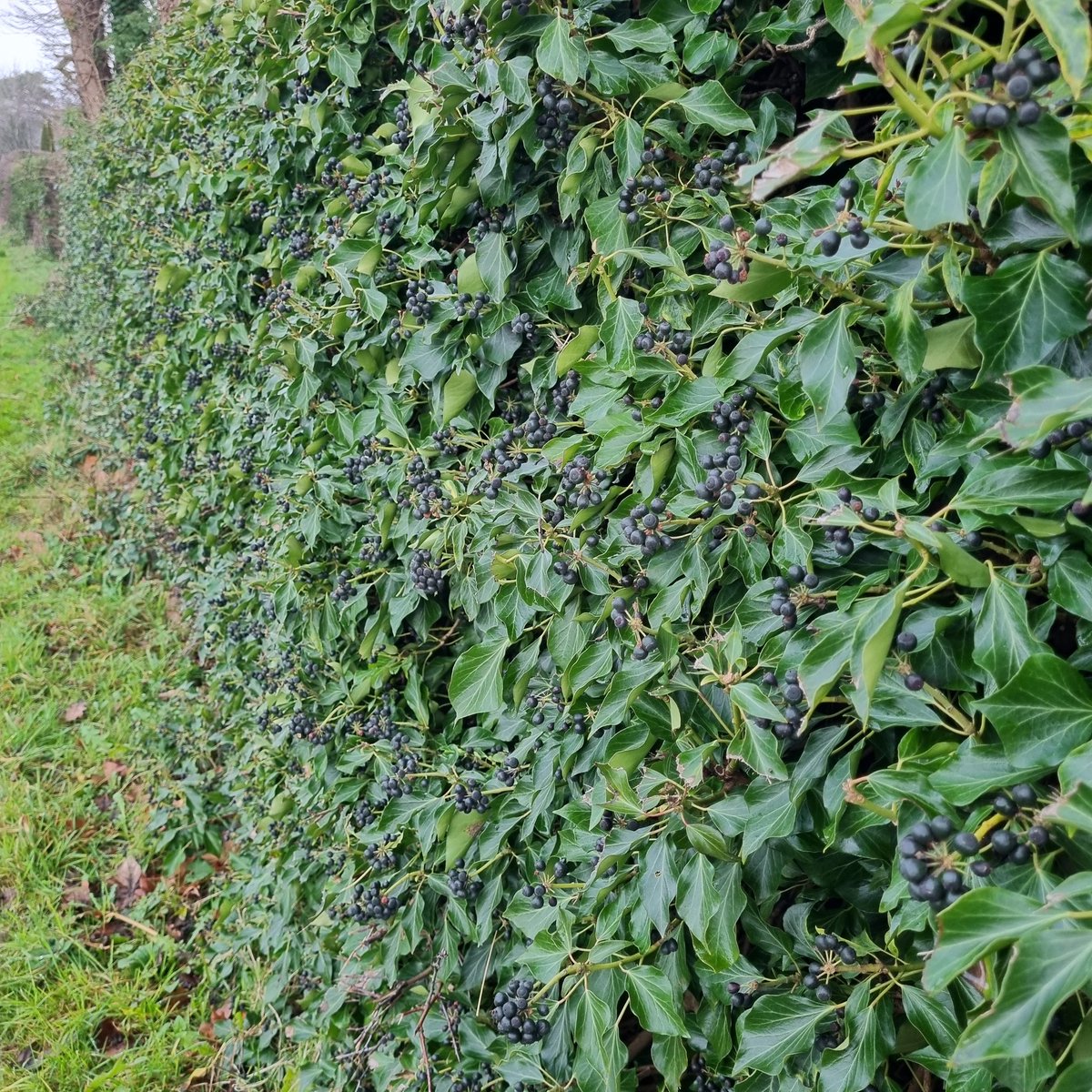
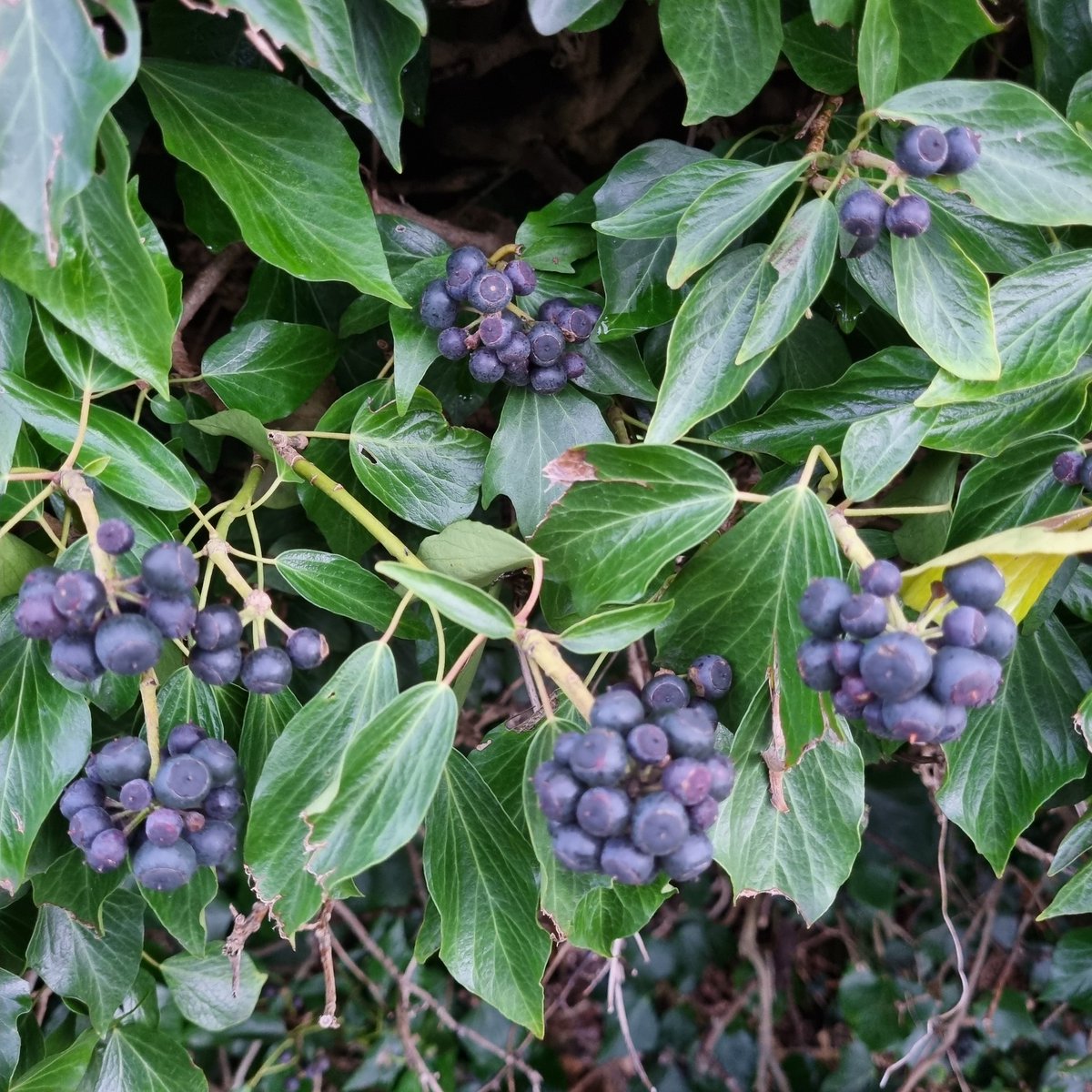
#WildWebsWednesday Hedge still festooned with ivy berries. Mild weather, bumper year for fruits and seeds, birds have so much wild food now. But if weather becomes worse these berries will be welcomed for hungry birds. @webs_wild#Merseyside