Teaching 19C fictions in English in Thailand. Sherlock Holmes and animals. Tarot cards. Legends. Mythologies. Gothic and Fantasy fictions. Astrology. he/they
In Polidori's The Vampyre of 1819 we see the #vampire as rake or libertine. No longer a revenant of Eastern Europe, this predatory creature is an English Lord with irresistible powers of seduction. The story of this Romantic Vampire is out in paperback in June #FolkloreSunday
I'm pleased to share that I'm now an associate editor of the Journal of Ethics and Social Philosophy, which is a triple-blind, 'diamond' open access journal in moral, social, political, and legal philosophy.
Animal and food ethics particularly welcome!
https://t.co/8FuTmCuSAg
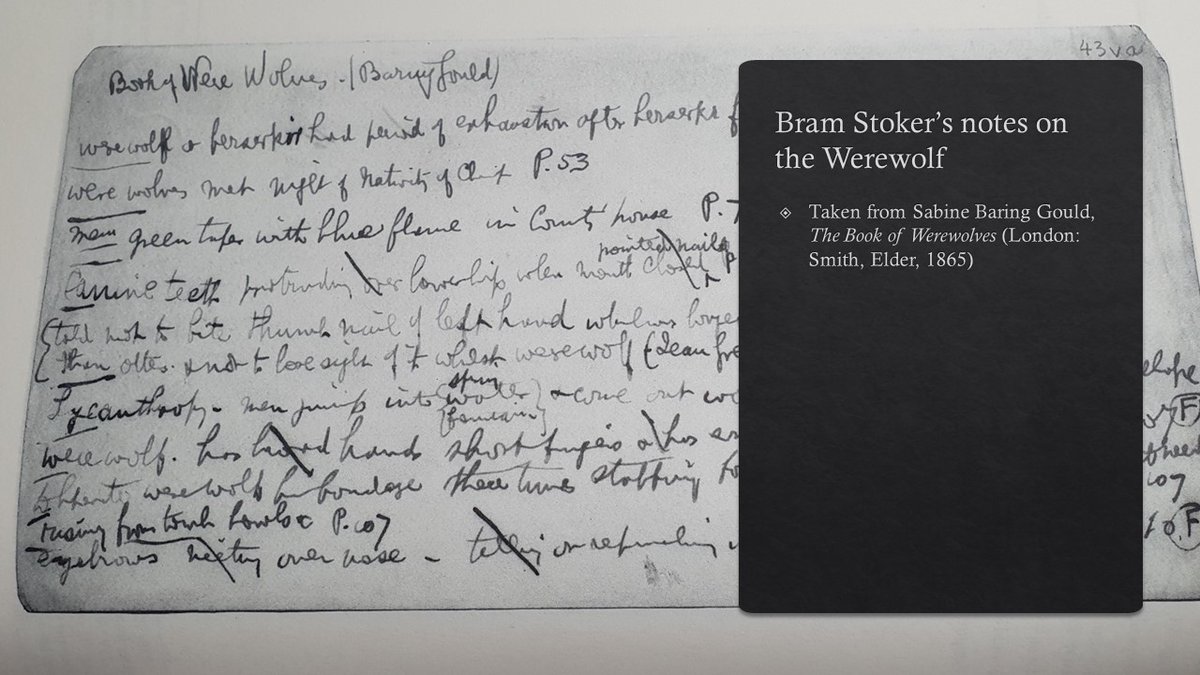
BRAM STOKER'S WEREWOLF NOTES Bram Stoker spent 7 years researching #Dracula. During this time he wrote copious handwritten notes on the #werewolf, consulting Sabine-Baring Gould's The Book of #Werewolves, 1865. Werewolf literature played a huge part in creating Dracula, who can control wolves #WorldDraculaDay
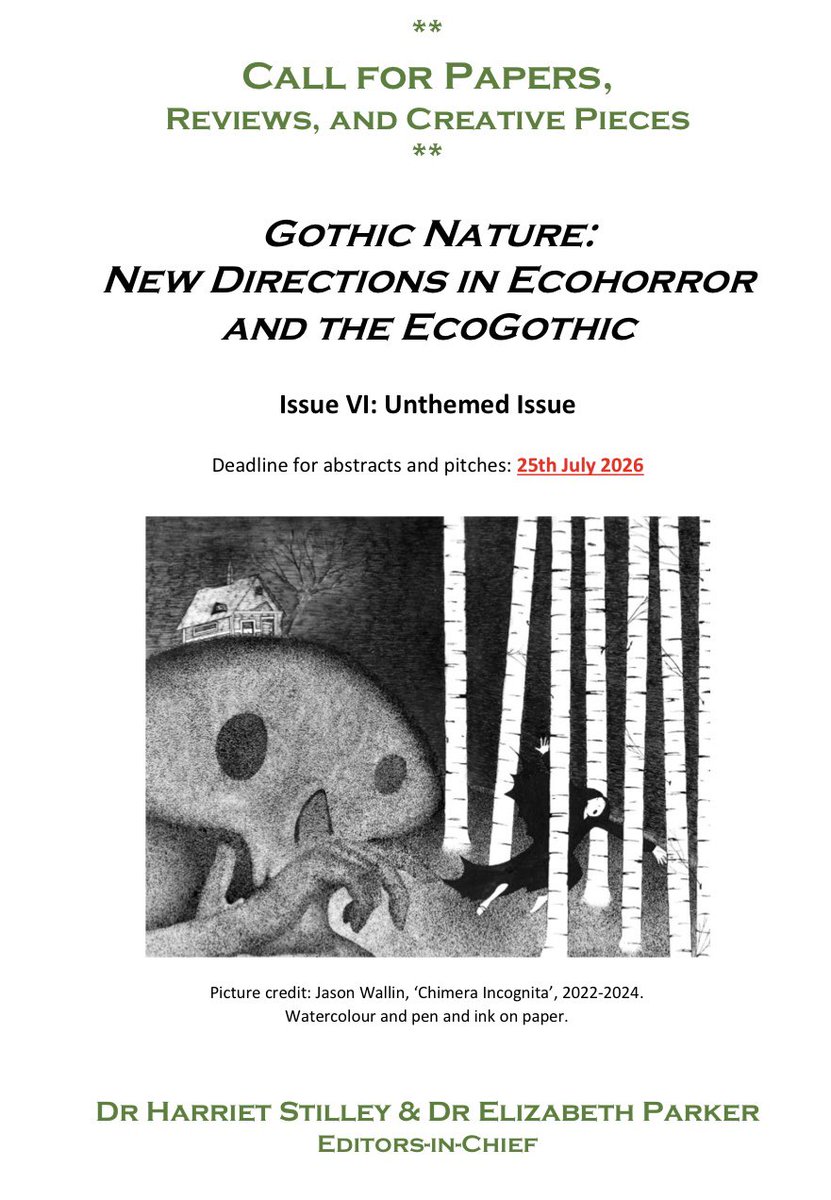
**Gothic Nature VI: Call for Papers**
We are delighted to share with you the CFP for Gothic Nature, Issue VI:
https://t.co/Tku4SRYEYE
The deadline for abstracts/pitches is July 25th 2026.
We look forward to hearing from you!
🍃🍃🍃
RABBIT UNDERTAKERS The Adventures of Pinocchio is darker than you might think. When Pinocchio refuses to take his medicine the Blue Fairy summons a group of black #rabbits as undertakers to carry him off! 🎨Charles Copeland illustrations to the 1904 edition #FolkloreSunday
This book shows that Arab women writers innovate & utilise Gothic forms to “live with the ghosts” of foremothers. Examining contemporary Arab women’s writing from the 1970s to the present through the lens of feminist theory, it details aesthetic patterns. https://t.co/s5bBC9oww2
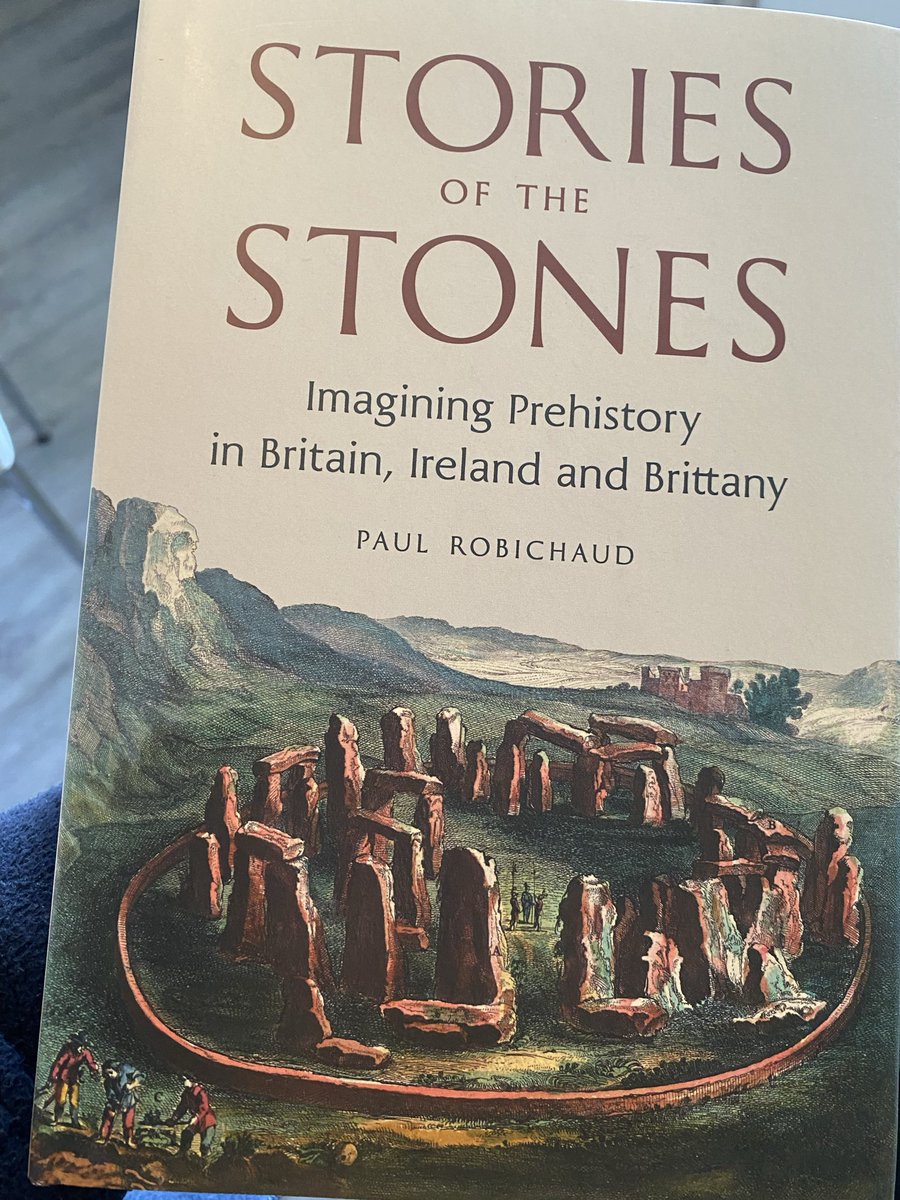
Just received a copy of Paul Robichaud’s wonderful ‘Stories of the Stones’ - which I describe as ‘a magical yet historically grounded book’ 🪨✨ https://t.co/hMpMNXqD09
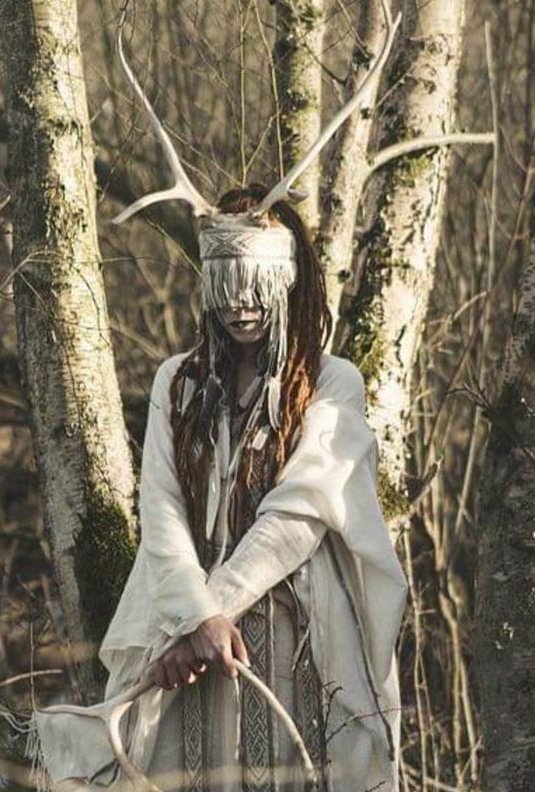
You may have heard of Cernunnos the Horned God, but a Horned Goddess?
Rozhanitza is associated with reindeer, the hunt, and the Winter Solstice. She is depicted as a Horned Goddess of reindeer antlers.
📷 Maria Franz of Heilung
#FolkloreSunday The "serpari" festival, on 1 May, honours San Domenico di Sora for removing snakes from farmers' fields in the 11th Century .
It is also said to originate from the worship of Angitia, a Roman goddess of snakes worshipped in central Italy. https://t.co/8pQ5DJYDxv
#ShakespeareSunday "O, then I see Queen Mab hath been with you.
She is the fairies' midwife..." (Romeo and Juliet, Act 1, Scene 4).
Art by Arthur Rackham
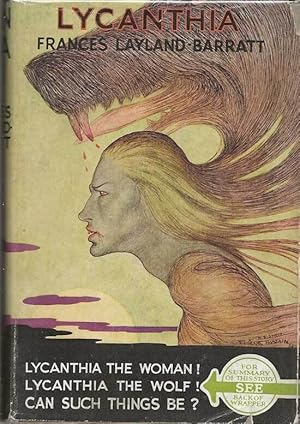
LYCANTHIA - Werewolf novel published in 1935.
Lycanthia, is the orphan child of a Polish nobleman and an English mother, brought up in an atmosphere of secret satanic rites & strange practices of vampirism. She begins a reign of terror in the English countryside, accompanied by a huge wolf.
First edition: Herbert Jenkins, London 1935.
Horror and Disability: Representations of Disability in Twenty-First-Century Film and Television, by Darren Gray, will be out this September. It will be volume #28 in the Horror Studies book series at @UniWalesPress. @UWPcommission#horror#horrorstudies https://t.co/ywfnNBljsW
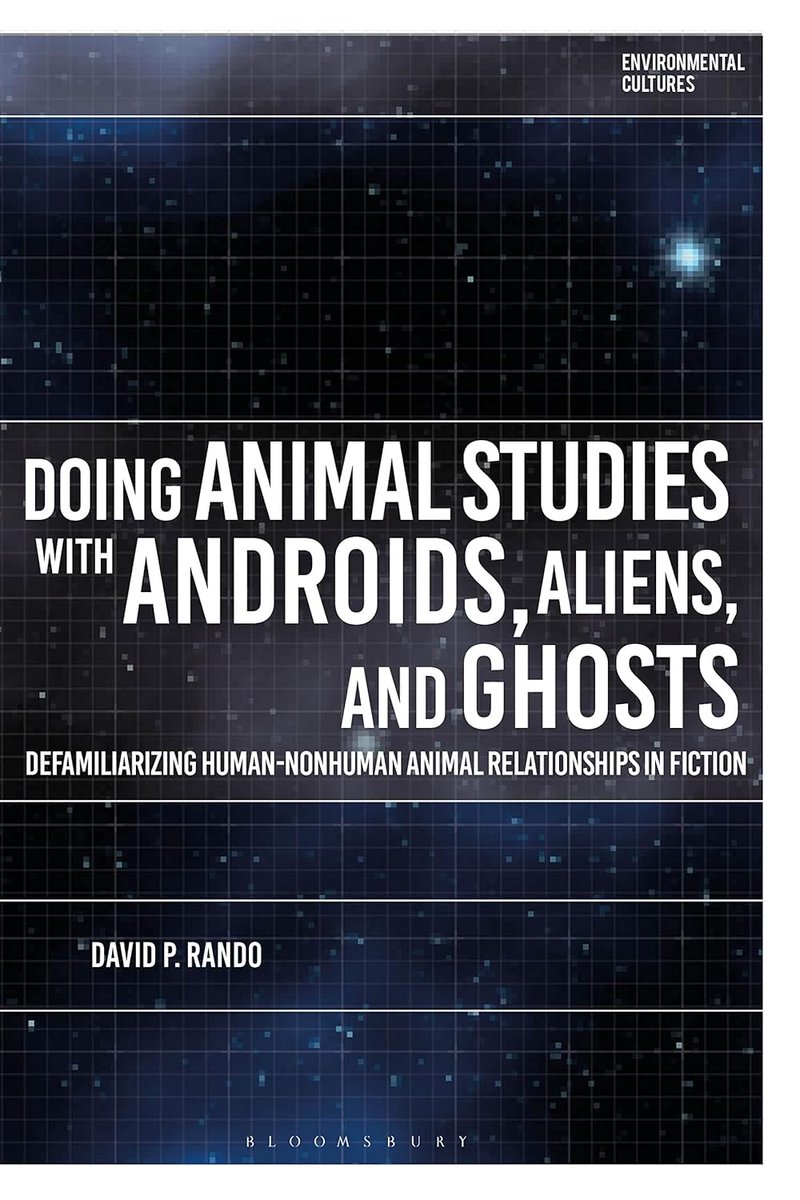
Exploring what can be learnt when literary critics in the field of animal studies temporarily direct attention away from representations of nonhuman animals in literature and towards liminal figures like androids, aliens and ghosts, this book examines the boundaries of humanness.
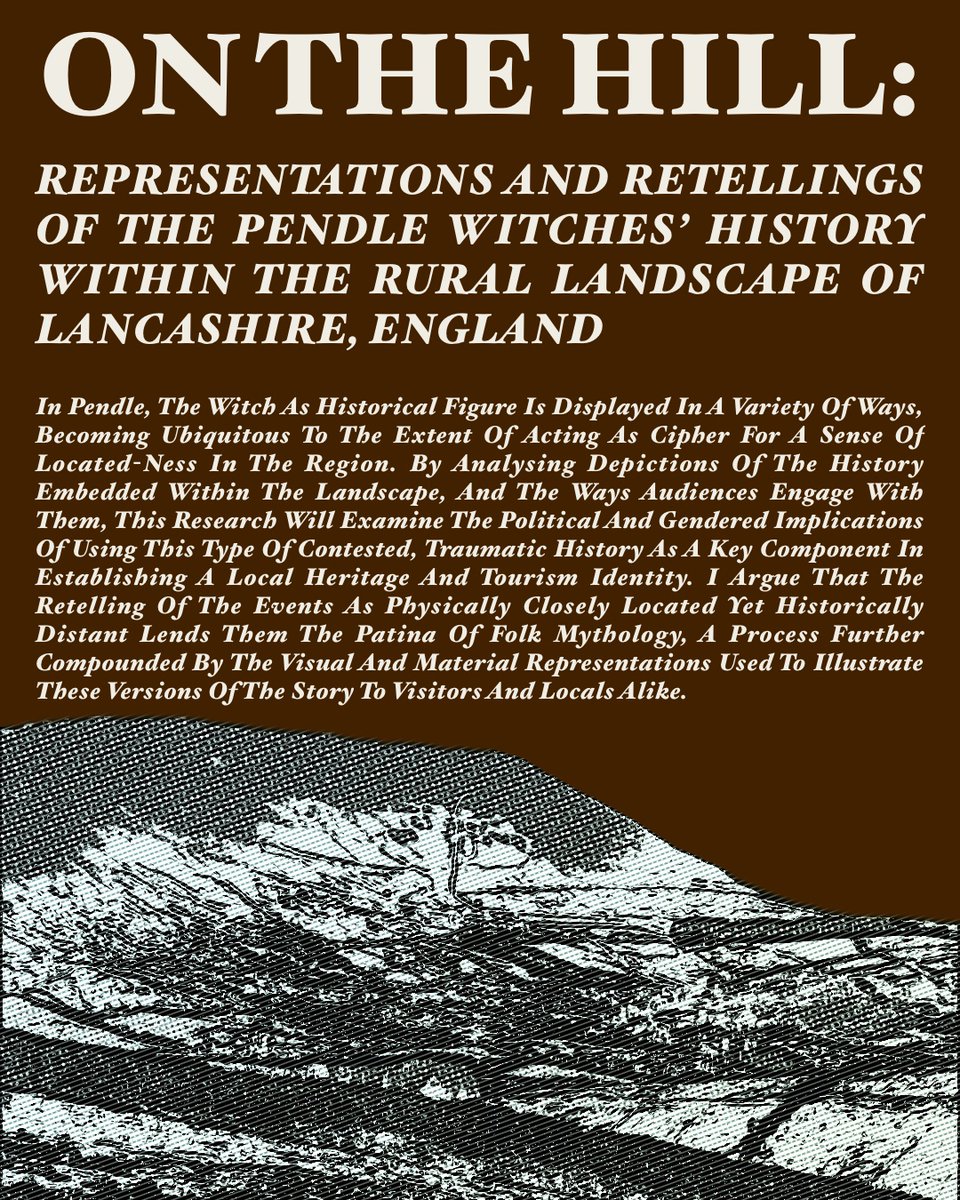
Dr Hannah Singleton shares an extraordinary analysis of the cultural afterlives of the Pendle Witches in our recent themed special issue with @NFSEngland
Find this and more scholarly explorations into folklore in Issue 13, ‘Contemporary Legend’.
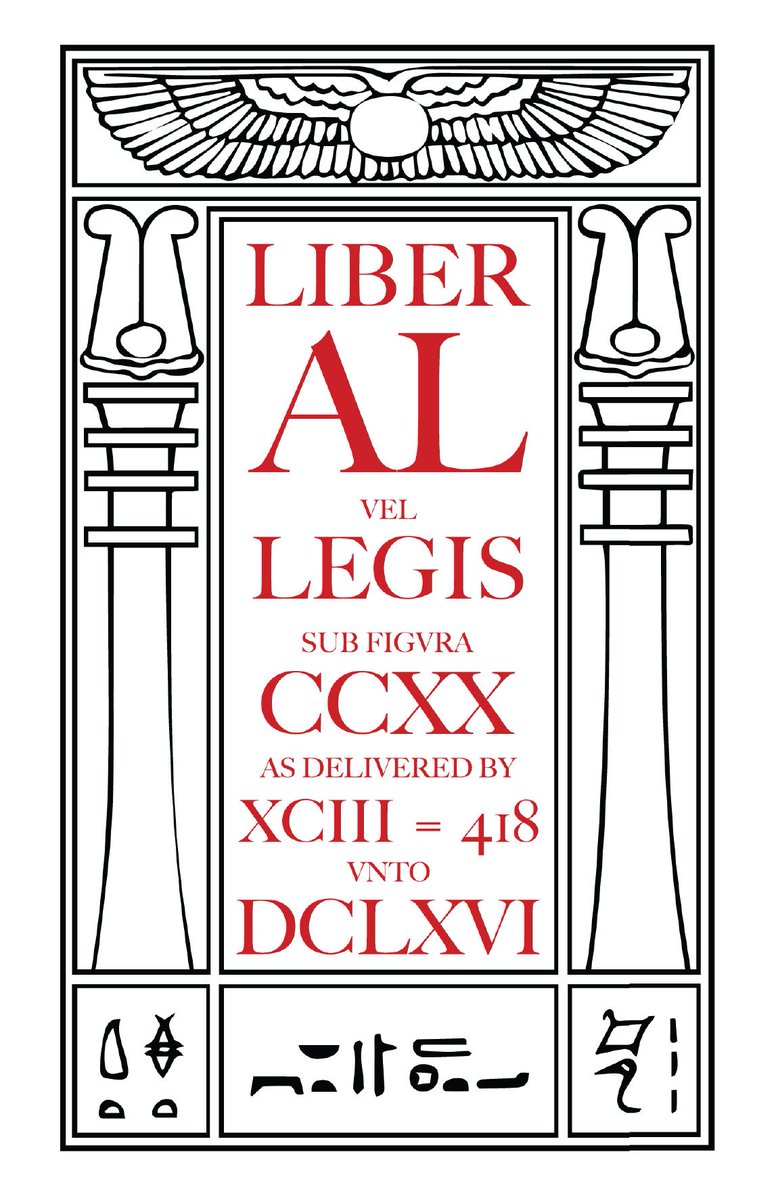
“The word of the Law is THELEMA.
Who calls us Thelemites will do no wrong, if he look but close into the word. For there are therein Three Grades, the Hermit, and the Lover, and the man of Earth. Do what thou wilt shall be the whole of the Law.”
— Liber AL vel Legis, 1:40