#MoveItForward through messy parenting moments, when moments get tough, from a place of co-regulation and calm, you can parent your child and yourself through almost anything! @Highlights@SFfamilytherapy#parenting
https://t.co/TPYoex6jTd
Twenty things that make us feel good and the #1 might surprise you, but it will not if you are a new parent! https://t.co/4aogCAEhOL
#PositiveVibes#WeekendVibes
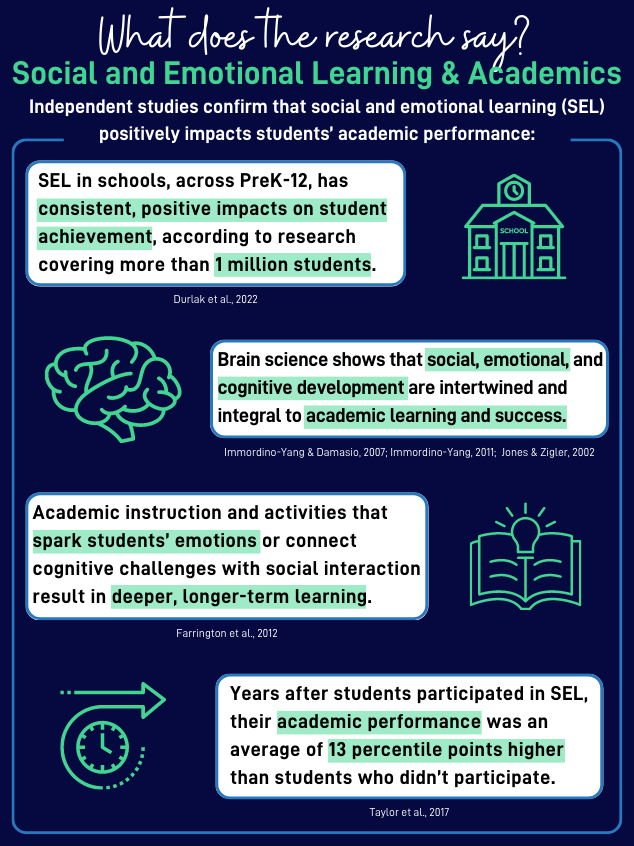
Students' mental health is deeply connected to their academic and social-emotional learning (SEL). While teachers are working to make classrooms safe and supportive, they seek additional resources. Discover what teachers are saying here: https://t.co/0f6nmrjTQv #SEL#MentalHealth
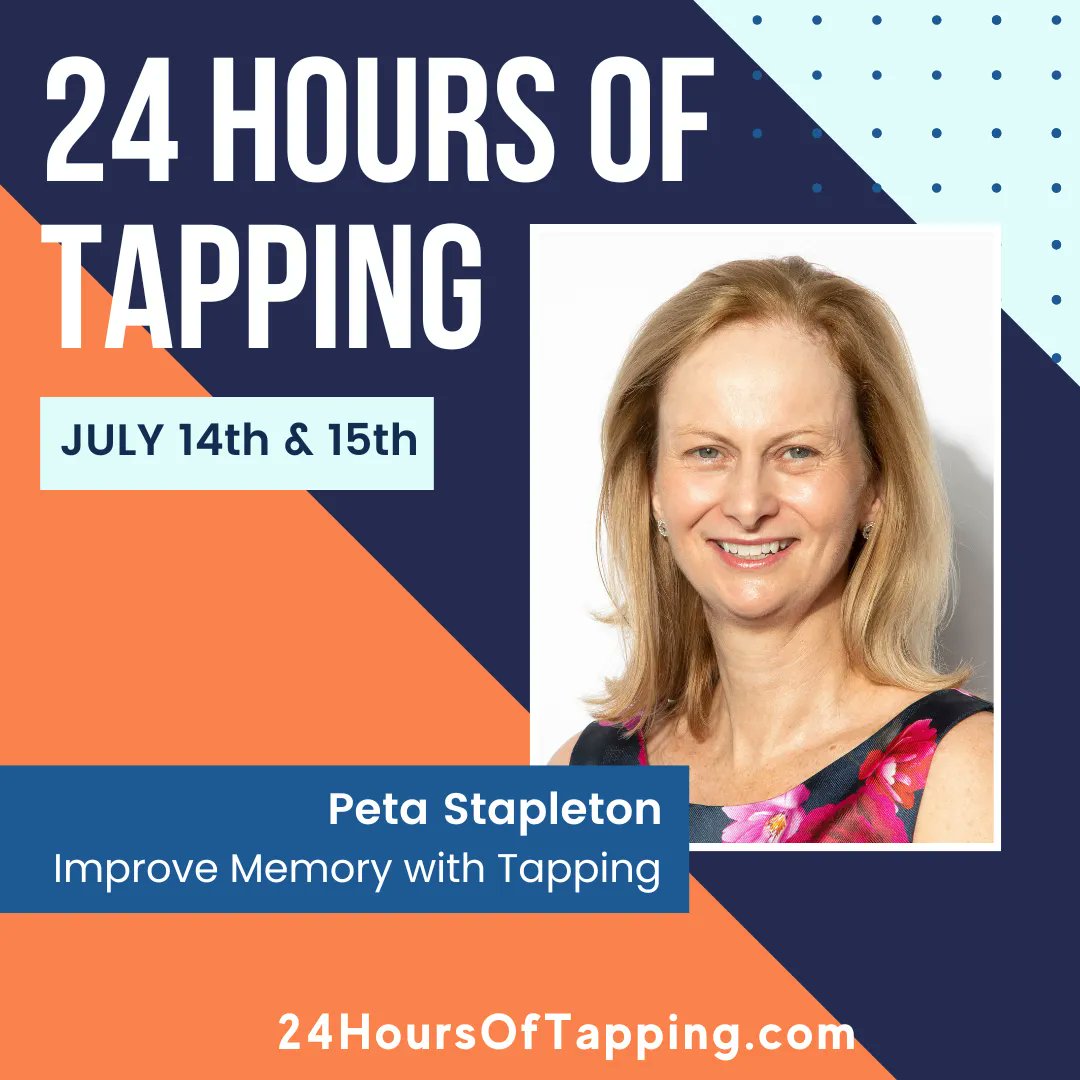
Join us for the FREE 24 Hours of Tapping event on July 14th & 15th and benefit from the wisdom of 34 tapping experts! The recording is also included and all free. I will be speaking on how to use EFT Tapping to Improve Memory 🥰
https://t.co/yRZGiMJioo
“Overall, it mattered a lot more which school district you lived in than how much money your parents earned.”
A deep dive into learning loss in the pandemic: https://t.co/M7HokuI29C @nytimes@MessyParenting1#Mondayvibes
In this podcast, Dr. Nikhil Chaudhary (@UCamArchaeology) & Dr. Annie Swanepoel (@NELFT) discuss the different types of approaches to childcare that emerge from comparing hunter-gatherer childhoods to WEIRD childhoods.
Listen to learn more: https://t.co/fz1HwwYGt8
#MentalHealth
Yesterday's NAEP data further confirms a need for sustained investments in academic, social and emotional learning. Research confirms what parents/educators know: Social and emotional learning (#SEL) is consistently effective at improving academic outcomes https://t.co/0cCm3fyNjP
Loneliness and social disconnection increase risk of anxiety, depression and heart disease. “So does their risk of heart disease (29 percent), dementia (50 percent), and stroke (32 percent).” @nytimes #loneliness_epidemic https://t.co/aSZ7qaSLjN
Are you parenting an adolescent or teen? Some helpful tips on how to manage your teen's smartphone use, in and out of their bedroom: https://t.co/ERPA1JJXD0
@MessyParenting1#parenting#TeenMentalHealth
“
"Nobody is born knowing how to parent. What I appreciate about this study is that it’s advocating for us to give more support to parents in terms of evidence-based parent management programs.”
#parenting
@SFfamilytherapy https://t.co/bgTy4xOn8O
@fklein907 The understanding of finality (brain development) is not there until between ages 6-9. Loss occurring before this concept of death permanence, will need to be supported for children, as they gain full understanding and grieve “finality.” https://t.co/e5EBCt5Jaw