We apply Zero Trust to web links so people don't have to "stay vigilant”. Every person should be able to open links inside any app without relying on luck.
It’s time for a new way to spot & avoid online impersonators inside any mobile app or service: Messages including SMS and iMessage, Mail, Gmail, Discord, WhatsApp, Telegram, LinkedIn, Twitter/X, QR Codes…
All without opening a link
Zero Trust for URLs
https://t.co/nsAfvrK32R
We will be publishing a new draft white paper in the coming days for community review and feedback before it moves from draft to fully approved.
Finalising this white paper is an important step before Mackie Mobile launches in the coming months.
Extortion is the second act of phishing.
PornHub reported extortion demands linked to analytics data allegedly sourced from a phishing-enabled third-party breach.
Once data is exposed, the damage compounds.
https://t.co/N0UsVr4sm2
A reminder that scams don’t take holidays.
WhatsApp New Year greeting messages carrying phishing links and malicious APKs. One tap installs malware. Data is stolen. Banking fraud follows.
No exploit. No zero-day. Just a trusted link.
https://t.co/yv6UtauzD3
$3.3M lost. No malware. No breach.
Just phishing and impersonation convincing enough to redirect payments.
This is what link trust failure looks like in the public sector.
https://t.co/pafnBCtFwq
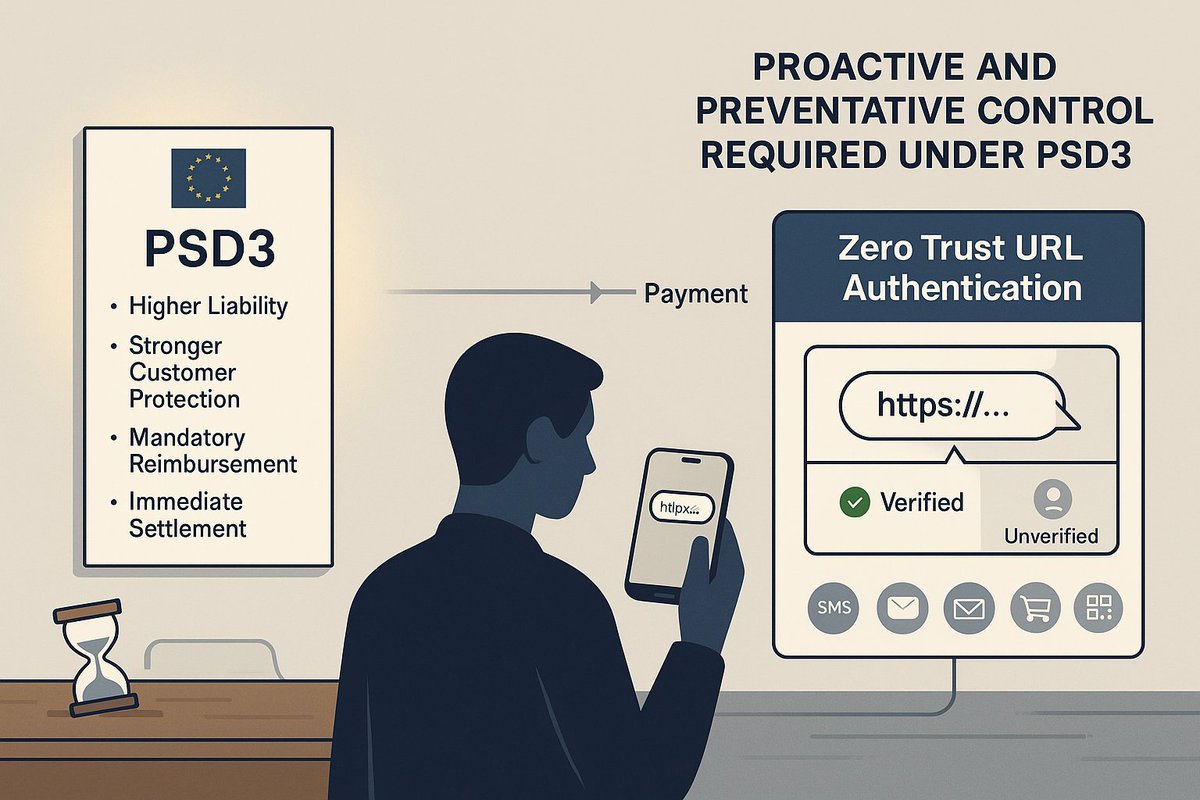
New EU PSD3 regulation raises fraud liability for banks and payment providers
Most digital fraud begins with phishing
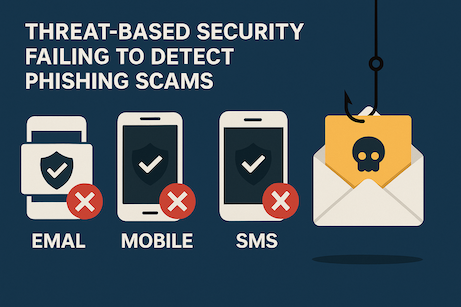
Today’s security can’t protect people from unreported phishing threats
Zero Trust for links delivers upstream protection
https://t.co/jrJbnrgoWE
Someone replied to a LinkedIn post with a tool they believe can stop phishing by rewriting links and scanning them at click time. It can’t. New links have no history or signals for detection to analyse. That’s why people are still told to stay vigilant.
https://t.co/qyrrE1z2Bl
Most cyberattacks start with phishing, and most phishing begins with a dangerous link - every security vendor will tell you this. That’s why this chart might be the most important one you’ll see about AI and cybersecurity. The next one will go even further. #Smishing#APPFraud
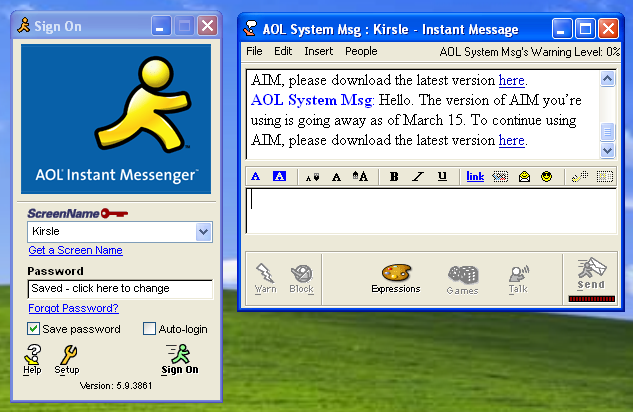
✍🏻 New blog post: a look at how phishing began in the mid-1990s, how trust on the web was built, lost, and is now being rebuilt.
https://t.co/YU9c22cqrc
Palo Alto’s new report calls a global smishing campaign “sophisticated.” It’s not. It’s the same phishing problem that’s existed for decades - fake links leading to fake websites.
https://t.co/HhneyvXHRq
@JimD326 @Paul__Walsh@RKBDI@TutaPrivacy@GrapheneOS “They use it to steal your data” - what exactly do you mean by that? Can you be specific?
What are the claims made by Graphene in relation to RCS and/or SMS that you disagree with? No person is safe from SMS, iMessage, or RCS phishing when relying on any traditional security.