🔥 @ComputersRh is quickly becoming one of the most talked-about Web3 games, with thousands of players jumping in every single day! But what is making this project so popular right now? 💻✨
by @0xArtix
🎮Here are the updates and the mechanics you need to know:
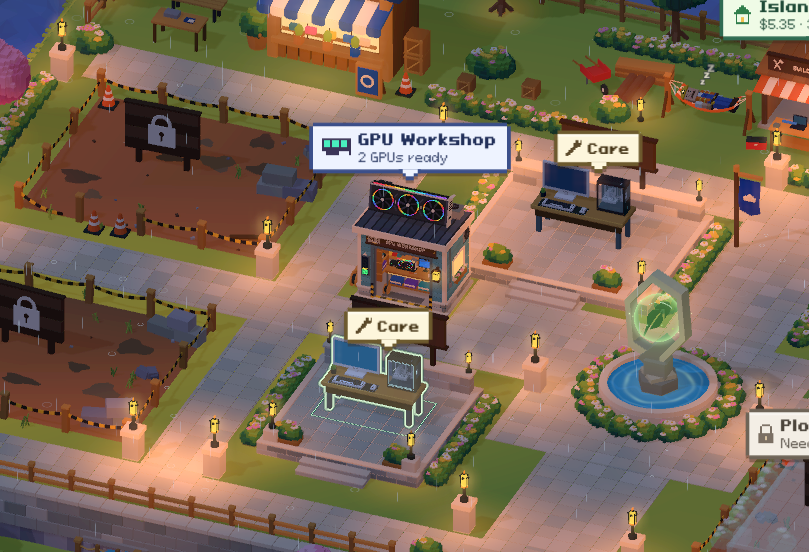
🚀Brand-New GPU Upgrade WorkshopLocated right between PC Island 1 and Island 2 on your main screen, you can now enter the GPU Workshop and spend robinhood:0xd421141b9d6afa274572a747e9a3fdd24ba8c400 to level up your graphics cards! Upgrading your GPUs directly boosts your hourly mining yield, making it one of the best investments to grow your earnings. (And who knows, a CPU Upgrade Workshop might be coming next! 👀)
🔧PC Maintenance & Yield EfficiencyAs your computers run, their parts gradually wear down over time. Even a small drop in condition can lower your daily mining earnings by around 5%. Keeping your rigs fully maintained is crucial to maximizing your profit! You can easily monitor your setup and perform repairs—either individually or for all your PCs at once—through the MY PCS panel in the bottom right corner.
📅What if ComputersRH introduces a Daily Check-in System? imagine logging in every day to claim a streak bonus that boosts your overall mining yield! It would be an amazing way to reward loyal players, keep the daily active user base high, and give everyone an extra incentive to optimize their rigs daily.⚡
💡Developers Who Actually Listen to the CommunityIn a recent patch, the developers slashed maintenance costs by 50% based directly on player feedback! This shows how much the team values its users compared to other projects, continuously making the game more rewarding for the community.
Every minute you wait is potential yield lost in this fast-growing ecosystem. Don't miss out on the momentum! 🚀
👇Start building your mining empire today: https://t.co/UhYYlzl0BG
#Web3Gaming #PlayToEarn #NFTs robinhood:0xd421141b9d6afa274572a747e9a3fdd24ba8c400 #ComputersRH
gAxis fam,
@axisrobotics token ekonomisi ve Kaito mindshare sıralaması açıklandı. Tabiki her zaman olduğu gibi itirazlar da beraberinde geldi...
Ben şuan LB'de 156. sıradaydım. Epoch 2 tamamlandıktan sonra son bir liste yayınlanacağı için hâlâ ödüle hak kazanıp kazanmadığımı bilmiyorum...
Paylaşılan itirazlara bakıyorum, çoğu kişi aldığı etkileşim ve görüntüleme ile neden sıralamaya dahil olmadığından bahsetmiş; peki sorun gerçekten bu mu? Neyse... bu konulara girmek istemiyorum😇
Gelelim ben dahil birçok kişinin asıl merak ettiği konuya; Axis Puan dönüşüm oranına ... Düne kadar geçerli ve imzalı 4.068 trajectory ürettim, yani bu sorunun cevabı benim için hâlâ çok önemli.
Dürüst olayım mı; bu sorunun cevabını hâlâ bilmiyorum.🤣Dünden beri o kadar çok şey konuşuldu ki, ödül dağıtımı ile ilgili bildiklerim bile birbirine karıştı...
Şuan bildiklerim;
> Puanlar devredilemez, token değil.
> Contributor ödülleri iki sezonda dağıtılacak...
Beni şuan ilgilendiren Sezon 1 simülasyon (TGE öncesi) kısmı. Henüz değişmedi ise, yarısı TGE'de, kalanı iki eşit dilimde 3. ve 6. ayda dağıtılacak.
Sezon 2 sim-to-real kısmına ait detaylar çok daha sonra duyurulacak. Bana bu kısım, Challenger Programına dahil olan katkı sağlayıcılara yönelikmiş gibi geliyor... Bu konu da önümüzdeki günlerde netleşir çünkü henüz onların da axis puanları hesaplanmadı...
Yani kısaca; şuan netleşmeyen ve asıl emek verdiğimiz Axis Hub kısmı var. Axis puan dönüşüm oranları ve kilit açılımları, birçok kişinin yoluna devam edip etmemesindeki en büyük etken olacak gibi duruyor.
Bakalım bu hafta bizi neler bekliyor.
gAxis, iyi hafta sonları...
gAxis dostlar,
@axisrobotics tarafında Eylül ayı gerçekten hızlı bir tempoda geçti. Yayınlanan aylık özete baktığımda, projenin sadece büyümekle kalmayıp ayaklarını yere daha sağlam basmaya başladığını görüyorum.
> Ayın en çok konuşulan olayı şüphesiz topluluk satışıydı. İlk başta kilit süreleri yüzünden tereddüt edenler olmuştu ama sonuçta 2K'dan fazla doğrulanmış kişinin katılımıyla hedef ikiye katlandı. Bana göre bu sürecin en önemli kısmı toplanan paranın miktarından çok, kısa vadeli vurkaççıları eleyip projeye gerçekten inanan kemik bir kitleyi ortaya çıkarmasıydı.
> İşin mutfak tarafında ise veri motoru dur durak bilmedi. Zincir üstündeki yörünge sayısı beş milyonu aşıp altı milyona dayandı. Fakat beni sayılardan çok işin ciddiyeti ilgilendiriyor. Yayınlanan yeni makaleler ve çalışmanın IROS gibi prestijli bir robotik konferansında kabul görmesi; her gün tarayıcı başında harcadığımız o emeğin boş bir puan kovalama oyunu olmadığını, doğrudan robotik literatürüne girdiğini gösteriyor.
> Brian Armstrong ile yapılan görüşme de @base ekosisteminin Physical AI vizyonunu neden bu kadar sahiplendiğini özetler gibiydi.
Kendi adıma Eylül ayı hem topluluk satışıyla hem de teknik ilerlemeyle kafamdaki birçok soru işaretini gideren bir ay oldu. Önümüzde Kaito’nun ikinci sezon kapanışı ve yaklaşan TGE süreci var.
Ben yine web tarayıcı başında görevimin başındayım. Görevler artık eskisi kadar kolay değil; zorluk derecesi düşük olan taskları artık göremiyoruz bile. Ama yine de sürecin bir parçası olduğum için kendi adıma mutluyum. Siz de bu sürece dahil olabilirsiniz: https://t.co/yXsPZbe5Wh
Ama yine de sanki bizi gaza getirecek, motivasyonumuzu arttıracak bir şeye ihtiyaç var; mesela Kaito mindshare sıralamasında ilk 500'de kendimizi görmek ya da Axis Puanların AXIS token'a dönüşüm oranı gibi...
Var bir hayalimiz ve bu sefer gerçekleşsin istiyoruz.
Joined the @pabalx waitlist.
Points are your place in line, and the top of the list rides first.
Racing every 10 minutes on GIWA testnet.
https://t.co/isUhZenYxV
the pabal waitlist is live.
incubated by @Official_Upbit's @GIWA_by_Upbit.
no invitation needed. just connect.
follow · repost this · post on x
all three and you ride.
points are your place in line.
the line only gets longer.
https://t.co/4aFdAg2lJ9
send your horse.
gAxis arkadaşlar,
Bugün güne erken başladım. @axisrobotics Alliance görevlerine bu sefer yetiştim ve 28 görevi başarıyla tamamladım. Görevler henüz "Pending" aşamasında, yani onay bekliyor...
Hazır benim görevler de onaydayken, aslında arka planda ne olduğunu kısaca anlatmak istedim. Çünkü Axis Hub'da task yapanların en çok merak ettiği şeylerden biri de bu...
> Görevi başarıyla bitirdim, peki neden hemen imzalayamıyorum da bir süre Pending'de bekliyor?
İşin arkasında aslında ciddi bir teknik filtreleme çalışıyor. Biz tarayıcı üzerinden görevleri yaparken, sistem sadece görüntüyü kaydetmiyor; milisaniye bazında eklem açılarını, hızlarını ve nesne koordinatlarını da anlık olarak hafızaya alıyor.
Görevi bitirdiğimizde ise bu hareketler arka plandaki simülasyonda (State Replay ile) baştan sona birebir tekrar oynatılıyor:
> Yapılan hareket fizik kurallarına gerçekten uyuyor mu?
> Nesneyle temas anında fiziksel bir tutarsızlık ya da bir sıçrama var mı?
> En önemlisi de bu hareket bir bot scripti tarafından mı üretildi, yoksa gerçek bir insan elinden mi çıktı?
Fizik testinden geçemeyen hiçbir yörünge eğitim havuzuna alınmıyor. Sadece bu filtreyi geçen temiz veriler @base ağı üzerinde imzalanabilir hale geliyor ve zincire işleniyor. Böylece Physical AI modelleri eğitilirken çöp veriler eleniyor, sabahın erken saatlerinde harcadığımız gerçek emek de zincir üstünde kalıcı olarak korunuyor. İşte pending aşamasının bu kadar uzun sürmesinin nedeni bu arkadaşlar...
Siz de tarayıcı üzerinden robot kollarını teleopere edip veri üretimine katılmak isterseniz referans bağlantımı aşağıya bırakıyorum...
> https://t.co/yXsPZbe5Wh
İyi bir hafta geçirin.
Bugüne kadar bize hep ne anlatıldı? "Modele ne kadar çok veri yüklersen, robot o kadar akıllı olur."
Ama işin aslı hiç de öyle değil.
@axisrobotics 'in son çalışması bunu net bir şekilde gözler önüne seriyor...
Sürekli yeni görevler ekleyip deli gibi veri toplamak, bir noktadan sonra robota bir şey öğretmediği gibi sistemi gereksiz kalabalığa boğuyor. Hatta araştırmada tekrarlayan, işe yaramayan hareketleri ayıkladıklarında, robotun gerçek dünyadaki başarısının daha da arttığını görmüşler. Yani az ama temiz veri, koca bir veri yığınını resmen ezip geçiyor.
Peki robot gerçek hayatta bocaladığında ne oluyor? Robot bir nesneyi tutamadığı veya şaşırdığı an, sistem o tökezleme anını hemen simülasyona taşıyor. "Bak robot burada takıldı, hemen buna özel bir görev açalım" diyorlar ve operatörler simülasyonda o kör noktayı kapatıyor. Model resmen kendi hatalarından beslenerek gelişiyor.
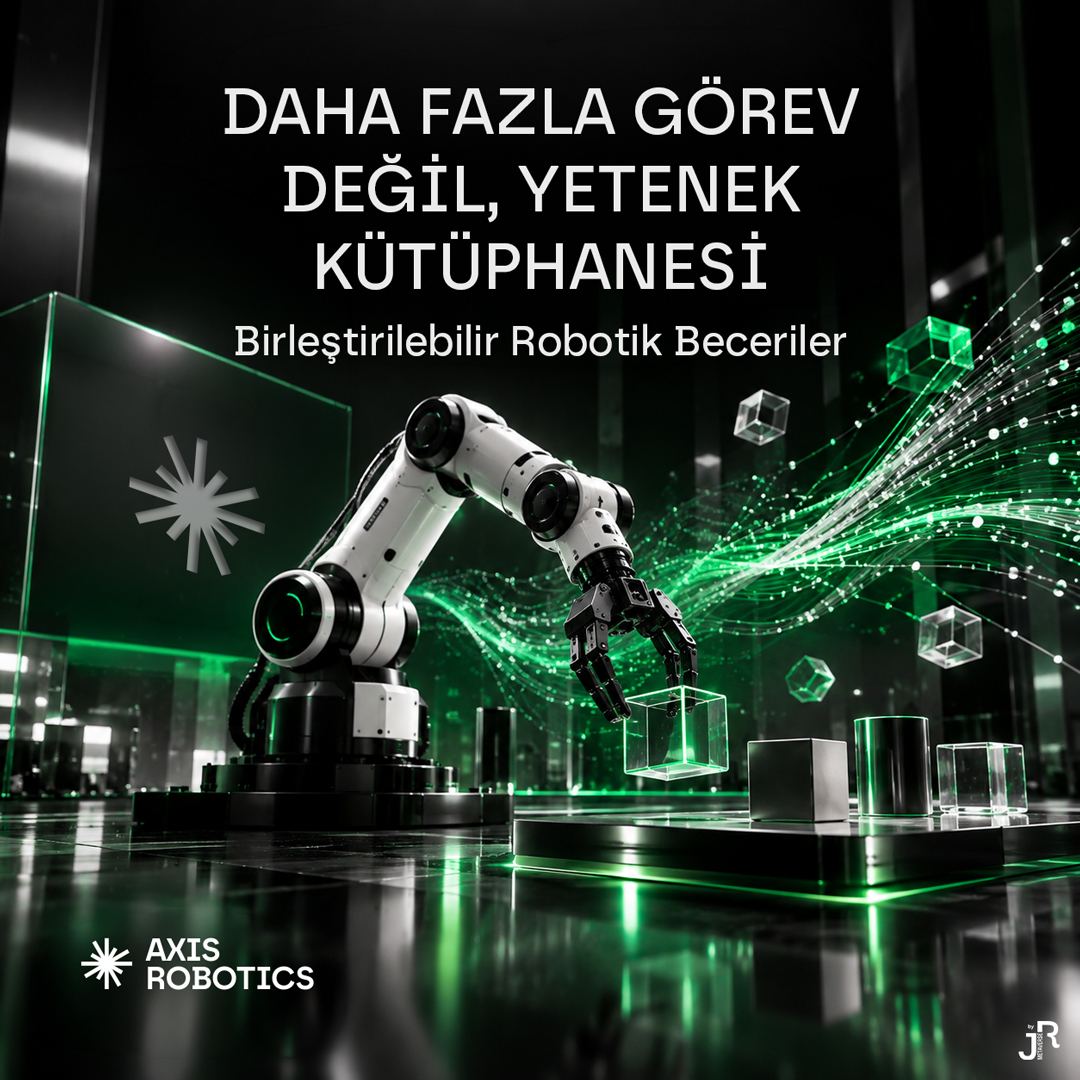
Çekmece açmak, nesneyi kavramak ya da itmek gibi temel hareketleri kendi içinde bağımsız birer uzmanlığa dönüştürüp arkada devasa bir yetenek kütüphanesi oluşturuyorlar. İhtiyaç duyulduğunda da bu kütüphaneden gereken parçalar çekilip birbirine bağlanıyor.
Kısacası mesele platformda kaç tane görev yapıldığı değil; yarın öbür gün karmaşık işleri çözebilmek için o kütüphanede birbiriyle konuşabilen kaç tane sağlam yeteneğin yer aldığı.
İşte tüm detaylar burada👇
https://t.co/ZXEKGYh77G
🔥 @axisrobotics topluluk satışı kapandı.
Daha birkaç gün önce 2M bulur mu diye kendi kendime tahmin yürütmeye çalışıyordum. Ama görünen o ki son saatlerde katılım bir hayli hızlanmış.
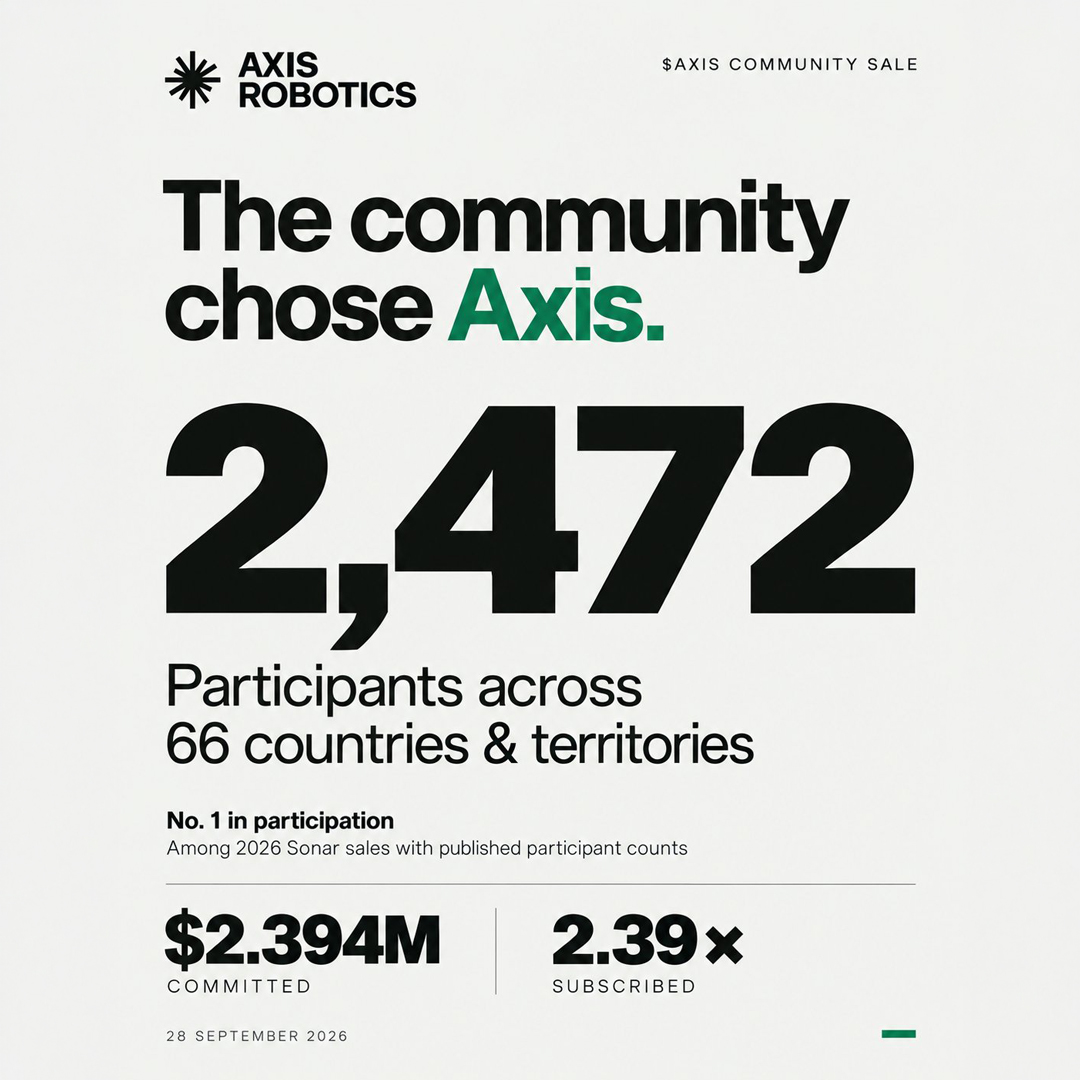
$AXIS topluluk satışında 2.4 milyon USDC taahhüt edilmiş ve kimliği doğrulanmış 2.472 kişi katılım sağlamış. Üstelik bu Sonar’ın bu yılki en yüksek katılımlı satışı olmuş.
Hedef aşıldığı için dağıtım, oranlama usulüyle (pro-rata) yapılacak. Yani yatırdığınız paranın fazlası 48 saat içinde Base cüzdanınıza geri yatacak, kazandığınız pay da zincire kaydedilecek. Bir de katılımcılara yakında bir sürprizleri varmış, bakalım ne gelecek.
Ben satışa katılamamıştım o nedenle de Axis'e kaldığım yerden destek vermeye devam edeceğim.
> Kaito içerik üreticisi kampanyasında 2.epoch, 18 Ekim 2026 tarihinde sona erecek.
Ödül havuzu: $AXIS token arzının %0,25'i,
Hak ediş: TGE'de %100 tamamen kilidi açılmış durumda.
Kaito kampanyası: https://t.co/l6Mz2V0wgG
> Ayrıca halen Axis Hub üzerindeki görevleri düzenli olarak yapmaya ve 15 günlük dönemler halinde Axis Puan kazanmaya devam ediyorum. Bugün itibariyle 3K trajectory'yi geçmiş durumdayım. Bu puanların topluluk airdrobunda etkisi olduğundan defalarca bahsedildi zaten...
Yani işin özü; satışa bütçe ayıramasam bile projeye katkı sağlamayı bırakmaya niyetim yok.
İster içerik üreterek, ister tarayıcı başında task yaparak olsun, bence emek veren herkes için fırsat fazlasıyla devam ediyor.
Axis Hub: https://t.co/yXsPZbe5Wh
gAxis dostlar.
Robotik tarafta işin sarpa sardığı yer neresi biliyor musunuz? Nesnenin yerini iki santim kaydırsanız, tek bir hareketi ezberlemiş olan robot afallayıp kalır.😅
Çünkü robota, koca bir görevi baştan sona ezberletmeye çalışmak pek bir işe yaramıyor. Burada önemli olan; bardağı tutmak, engeli itmek ya da çekmeceyi açmak gibi temel becerileri ayrı ayrı öğretebilmek. Robot bu ufak yetenekleri duruma göre birbirine eklediğinde gerçekten esnek ve işe yarar hale geliyor.
@axisrobotics'in kurduğu sistem de bu küçük parçaları bir araya getirip arkada bir yetenek kütüphanesi oluşturuyor. Yani yarın genel amaçlı bir robota karmaşık bir iş yaptırmak istediğimizde, sistem her şeyi sıfırdan öğrenmek yerine doğrudan bu kütüphaneden beslenecek.
Bizim her gün tarayıcı başında yaptığımız o task'lar da tam olarak bu yetenek parçalarını topluyor aslında. Yaptığımız her geçerli trajectory Base ağına işleniyor ve doğrudan modelin eğitimine gidiyor.
Ben her gün düzenli olarak taskları yaparak hem kendimi geliştirmeye hem de beceri kütüphanesine katkı sağlamaya çalışıyorum. Çünkü bence gelecek burada...
Eğer siz de Axis Hub'a katılarak katkı sağlamak isterseniz buradan başlayabilirsiniz.
🔗 https://t.co/yXsPZbe5Wh
6 years of Avalanche 🔺
6 years of innovation, persistence, determination, setbacks, challenges, growth, passion, and 6 years of you.
Thank you for being on this journey with us
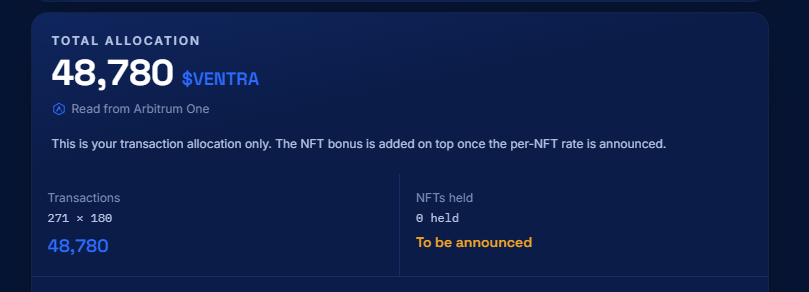
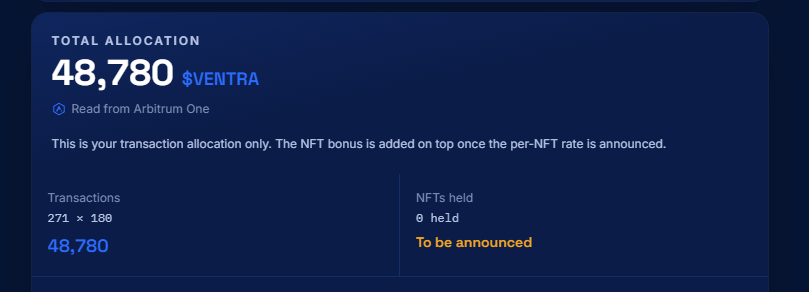
My $VENTRA allocation: 48,780 $VENTRA
Every Arbitrum One transaction I already made counts toward it. Check what you are owed:
https://t.co/7pOZYasQLi
@ventranxyz
Hey folks, just submitted my whitelist application to become a $RUNNER.
Only 333 spots in total, definitely worth grabbing a spot early. @runupdotfun
Link for anyone interested: ↗ https://t.co/IxndZ417hp