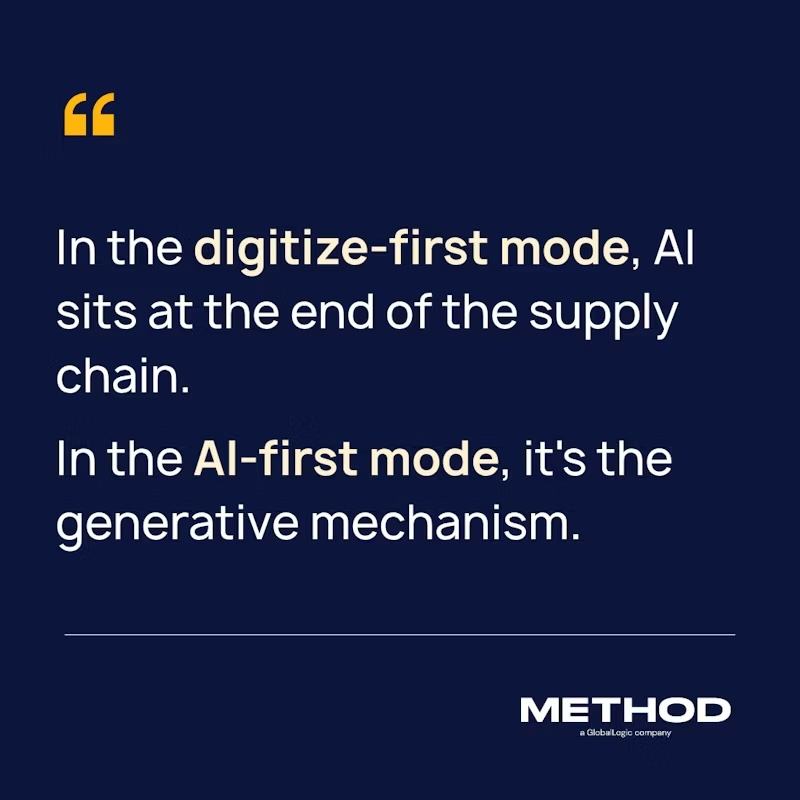
Traditional sequencing logic dictates a linear path, while in the digitize-first mode, AI sits at the end of the supply chain. What is the distinction between these philosophies on the factory floor? We dive into it here > https://t.co/23oJlUW8QX
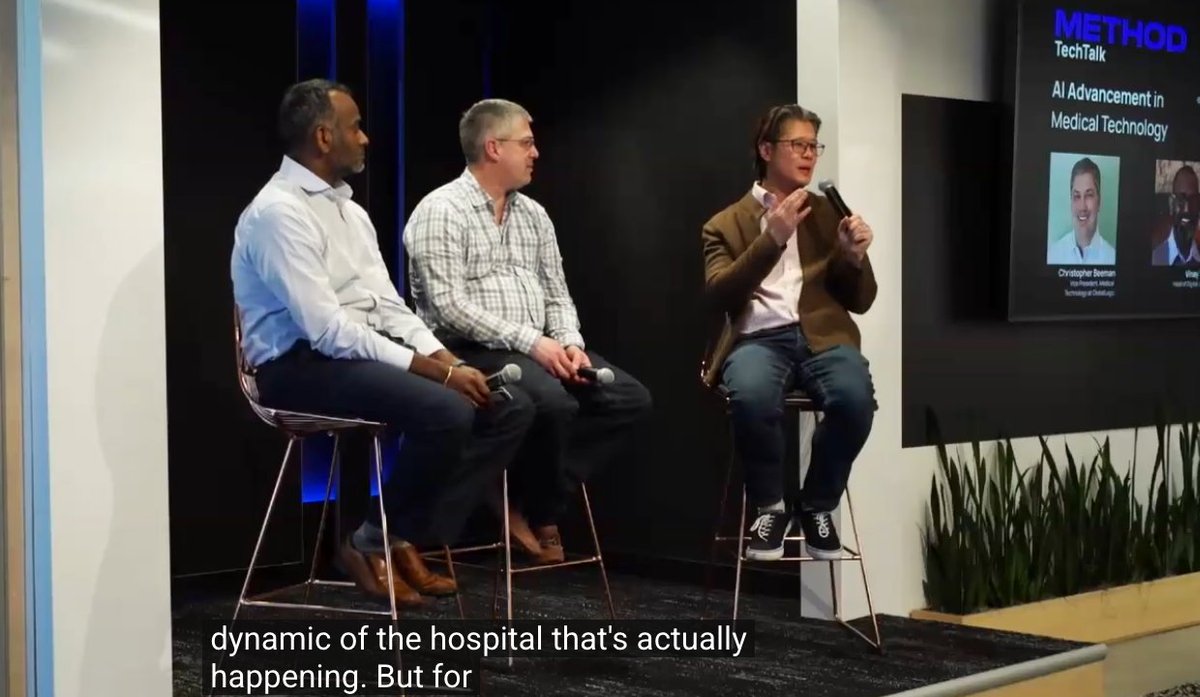
Successfully adopting AI and realizing tangible value continues to be a challenge for many companies. Unfortunately, this is especially true in healthcare. We hosted experts who shared how to navigate new tech and patient safety. Watch free here > https://t.co/acmXdVtemG
When it comes to financial services, we utilize an outcomes-first approach that keeps technical decisions grounded in what will actually move the needle. We explain what that means so you can meet customers with offers that make sense. https://t.co/glh1CypXEP
Code is getting easier to produce, but the cost of building the wrong thing is getting louder. To help cut through the noise, we use Cory Voglesonger's framework to avoid the trap of shipping a mountain of features just because AI makes output cheap. https://t.co/0knZjyrxJQ
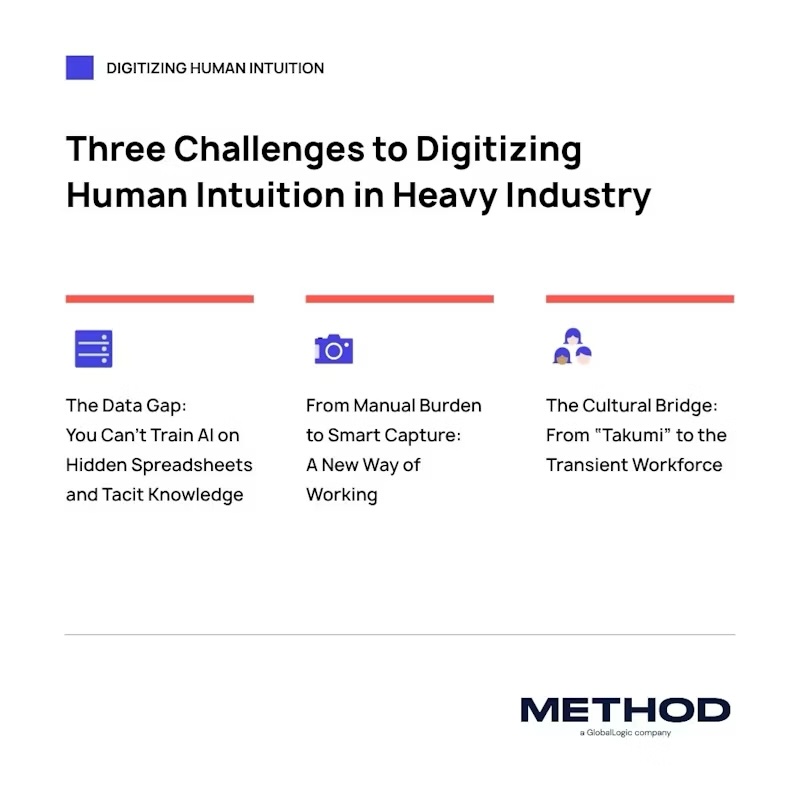
If your most valuable operational secrets are trapped in siloed spreadsheets and human memory, your digital future has a massive blind spot. If you work in heavy industry, you cannot afford to ignore these three challenges to digitizing human intuition. https://t.co/ulepE9gXop
Design has become a much bigger part of the research process. It is now much easier to show users potential solutions and generate insights that shape the final product. See why the key is matching the approach to the purpose. https://t.co/VeoaGZORkz
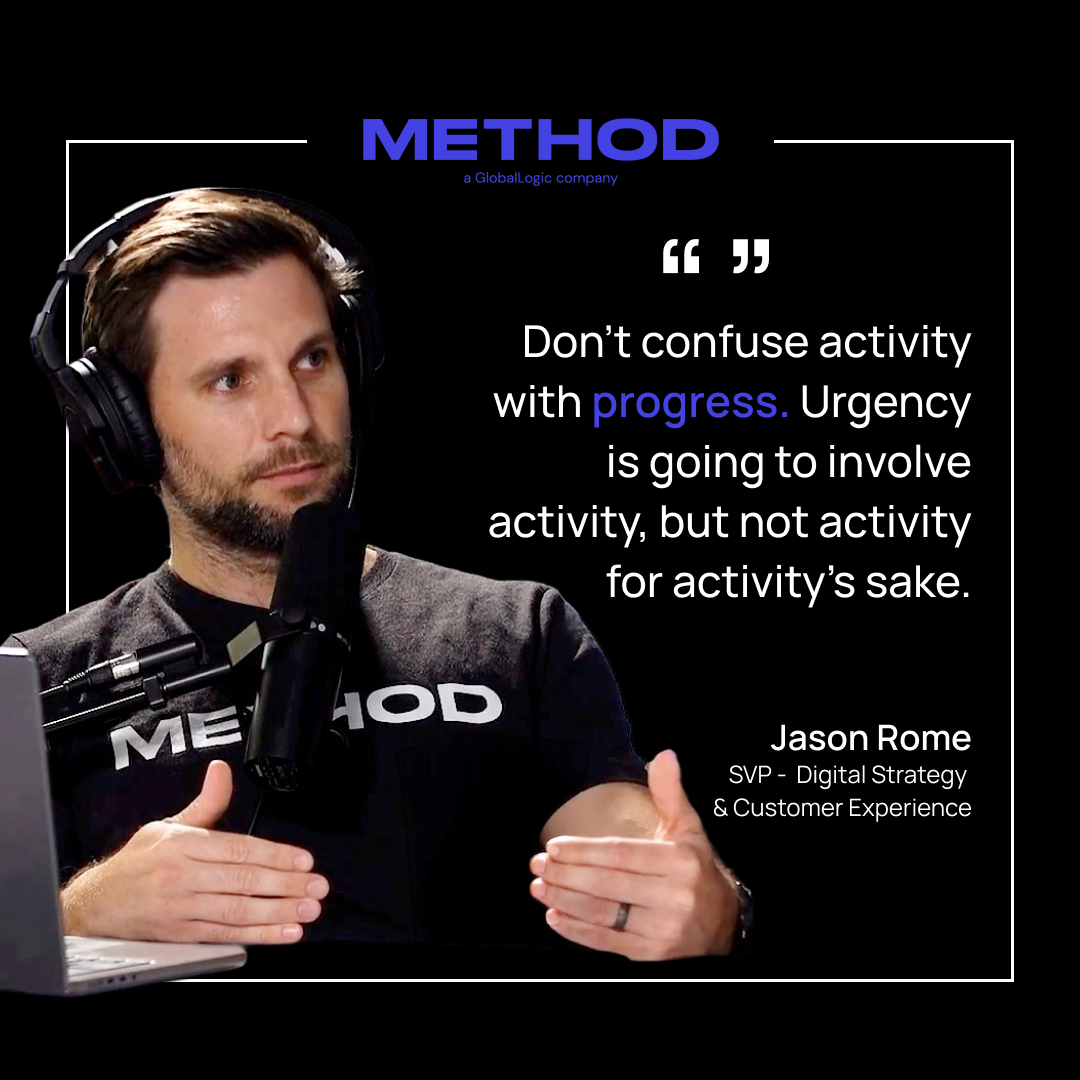
In this short clip, Jason Rome explained the benefits of building a foundation that lasts for the next three months so teams can evolve as the toolchain improves. If you'd like to hear more insights like this on topics like this, check out our library > https://t.co/RS8ExtslfU
Move fast and break things does not work when it comes to critical infrastructure. There is no shortage of software quality in the industry, but the path to achieving outcomes remains steep. We explain how designing for the human system can close the gap. https://t.co/lvXsjiH3EX
Clarity is where AI can turn the dial up. Guardrails, constraints, domain knowledge, and clear intent are important for guiding people and AI agents. We share advice for getting closer to users and for using AI as an adviser, assistant, and adversary. https://t.co/0knZjyrxJQ
If a company's most valuable operational secrets are trapped in siloed spreadsheets and human memory, it can create a massive blind spot for a team's digital future. We look at the three challenges to digitizing human intuition in our latest blog. https://t.co/ulepE9gXop
Many companies are struggling to turn promising AI initiatives into measurable results. Our AI Field Guide shows how teams can find success by starting small, experimenting, and building systems that evolve over time. https://t.co/3QzXkN3DsX
A vast chasm is opening between AI's technological capability and tangible business impact. We call this the Value Realization Gap and to the surprise of many, the gap is a design problem, not a tech one. We explain here > https://t.co/DTC8dXh55S
Choosing the right AI coding agent isn't just about the underlying model. Paul Rowe compares tools like Claude Code with leaner options like Goose and Pi to help developers navigate trade-offs. See which architecture fits your team's engineering workflow. https://t.co/5Gwi8R9Po6
Cory Voglesonger's framework of safety, clarity, and urgency provides a simple way to diagnose why teams thrive with AI while others drown. We dive into what each component means and why AI shouldn't be used as an excuse to avoid core responsibilities. https://t.co/0knZjyrxJQ
We don't want to date ourselves, but for over 25 years, Method has been helping companies define what comes next. No matter which industry it's in, there are common success factors and pitfalls that occur. We break them down here: https://t.co/VeoaGZORkz
Most companies use a single AI tool to observe, but as the technology evolves, it requires systems that can observe with nuance, rehearse with fidelity, and act with accountability. We look at the technological shift that is taking place with automation. https://t.co/1mS7Sw38XH
AI is making code easier to produce, but the cost of building the wrong thing has definitely gotten louder. In this episode of Build What's Next, we discuss the importance of outcome and lean thinking in order to prevent AI-driven sprawl. https://t.co/0knZjyrxJQ
Traditional deployment sequences force companies to wait years accumulating structured data before deploying AI. By placing modern vision systems directly at the source, AI creates records from physical signals on day one without prior logging protocols. https://t.co/23oJlUW8QX
At the end of the day, product, data, platform, legal, security, and finance all have to interact with the AI team. If those relationships are poorly designed, costs increase while the model usage stays flat. We explain how to solve it here > https://t.co/VdkViYMBGk
One of the biggest challenges for financial institutions that are rethinking their go-to-market strategy is their heavily siloed nature. We look at how this can be overcome and the factors and pitfalls that help realize success with tech like AI. https://t.co/VeoaGZORkz