AI investments for SaaS companies fall into three value categories: revenue growth, revenue protection, and cost management. Each requires different success metrics, risk profiles, and timelines to ROI. Jason Rome breaks them down here > https://t.co/rueUEXyjTE
Regulatory requirements, competitive pressures, and a desire to improve patient outcomes create urgency around digital transformation. We explain how to create a better-connected patient experience so patients feel more in control of their care journey. https://t.co/c4Hl6vdHYw
In our latest Build What's Next podcast, Jason Rome and AllStacks' Founder & CEO Hersh Tapadia explain how teams can keep AI agents grounded in existing codebases and focused on actual product outcomes rather than just output. Give it a listen here > https://t.co/75YfXm7DOX
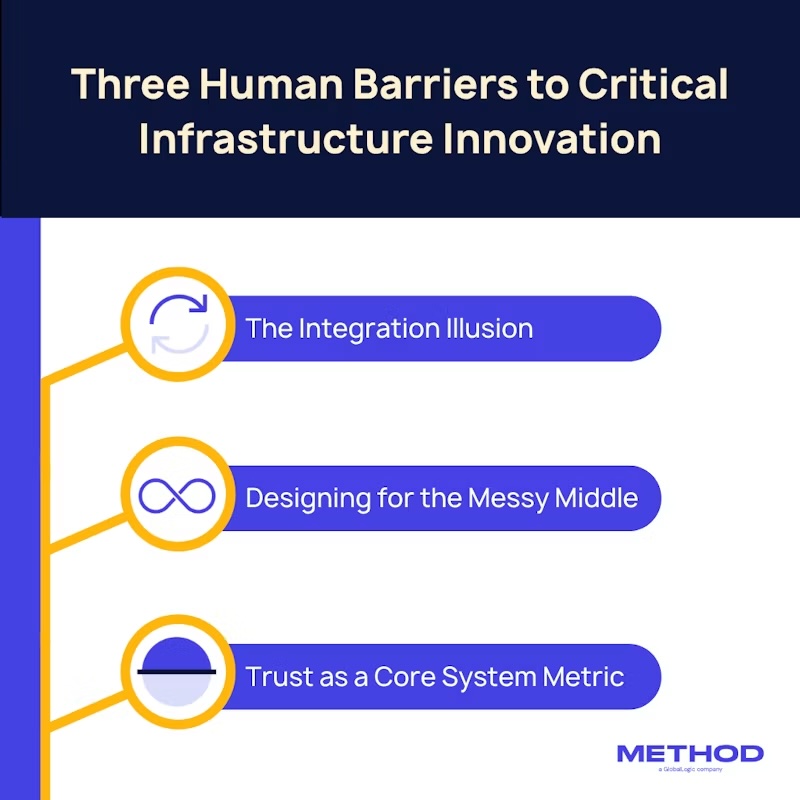
The future of heavy industries and infrastructure will be software-led, but it has to be human-centered. To realize the true value of technology, operators need to solve for the human architecture. We look at the best ways to close that adoption gap here > https://t.co/Yn0HThXYd6
In this episode of Build What's Next, Jason Rome and @allstacks' Hersh Tapadia explain why individual efficiency gains with AI coding don't automatically scale and what teams can do to build a scalable framework. Give it a listen here > https://t.co/75YfXm7DOX
Document workflow, identify repetitive steps, automate them, & measure. While it was effective in driving efficiency gains, new automation offers challenges that aren't typically within the workflow. We share a new approach that evaluates automation value. https://t.co/urxu8keKf7
AI can’t magically take over your product development. So how can you apply it to your specific PDLC in a way that improves your workflow? Glenn Goodrich shares a few experiments for each PDLC stage so you can make AI work better for your use case. https://t.co/hUvcLzLzJN
Sometimes it can be hard to know where the AI hype cycle begins and ends. The good news is, there are proven fundamentals that are driving meaningful AI adoption and can help ensure your organization adapts to the changes ahead. We dive in here > https://t.co/n8LaCjqSNz
With LLMs, designers & data scientists are trying to make models easier to understand and behave more predictably. We explain why we need to not only be able to interpret model behavior, but also explain the rationales and values encoded into those models. https://t.co/AUycgB5hvb
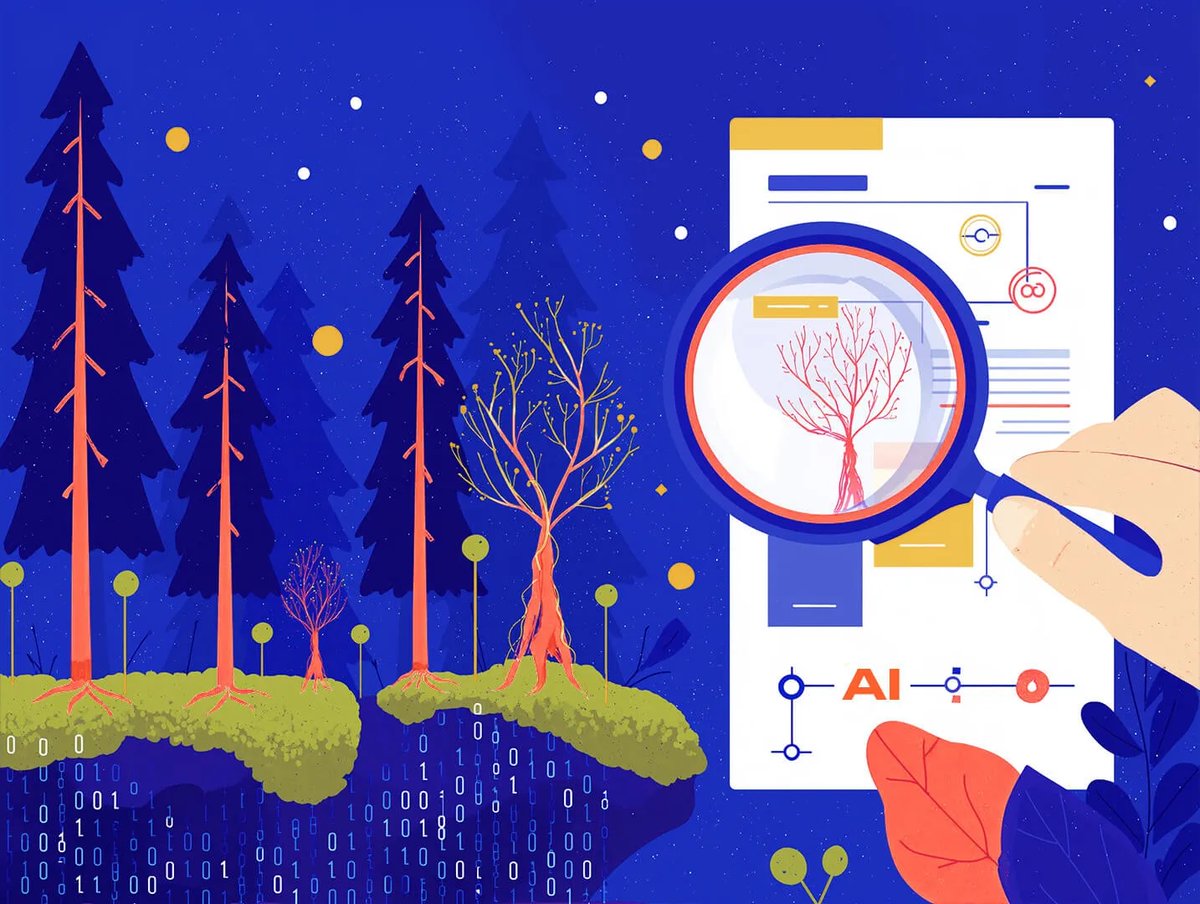
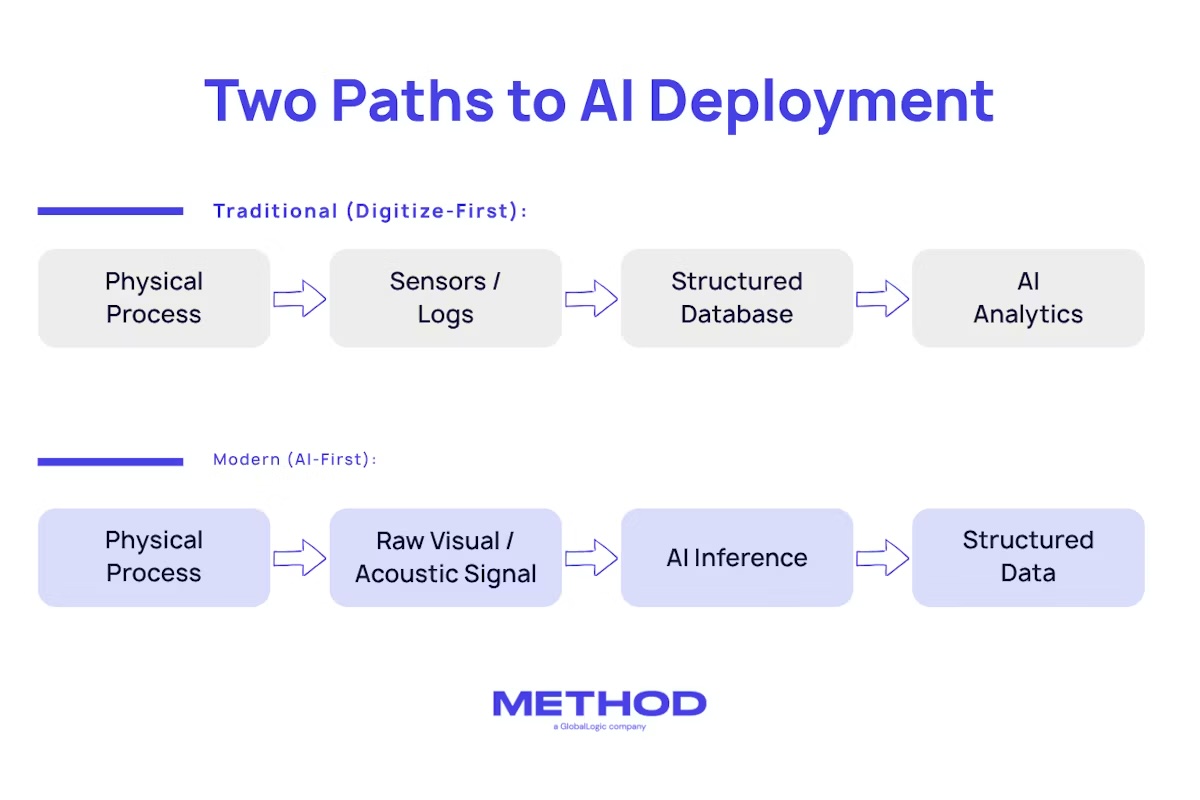
In many industrial operations, digitized data doesn't exist, and the prevailing strategy conversation ends at "we can't do AI until we have the data". We explain how a human-centered process helps business units maximize learnings and business value. https://t.co/23oJlUW8QX
The role of the product manager is quickly evolving. So what are the new "must-have skills"? Jason Rome and Ken Yagen have a lengthy discussion on the evolving PM role, as well as what companies need to do in order to successfully modernize SaaS. https://t.co/sfMBPbrCt8
Limited spots remain for our third annual Early Career Hackathon! From October 9-16, participants will receive a free, week-long program featuring real product skills, hands-on consulting experience, and networking opportunities. Sign up here > https://t.co/Hf37U9oZs9
Technology is changing everything, including the process of building software. Jason Rome recently joined Jeff Keyes to help navigate this rapidly evolving world of AI hype and heavy processes. Check out this @allstacks Stacked Sessions to learn more > https://t.co/LFuSYcadHI
Uber struggled with data chaos as it expanded worldwide. Teams duplicated datasets, defined terms differently, and lacked consistent quality. How did they respond? See how some of the world's biggest companies turned brittle systems into resilient AI. https://t.co/ns7HKDsvUs
As domain expertise, AI fluency, and rapid prototyping become critical "must-have" skills, how can product leaders, engineers, and business leaders build more effectively in the AI era? Find out in this podcast episode of Build What's Next. https://t.co/sfMBPbr4DA
With risk aversion rightfully creating a paradox for infrastructure operators, how can the industry utilize new advanced digital tools while still realizing tangible business outcomes? We explain in our latest technical blog > https://t.co/lvXsjiH3EX
From October 9-16, you'll enjoy an opportunity to gain experience in consulting, product management, design, engineering, and career development skills. Every participant receives direct mentorship, career sessions, and the opportunity to network. https://t.co/Hf37U9oZs9
A company without organizational strength around data lacks the structural foundation needed to support AI. Ed Mangini explains why successful initiatives require a product-oriented approach that treats data as a living entity delivering continuous value. https://t.co/Oc8egbYCCP
Getting teams closer to their users is designed to close the feedback loop and get problems solved faster. With code now becoming more abundant, what does this mean for this approach? We cover the latest strategies in our Build What's Next podcast here > https://t.co/RS8ExtsT5s
With AI, a prompt change might improve quality by 20 percent or degrade it. The uncertainty requires more experiments, evaluations, and conversations. With budgets stressed, our team examines AI costs and how teams can more effectively manage them. https://t.co/VdkViYMBGk