Plant lipids do more than store energy. 🌱
They shape membranes, contribute to signaling, and change with growth and stress.
See what lipidomics reveals beyond total oil content:
https://t.co/pKRpHmOI3Y
#PlantScience#Lipidomics
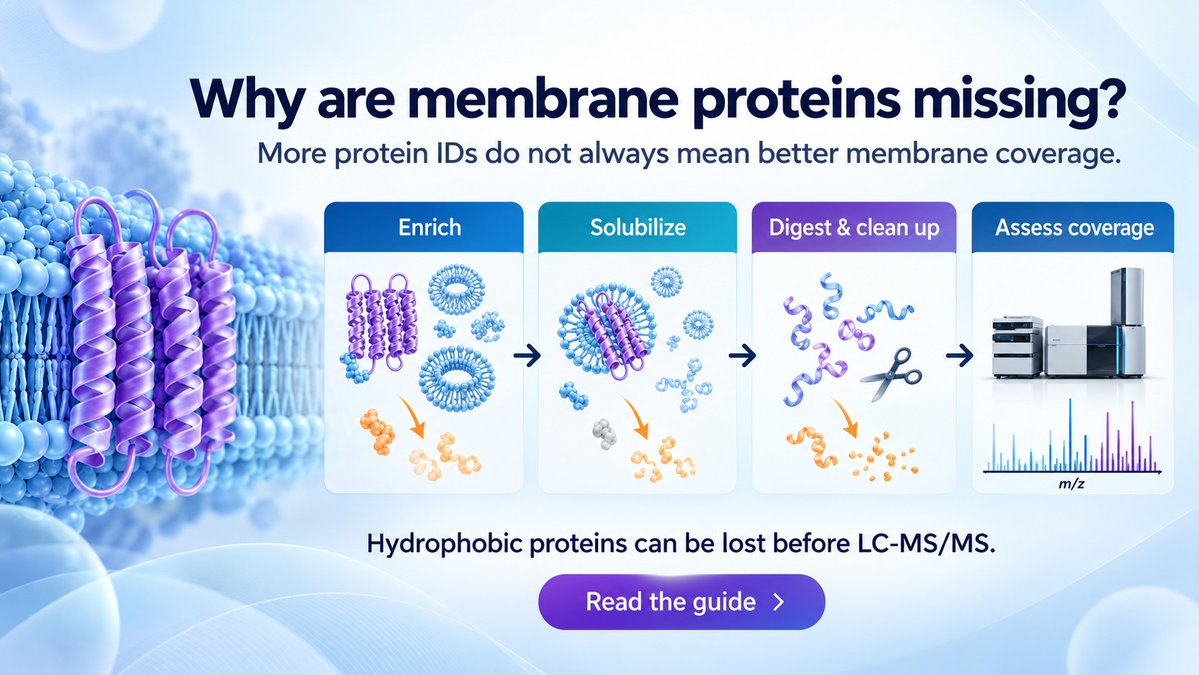
Why are membrane proteins missing from your LC-MS/MS data?
The bottleneck may be extraction, detergent removal, or digestion—not the instrument.
Our new guide:
https://t.co/6LsJNXmWWK
#Proteomics#MembraneProteins
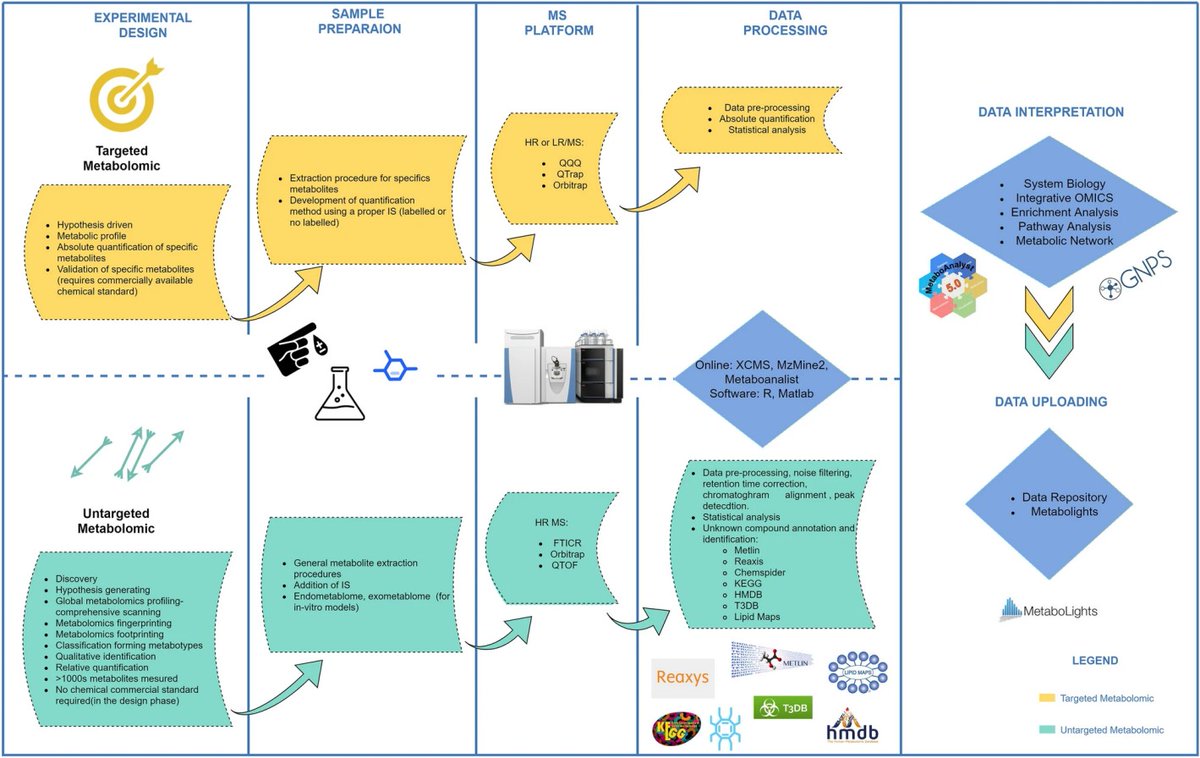
Untargeted, targeted, or widely targeted metabolomics?
Each approach answers different research questions.
Learn how metabolomics strategies differ in coverage, quantification, and biological interpretation: https://t.co/1DEgVT0KWZ
A reliable lipidomics study starts long before LC-MS/MS.
Strategy selection, sample handling, extraction, internal standards, acquisition, annotation, quantification, and statistics all shape the final result.
Explore the complete lipidomics workflow: https://t.co/0a4wBbN4T5
Where is a nutrient actually being used inside a tissue?
Stable isotope tracing + mass spectrometry imaging can map labeled nutrient fate while preserving anatomical context.
Explore spatial metabolic flux mapping, MSI methods, and key limitations:
https://t.co/auU3Lqg8M6
Relative, semi-quantitative, and absolute metabolomics do not mean the same thing.
Our new guide explains how LC-MS calibration, reference standards, and internal standards determine what you can actually claim from quantitative data.
https://t.co/4kmNkgrPF5
#Metabolomics#LCMS
The pentose phosphate pathway does more than make NADPH.
It connects glucose metabolism with redox control, nucleotide synthesis, and glycolytic carbon flow.
Explore PPP function, regulation, and metabolomics analysis: https://t.co/hns9FqUu3k
#Metabolomics#CellMetabolism
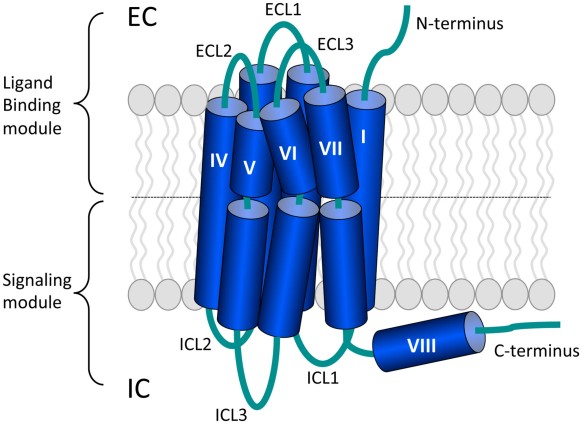
GPCRs are more than seven-transmembrane receptors.
Their signaling depends on receptor conformations, G-protein coupling, β-arrestins, trafficking, and cellular context.
Explore GPCR structure, signaling, drug discovery, and proteomics approaches: https://t.co/vobs1R1huC
Meet MetwareBio at #HUPO2026 in Singapore, Sep 27–Oct 1. Visit Booth #402 to discuss proteomics, metabolomics, spatial omics and multi-omics strategies for your research. https://t.co/hzCfJFYRbL #Proteomics
Serum or plasma for metabolomics?
The answer depends on your biological question, analytes, and study design.
Learn how coagulation, anticoagulants, lipid mediators, and pre-analytical factors influence blood metabolomics results.
https://t.co/JtsWtn3gT3
#Metabolomics#LCMS
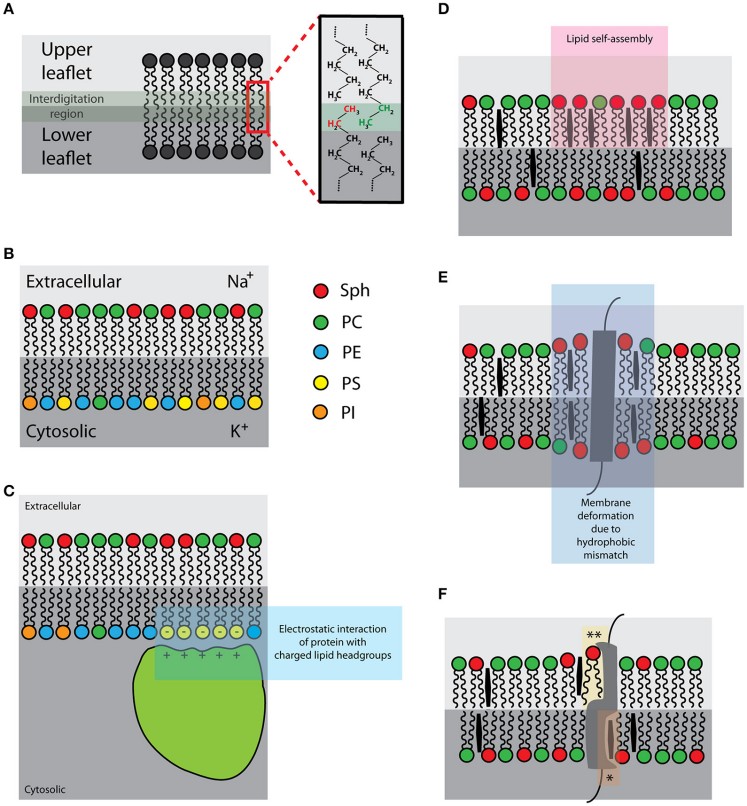
Lipids are more than energy stores.
They build membranes, regulate signaling, buffer fatty acids, and generate bioactive mediators such as ceramides, S1P, and oxylipins.
Explore how lipidomics reveals lipid functions:
https://t.co/MFKQ0zdBvY
#Lipidomics#CellBiology
Serum or plasma for metabolomics?
The answer depends on your biological question, analytes, and study design.
Learn how coagulation, anticoagulants, lipid mediators, and pre-analytical factors influence blood metabolomics results.
https://t.co/JtsWtn2J3v
#Metabolomics#LCMS
Lipidomics and metabolomics may use similar QC and statistical workflows—but lipid interpretation is more structurally complex.
Learn how annotation, isomers, nomenclature, chain length, and unsaturation change the analysis strategy.
https://t.co/w3nVEeInpB
What does spatial transcriptomics add beyond bulk RNA-seq and scRNA-seq?
It connects gene expression with tissue location, morphology, and cellular neighborhoods.
Explore the technologies, workflow, applications, and limitations: https://t.co/2EJJrCPk5R
What makes scRNA-seq different from bulk RNA-seq?
Cell barcodes and UMIs preserve cell-level expression information, revealing cell types, rare populations, and cell-state changes hidden in bulk data.
Explore our scRNA-seq guide and services: https://t.co/GPvgO8uoz8
Should your study use targeted, untargeted, or widely targeted metabolomics?
Our new guide compares LC-MS workflows, quantification strategies, biomarker discovery, targeted verification, and project selection.
Explore the blog: https://t.co/2grxyRQBCF
New blog: Plant Transcriptomics and Metabolomics for Trait Discovery and Crop Breeding
Learn how RNA-seq and metabolomics can help connect phenotype, gene expression, metabolites, pathways, and breeding-relevant traits.
Read more:
https://t.co/RdPLT0fCaE
#PlantScience
How do crops fight disease? See how transcriptomics and metabolomics connect defense genes with hormones and metabolites. End-to-end plant & animal RNA-seq: $99/sample. https://t.co/JytZDYjp9i #PlantScience
Visit us at Hall B2, Stand F250 to discuss cardiovascular multi-omics, including metabolomics, lipidomics, proteomics, and spatial omics.
https://t.co/R1Jw6SMaL6
#ESCCongress#MultiOmics