One year on...
👉 from the DEFENCE REVIEW's publication.
👉 Government has yet to confirm how our defence/ security upgrade will be funded.
👇My article in today's @theipaper
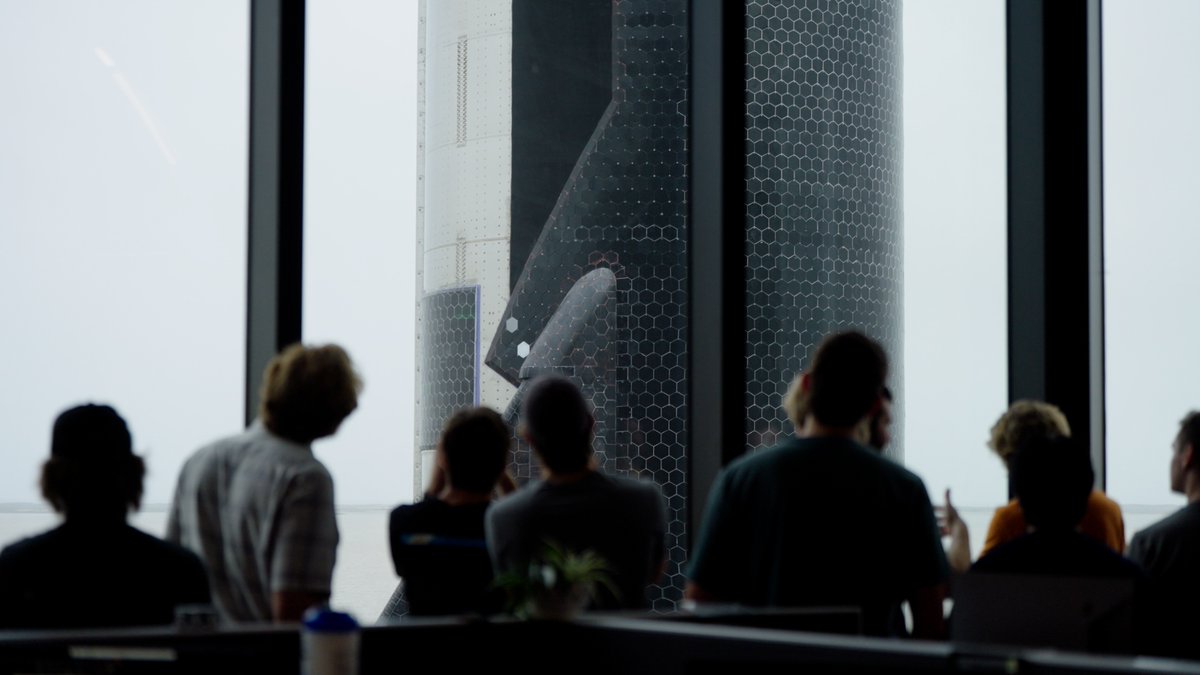
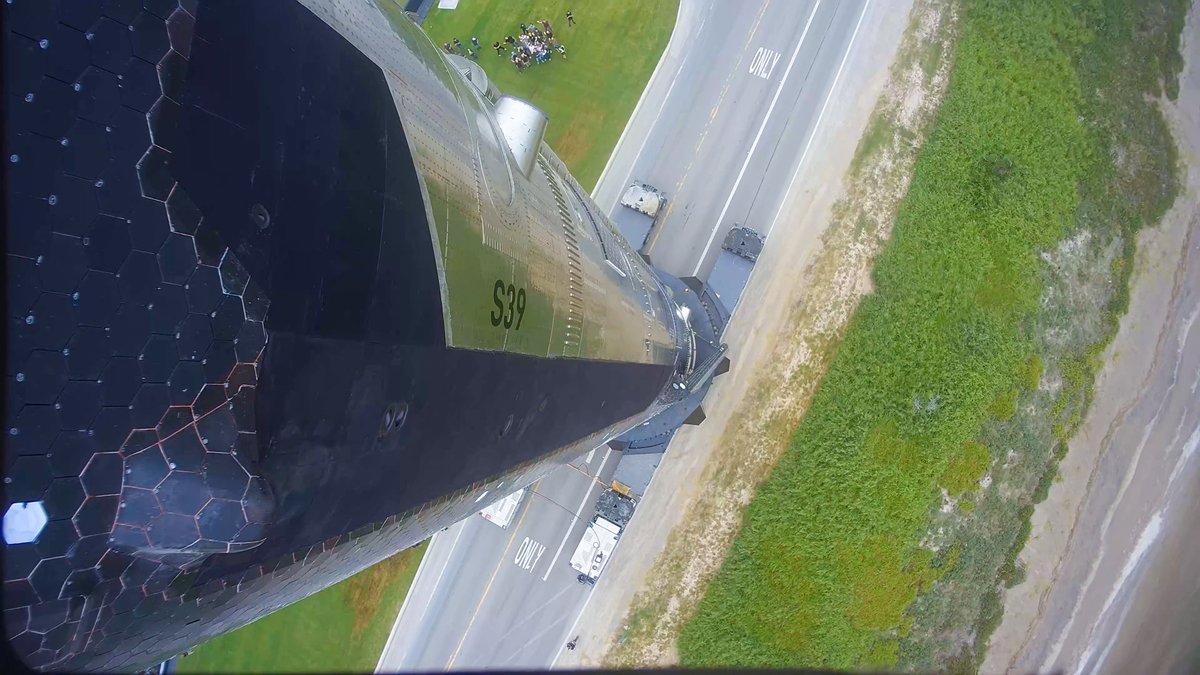
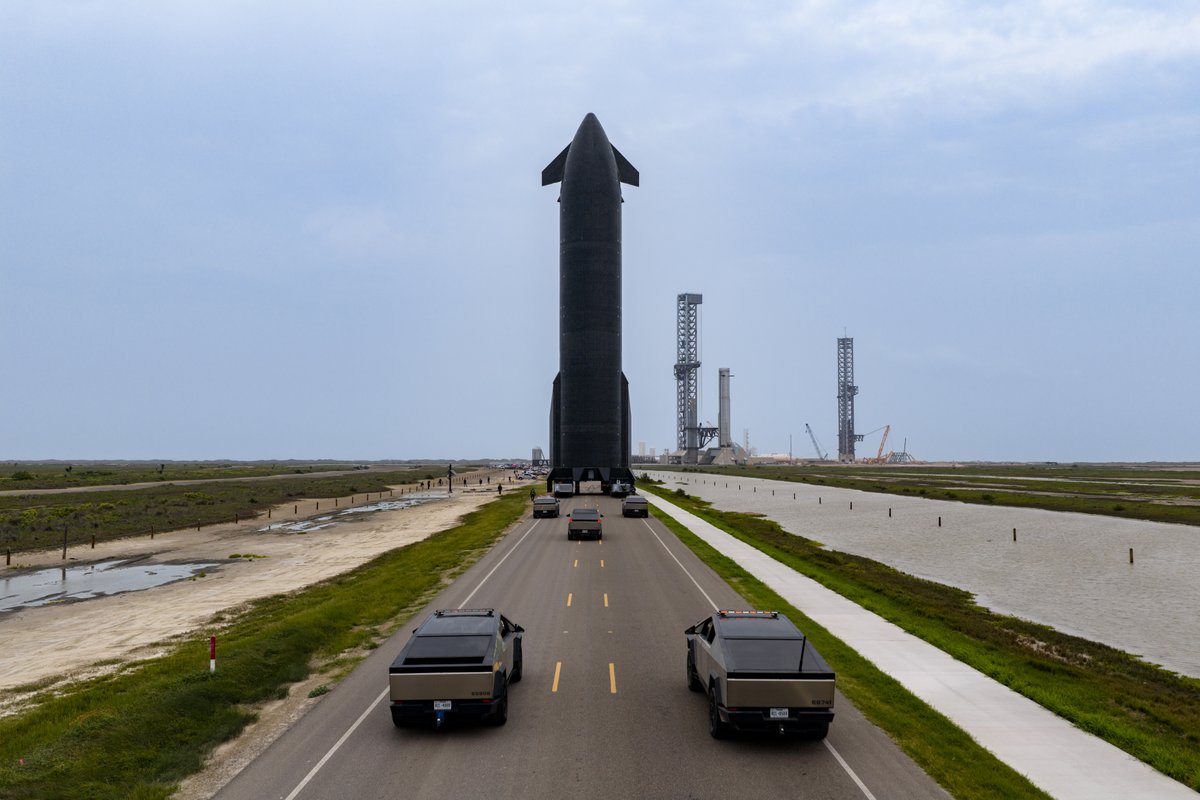
These vehicles are the first of many – made possible by the tireless effort of SpaceX engineers and technicians – and are designed to enable the core revolutionary capabilities of Starship
russians say:
“You belong to us.”
No.
I belong to Ukraine.
To the sound of our language.
To sunflower fields,
blue skies,
and people who chose freedom.
Not your empire.
#ukraine#ukrainian#ukrainians#ukrainerussiawar
May 15, 1963.
Astronaut Gordon Cooper climbed into a capsule barely larger than a phone booth and launched into space aboard Faith 7.
The mission was simple on paper:
Orbit Earth 22 times.
Stay in space for a full day.
Come home alive.
For most of the flight, everything worked perfectly.
Then, on the 19th orbit, the warning lights came on.
First, a faulty sensor falsely reported reentry.
Then the electrical system failed.
One by one, the automated controls died.
Guidance system: dead.
Orientation system: dead.
Reentry calculations: dead.
At 165 miles above Earth, Gordon Cooper suddenly had no functioning instruments to bring him home.
And reentry is unforgiving.
Too shallow, and the capsule skips off the atmosphere into space forever.
Too steep, and friction turns it into a fireball.
The difference between life and death was fractions of a degree.
Mission Control could only watch.
So Cooper became the computer.
He drew reference marks on the capsule window with a pen.
He stared at the stars he had memorized before launch and used them to orient the spacecraft by eye.
He strapped a wristwatch to his arm and timed everything manually.
Then he did the math in his head.
No autopilot.
No navigation system.
No backup computer.
Just a man, a watch, and the stars.
At exactly the right second, Cooper fired the retrorockets manually.
The capsule dropped into Earth’s atmosphere.
For several minutes, communication vanished as plasma wrapped the spacecraft in fire.
Nobody on Earth could contact him.
Then the parachutes opened.
Faith 7 splashed down just 4.4 miles from the recovery ship USS Kearsarge — the most accurate splashdown of the entire Mercury program.
Later, Cooper described it simply:
“I used my wristwatch for time, my eyeballs out the window for attitude.”
That’s it.
In one of the most dangerous moments in early spaceflight history, a human being outperformed the machines.
We live in a world obsessed with automation and software.
But Gordon Cooper’s flight is a reminder that when everything breaks, the final backup system is still the human mind.
Calm under pressure.
Thinking clearly.
Making the call when nobody else can.
It was true in 1963.
It still is.