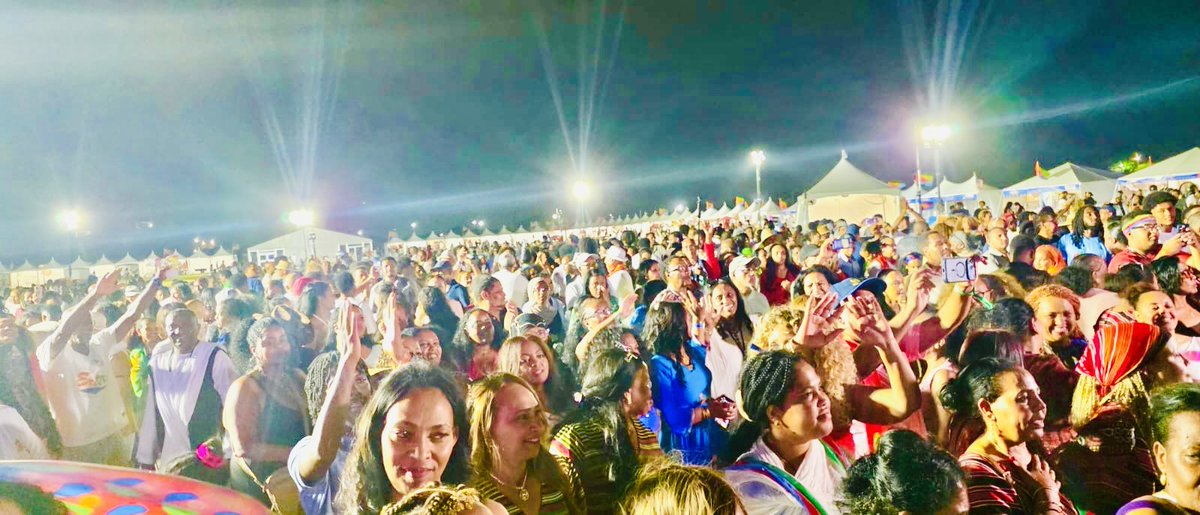
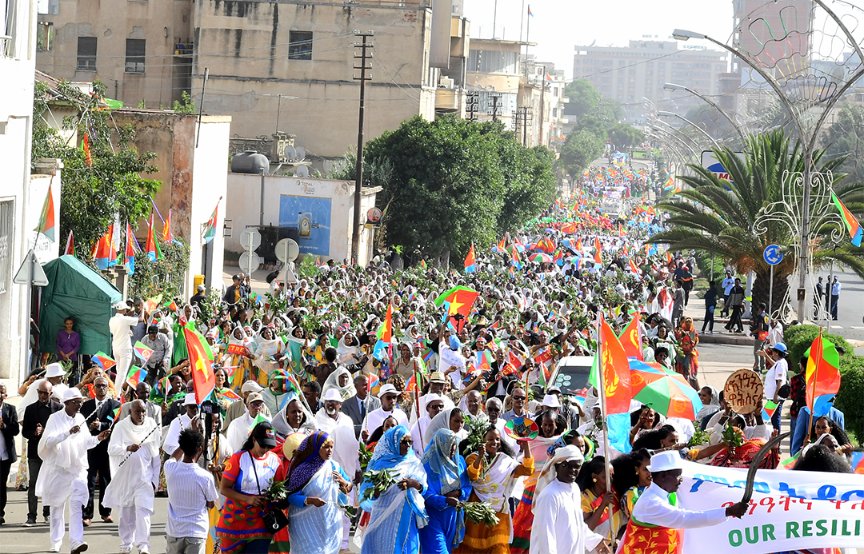
#52ndEritreanFestival in the US (2026) held in Dallas, Texas, from July 31 - August 2 on the weekend under the theme: "Our Resilience: Our Guarantee!"
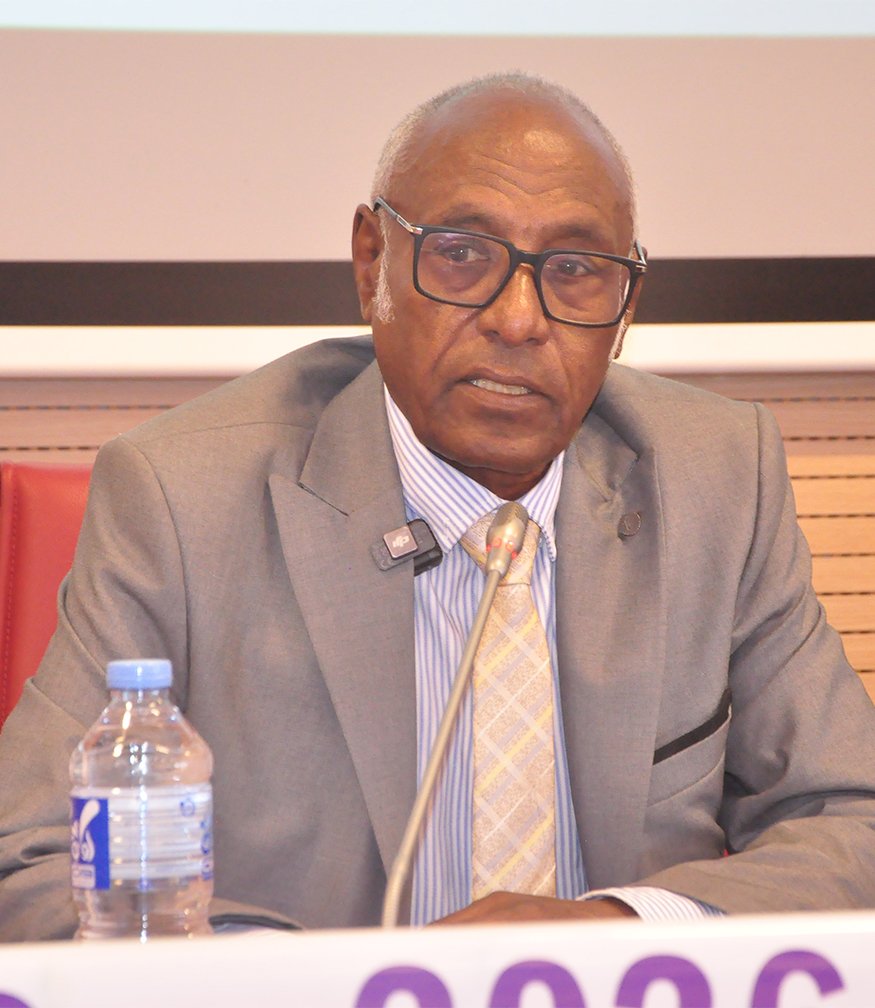
Festival graced by the presence of Mr. Yosuf Saiqh, Head of PFDJ Organizational Affairs. Opening speech by Mr. Berhane Ghebrehiwot, Charge d 'Affairs at the Eritrean Embassy in the US.
Rich variety of programmes in Festival (2026), which was attended by tens of thousands of Eritrean residents in the US, included: cultural and artistic shows; research-based presentation of Eritrea's archeological heritage; lectures/panel discussions on relevant themes by professionals in the respective fields; exhibitions on business entities owned by Eritrean entrepreneurs; seminars on current issues; books forum; as well as presentations on women's struggle for gender equity... etc.
#Eritrea: The Long Road to Independence (part III & Final); by Shabait Staff
*"...A decisive turning point came in March 1988 during the Battle of Afabet, where Eritrean forces inflicted a crushing defeat on Ethiopia’s Northern Command Headquarters. Often compared to battles such as El Alamein and Dien Bien Phu for their strategic significance, the Battle of Afabet became one of the largest and most consequential military engagements fought in Africa since the Second World War".
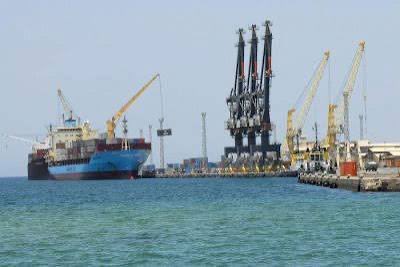
*"...Then, in February 1990, the EPLF launched Operation Fenkil, a meticulously coordinated land-and-sea offensive that liberated the strategic port city of Massawa. The operation severed one of Ethiopia’s most critical military supply routes and inflicted devastating losses on Ethiopian forces, with thousands killed, wounded, or captured. More importantly, it signaled that Eritrean independence was no longer a distant aspiration, but an approaching reality".
*"...With Massawa secured, only Asmara and Assab remained under Ethiopian control. In May 1991, Eritrean forces defeated Ethiopian troops at Dekemhare before rapidly advancing through surrounding towns and entering Asmara on May 24. Assab, along the Red Sea, fell the following day. Remnants of the demoralized Ethiopian soldiers, which had long been regarded as part of Africa’s largest and best-equipped military force, surrendered in tens of thousands. Just days earlier, on May 21, Mengistu Haile Mariam had fled into exile in Zimbabwe".
*"...Eritrea’s path to nationhood remains one of the most determined and resilient liberation struggles of the twentieth century. Against immense military odds, constantly shifting geopolitical alliances, and prolonged international indifference, Eritreans fought, endured, and ultimately prevailed. Their victory represented not simply the defeat of an occupying power, but the realization of a collective aspiration for sovereignty and dignity that generations had struggled to achieve".
*"...Today, more than three decades after independence, the legacy of the liberation struggle continues to shape Eritrea’s national identity and historical consciousness. It remains a powerful reminder of the sacrifices demanded by freedom; the consequences of the flagrant breaches of international law; and the enduring determination of a people unwilling to surrender their national rights. As Eritreans commemorate the 35th anniversary of independence, the history of that long struggle continues to stand as both a source of national pride and a defining chapter in the broader history of liberation movements".
https://t.co/ONShXfUbGu
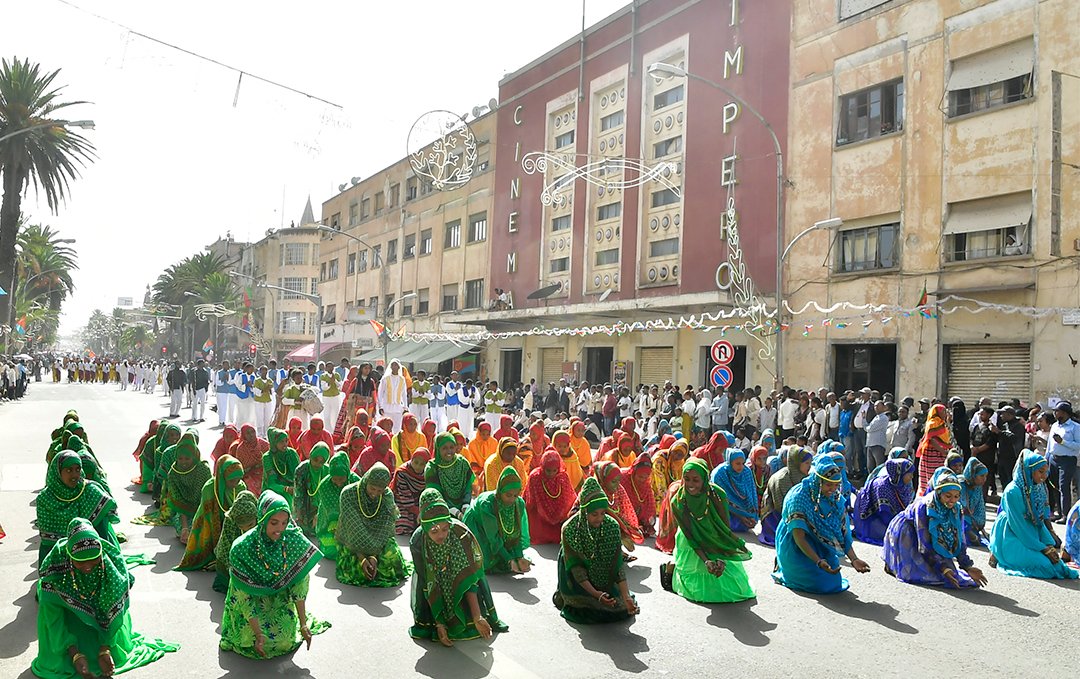
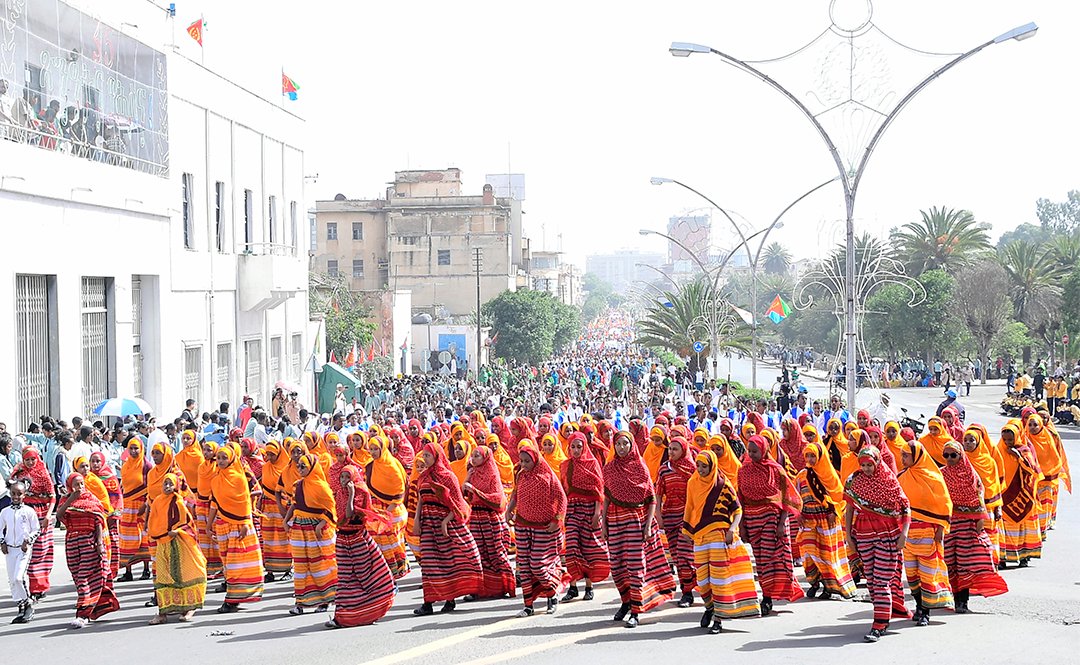
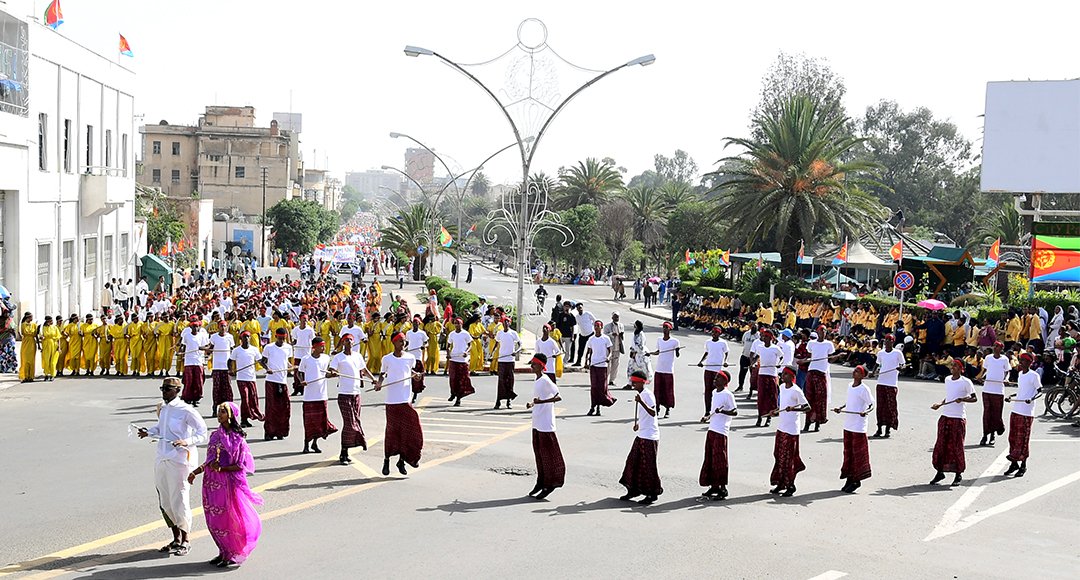
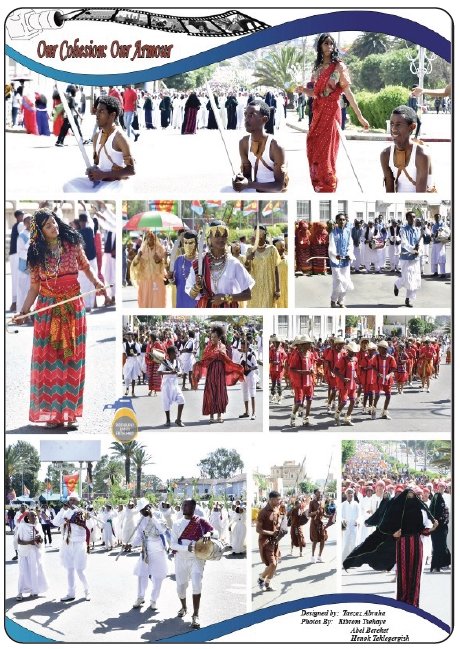
#Eritrea: Independence Day Celebrations on full swing. Street Carnival at Martyrs and Liberation Avenues in Asmara this afternoon showcasing cultural dances and fielding more than 13,000 participants from all administrative sub-zones in the capital.
Photo exhibition and documentary films also featured in festive events organized by Eritrea's Defense Forces (yesterday); and the National Union of Eritrean women (this morning), respectively.
Independence Day Anniversary Celebrations
The Commission of Culture and Sports has announced that the 35th Independence Day Anniversary will be celebrated under the theme “Our Resilience: Our Guarantee.”
The Commission further noted that the detailed programs for the Independence Day anniversary at the national level will be announced in the near future.
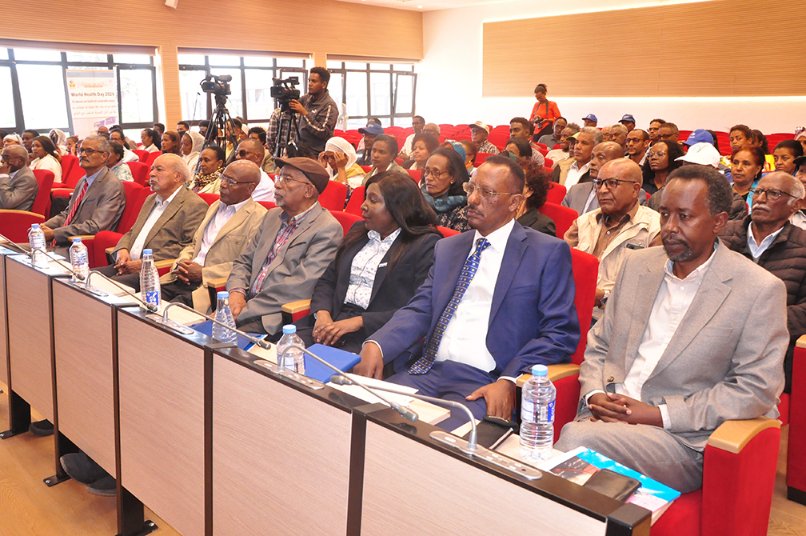
World Health Day (2026) commemorated at NCEW Hall today under the theme: "Together for Health; Stand with Science".
Opening remarks by Dr. Andeberhan Tesfatsion, Acting Director General of Public Health Department at the MoH, that focused on foundational premises of GOE health policy as well as key parameters of MoH's five-year (2026-2030) strategic plan for sectoral growth.
Speeches by Dr. Mary Stephen, WHO Country Representative, and, Mr. Abdullahi Mohammed, UNICEF Resident Representative, who attested to the following substantive sectoral progress achieved by the MoH in the past years:
*Life expectancy has increased from 55 years in 2000 to 68 Years in 2025;
*Under-five mortality rate has declined by 78% from 153 per 1000 live births in 1990 to 34 per 1000 in 2024;
*Maternal mortality rate has declined by 60%
*Strong gains have been achieved in control of communicable diseases;
*Eritrea continues to maintain high immunization coverage of over 95%; which is contributing to improved child survival.
Event also featured vibrant panel discussion on "Human Health, Animals, Plants and Environment" with experts from the Ministry of Health and relevant stakeholders; notably the Ministry of Agriculture as well as the Ministry of Land, Water and Environment.
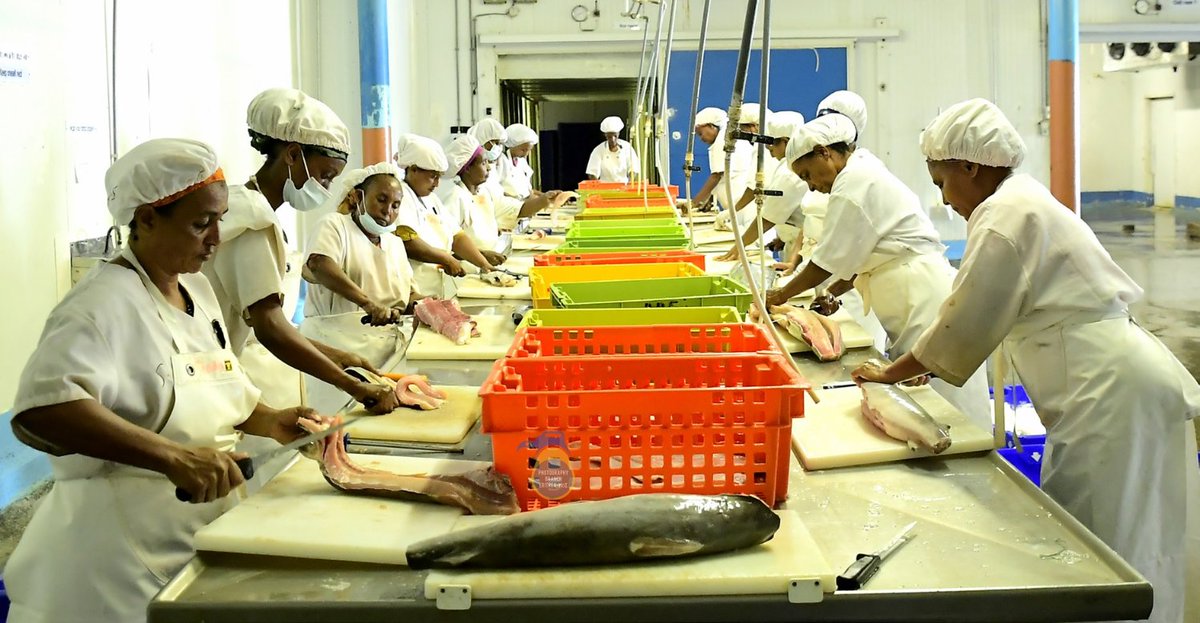
#Eritrea - Expanding the Blue Economy: Substantial Growth in Fishery; by Mussie Efriem
"...Eritrea’s marine territory is home to a remarkably diverse range of fisheries categorized by their specific ecological roles and harvesting methods. The soft-bottom demersal habitats are primarily exploited by industrial trawlers targeting species such as lizardfish, threadfin bream, catfish, and high-value shrimp. In contrast, the hard-bottom and reef environments support a vibrant ecosystem of food and ornamental fish such as snappers and groupers, which are harvested by artisanal fishermen using traditional hook-and-line techniques. The water column is divided between small pelagic, such as sardines and anchovies, targeted by beach and purse seines, and large pelagic, including tuna and mackerel, which are typically caught by gill nets. Beyond standard finfish, Eritrea has lucrative specialized resources such as sea cucumbers (locally known as hi’dra), snail shells, and trochus shells, along with a variety of shellfish, including crabs, lobsters, and cephalopods such as squid and octopus. While the region also supports a shark fishery, it is frequently driven by the high market value of fins".
https://t.co/2E4zXDh8rA
In the wake of its leader's perplexing discourse at the Ordinary Session of the House of Representatives early this week, the Potemkin Party's degenerative moral/ethical compass; its habitual and incorrigible penchant for resorting to abject lies as an instrument of policy; its trademarks of betrayal and abhorrent opportunism; its reckless propensity to stoke multiple conflicts in pursuit of elusive "personal Grandeur" etc. have become glaringly obvious to all political observers of the region.
Indeed, these days, the constant refrain among former officials and allied parties (letter of former Deputy PM and Foreign Minister); broad segments of the Ethiopian people; as well as large sections of the diplomatic community in the Horn revolves around the Machiavellian mindset; the unconscionable distortion of facts and events the PP's leader routinely peddles to advance his reckless agendas. "ሓሳውን ቆርበትን እንዳሓደረ ይፈኮስ"፡ ከምዝበሃል!
Guess who is lying?
A) Abiy claims Ethiopia built the controversial GERD dam without taking a single dollar in help or loans from anyone.
B) Trump repeatedly said Ethiopia’s large dam GERD is financed by the United States.
So, who do you think is lying?
Remember, Abiy also said in a different context that Ethiopia is a beggar nation that often lives off begging from everywhere.
Good Read - #Eritrea: Living Symbols of a Resilient, Patient, Richly Diverse Nation; by Bana Negusse
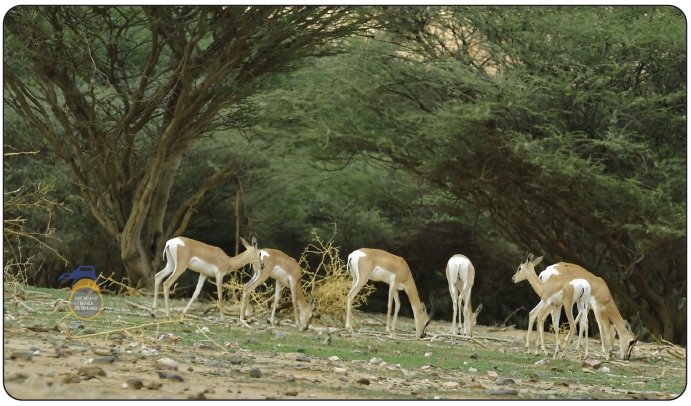
*"...In the Horn of Africa, Eritrea, with its diverse landscapes – from deserts and mountains to rugged hills and pristine seas – carries a rich tapestry of wildlife, each species offering a lens into the nation’s character. These animals are more than just inhabitants of the land and waters; they are living symbols of Eritrea’s resilience, patience, diversity, and abundance, embodying the stories, struggles, and strengths of its people".
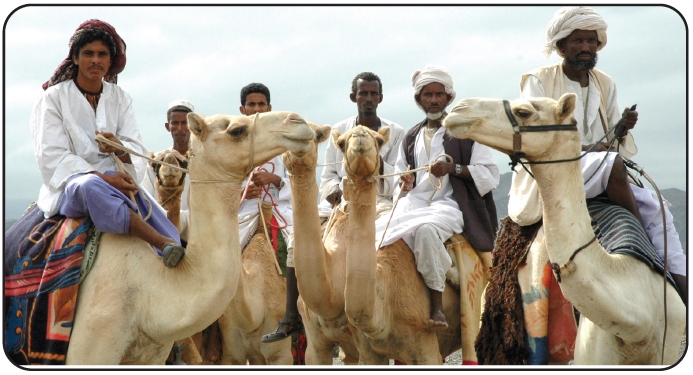
*"...At the forefront of these symbolic creatures is the camel, prominently featured on Eritrea’s national emblem and even on its currency, the Nakfa. Camels are remarkable animals, embodying resilience, endurance, and adaptability – qualities honed by their ability to survive in harsh desert environments where few others can. In Eritrea, camels played a critical role during the long struggle for independence, transporting fighters, supplies, and resources across treacherous landscapes. They mirror the Eritrean people’s resilience and capacity to adapt to ever-changing challenges".
*"...Their unwavering focus is captured in the famous Eritrean proverb: “The camel marches while the dogs bark,” a saying that resonates given the persistent media attacks and external rhetoric the nation has faced and continues to confront. Even today, camels powerfully symbolize the country’s steadfast endurance through unjust sanctions, external pressures, and environmental and climate challenges".
*"...Eritrea’s natural diversity extends to its seas. With an extensive Red Sea coastline that is one of the longest in Africa, the country’s waters surrounding hundreds of islands host over 1,100 fish species and 44 genera of hard coral, creating one of the highest levels of marine species diversity and endemism recorded anywhere. Around 18 percent of fish species and 20 percent of coral species are endemic to these waters. This rich marine life mirrors Eritrea’s broader abundance of resources and potential, from minerals and landscapes to perhaps its most treasured asset: its people".
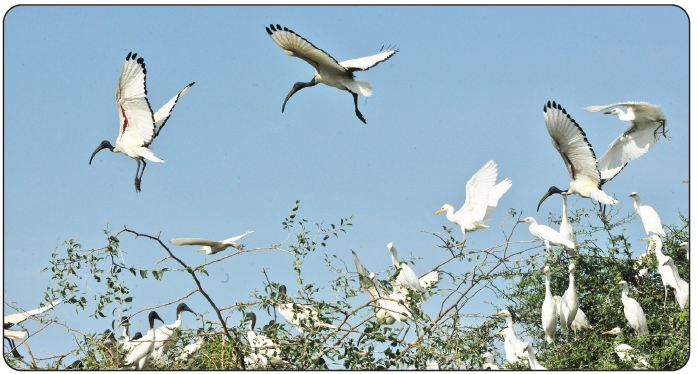
*"...Together, Eritrea’s symbolic animals reveal a nation defined by resilience, patience, diversity, and abundance. They offer more than reflection – they provide perspective, showing how enduring values and collective strength shape a country’s identity and potential. Beyond their individual traits, these creatures collectively mirror Eritrea’s cultural identity and historical experience, from the endurance of camels to the freedom of birds and gazelles. In this way, the story of wildlife becomes inseparable from the story of the nation itself".
https://t.co/9VPKJ8PBw1
Good Read - #Eritrea: Harnessing Diversity for Unity and Development; by Bana Negusse
"Eritrea’s steadfast commitment to social justice and equality has played a central role in promoting inclusion across all segments of society. Beyond enriching the nation socially and economically, this commitment has been instrumental in strengthening national peace, stability, cohesion, and harmony. By consciously managing diversity through equitable policies, inclusive institutions, and shared values, Eritrea underscores a fundamental truth: unity is not the absence of difference, but the collective determination to ensure that difference becomes a source of strength rather than division".
https://t.co/8nChn7lrUj
Just arrived in Doha, Qatar for the 2nd World Social Summit #SocialSummit2025 and trying to catch up with developments in the #Horn region. There is a lot…Call it what you will, Talktoberfest, Wish-toberfest, or even Oktobersiege, October 2025 offered #Eritrea|ns a smorgasbord of PP proclamations, fantasies, and recycled absurdities. Sad to see Ethiopian diplomacy sink this low.
Renowned Ethiopian diplomats must be turning in their graves, watching today’s statecraft replaced by TikTok theatrics. Who could’ve imagined their successors trading diplomacy for skits and hashtags? TikTok diplomacy was surely not the legacy they envisioned…
Prime Minister Abiy Ahmed’s latest hunt for “documents” on Ethiopia’s landlockedness may be the season’s most bizarre spectacle. One would think his predecessors already archived every imperial map, myth, and maritime delusion ever dreamt up in Addis Ababa. Surely, he’s not the only “woke” Ethiopian… is he?
Abiy’s monologue before Parliament was not for lawmakers but for foreign diplomats and donors, a performance aimed at justifying his ambitions toward #Eritrea. His message was deliberate: when he acts, none can feign ignorance.
Emboldened by decades of Western indulgence, successive Ethiopian regimes have waged wars of aggression under the illusion that #Ethiopia is “too big to fail.” That culture of impunity now fuels PP’s reckless bravado and aggressive moves to annex the Port City of #Assab…
Abiy peddles the illusion that #Ethiopia|s governance is superior to #Eritrea’s, as if that entitles him to tamper with #Eritrea’s sovereignty. Yet his record, drone massacres of his own people, mass internal displacement, and bloody internal wars, disqualifies him from any moral high ground. International law will never grant him license to annex #Eritrea|s ports.
#Ethiopia has never been denied access to the sea. It enjoys multiple maritime routes through #Djibouti, #Kenya, and #Somalia, and could access Eritrea’s ports within a framework of mutual respect. But population size or nostalgia cannot justify violating another nation’s sovereignty.
Cooperation is welcome, when founded on equality, not delusion. Geography does not oblige #Eritrea to compromise its sovereignty. Peace, as the Second World Social Summit reminds us, begins at home and within one’s own borders. #Eritreans, of course, have long understood that truth.
Potemkin Party (PP) trolls feign annoyance, get into hysterical commotion, and disparage Eritrea's routine diplomatic activities and/or Presidential visits to some country. And they have the audacity to portray Eritrea as a "lackey and doing the bidding of" some foreign country; these days, the tantrum is on "Eritrea-Egypt" ties!
Need to remind them to swallow these dosage of reality in historical terms. Indeed:
* It is the Ethiopian regime which solicited the diplomatic and political clout of the US to suppress Eritrea's right of decolonization in the 1940s. The overwhelming historical evidence on these machinations have since long been available in the public domain.
*Ethiopian regimes relied on US and Israeli military and technical support in the first decades; and on USSR (and Allies) massive military support in the later decades in their attempts to defeat Eritrea's thirty year war of national liberation. This is yesterday's history fresh in the minds of the contemporary generation (including Gen Z) and that cannot be whimsically erased or wished away.
*Even these days, the Potemkin Party relies heavily on massive international development assistance; opaque ties of dependence on some countries; and IMF bailouts as it pursues belligerent, reckless and unlawful policies against its neighbour under the agenda of "sovereign access to the sea".
Eritrea's policy choices of self-respect and political independence are otherwise well known to merit elaboration.
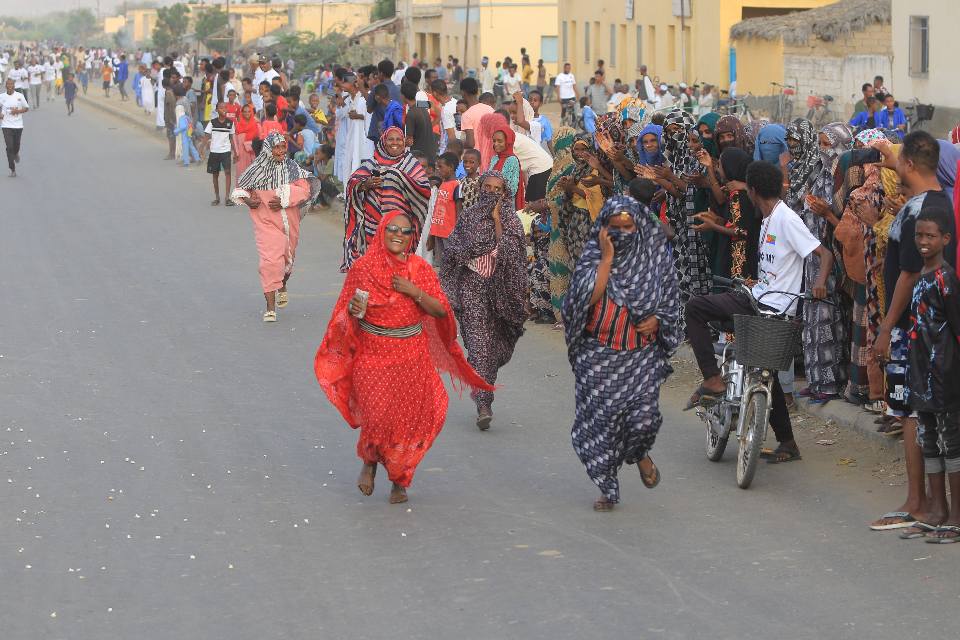
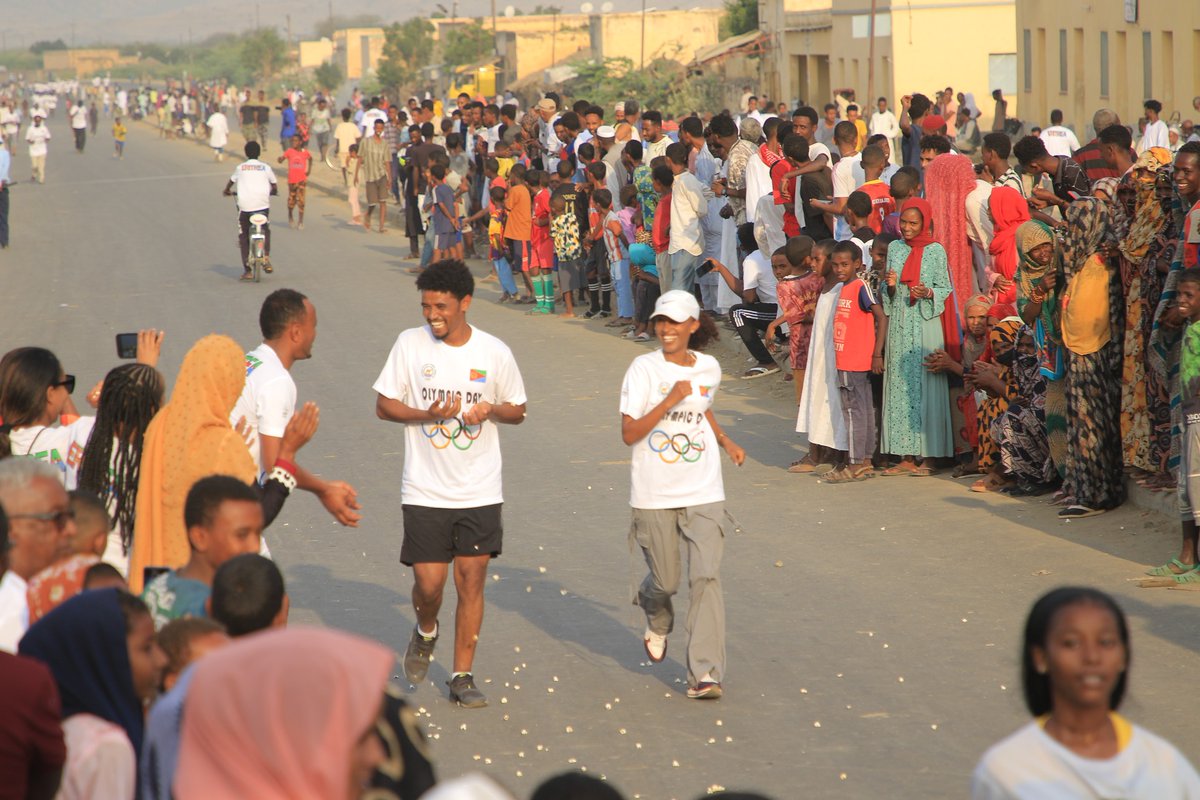
#Eritrea World Olympics Day observed at national level
World Olympics Day was observed at the national level in Akordet on 1 November. The event was attended by senior Government and PFDJ officials, as well as heads of national and regional sports federations.
📷 Ghebretnsae Damr