Thoreau famously said “Beware any endeavors requiring the purchase of new clothes or any human who states ‘I spent 100+ hours researching XYZ so you don’t have to’, as both are fraught with peril.”
LOTS of opinions about #Grok3’s Top 10 Horror Movies to Watch — so we had to ask it for #11-25. Carpenter’s “The Thing” made it this time, but what do you think of these other picks?
11. Rosemary’s Baby (1968)
12. The Thing (1982)
13. It (2017)
14. The Blair Witch Project (1999)
15. Friday the 13th (1980)
16. The Conjuring (2013)
17. Night of the Living Dead (1968)
18. Saw (2004)
19. The Ring (2002)
20. Get Out (2017)
21. Poltergeist (1982)
22. The Witch (2015)
23. Carrie (1976)
24. Hellraiser (1987)
25. Child’s Play (1988)
Did your faves crack the Top 25? Is this list now better…or worse? Comment so @elonmusk knows how his AI does with horror movies.
We asked #Grok3: "What are the Top Ten Horror Movies someone should watch?" This was its answer. What do you think of this list?
1. The Exorcist (1973)
2. Halloween (1978)
3. The Shining (1980)
4. Alien (1979)
5. Psycho (1960)
6. Jaws (1975)
7. A Nightmare on Elm Street (1984)
8. The Texas Chainsaw Massacre (1974)
9. Scream (1996)
10. Hereditary (2018)
Spot on? Way off? Comment so loud @elonmusk will hear you.
Detroit’s famous Whitney Mansion conceals a darkness. Something sad and angry stirs here — felt by visitors and those who work in its halls. Built in the late-19th Century, this beautiful old structure teems with restless souls…
Built in 1894 by lumber baron David Whitney Jr., one of Michigan’s richest men, The Whitney cost $400,000 — over $14M today. With an exterior of pink South Dakota jasper, the 21,000-sq-ft mansion boasts 52 rooms, 218 windows, 20 fireplaces, and even holds a secret dining room vault.
Its priceless Tiffany glass windows feature room-specific themes that honor the Whitney family’s rich history and royal bloodline. It was also the first home in Detroit to feature a personal elevator — more on that momentarily.
David Whitney met his sad end here in 1900 — his heart seizing when he heard the news that his daughter, Grace, had fled to Europe.
Flora, his first wife, withered away, dying in 1882 and Sara, his second wife, would follow in 1917.
Later, the home would serve as a tuberculosis ward, staining its halls with still more death and despair.
In 1986, the majestic house was converted into an upscale dining establishment, and it seems the renovations may have stirred up spiritual turbulence.
Since then, all three floors have been the site of inexplicable phenomena.
David is said to stalk the second story. One evening at closing, a staff member reported seeing an older gentleman in a grey suit gazing out of the second floor dining room window; when he was asked to leave, the figure vanished down into the floorboards.
Empty rooms echo with clinking silver and scraping chairs, as if ghostly diners linger, attended by phantom help.
The carriage house hums with spectral childrens’ laughter, linked to Grace; her tea set, if shifted, triggers loud bangs, flickering lights, supposedly even shrieking until returned to its correct position.
EVPs have caught whispers — a child’s giggle, a hissed “leave” — while a white-shrouded figure drifts the upstairs Ghostbar’s edge, (named for the restaurant’s spirits…and spirits). A pronounced cold grips the grand stair, the atmosphere thick with unseen eyes.
And that elevator we mentioned? It seems to traverse all levels by itself, ridden by unseen passengers, with security cameras showing empty cars and doors opening to dead-drop shafts gaping in silence.
If you should visit Detroit, be sure to make a reservation...and hold the elevator door an extra few moments as a courtesy. The Whitney’s gilded walls trap more than history — they clutch the lost, daring you to sit among them.
They also pour a mean drink.
If you enjoyed this story, give a like and follow us for more history, horror, and the supernatural!
On October 11, 1907, the S.S. Cyprus set sail for Buffalo, NY from Wisconsin, crossing the treacherous expanse of Lake Superior.
Laden with iron ore, it was just her second voyage. The 420-foot steel-hulled steamer and her crew wouldn’t live to see another…save for one.
As dusk fell, a gale from the northwest began to stir the lake waters to growing frenzy. The Cyprus, deemed sturdy by all accounts, nevertheless listed ominously to port under the relentless, battering waves.
Sighted by the S.S. George Stephenson out of Pittsburgh, Cyprus struck a dreadful image. As though mortally wounded, she was trailing a wake as red as blood.
At a quarter to 8pm, with no warning but a sudden, awful groan from her hulking frame, she capsized.
In abject terror, the crew scrambled for their lives. Only four managed to cling to a raft, including her captain, F.B. Huyck. The rest were dragged down amid the stabbing pain of the lake’s icy grasp as Cyprus sank.
Around 2am, nearing the witching hour, the remaining men were teased with false hope as they came within a few hundred feet of shore. But the lake wasn’t done with them.
The heartless waves overturned the raft repeatedly, as if shaking them loose to ensure their doom, leaving but one man to tell the tale — Second Mate Charles G. Pitz.
The bedraggled Pitz, half-drowned and half-frozen, washed ashore near Deer Park, MI, his mind a maelstrom of horrors.
The Cyprus lay somewhere below in a tomb for all but him, its location a mystery for a full century, until in 2007, divers found it in lonely repose at the bottom of the lake, her name still visible on the stern like a headstone.
The tale of the Cyprus, with its lone survivor and bloody wake — suspected in hindsight to be the mixing of water with iron dust, the same element that gives human blood its crimson hue — calls out as a ghostly reminder of the pitilessness the Great Lakes, where even the halest can be brought low, leaving nothing behind but legend.
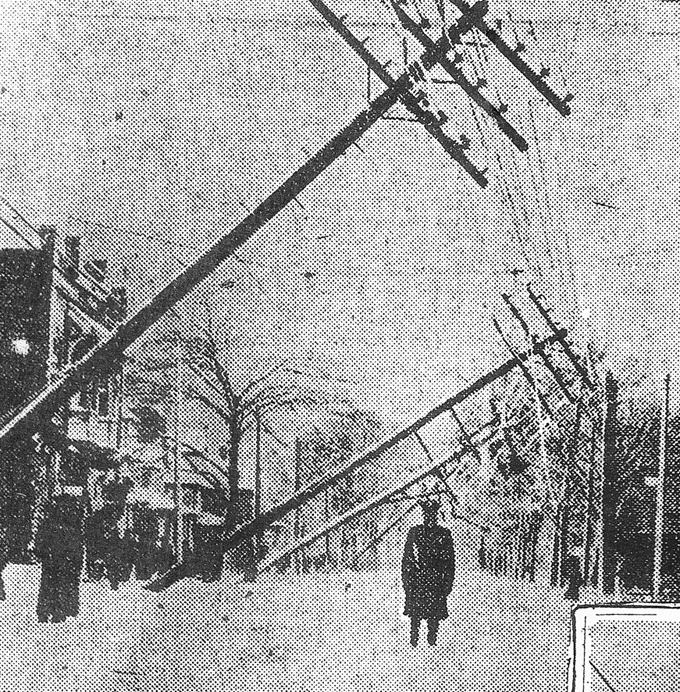
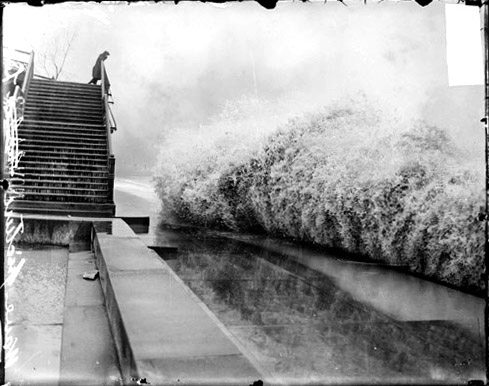
As winter storms loom over the U.S. and Canada, we’re reminded of a truly chilling tale — the Great Lakes Storm of 1913.
Sailors at the time swore the storm was so fierce and cruel it possessed an evil will of its own, something old timers called a “November witch.”
On November 7, under a deceptively calm sky, the storm seemed to bide its time, brewing silently over the entire Great Lakes. Suddenly, as if signaled by an unseen hand — all hell broke loose.
The storm quickly became known as the "White Hurricane," unleashing winds over 90 mph, creating waves that towered 50 feet or more. Sailors, used to the unpredictable mood of the lakes, were nonetheless caught off-guard; they described the water as boiling and the skies as black as night at noon.
By the 9th, the storm had turned into a nightmare of biblical proportions.
The lakes, vast and indifferent, turned into white-capped graveyards as waves washed crewmen overboard, winds shrieked like banshees, and snow whipped and blinded those brave sailors unlucky enough to be on duty, including many of the E&M line.
The storm’s fury swallowed huge ships like the Charles S. Price and Henry B. Smith whole, taking the secrets of their crews’ horrifying last moments down with them into an ice water tomb.
The witch would devour ships on four of the five Great Lakes, with a particularly hunger for those sailing Lake Huron. This wasn't just weather; it seemed to be a force of nature that resented human intrusion.
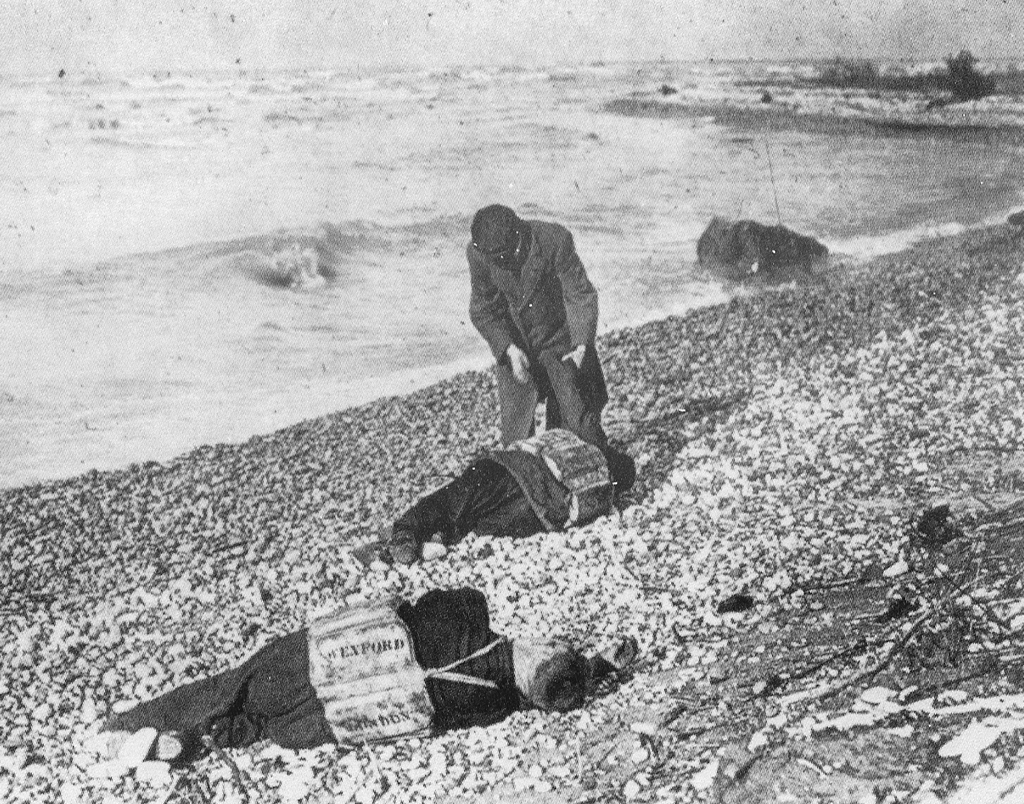
By the end, 19 ships and well over 250 souls would be lost to “The Big Blow of 1913,” many bodies never being recovered.
The "White Hurricane" remains a terrible reminder of Great Lakes’ unforgiving, almost supernatural power. What secrets still lie beneath those waves; what spells the November witch could yet conjure, only history can whisper.
Well, and now for the after work with the KPMG resource management group to help reallocate and shift resources to cover for the reduction in work hours from the shift away from consultants.