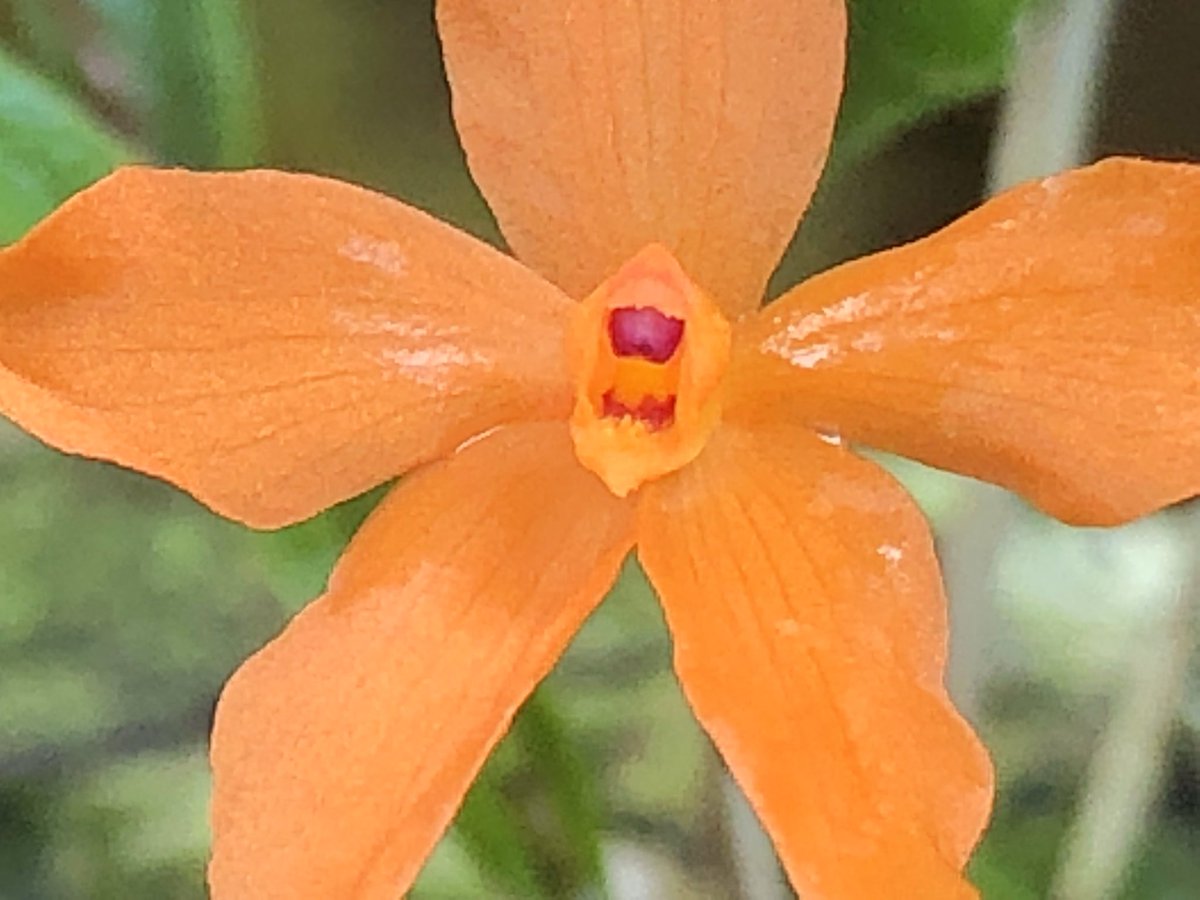
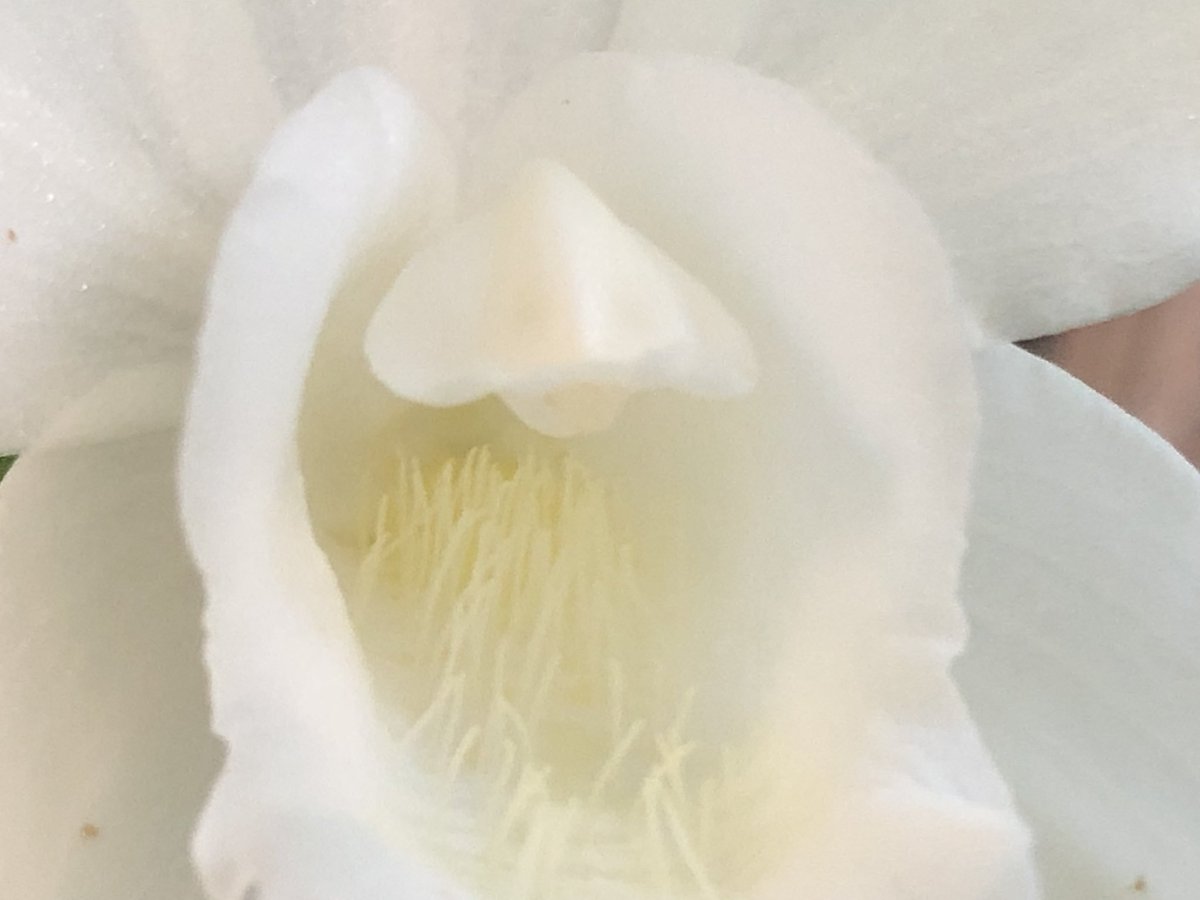
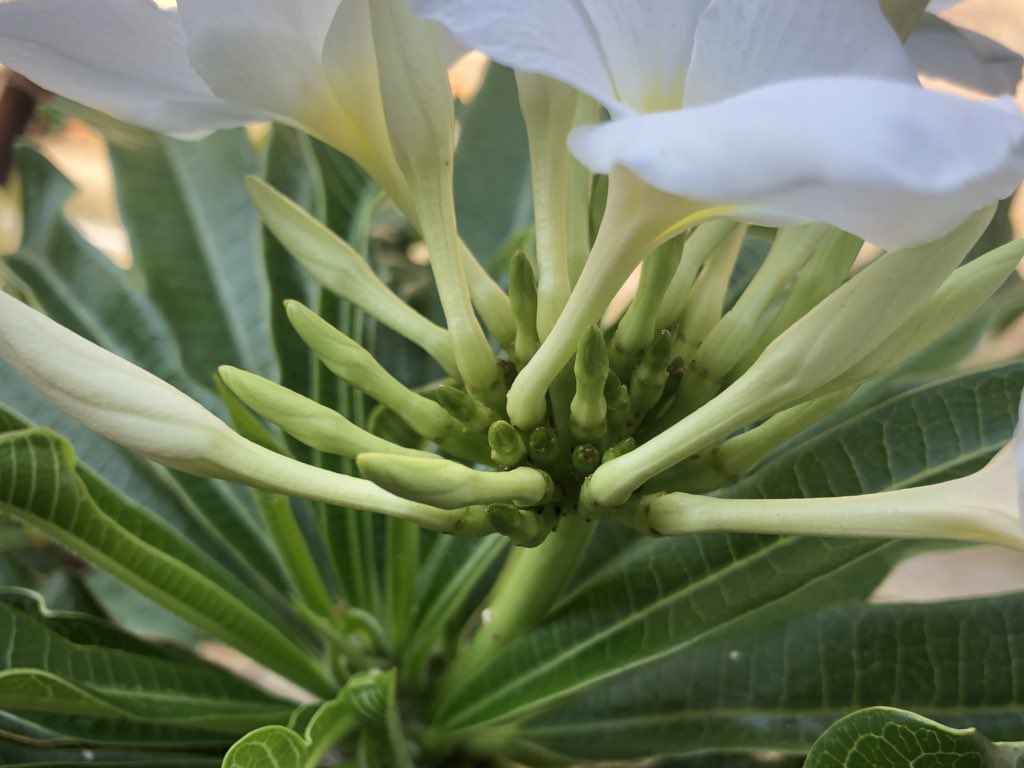
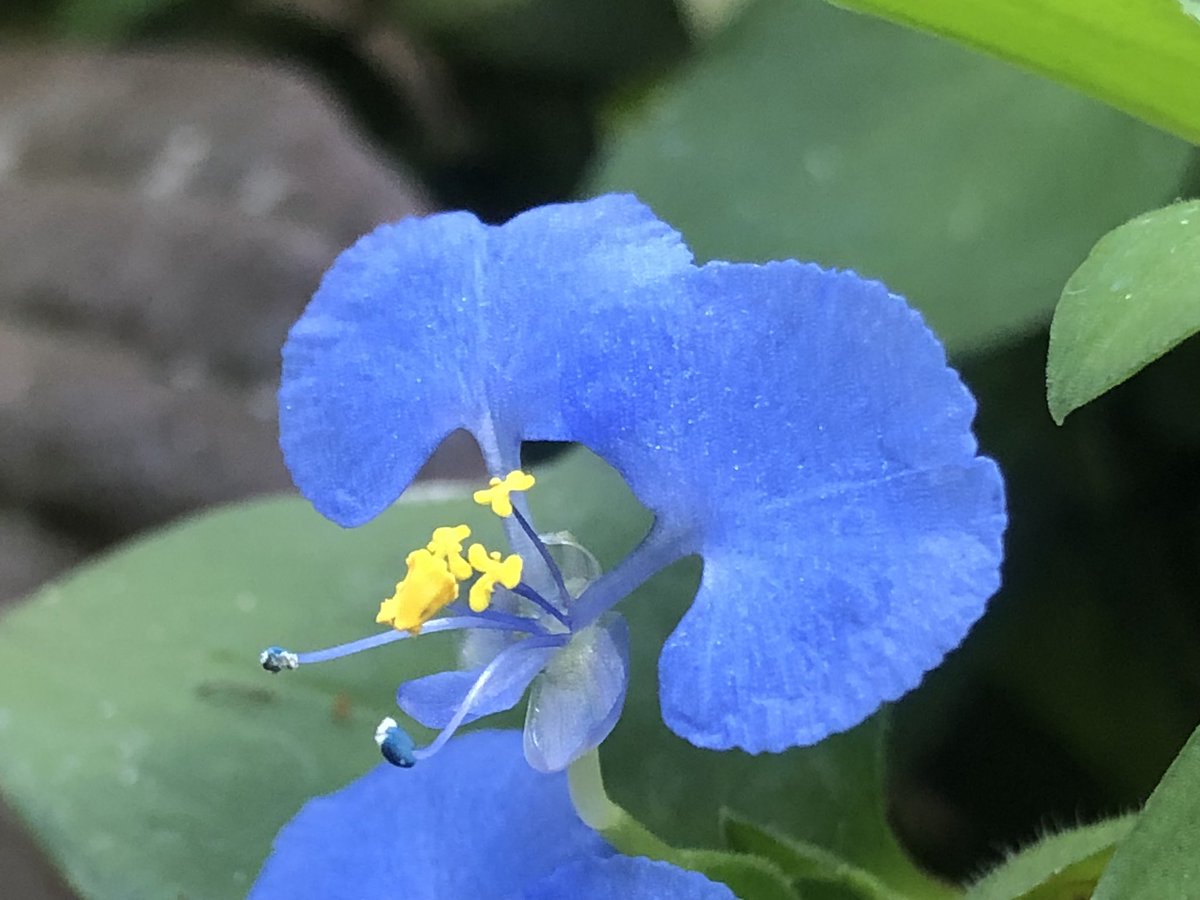
Help me raise £4855 to save a world renowned collection of rare Stanhopea orchids, with extensive conservation value and scientific interest.. Please #donate on @justgiving and RT. Thanks! https://t.co/46s1oE61Qc
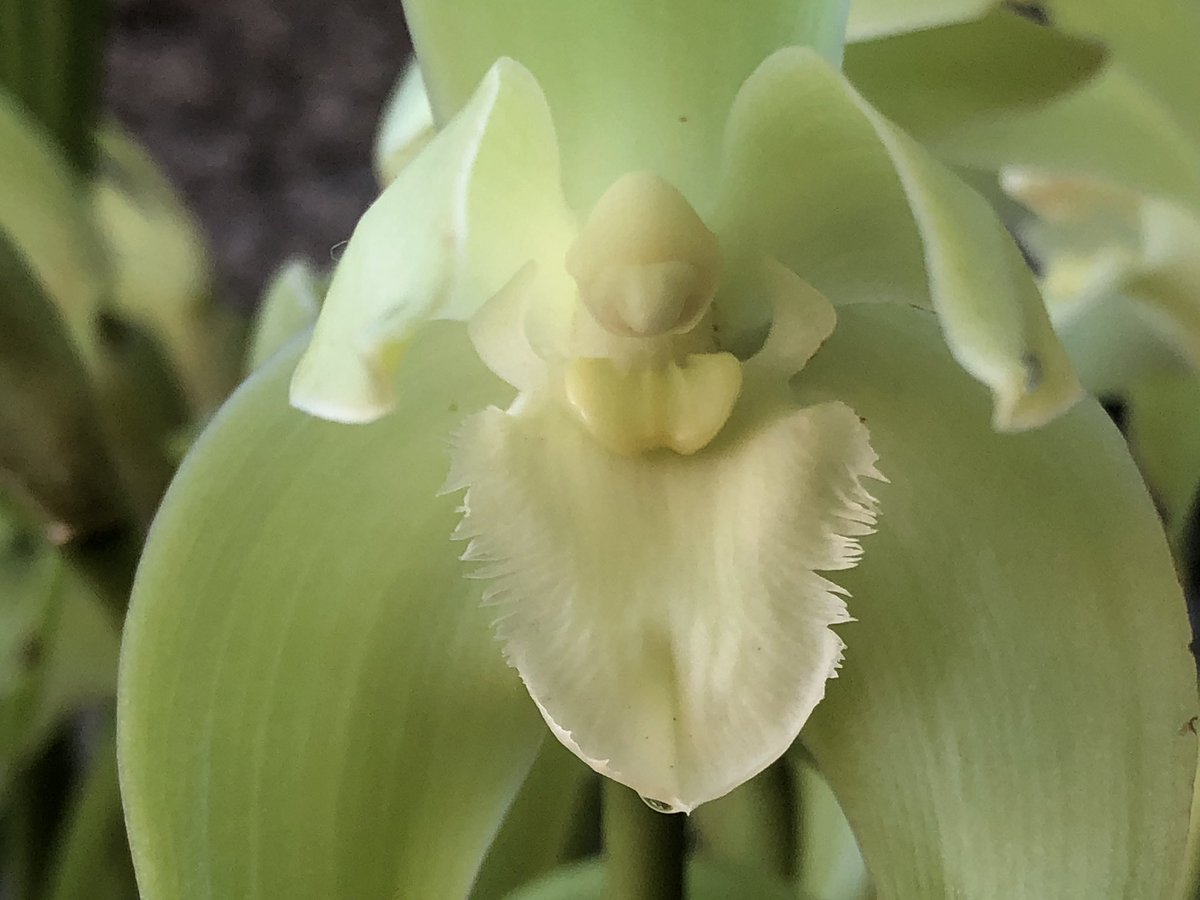
Ida lanipes, now known as Sudamerlycaste ciliata, endemic to the Andean Cordillera. The night scented flowers have neutral phototropism (they face random directions) and have nectaries right behind their lips. I wonder what kind of animal pollinated this species. Any thoughts?
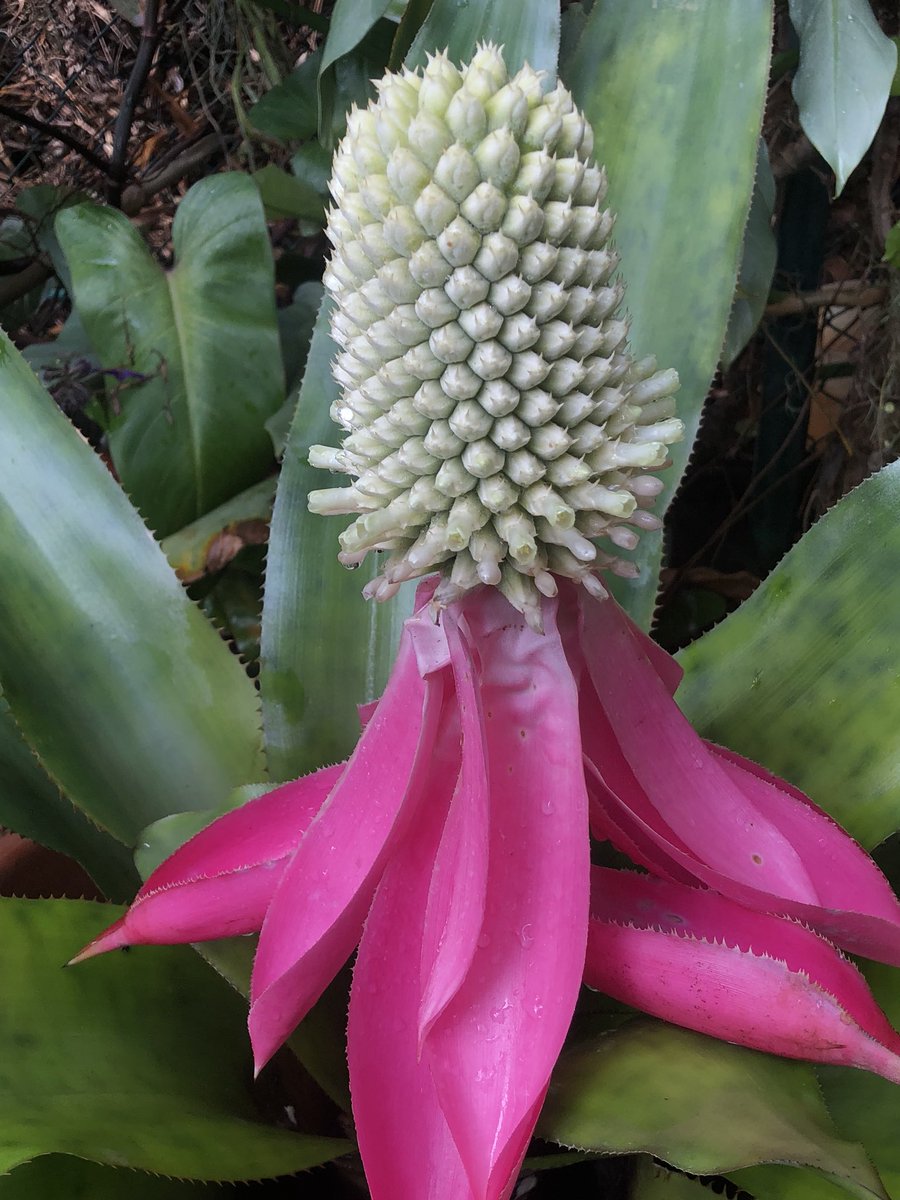
Aechmea mariae-reginae, a stunning bromeliad from Central America. It’s the only dioecious member of the genus. I’ve seen it used as a sceptre during religious ceremonies in Costa Rica. The plant in the photographs is a female and took eight years to bloom from a small pup.
Neocogniauxia monophylla, a seldom seen, cool growing plant from the higher elevations of Jamaica. Even though it looks like a Sophronitis, DNA has shown it is more closely related to Pleurothallis and Masdevallia.
The stamens of the Mauritian bellflower, like other members of the same family, do not play any role during the pollination process. They deposit the pollen around the central style and then wither away before the bloom opens. This is known as secondary pollen presentation.
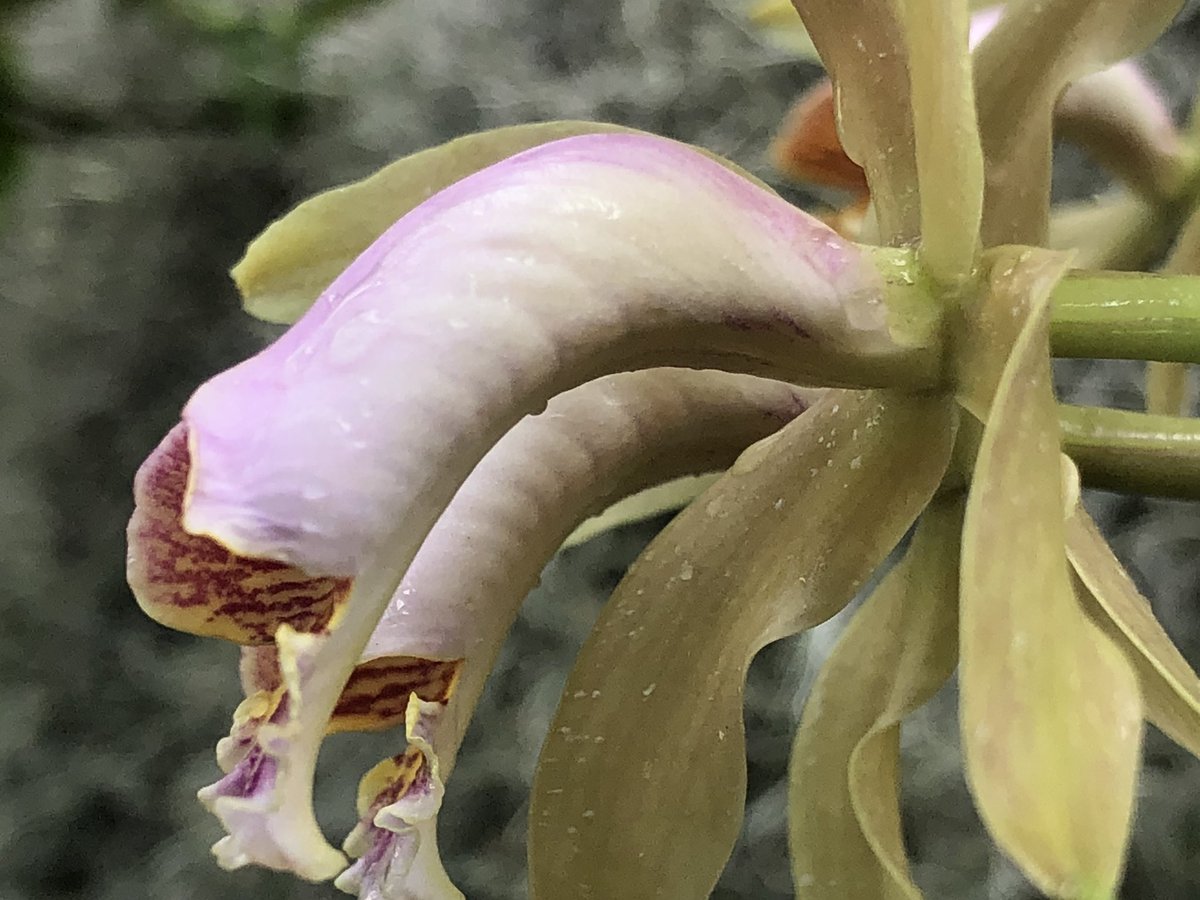
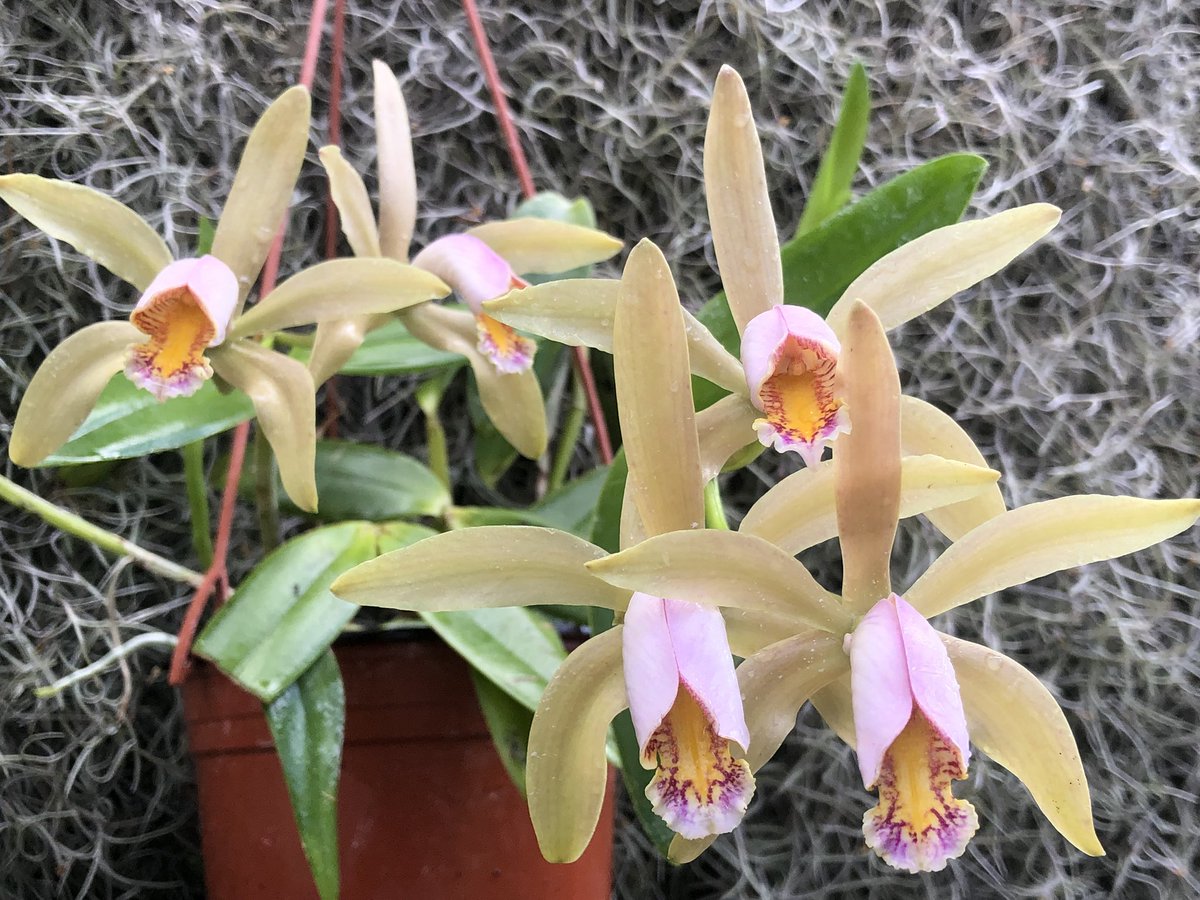
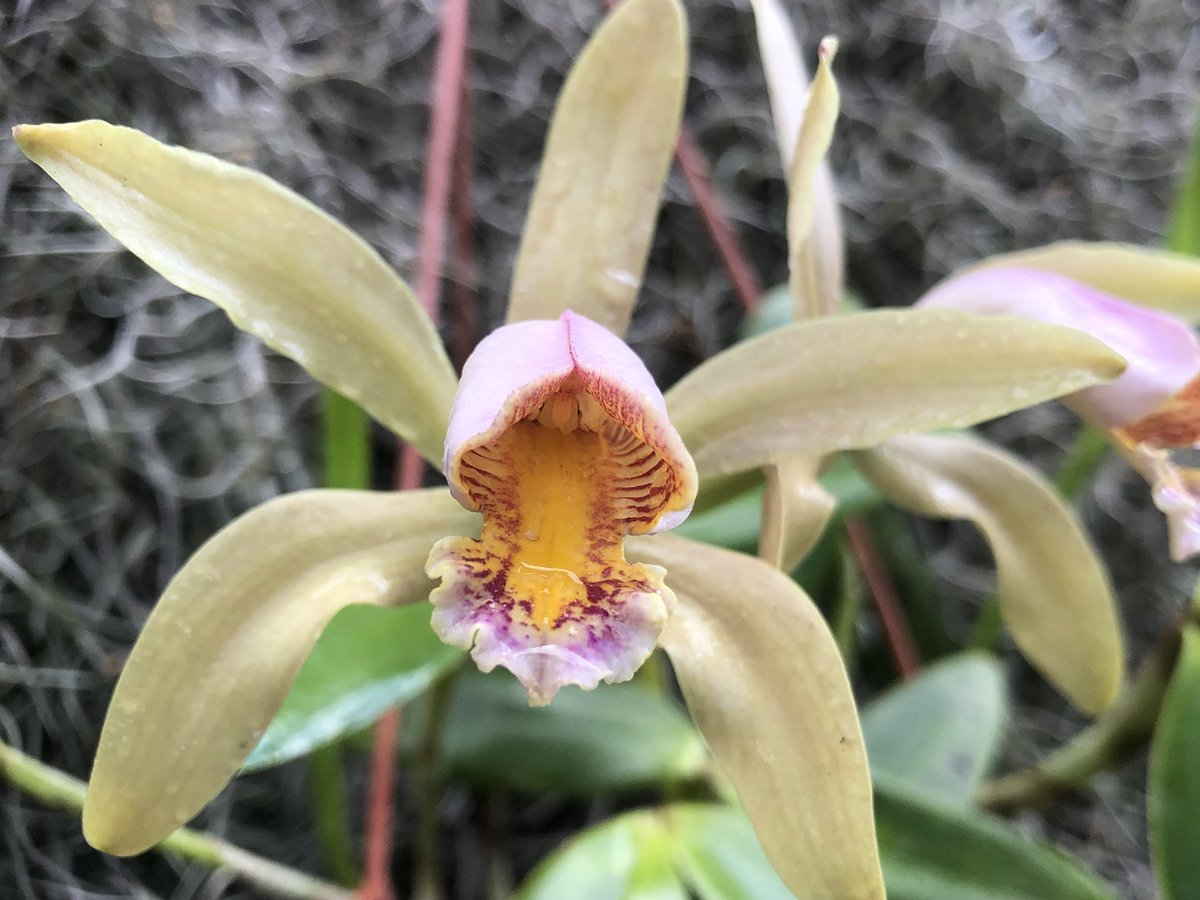
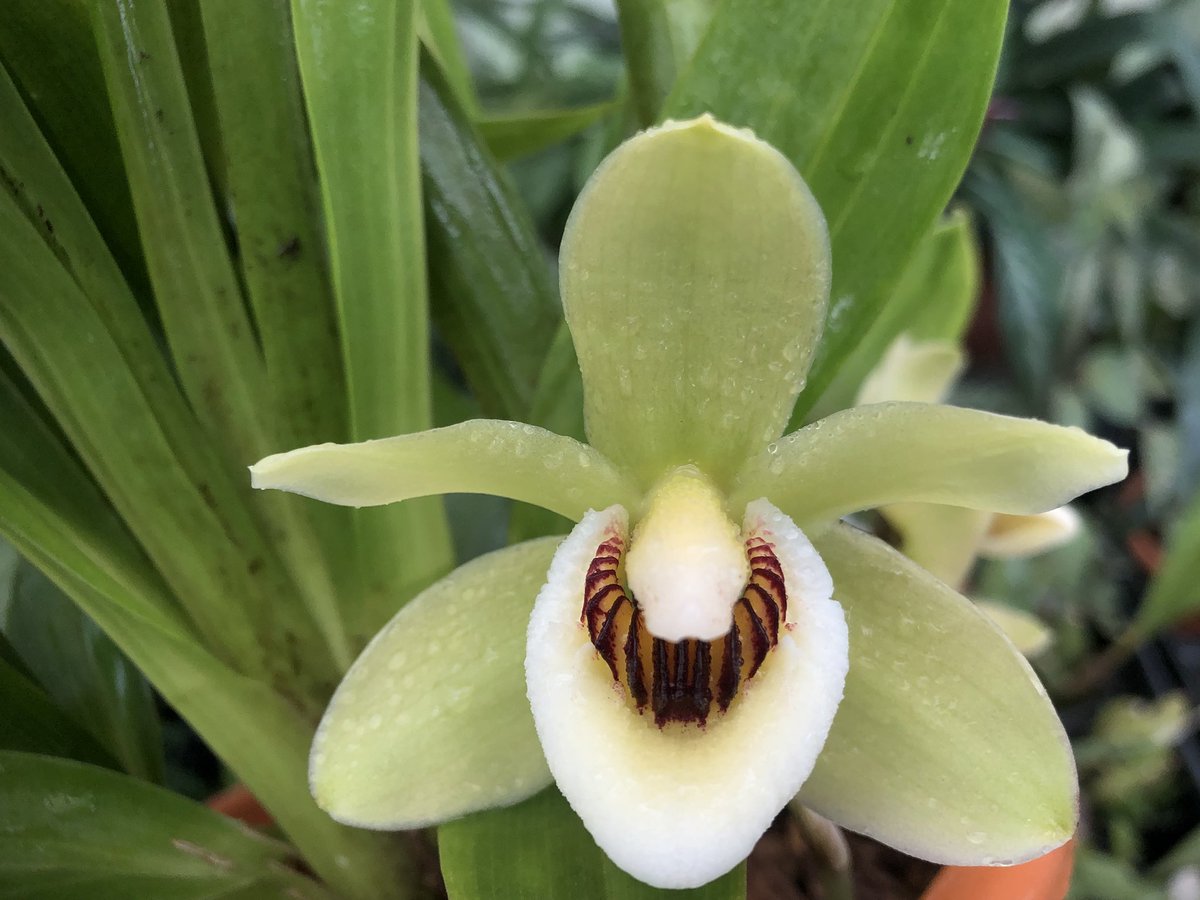
#Coelogyne mooreana var. alba, considered by many as one of the best species in the genus. The standard form of this Vietnamese species has a golden lip, that turns cream in the alba form, giving it a subtle two toned flower. This was my “own Xmas present” a couple years ago.
#Plumeria pudica, native to Panama, Colombia and Venezuela, is an evergreen shrub and blooms year round. Unfortunately, the #white flowers lack any #scent, which is surprising as Plumeria rubra cultivars are well known for their perfume.
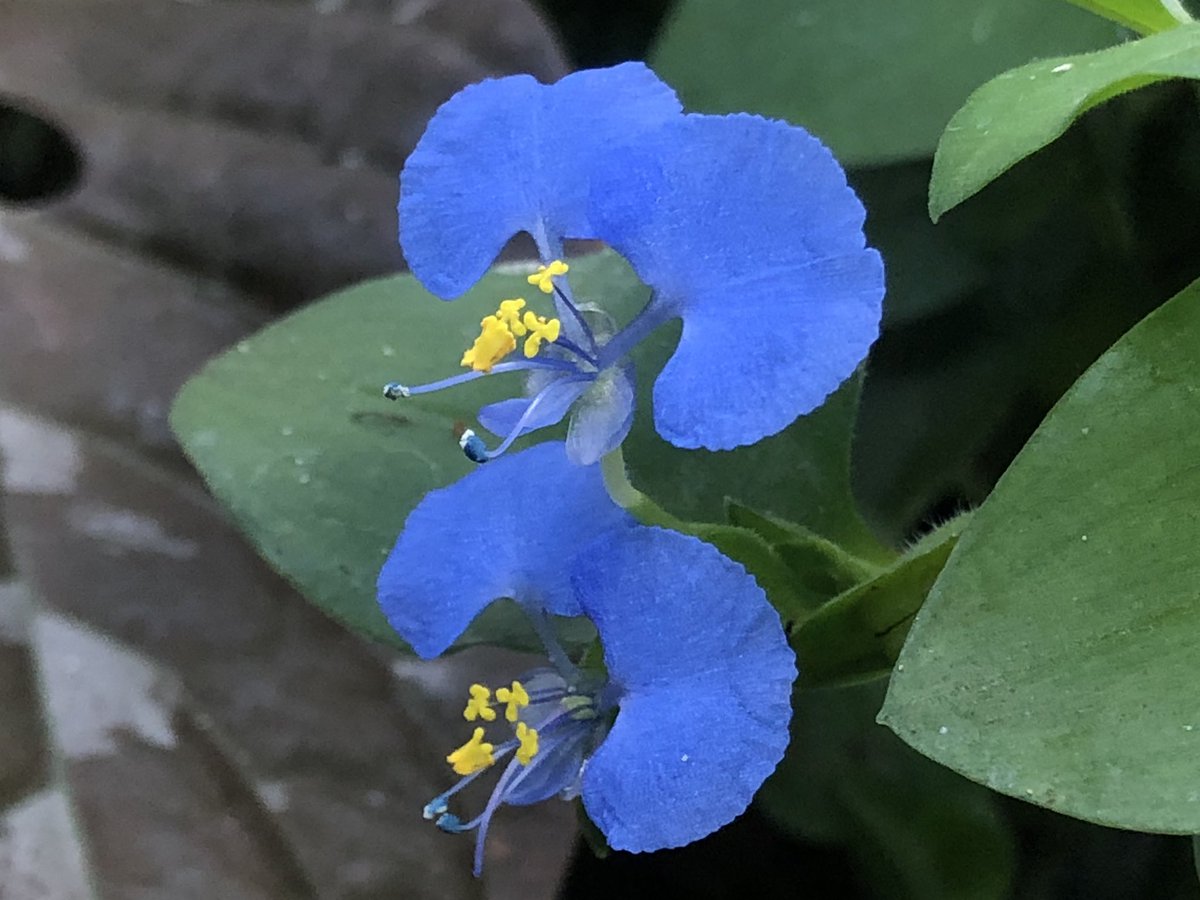
The genus Commelina has an interesting story: Botanists Jan and Caspar Commelin founded the Hortus Botanicus Amsterdam. Caspar Junior died young before achieving anything in life. Linnaeus wrote: “Commelina has 3 petals, two of which are showy where the third is not conspicuous”
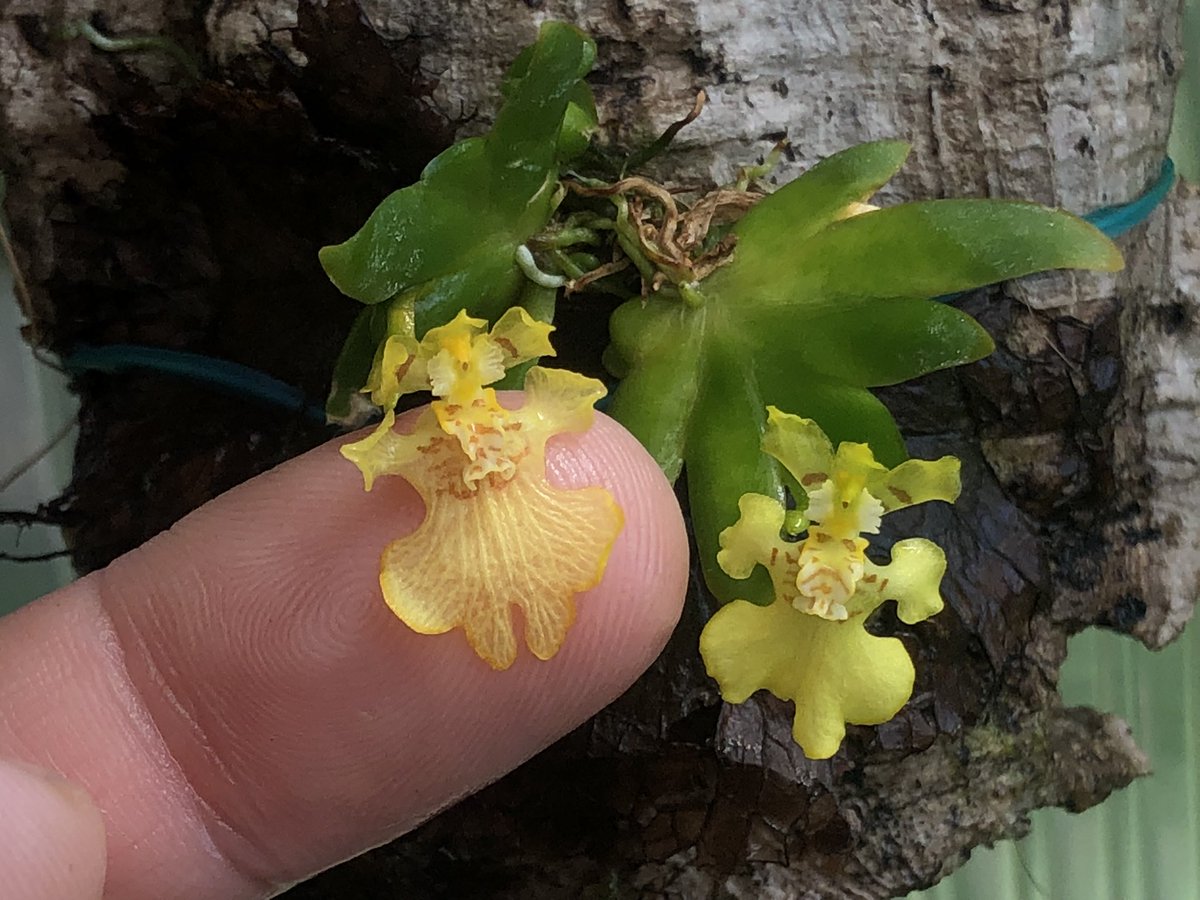
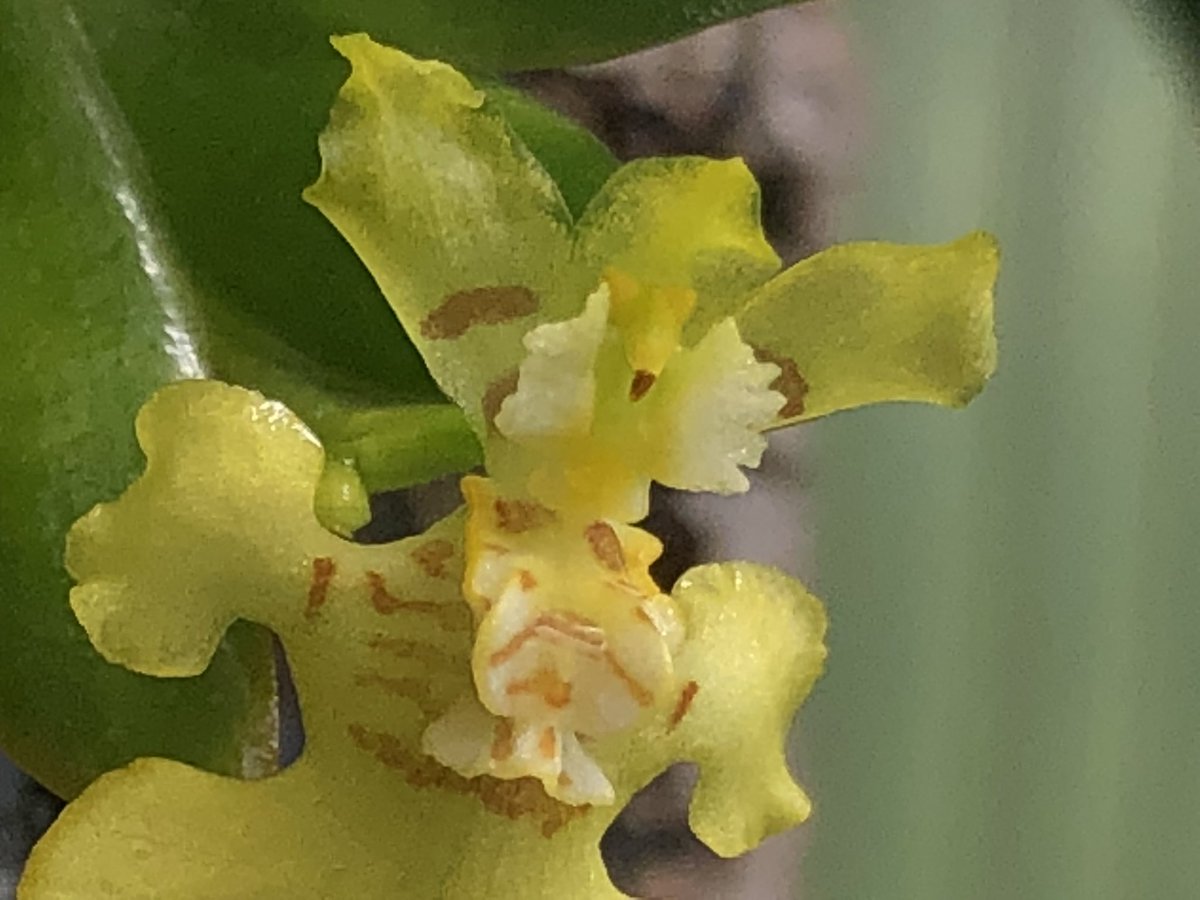
#Psygmorchis pusilla, from Central/South America. I’ve been told this species dies after flowering but this one is 4 years old and blooms every year. It produced two fans from the original plant. I was waiting for both flowers to be open, but the second one took too long to open!
Lasting a single day, the #flowers of #Kaempferia gingers are very beautiful. This applies for most, of not all, species in the #ginger family. The plants #bloom for a long period, producing more of these colourful blooms each morning. They go fully dormant during winter.
This is #Acanthophippium pictum, endemic to #Ryūkyū islands and #Taiwan. The name comes from the combination of the Greek words ‘acanthos’ (thorny) and ‘ephippion’ (horse saddle), refering to the shape of the lip. Pictum means painted. I prefer to call it the pomegranate #orchid!
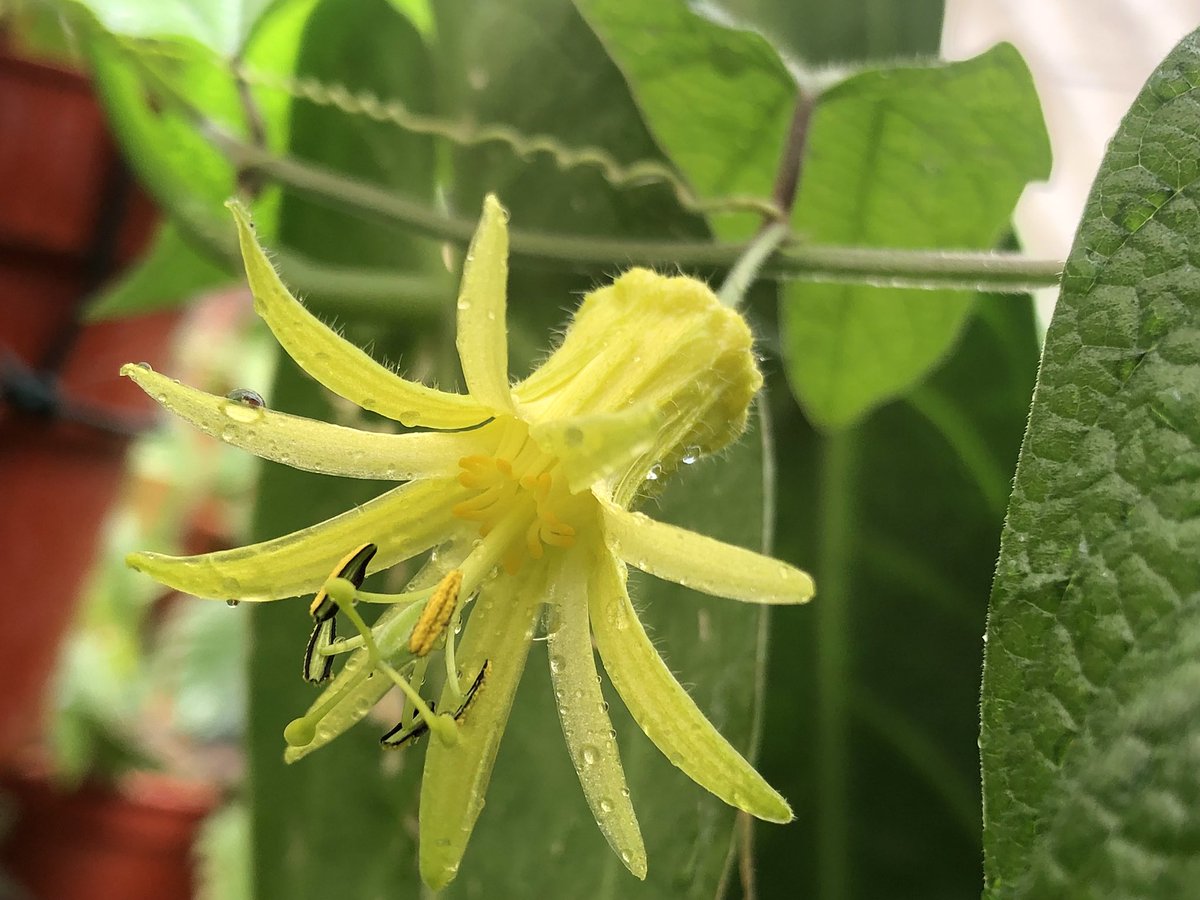
#passiflora citrina, discovered in 1991 growing wild in #Honduras. It’s the only true yellow passionflower known and one of my favourite species because it blooms non stop.
#goethea strictiflora, a #cauliflorous plant related to #hibiscus. The showiest structure of the flower is called an #epicalyx. Very slow growing under my conditions but blooms at any time of the year.
Related to #caper, this is Euadenia eminens, a #medicinal plant with #green flowers from #Gabon. A strong scent of burnt/molten #plastic is produced during the night only, that seems to attract pollinating moths. It has to be the #strangest floral perfume I ever had experienced!
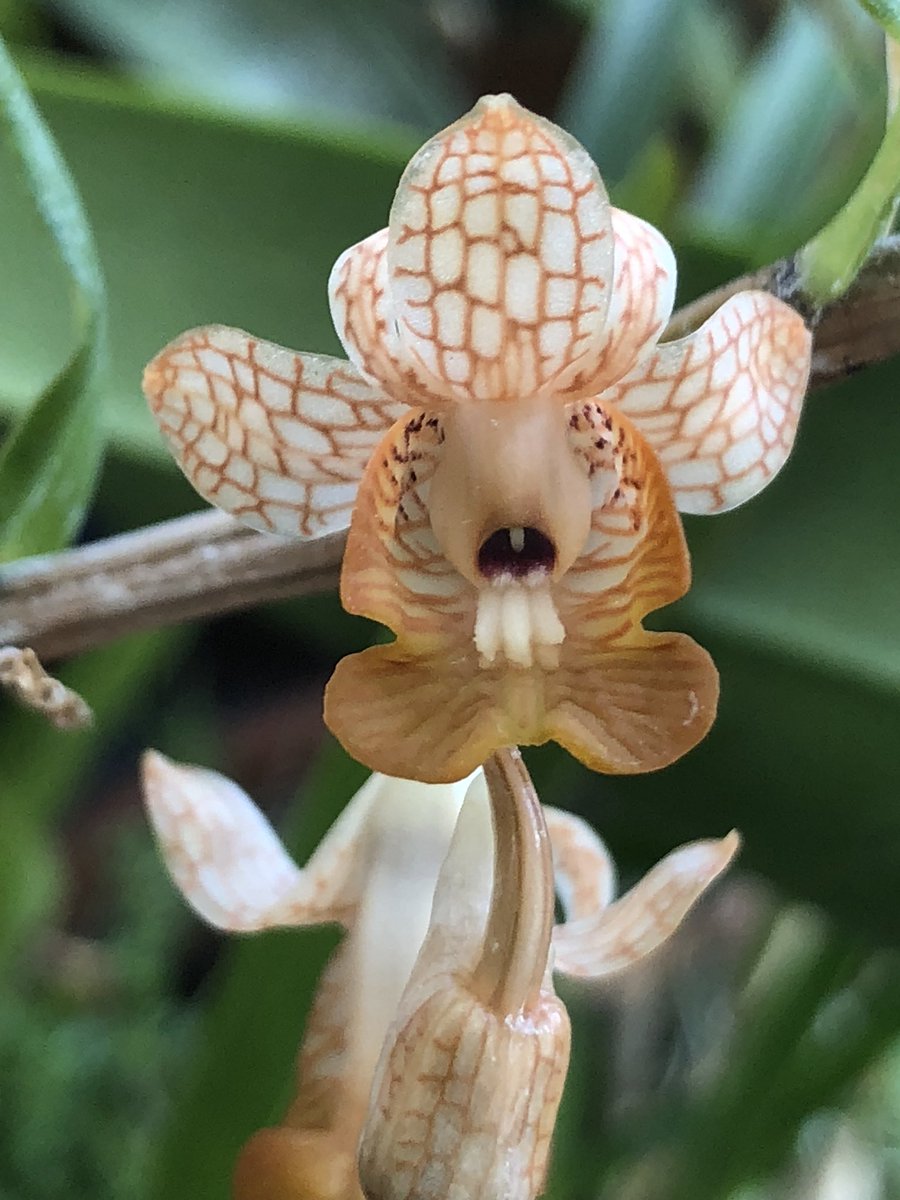
#dendrobium khanhoaense. Quite a mouthful of a name for such #dainty#vietnamese species! Only if the pattern could persist in #hybrids with larger flowers....