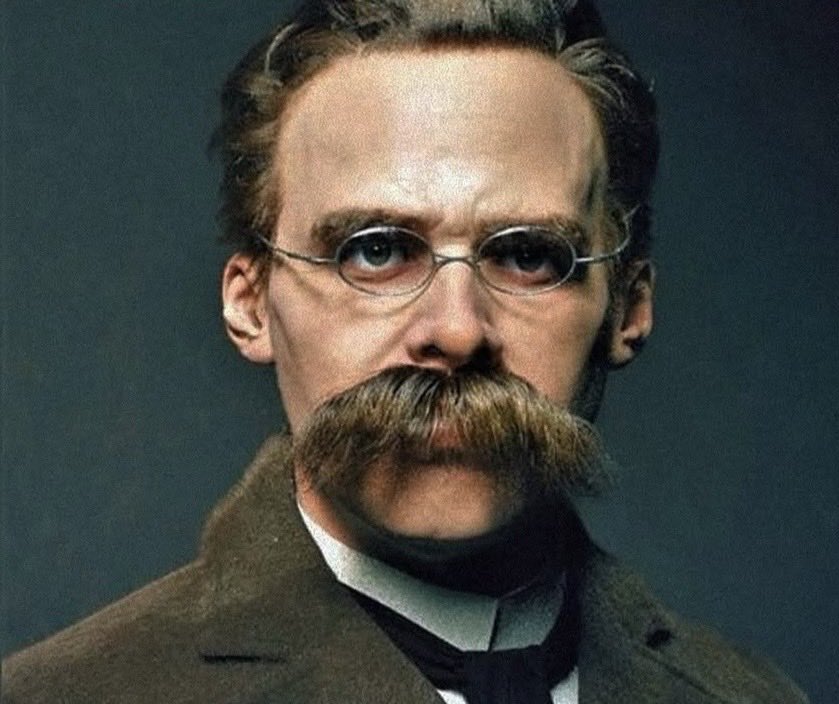
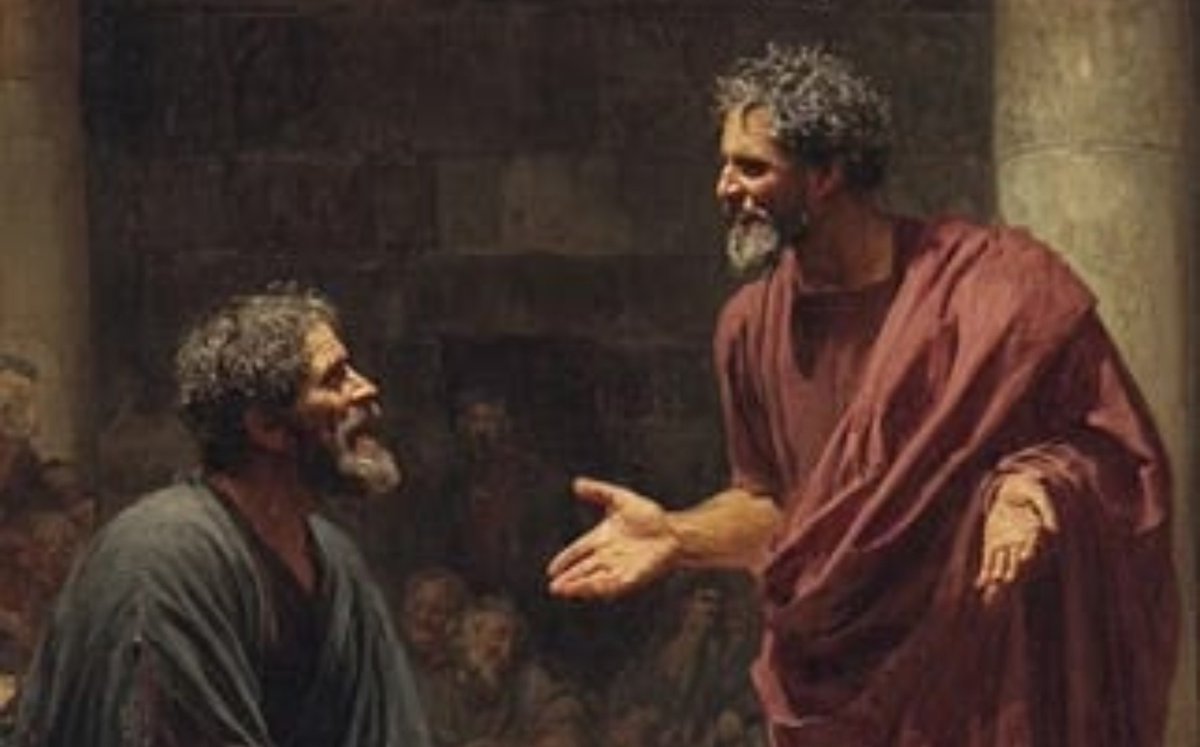
“You should not be afraid of someone who has a library and reads many books; you should fear someone who has only one book; and he considers it sacred, but he has never read it.”
- Friedrich Nietzsche
Friedrich Nietzsche was born in Germany in 1844 and experienced the death of his father at a young age. Growing up surrounded by grief and solitude helped shape his deeply questioning nature. Rather than finding comfort in traditional beliefs, Nietzsche constantly challenged accepted ideas and pursued difficult truths. Much of his life and philosophy centered on understanding suffering, purpose, and what it truly means to live fully.
A major turning point came when Nietzsche began distancing himself from the beliefs, thinkers, and institutions he had once respected. He increasingly questioned religion, conventional morality, and social expectations, arguing that people often inherit their values instead of forming them independently. This rebellious approach influenced works such as Thus Spoke Zarathustra and helped establish him as one of philosophy’s most influential figures.
Nietzsche’s own experiences also reinforced his belief that hardship can contribute to personal growth. His life included chronic illness, loneliness, troubled relationships, and periods of isolation. Rather than viewing suffering only as something to escape, his philosophy often explored how confronting adversity could build resilience and transform a person. Instead of seeking a life without difficulty, he emphasized developing the strength to endure and overcome it.
The quote about fearing someone devoted to a single sacred book reflects a warning against blind allegiance and unquestioned certainty. A person exposed to many different ideas has more opportunities to compare perspectives, challenge assumptions, and think critically. By contrast, someone who unquestioningly treats one belief or text as absolute—especially without seriously examining it—may become rigid or dogmatic.
The larger message is that knowledge itself is not necessarily dangerous. The greater danger can arise when limited understanding is combined with complete certainty. The passage encourages skepticism, intellectual curiosity, and a willingness to examine even the beliefs a person holds most strongly.
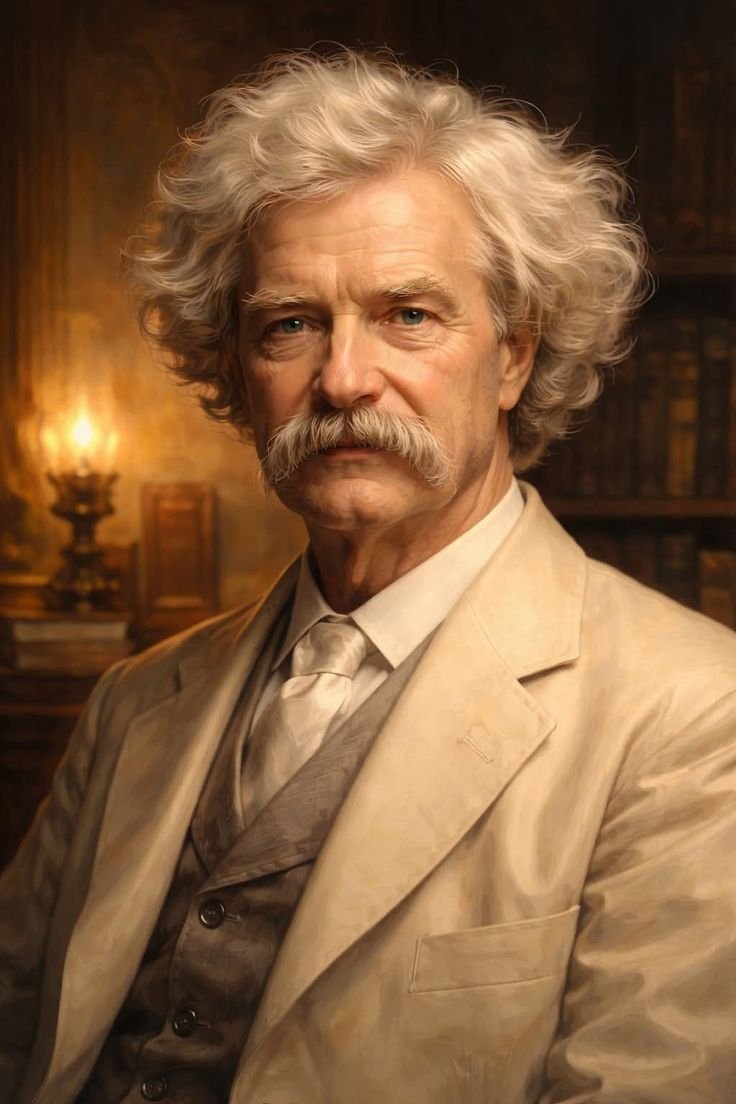
« Il est étrange de voir que certaines personnes n’ont pas besoin de preuves pour croire un mensonge… tandis qu’elles exigent des preuves infinies pour accepter la vérité. »
— Mark Twain
Votre sixième sens, votre intuition qui vous pousse à prendre vos distances, votre désir de silence, votre réticence à parler… cette étrange impression de ne pas devoir faire ceci ou cela, tout cela n’est pas vain, suivez votre intuition !
Dostoïevski
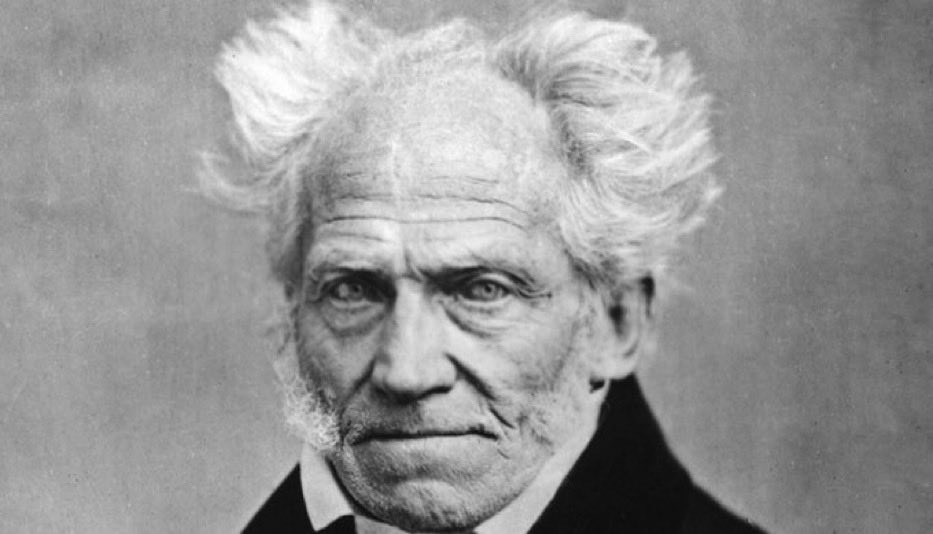
“Five minutes after birth, they decide your name, religion, nationality and sect. And you spend the rest of your life defending what you did not choose.”
— Arthur Schopenhauer