The Michigan Dept. of Environment, Great Lakes, and Energy (EGLE) protects Michigan’s environment/public health by managing air, water, land & energy resources
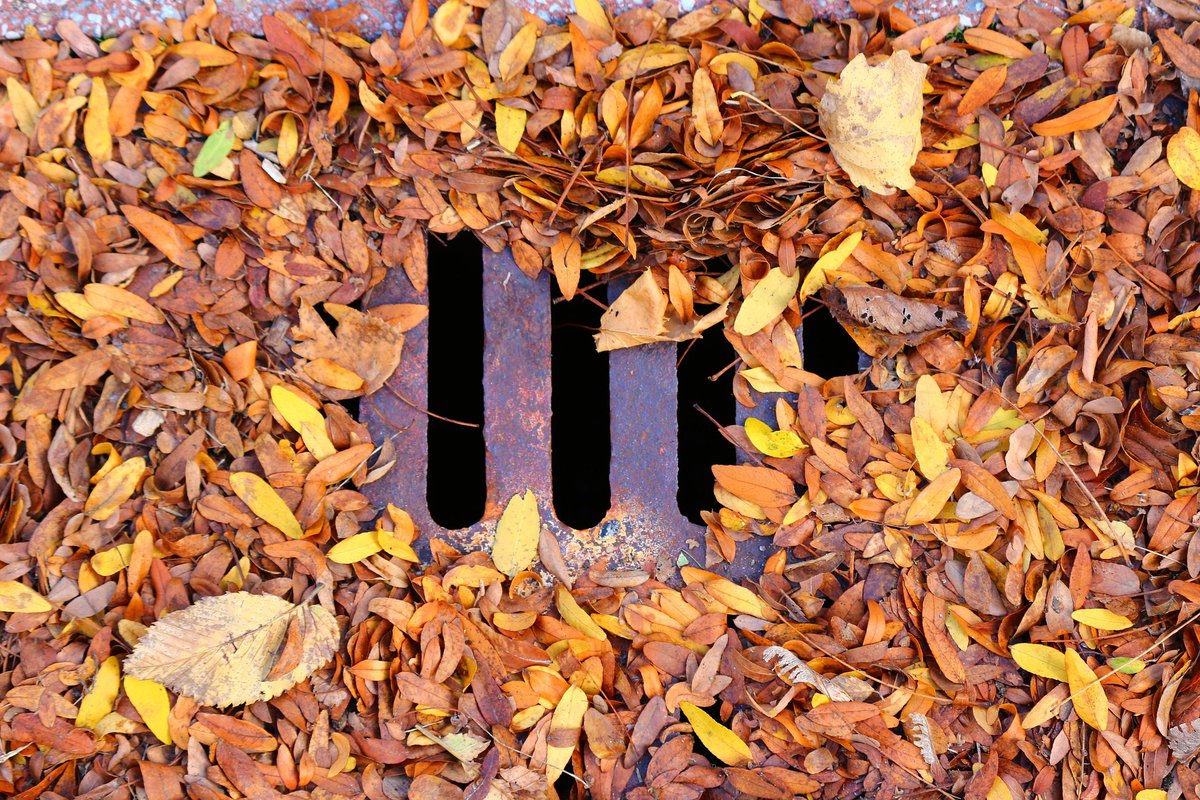
🍂 Raking leaves? Don't forget to check nearby storm drains.
Clearing away leaves and debris helps prevent street flooding and keeps debris out of Michigan's lakes and rivers. 💧
Ahead of #VeteransDay, meet EGLE's Jim Day. From U.S. Army photographer to National Guard captain to environmental analyst, Jim shares the unexpected turns that shaped his journey from military service to state government.
Read his story: https://t.co/knQKi65HtN
#TeamEGLE
Michigan wraps up 2026 ozone season with marking another year of strong air quality results across Michigan and continued progress in reducing ground-level ozone pollution.
https://t.co/B20nDSR507
Register for the 2026 Great Lakes PFAS Summit (Dec. 1-3) and the first-ever PFAS Treatment Technology Symposium (Dec. 9-10)!
Hear the latest on PFAS research, policy, impacts and treatment technology advances.
Register by Nov. 30: https://t.co/gazibDovqD
🍂 Before you burn your backyard brush pile:
🔥 Check for burn permit: https://t.co/n75l217qcX
🚫 Never burn trash, plastic or haz materials
💨 Avoid windy days
💧 Keep water near and never leave fire unattended
Better yet, skip the smoke and compost! https://t.co/FGUIfhlfsE
A new chapter for southwest Detroit!
A long-vacant, contaminated property will become the new home of Detroit City FC, with housing, commercial space and a 15,000-seat stadium.
EGLE’s Brownfield Grant will support cleanup and redevelopment. https://t.co/NDXYia0nlo #MIBrownfields
🎨 EGLE’s Radon Poster Contest is back!
Michigan 6th–8th graders are invited to create a poster that teaches others about radon — an invisible gas that can enter homes and cause lung cancer.
Submit entries by Nov. 6:
https://t.co/9EveaCtkGg
🚤 Clean Boats, Clean Waters grants are open!
Michigan organizations can apply for funding to support outreach and education that helps boaters and anglers prevent the spread of aquatic invasive species.
Apply and learn more: https://t.co/JsjGlBej5f #NotMISpecies
Elective Pay helps Ida Public Schools replace failing boiler system with efficient geothermal HVAC system.
Learn how and explore resources for funding clean energy projects: https://t.co/EuVXWPq69X
#MIHealthyClimate#MIEnvironment
EGLE is offering a Microplastics Grant Funding Opportunity to better understand gaps related to microplastics research in surface water and/or drinking water. Learn more: https://t.co/aFvhsxY4gR
EGLE is offering $10 million in grants to bring renewable energy and energy storage to contaminated properties across Michigan through its MI Brightfields Pilot.
Learn more and join our informational webinar on Nov. 9: https://t.co/MASGI8cKi9 #MIBrownfields#MIHealthyClimate
👻 Halloween may be over, but there's no need to ghost your pumpkin!
🎃 Give Jack a second life by composting him. It's easier than you might think! Watch our video to learn how: https://t.co/vY03ReIdB6
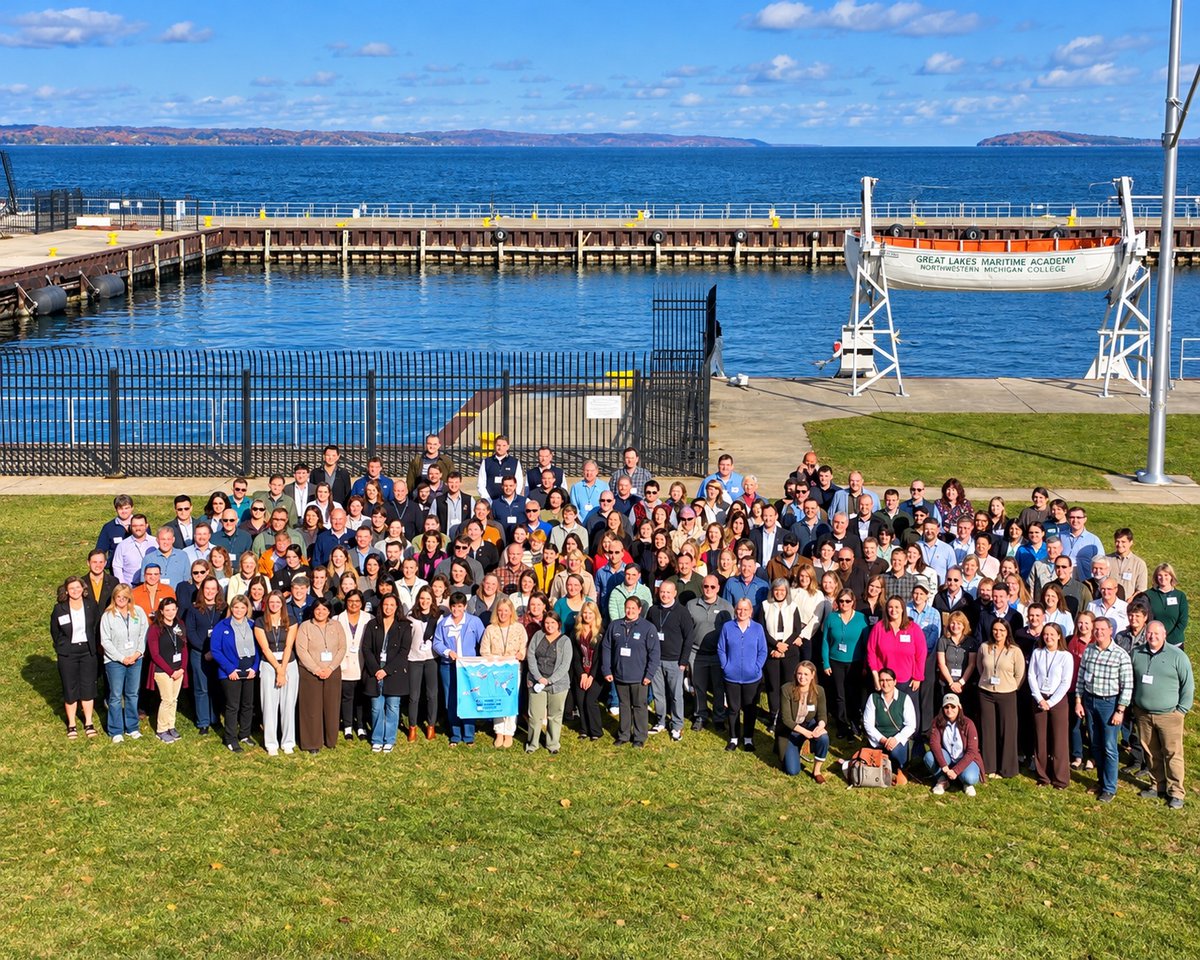
🌊 Three days of research, fresh perspectives and collaboration! Thank you to everyone who joined us for the 2026 National Beach Summit to share ideas and explore new tools and approaches to protecting public health and improving beach water quality.
https://t.co/baXCMCKxYd
Is Clear Water Healthy?
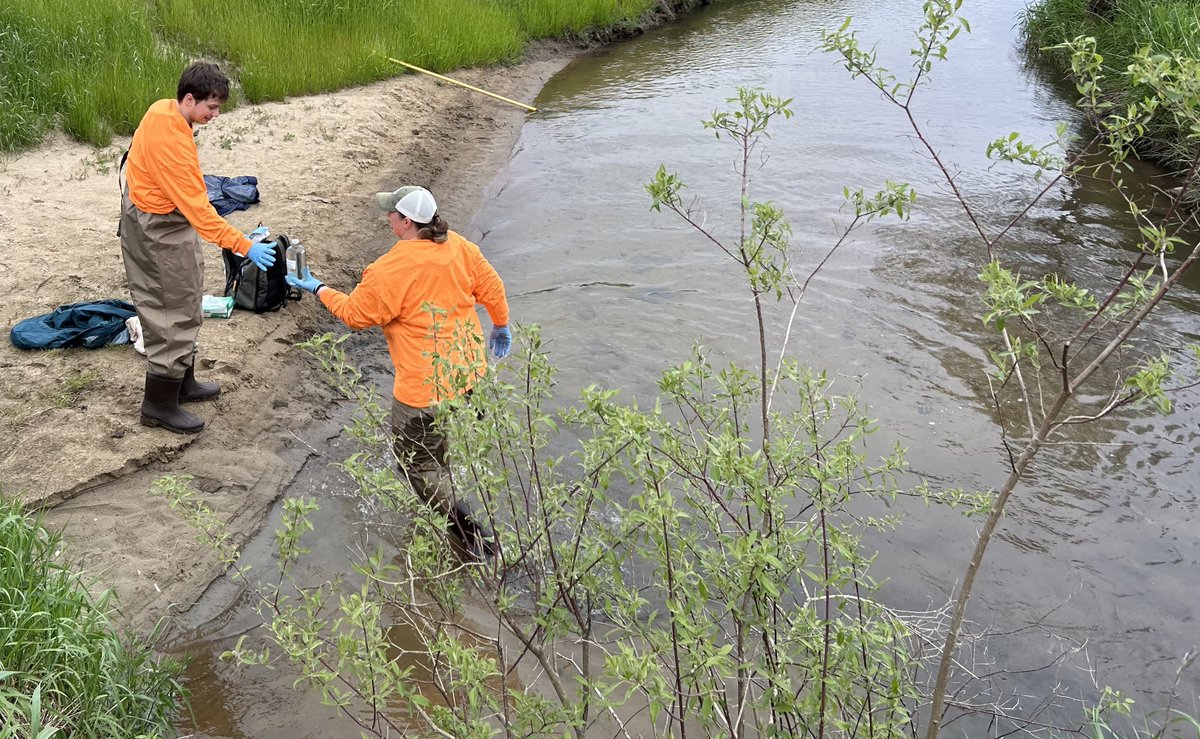
At the National Beach Summit, Lauren Scheffer of the Inland Seas Education Association shares how students across the #GreatLakes are learning to monitor water quality, analyze data and use it to better understand the health of our waters.
We're kicking off day 2 of the National Beach Summit highlighting our student poster presenters. These students are doing important work on protecting our water quality. Check out their topics: https://t.co/wVGvsISIzo
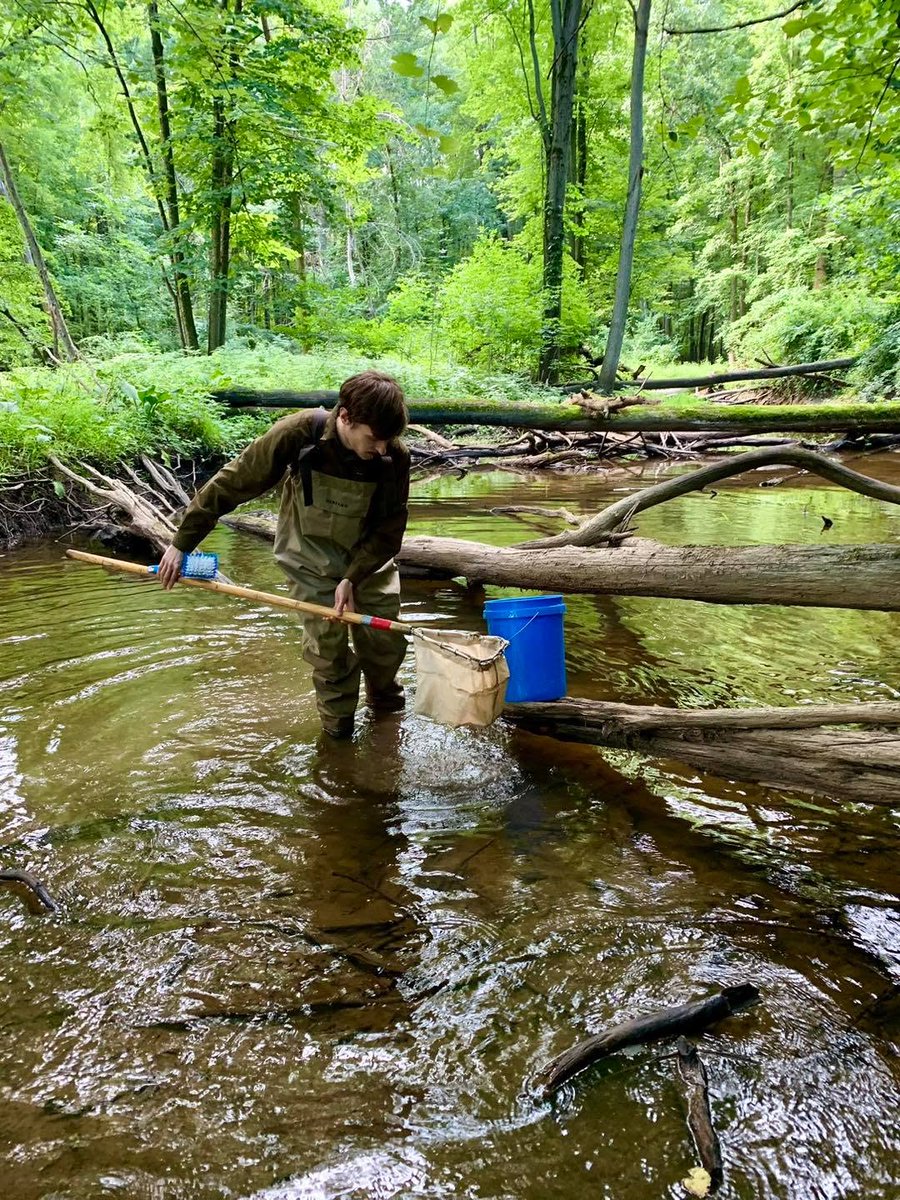
Do you have a lake, river, or stream you would like EGLE to monitor for water quality?
We're currently seeking water quality recommendations for 2027.
To recommend a waterbody and learn more, visit EGLE’s Monitoring Request Form webpage by October 30: https://t.co/FJf1UdVOs1
At today’s National Beach Summit, Joshua Steele of the Southern California Coastal Water Project is presenting on the links between fecal contamination in stormwater and risks to human health.
The bottom line: Don’t swim in stormwater!