An Gorta Mór - The Great Hunger
To call this period in Irish history a famine dishonours the pain and untold suffering our ancestors endured.
British warships took the food of our land for profit while our people starved.
It was genocide.
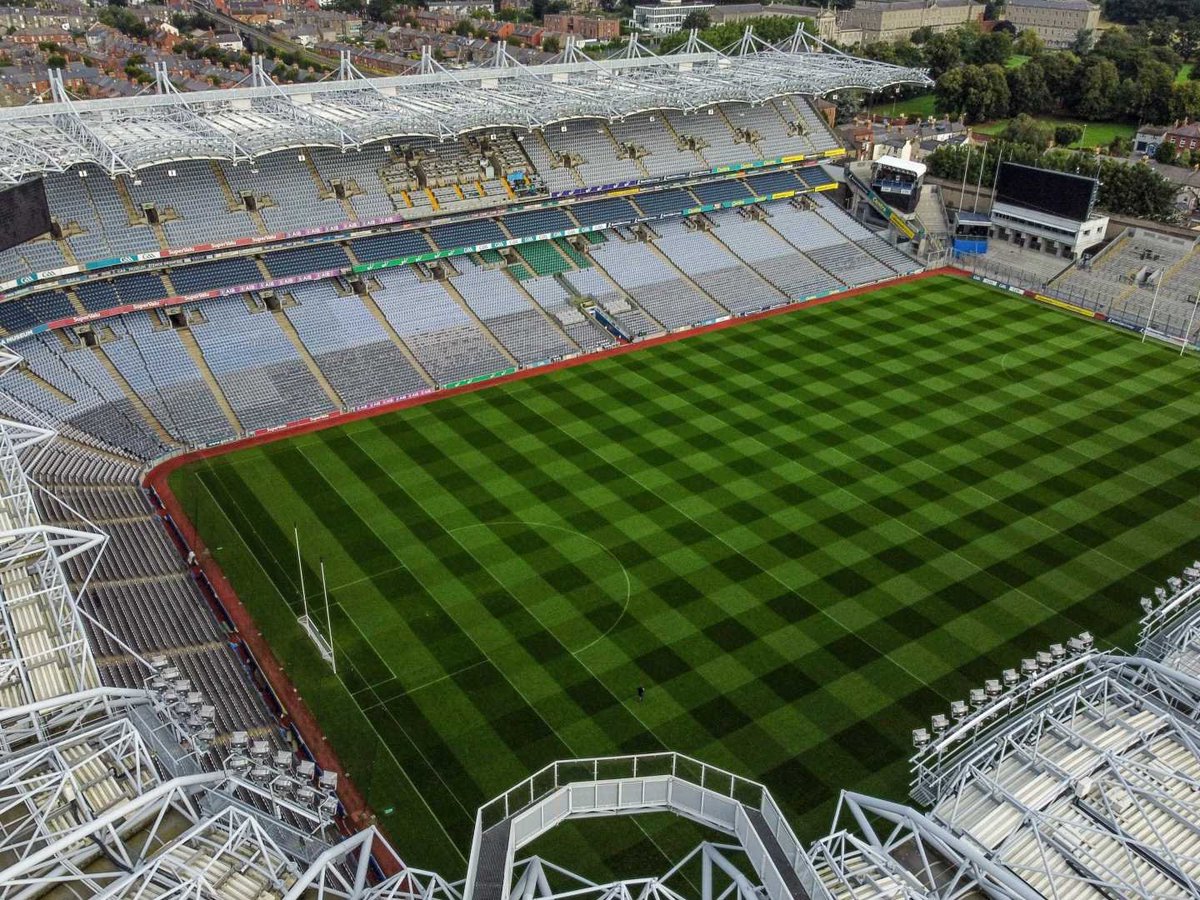
Tonight, Croke Park makes history.
For the first time ever, a club football match will be played at this extraordinary stadium, as United face Leeds in front of a sold-out crowd of more than 80,000.
But anyone walking through the gates tonight should know something of the ground beneath their feet.
On 21st November 1920, during Ireland's War of Independence, around 10,000 people gathered at Croke Park to watch Dublin play Tipperary in a Gaelic football match.
Minutes after the game began, British Crown forces entered the ground.
Then came an act of barbarism.
They opened fire on players and spectators. People desperately tried to escape as bullets tore through the crowd. Some were shot. Others were crushed in the panic. Children were among the dead.
In less than two minutes, 14 innocent people were killed and dozens more wounded.
Tipperary footballer Michael Hogan was shot dead on the pitch. He was just 24 years old. The Hogan Stand carries his name to this day.
Three children, Jerome O'Leary, William Robinson and John William Scott, aged just 10, 11 and 14, were also among those killed.
It became known as Bloody Sunday, one of the darkest atrocities of the War of Independence.
More than a century later, Croke Park remains far more than a sporting arena. It is a place woven into Irish history, identity and memory.
And tonight another page is written.
Two great rivals. More than 80,000 people. The first club football match ever staged at Croke Park.
For those of us travelling to Jones' Road to watch United tonight, enjoy the occasion.
But remember where you're standing.
History lives in that ground. 🇮🇪