🌿 Exciting News!
The new guide is here to help countries develop their National Biodiversity Strategy and Action Plans & Biodiversity Finance Plans!🌍
🔗 Download the report for a roadmap on aligning these plans⬇️
https://t.co/jUFTiC3OyQ
@UNDPbiofin
Microplants is back! We are in #Eger#Hungary working with Prof. Tamas Pocs on #liverworts Eger is a lovely town. How ironic bryologists from the South Pacfic come to the north to study the south. Wait, what? It is because Tamas is a leading expert in the world! Thank you Tamas!
The esteemed Prof. Tamas Pocs, with colleague from Fiji looking at Entodon concinnis, only the 5th record in Hungary! Nryologist, Peter Szucs found 49 species of bryophytes in Prof. Pocs' backyard. Check out the paper. What can be found in YOUR backyard? https://t.co/8gLpP5qSzH
🌻 Celebrating the unsung heroines of #botany: detailed research on #plant genera named after women, with a linked open dataset 🌼 https://t.co/reyhTlTKXk
📣 IAB virtual meeting 2023 is on 13 - 14 December 2023 (New York Time zone). The meeting is split over two half days: Wednesday Dec. 13 from 14.00 to 18.00 UTC and on Thursday Dec. 14, from 00.00 to 04.00 UTC. For more info head on over to: https://t.co/bMLdqeJEza
#iabryo2023 continues with the second session starting in a couple of hours at 8pm New York Time. We look forward to engaging with you during this session.
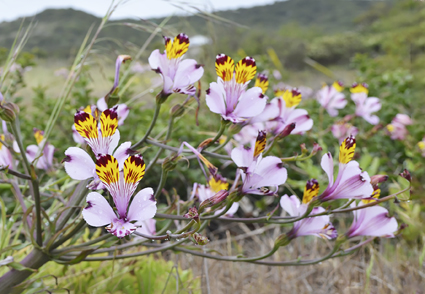
Morpho-colorimetric characterization of the perigonium of the Alstroemeria pulchra complex (#Alstroemeriaceae, Alstroemerieae) as an aid to delimit its infraspecific taxa
https://t.co/sDhJk59dbx
#Taxonomy
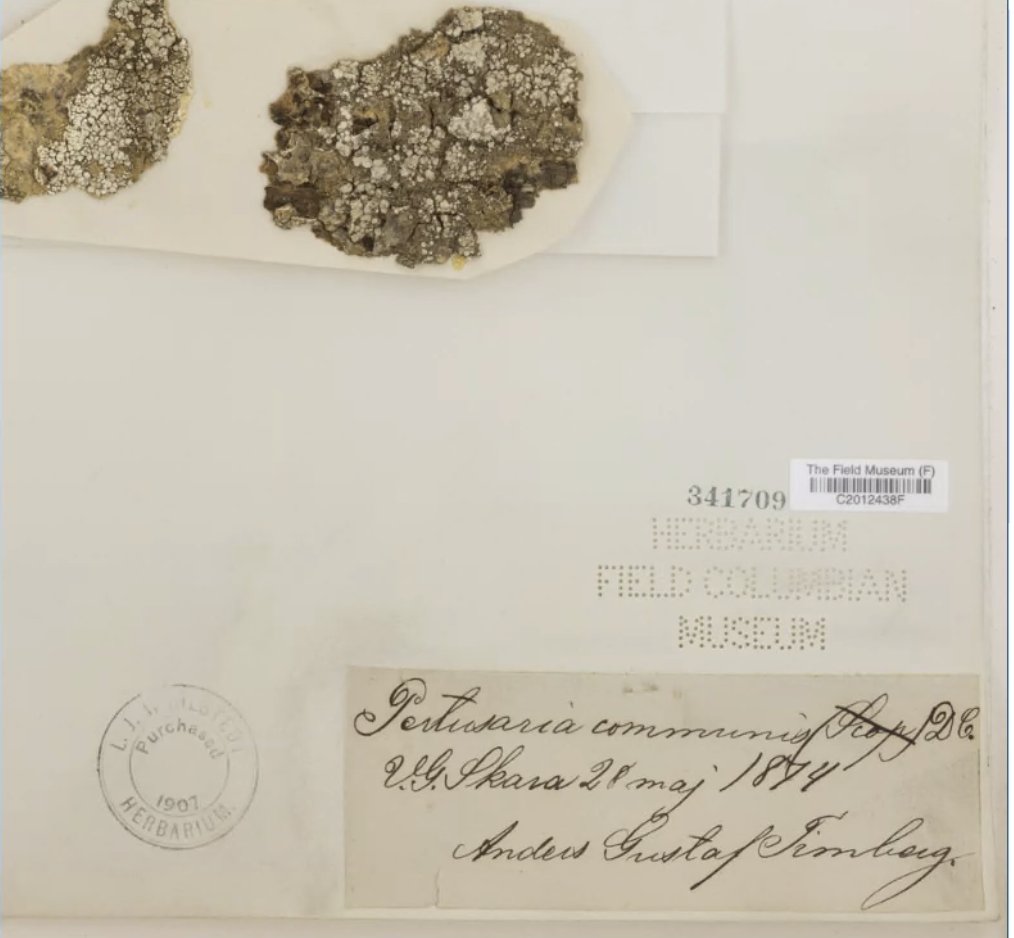
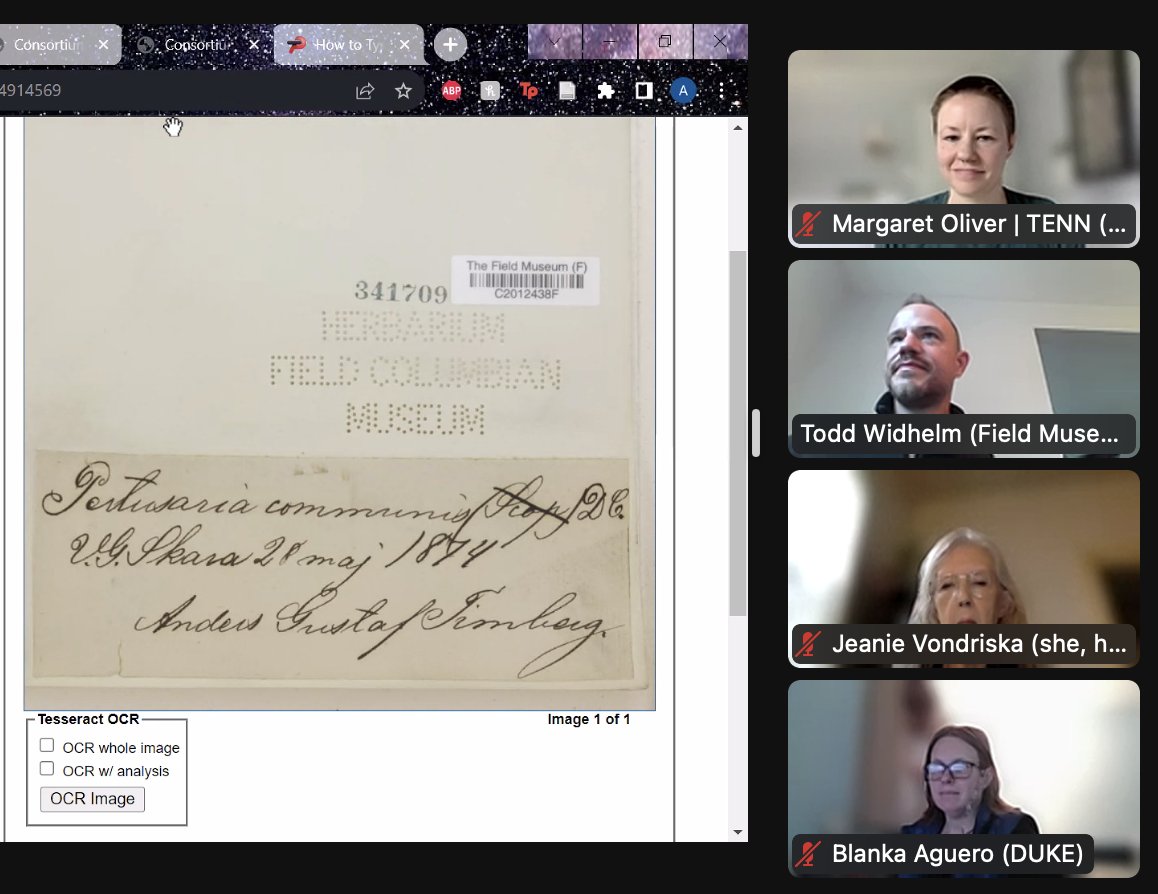
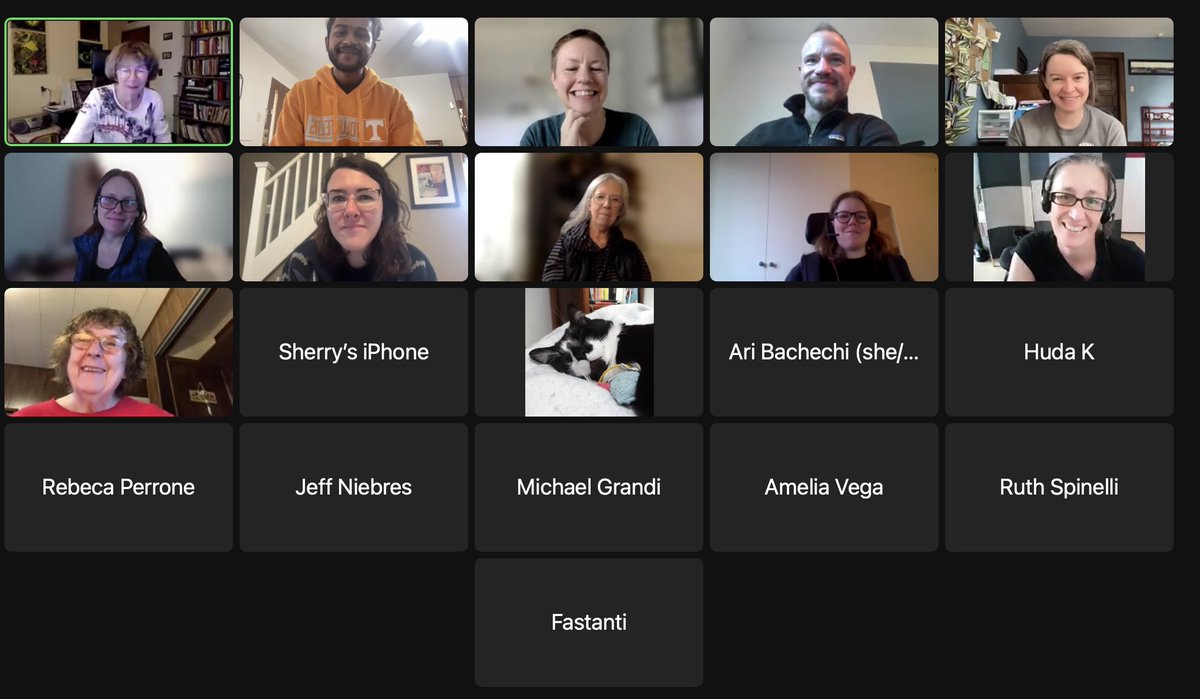
We're off to an exciting start with Dr. Jessica Budke, the Tenn Herbarium Director, takes the stage to guide us through field collection, herbarium specimen transcribing, and the latest updates on global digitization efforts.🌿🌎
#botany#herbariumspecimen#wedigbio#bryophytes
I’ve written a report on my recent experiences at the Biodiversity Information Standards Conference #TDWG2023 Many thanks to Wikimedia Aotearoa New Zealand #WANZ for the funding to attend. Unsurprisingly it was #Wikidata that was frequently mentioned. https://t.co/CGR1BN9h2s
I'm recruiting 2 fully funded Ph.D. students (w/ summer funding) to work on a NSF CAREER grant! We will be studying how to increase students' science communication knowledge and skills about vaccines & climate change. Reach out if you are interested!
https://t.co/ZfCEoYExec
The fall 2023 edition of @WeDigBio is underway!
Go to Notes from Nature https://t.co/a4nx1SxjX4 now and choose from one of the many expeditions we have live.
Remember that there is still time to sign up for tomorrow's symposium.
1/2
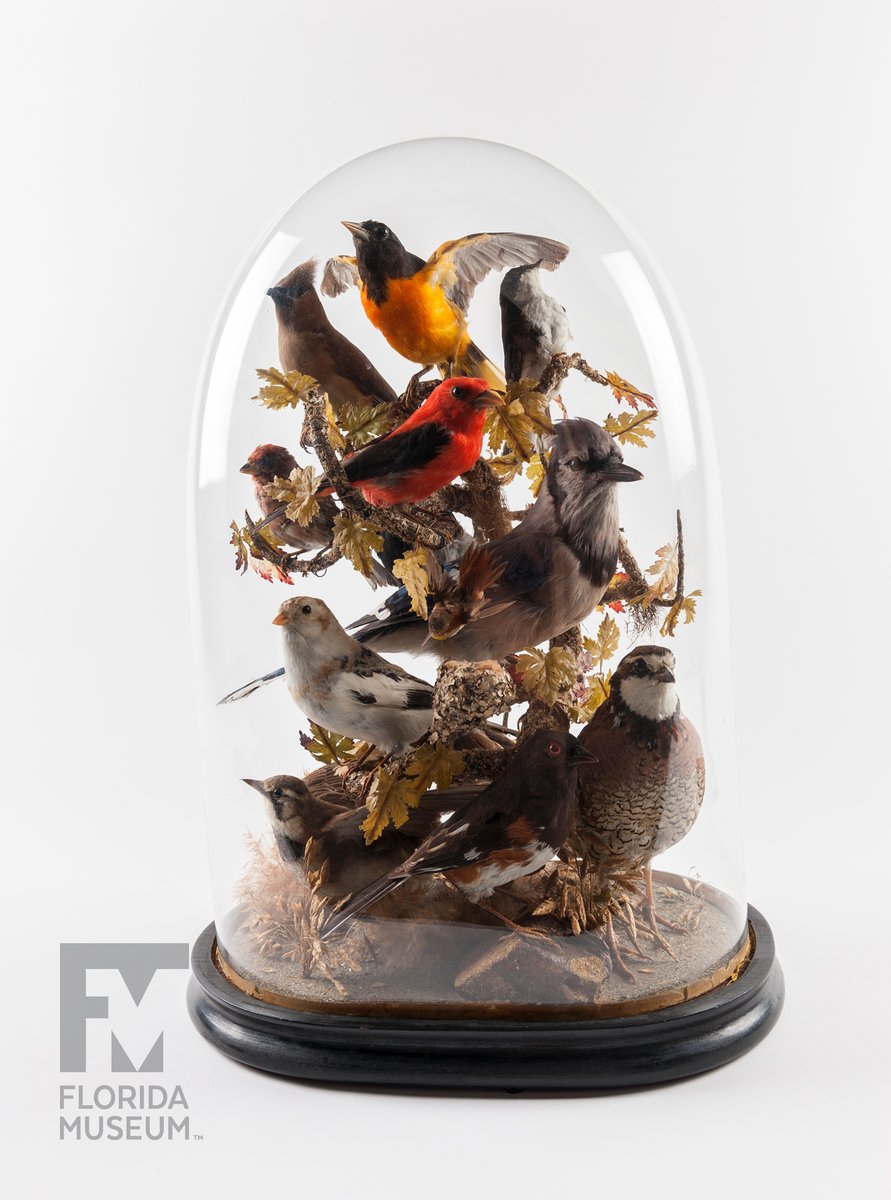
Online Exhibit 🐦 Rare, Beautiful & Fascinating
Feature: Songbird Bell Jar
While a fairly common decoration in the 18th and early 19th centuries, federal laws protecting birds ended this trend.
🎧 Read and listen with ornithologist Tom Webber: https://t.co/ZmpUCH4grK
Today's #SpookySpecimen is from the Mutillidae family. They are known for their hair which can be red, orange, black, white, silver, or gold and their extremely painful stings. The sting from the species Dasymutilla klugii rated a 3 on the Schmidt pain index⚠️
Join us for Coffee with a Curator on Friday, October 27th. At 12pm CDT Dr. Maribeth Latvis will give a lecture titled, “A ‘tree thinking’ approach to biodiversity conservation and management, and building the research capacity of the UARK herbarium.”