@Neelp12 Postbiotics are what microbes make that might have beneficial effects, e.g. short chain fatty acids, tryptophan metabolites, certain vitamins and essential amino acids. This way, you can deliver effective concentrations without worrying about microbe engraftment.
Check out our most recent paper that shows that correction of early life gut dysbiosis with a single keystone species can restore immune tolerance and significantly reduce risk for colitis later in life in genetically-prone mice. https://t.co/CaojpxHYqV
@Neelp12 Sorry. Too many issues with probiotics. Strain engraftment may be important and likely very individual specific, i.e. a single strain isn't likely to work for all. Also, most probiotics are unlikely to survive or work in inflammation. Postbiotics might be better options, IMHO.
@Neelp12 The strain was a type of Bacteroides species that is likely a foundational species specific to the mouse gut microbiome. We suspect that there are many human-specific strains that have the same fundamental properties for maturing the gut microbiome and immune system.
#DDW2020 members-only registration is now open. If you're a member of @AASLDtweets@AmerGastroAssn@ASGEendoscopy or @SSATNews you can take advantage of this special opportunity to register early & secure housing: https://t.co/jyLgt8DiCF
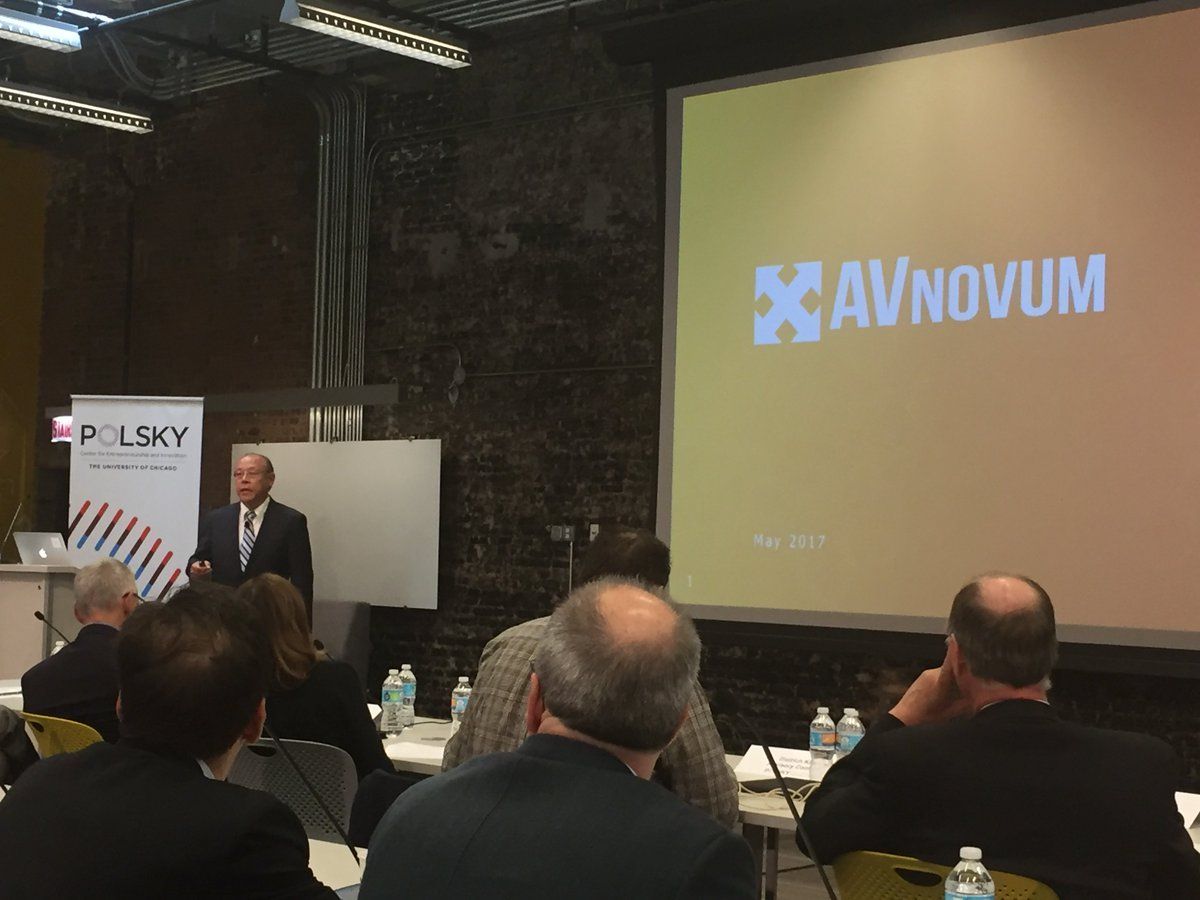
Dr. Eugene Chang at @UChicagoMed is also Chief Medical Officer at AVNovum, a #microbiome startup he co-founded and backed by @polskycenter. Come celebrate Dr. Chang and the two other honorees at the Halo Awards on Thurs, Oct 25 @MATTERhealth#thehalos https://t.co/auIvRPlVjC