Bob Uecker started calling play-by-play for @Brewers in 1971 & would do so for 54 seasons. His storytelling & easy whit charmed listeners for several decades, cementing his status as 1 of country’s finest sportscasters. 📸: Wis. Historical Museum object 2022.18.1.1.-.2
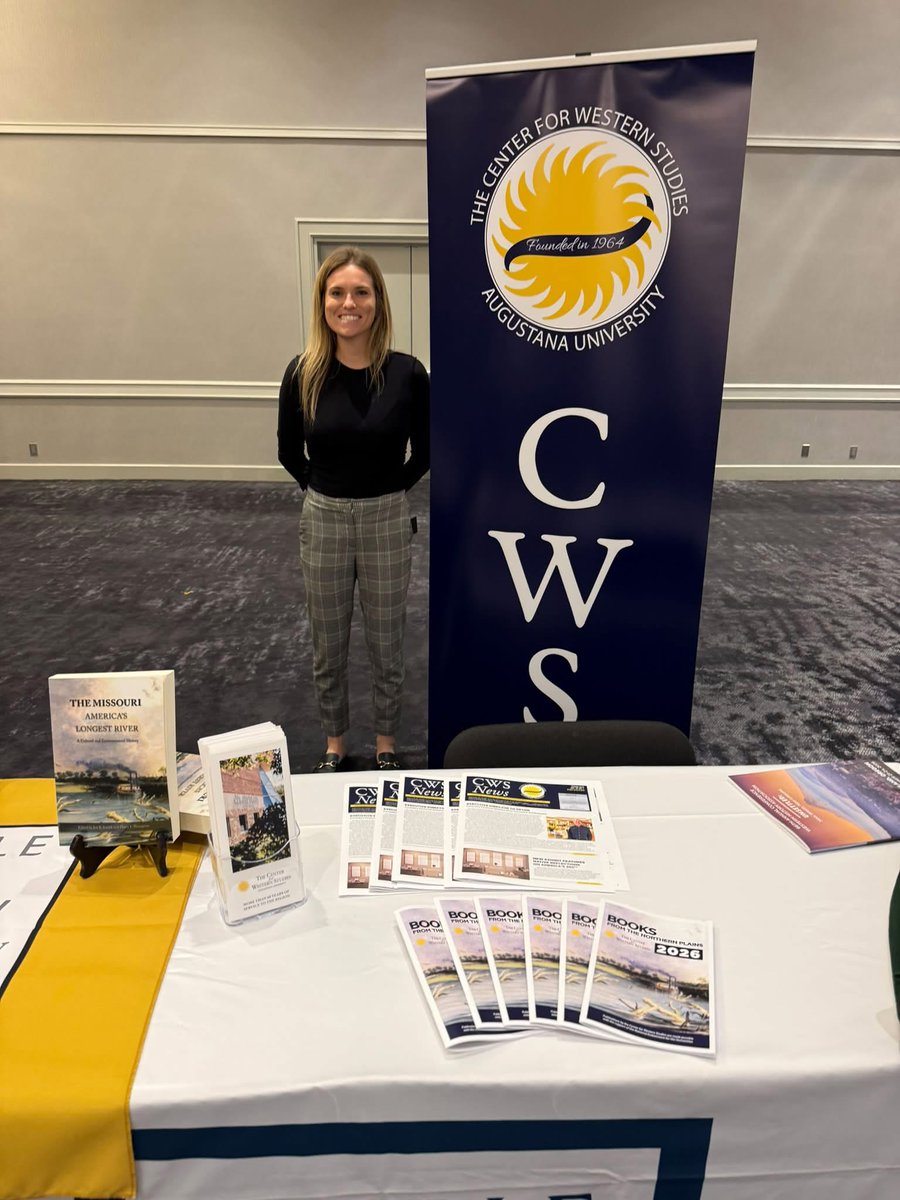
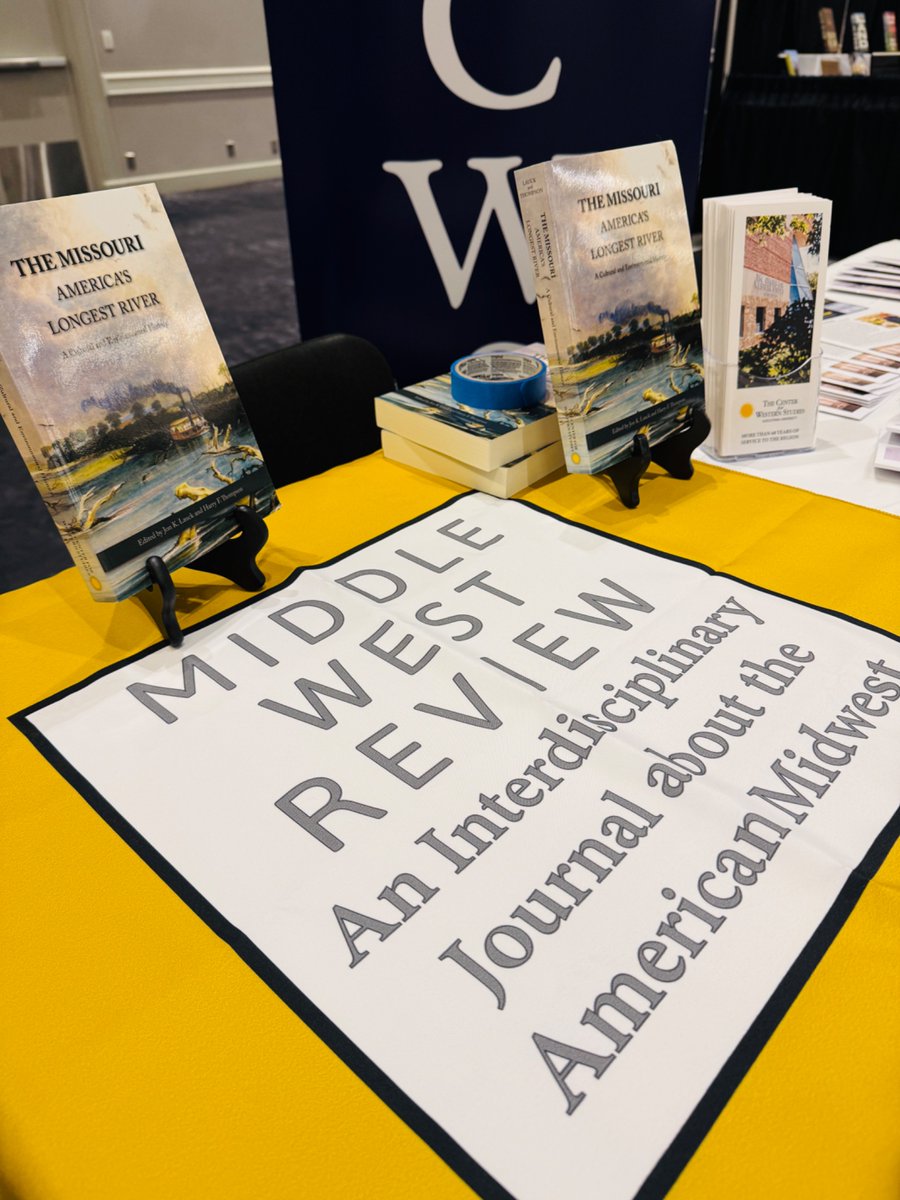
The Midwestern studies conference will kick off here at the center in a few weeks with a lecture @jmart on Midwestern politics. Many great speakers are on the program and many angles of Midwestern history and life will be covered. The conference is free.
https://t.co/q25cttIcBt
Pabst is 1 of breweries that helped make Milwaukee famous! Take step back in time with this 1905 view of Pabst Brewery shipping yard. Shows teams of horses hitched to wagons loaded with barrels of beer, each guided by a man holding reins. @PabstBlueRibbon 📸: W011D9J
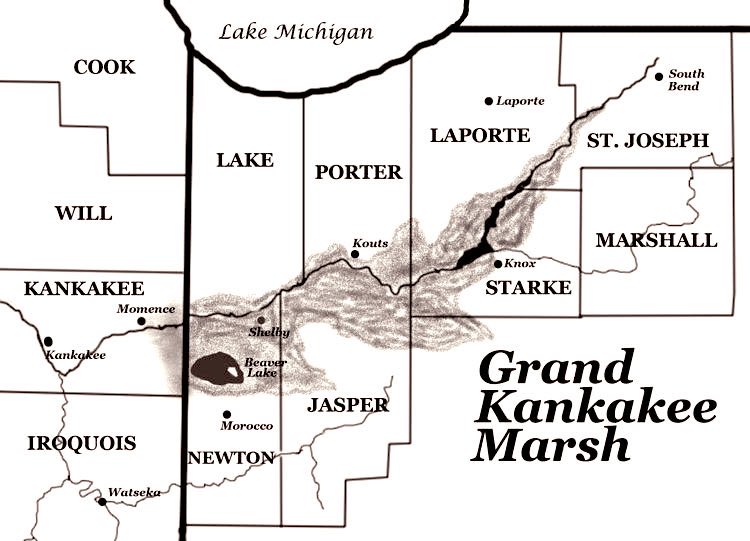
A stretch of river in Indiana once took roughly 250 miles to travel a distance you could now cover in 90. Crews cut through the bends and straightened it so the surrounding country would drain.
That country was the Grand Kankakee Marsh.
Hundreds of thousands of acres of wet prairie, shallow water, marsh and wooded swamp spread across northwestern Indiana into Illinois. Estimates of its full extent reach about a million acres. Much of the ground people now pass as ordinary farmland belonged to that wetland.
For Potawatomi communities, this was a homeland. Food, travel and daily life followed water routes through a landscape later described as needing improvement.
Then came drainage ditches, dredging and a shorter river. Water that had spread across the basin was given a faster way out. Land could be planted.
The straight channel is still there. So are surviving pieces of marsh, though you have to know what you’re looking at to imagine the country between them.
I’d like to see an Indiana highway sign that says what used to be under the corn.
Floyd of Rosedale wasn't created to "spice up" the Iowa-Minnesota rivalry, he was literally created to unspice down a game that threatened to descend into a riot
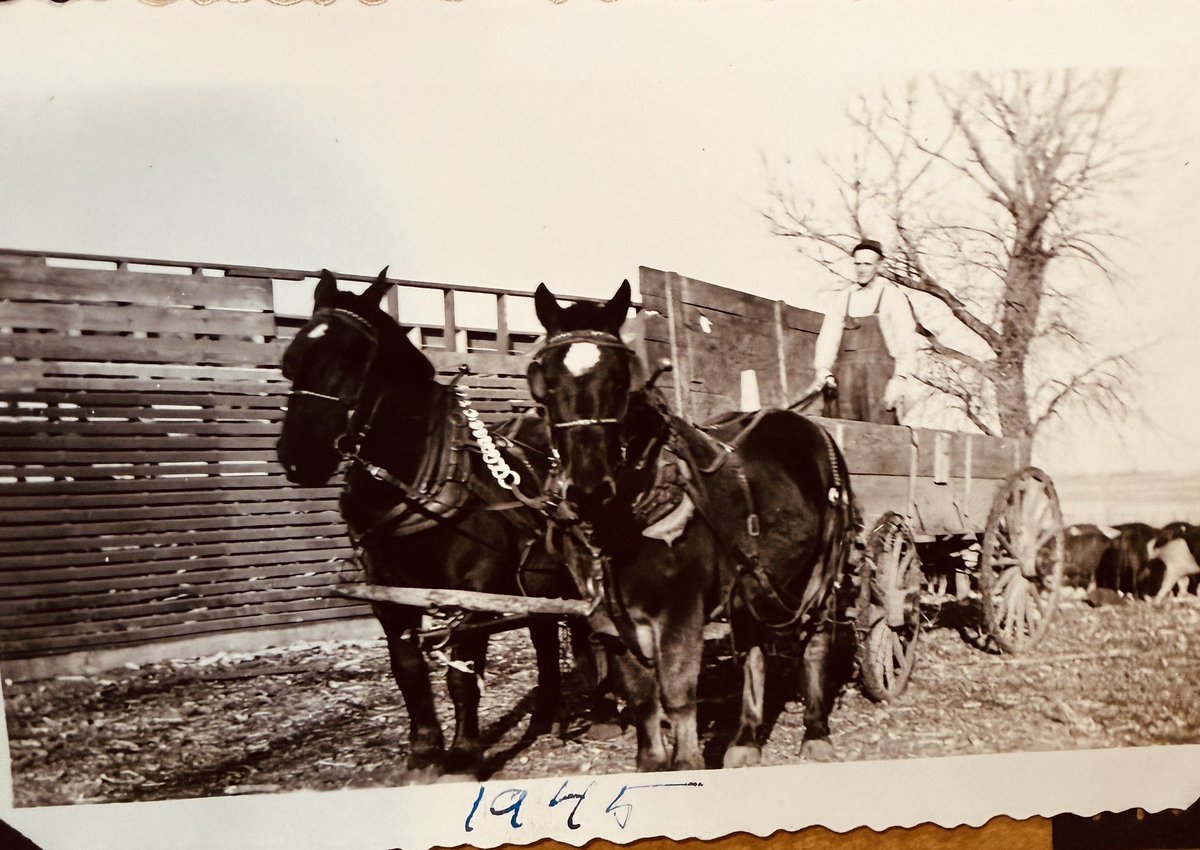
My Grandfather Richard Barry after picking a load of corn and bringing it in from the field to put in the corn crib. Lake County, SD, 1945. The horses are named Queen and Midge.
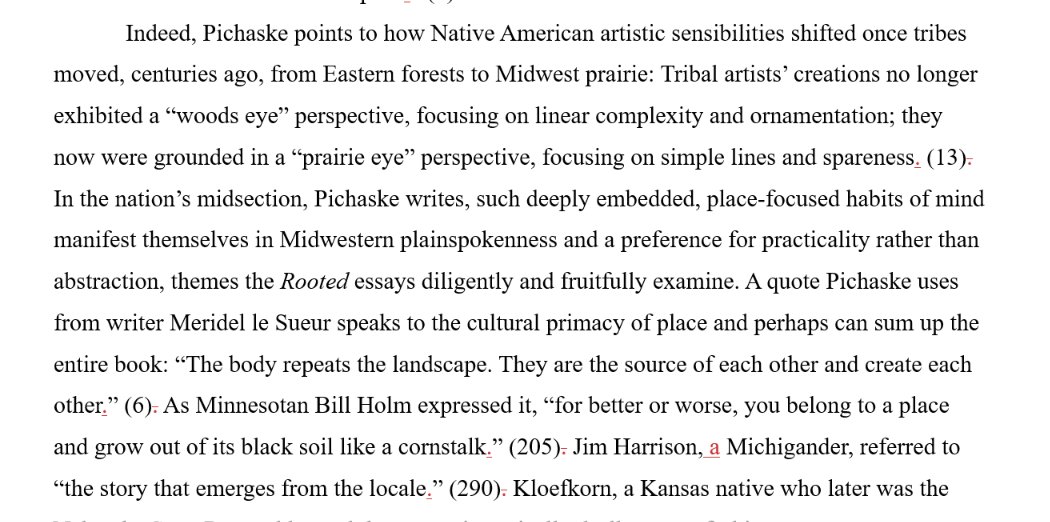
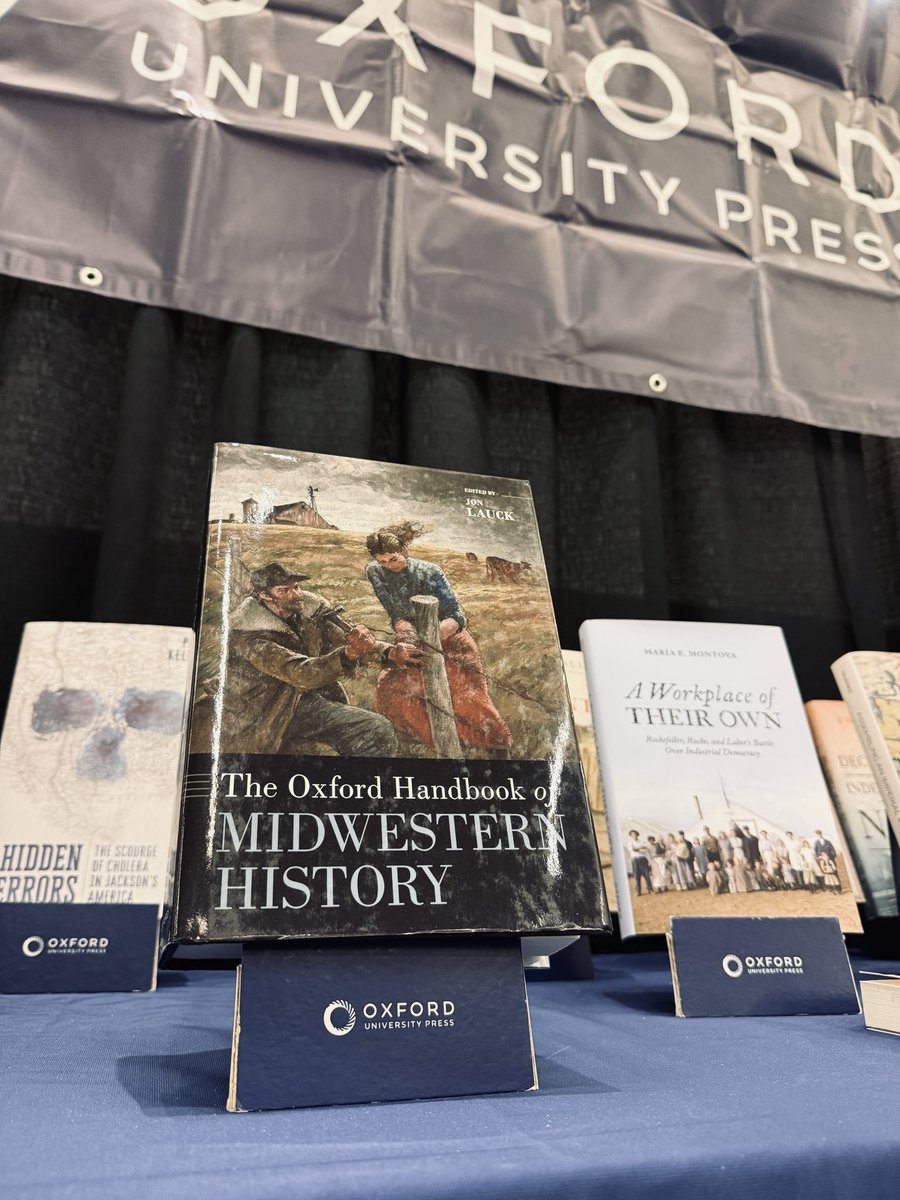
Here's an excerpt (immediately below) from the review essay I have in the new issue of Middle West Review @MiddleWestRev of David Pichaske's ROOTED: SEVEN MIDWEST WRITERS OF PLACE: a “woods eye” perspective compared to a “prairie eye” perspective
The profound influence of #Midwest rootedness: "the story that emerges from the locale"
The excerpt is from Pichaske's impressively rich introduction
(@TimTrudell2, a Native American tangent of interest)
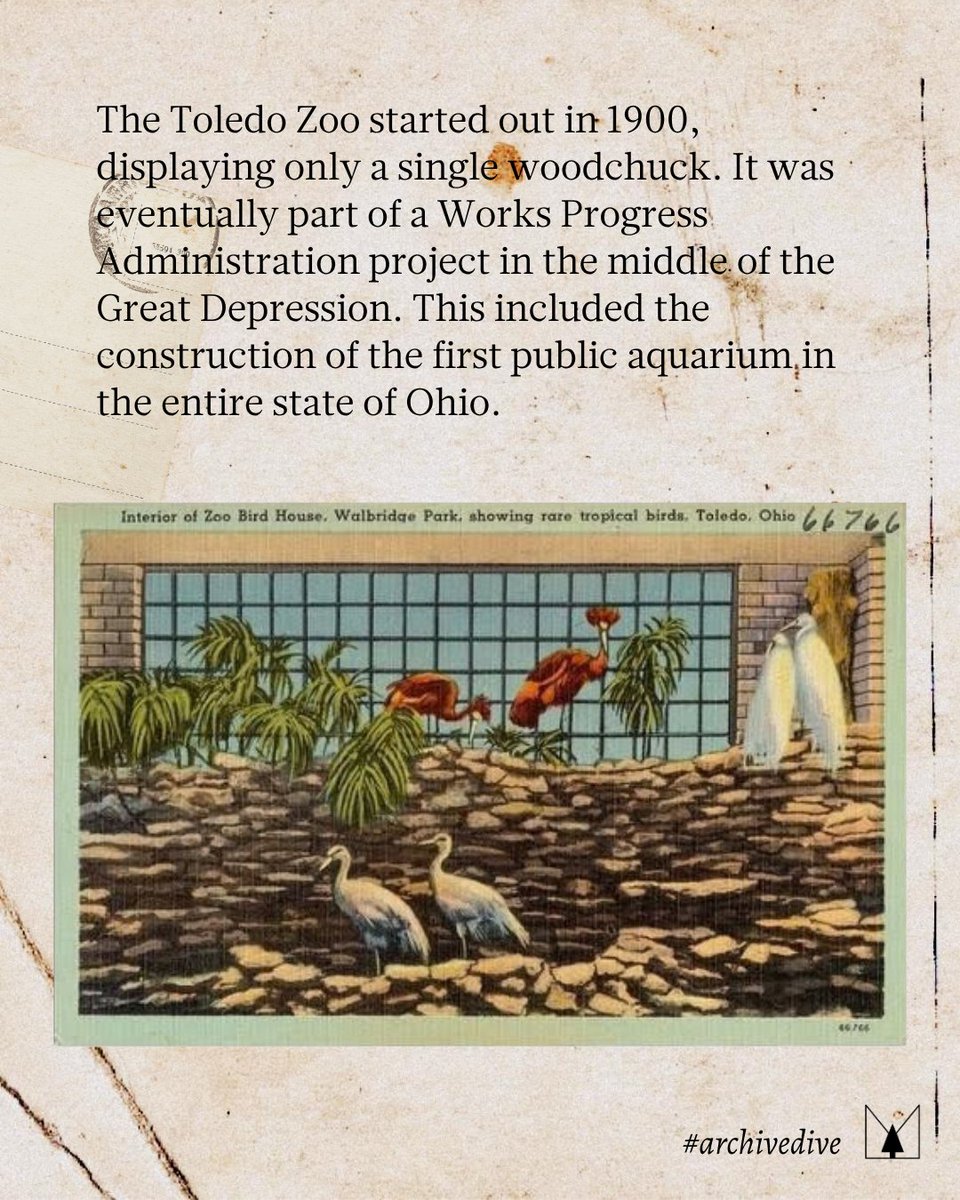
This week's #archivedive explores postcards from another era of Toledo, Ohio, preserved in the Ken Levin Toledo Postcard Collection. These are just a few of the many historic locations featured in the collection.
📸: Toledo Lucas County Public Library
#toledo#toledohistory
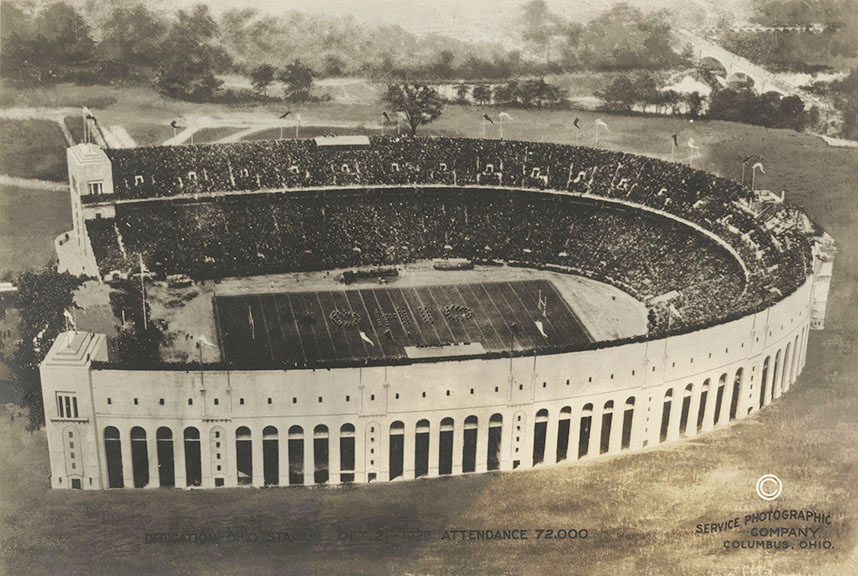
On this day in 1922, Ohio Stadium was officially dedicated! Explore historic photos and fun details from that day in our Stadium resource guide! https://t.co/7y1KmoPAmu
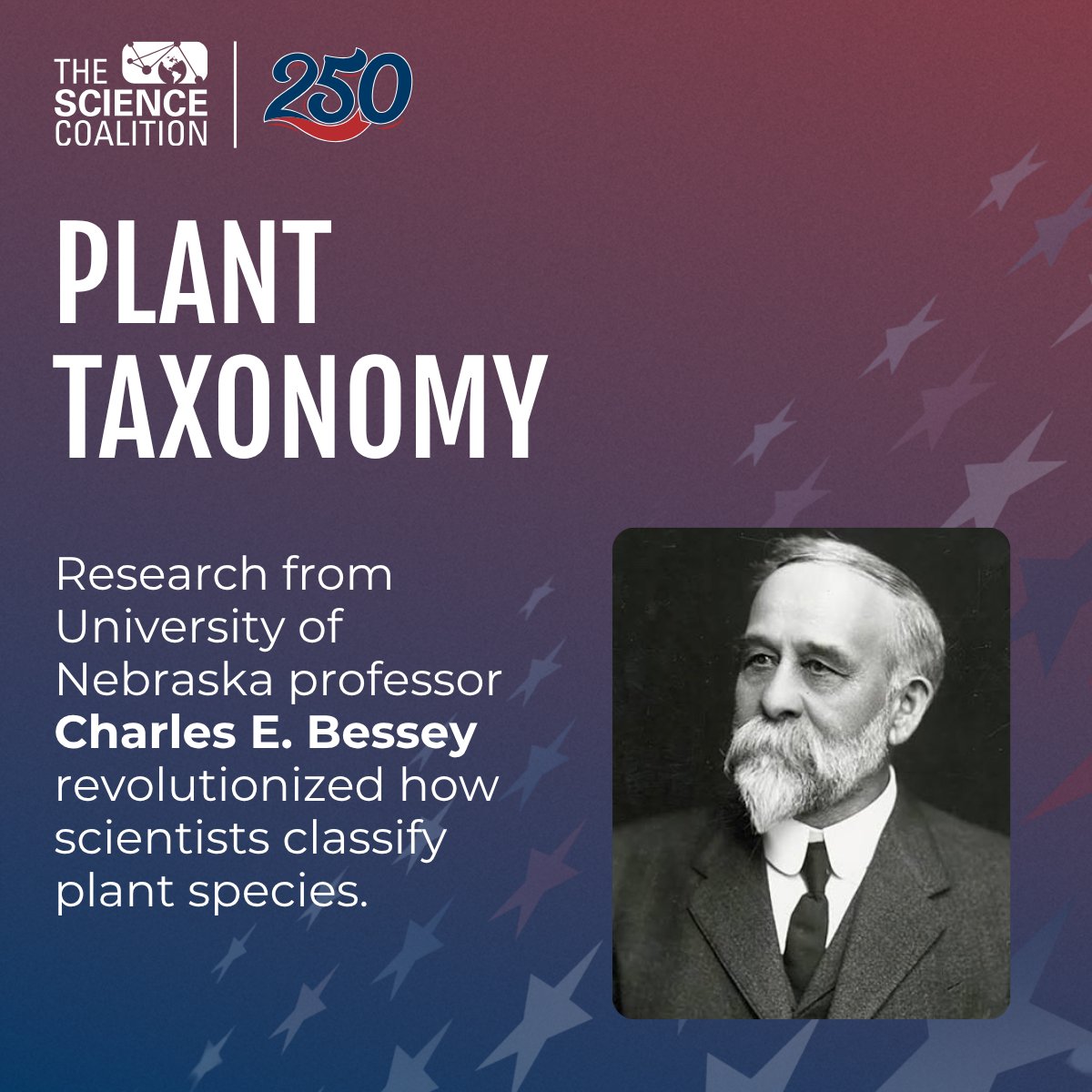
Research led by a @u_nebraska professor pioneered an early system of plant classification, shaping major taxonomy systems and the field of botany for decades.
Explore 250 Years of Innovation powered by federally funded research at U.S. colleges and universities:
@UNLresearch
https://t.co/m99rtYeE01
Counting down to the 2026 Lost Region Recovery Project Conference! 🍂🚜🌃 We’re bringing together friends and neighbors from across the county -- and you’re invited!
This event is FREE and open to anyone who cares about the Midwest: its past, present, and future. Come for open conversations, new partnerships, and a true Midwestern welcome.
🔗 Ready to join us? Tap the link in our bio to RSVP and see what’s in store!
Perched high above the forests of Wisconsin stands one of the most magnificent Catholic churches I have visited in America: the Basilica and National Shrine of Mary, Help of Christians at Holy Hill.
Completed in 1931 and entrusted to the Discalced Carmelites, this Romanesque basilica rises above the countryside with its twin spires, magnificent stonework, and unmistakably Catholic grandeur.
But the interior is something else entirely.
Soaring vaulted ceilings, massive arches, marble columns, and a sanctuary that is almost overwhelming in its beauty.
The high altar alone weighs more than 40 TONS and took two years to construct. Above it, a magnificent canopy supported by towering red marble columns frames a mosaic known as The Court of Heaven, composed of some 90,000 pieces of glass and ceramic. Christ sits at the right hand of the Father, with Our Lady, St. Joseph, and the Twelve Apostles depicted around Him.
Gold leaf adorns the sanctuary, and above the altar stands a great crucifix, drawing the eye to Our Lord.
Everywhere you look, there is another detail to discover. And all of it serves a purpose: to glorify God.
And I haven't even mentioned the extraordinary stained-glass windows. They deserve a post of their own.
Our Catholic forefathers knew how to build churches. They built for the glory of God, and they built for generations they would never live to see.
What a treasure Holy Hill is.
Today, National Geographic revealed its BEST OF THE WORLD 2027, the renowned annual list of 25 must-visit destinations and travel experiences that deserve a place on travelers’ calendars in the year ahead.
More here: https://t.co/TRQVG36Vh0