🌱🦠 Las plantas y las bacterias se “hablan” constantemente. Una de las moléculas clave de esa conversación es el ácido indolacético (AIA): una hormona vegetal que las bacterias también fabrican, detectan y utilizan. 🧵👇https://t.co/7Btl7dKGFT
A new special issue on Plant-Microbe Interactions in the Plant Holobiont, featuring research on plant microbiomes, microbial ecology, plant health, & sustainable agricultural systems. We welcome Opinion articles, Highlights, Reviews, Research articles & Brief reports. SUBMIT NOW
📢 Call for Papers! 🌱New Special Issue in @MicrobialBiote1: "Plant–Microbe Interactions in the Plant Holobiont"
📅 Deadline: 30 April 2027
Info: https://t.co/diQ9yVTJEW
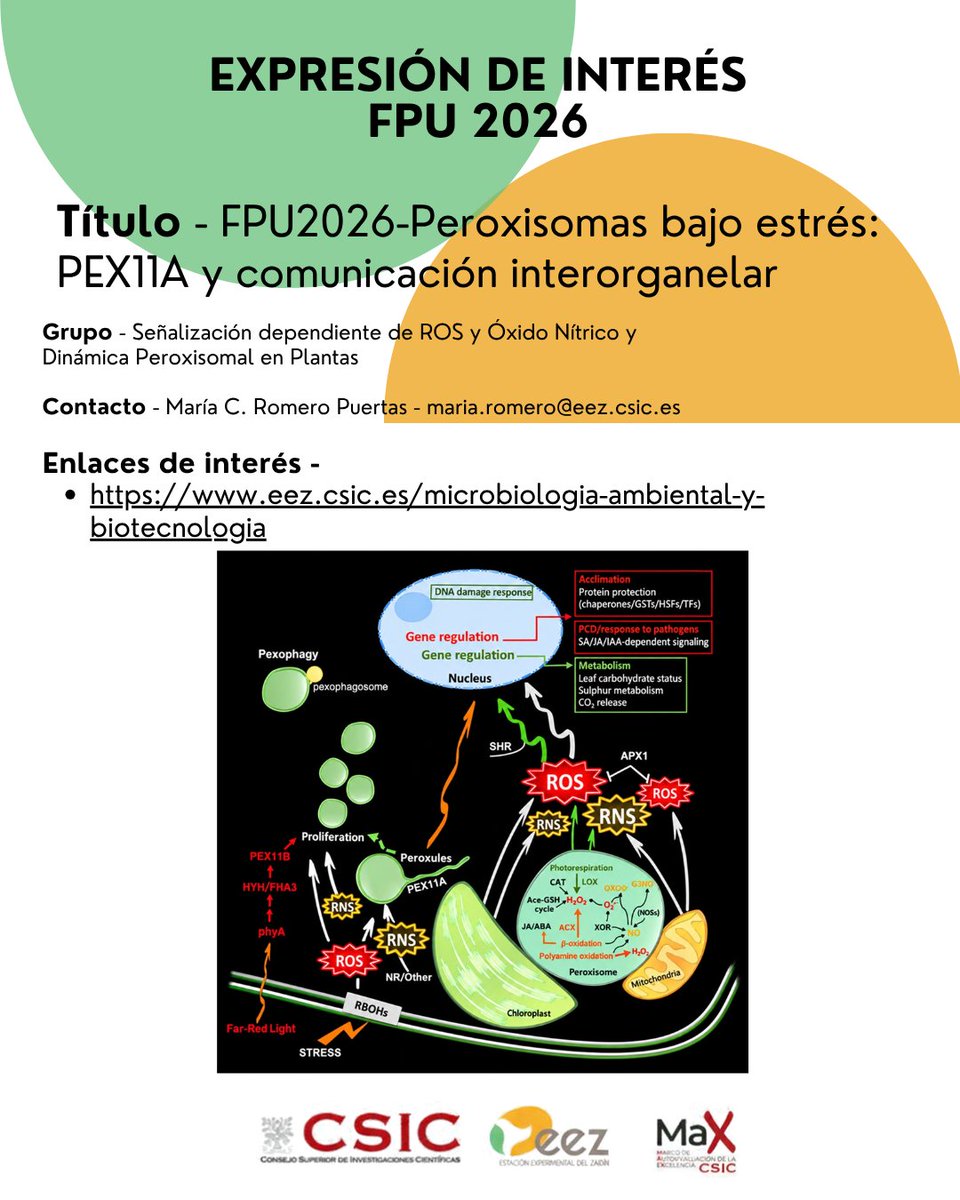
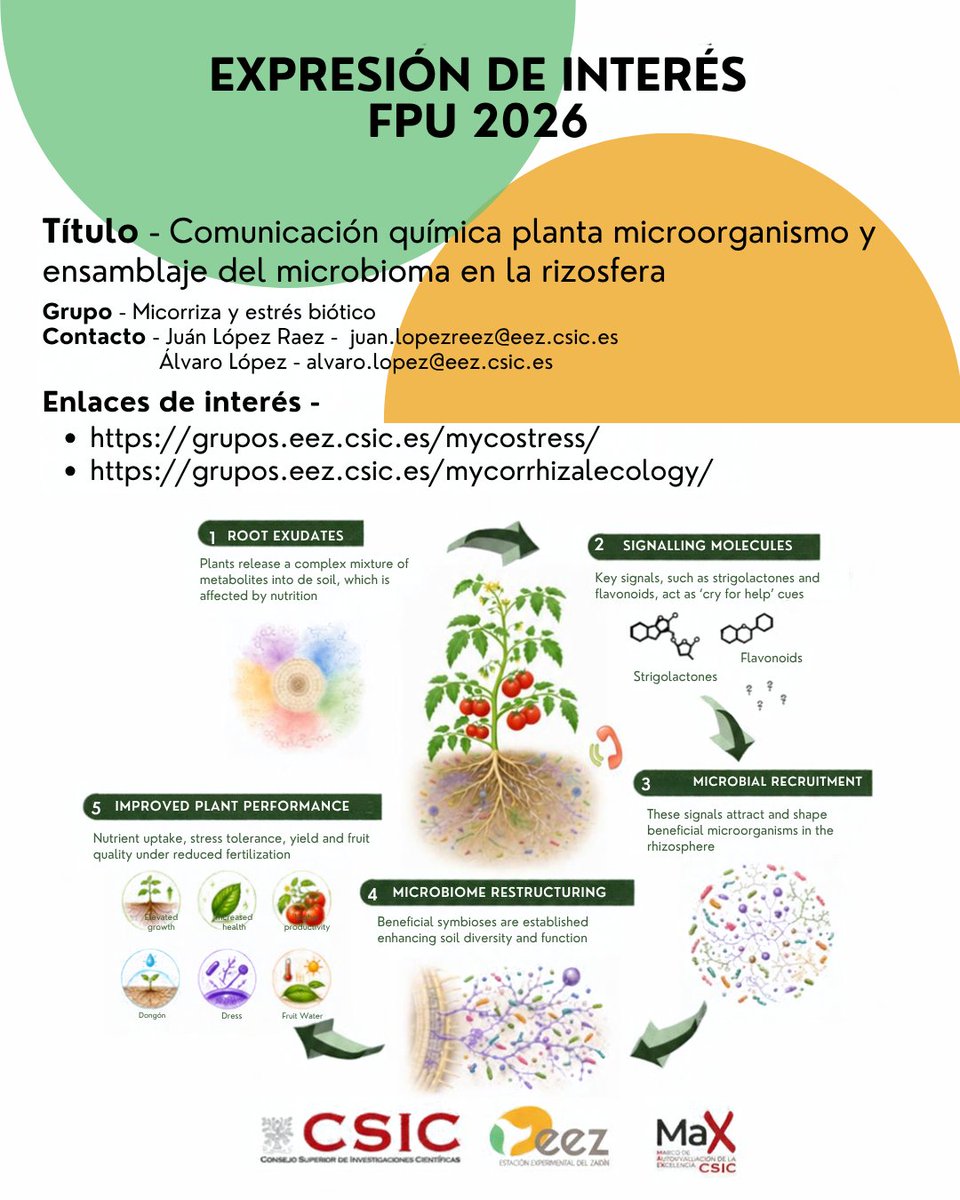
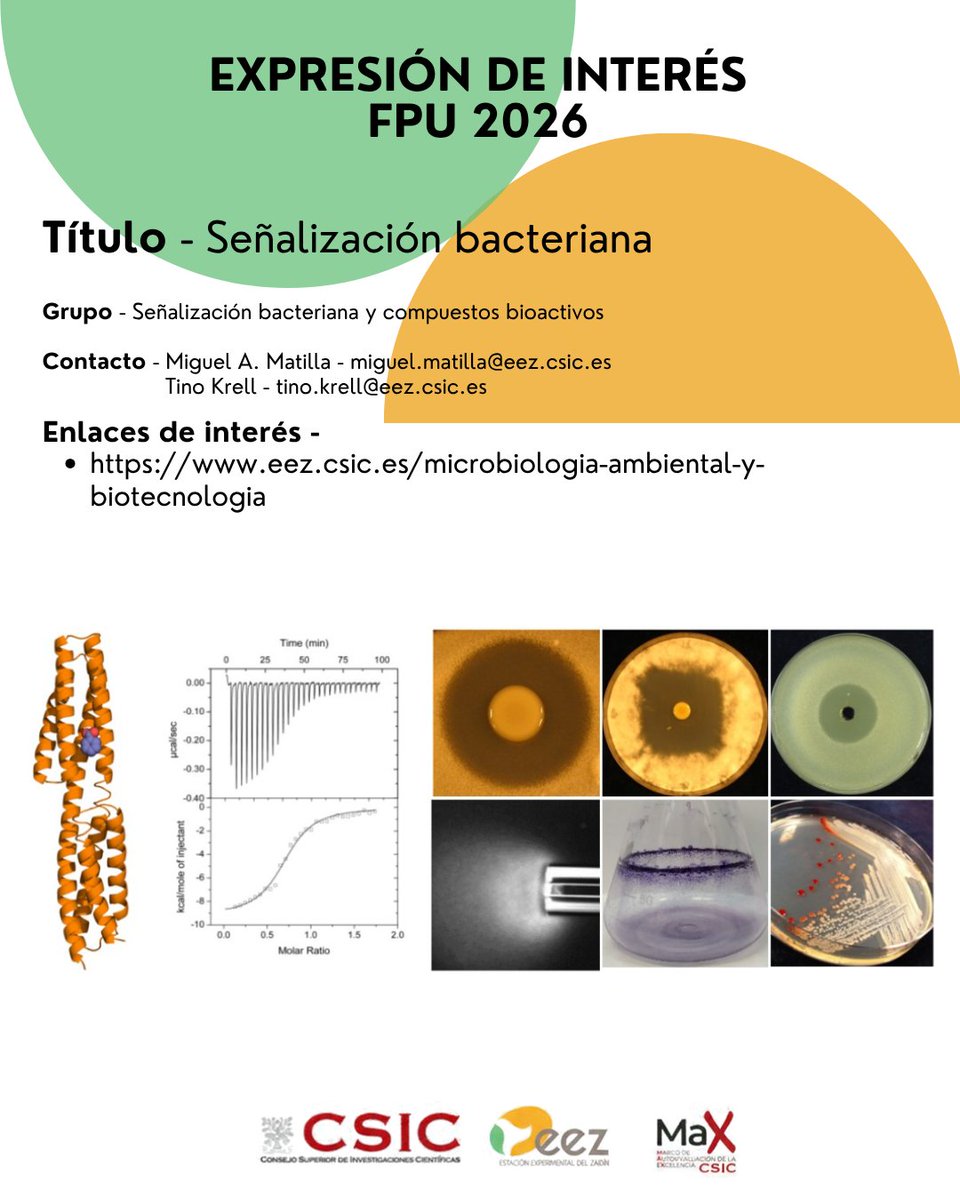
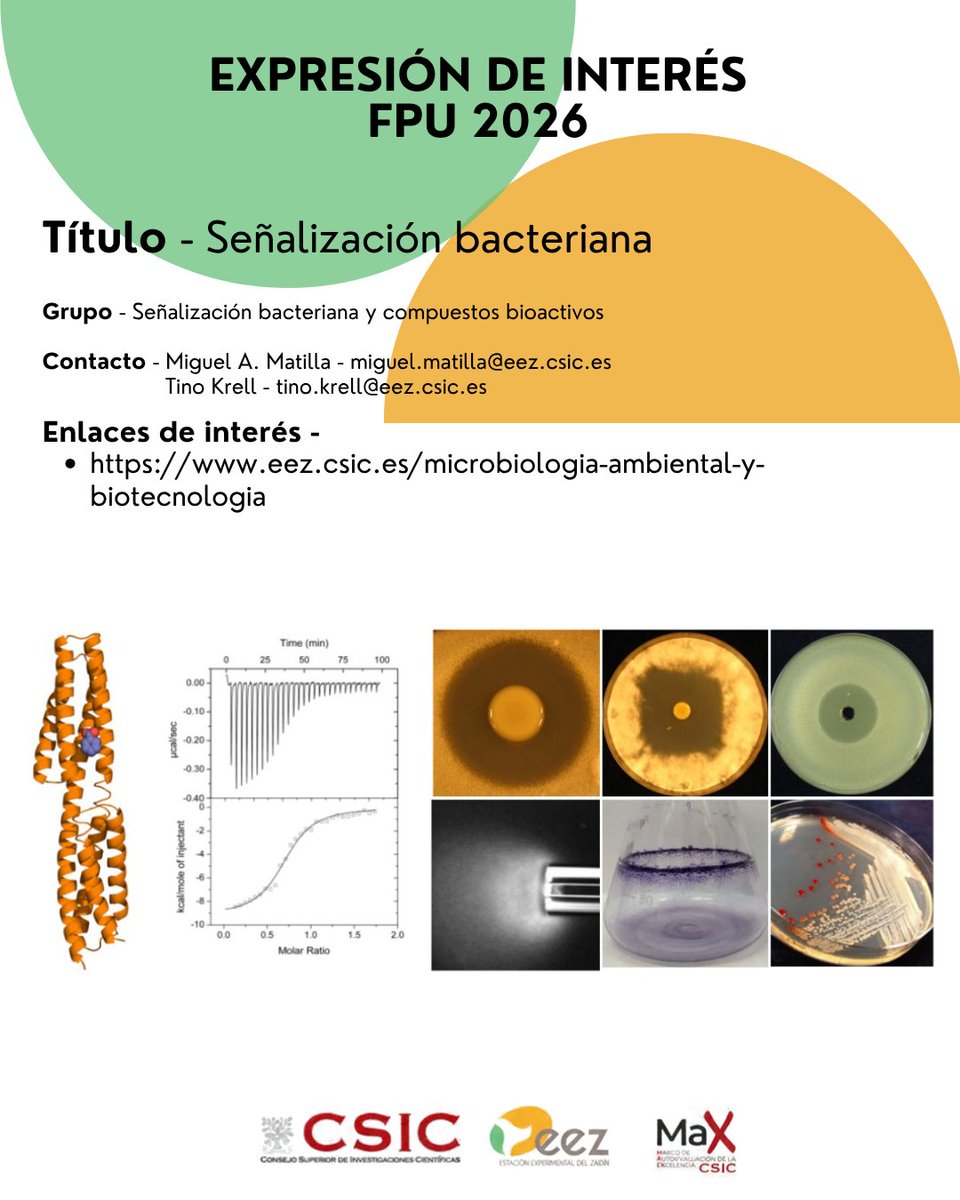
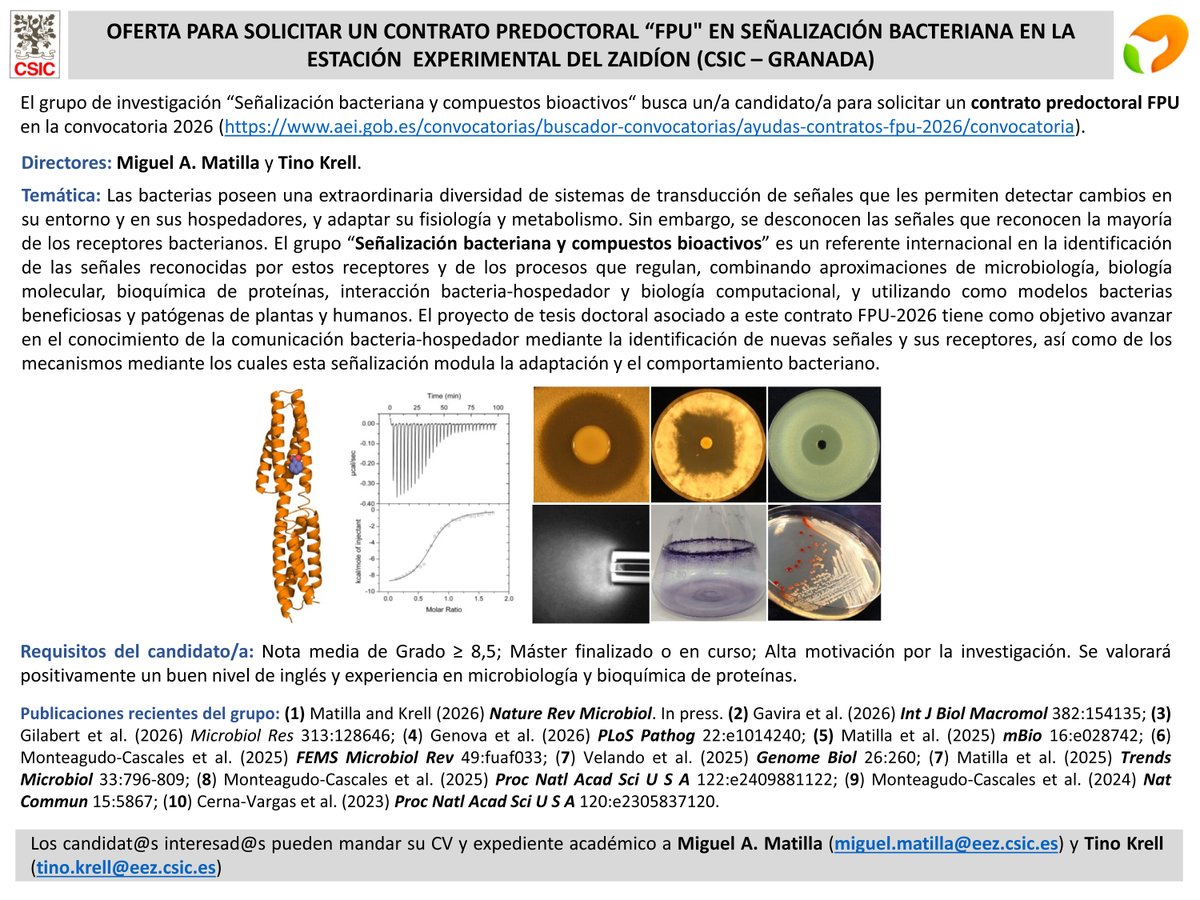
Recordad que próximamente se abre el plazo para solicitar las FPU y en nuestro centro tenemos varias muestras de interés en temas muy diversos... te vienes a la EEZ?
Más informaión en la web https://t.co/Sxpt852E69
🎓🔬 ¡5 oportunidades para hacer tu tesis doctoral con una FPU 2026 en la EEZ-CSIC!
¿Estás pensando en doctorarte? Estas son nuestras propuestas 👇
📅 Solicitudes: del 20 de octubre al 20 de noviembre de 2026
💶 Contrato de 4 años con 143.350 € de financiación total
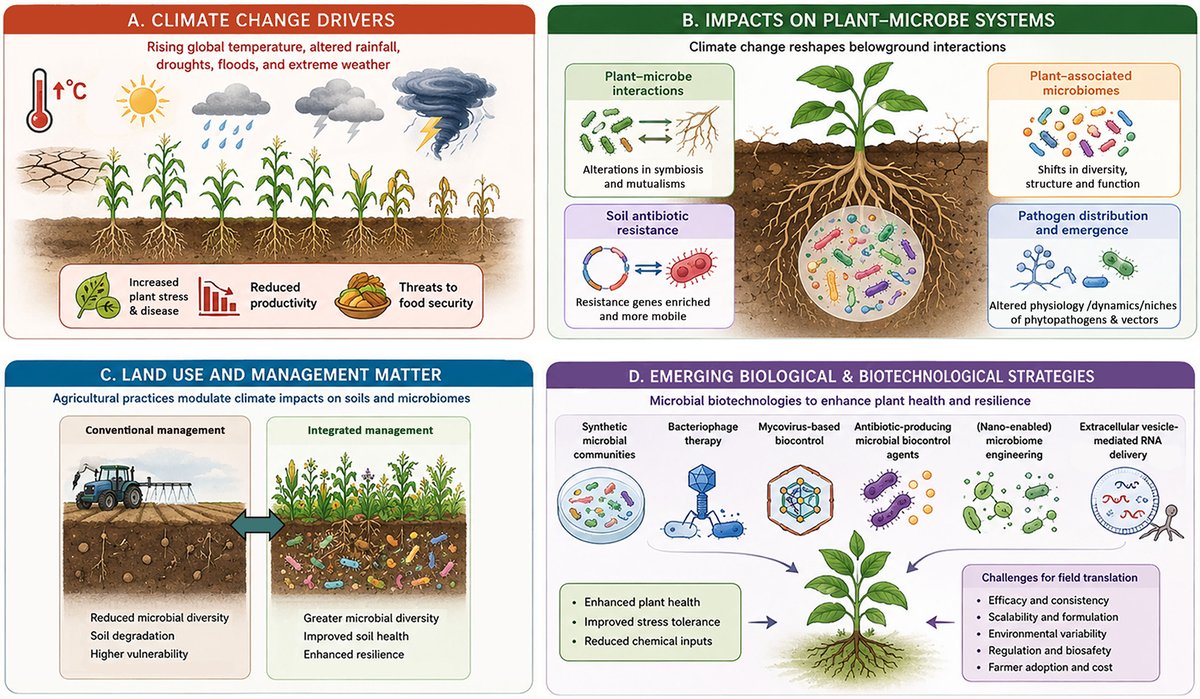
🌍 In our new @MicrobialBiote1 article, we discuss how #ClimateChange is reshaping plant health and #PlantMicrobeInteractions, and highlight the potential of microbial biotechnology to enhance crop resilience and support more sustainable agriculture🌱🦠
https://t.co/NNUCMniQvx
🌱🦠 Discover the biology, ecology and signalling of the bacterium Serratia plymuthica in our new review in @TrendsMicrobiol, exploring its roles in plant growth promotion, biocontrol and environmental adaptation.
@EEZCSIC@CSICdivulga@SEMicrobiologia
https://t.co/0E73N2DOyq
🌱🦠 Discover the biology, ecology and signalling of the bacterium Serratia plymuthica in our new review in @TrendsMicrobiol, exploring its roles in plant growth promotion, biocontrol and environmental adaptation.
@EEZCSIC@CSICdivulga@SEMicrobiologia
https://t.co/0E73N2DOyq
Same strain, different worlds: can lab evolution predict nature? Coding mutations were highly parallel in the lab, while field evolution repeatedly targeted intergenic regions. https://t.co/o8LkleDesW @microbomics
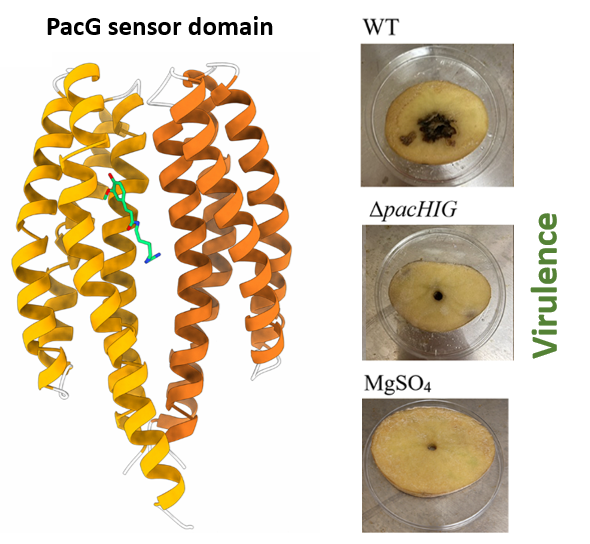
Our new study shows that a phytopathogenic bacterium uses distinct receptors to detect plant defence compounds released upon infection, revealing an important role for chemotaxis in plant virulence. @KrellLaboratory@Gavirius@BlastMeetings@CSICdivulga
https://t.co/RmniBCmMg3