In my placement, I noticed that guided reading or role playing is a great way to engage your students! Students feel immersed in the experience of the story and are able to get into character. @PJLanguageArts
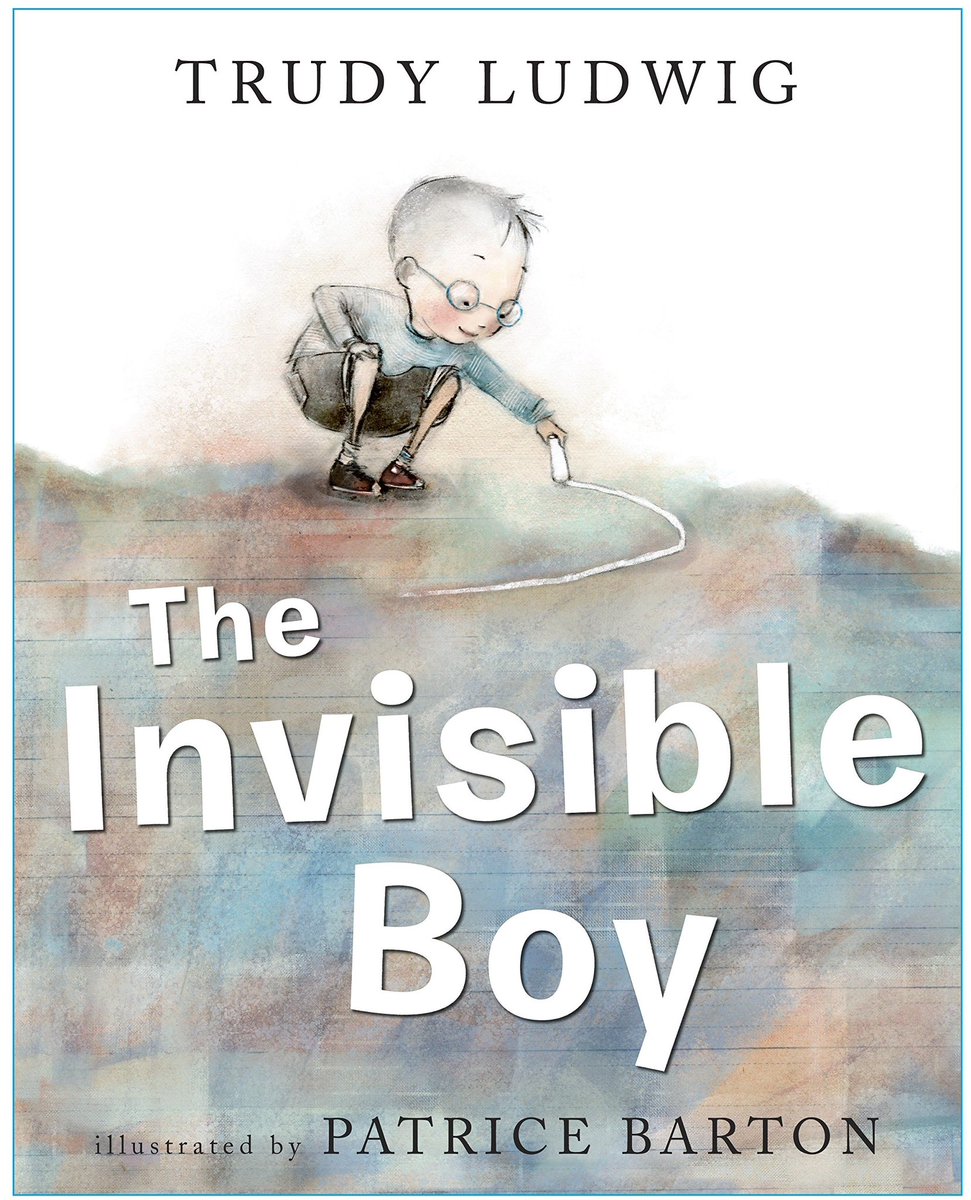
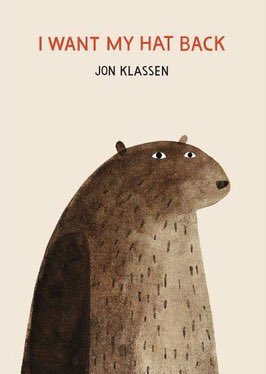
Here are some books that are great to use in your classroom! These books touch on more sensitive topics. These would be great to incorporate in the classroom and allow you students to reflect and make connections to their real world experiences! @PJLanguageArts
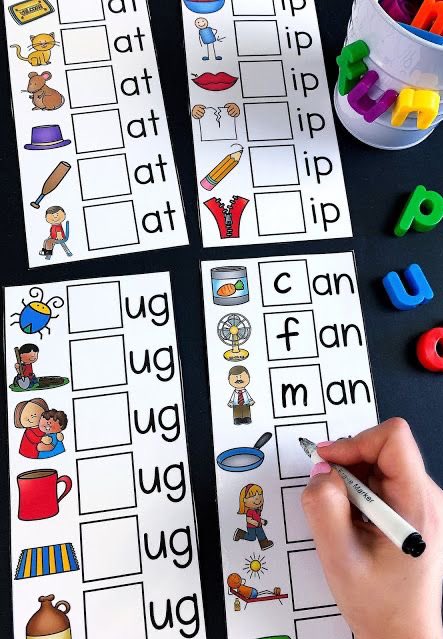
This is a great activity to get children to spell out words! They have a chance to use their schemas and visual awareness, by looking at the pictures and identifying what the first letter of the word is. @PJLanguageArts
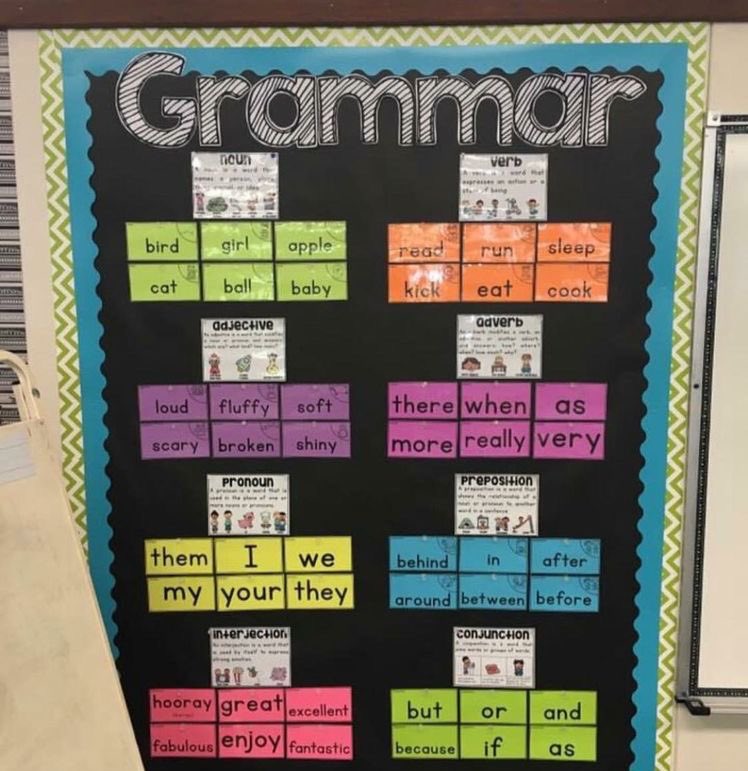
Grammar walls can be used for students to reflect on words they’ve learned. You can update your grammar wall throughout the year by replacing it with new words your students learn! @PJLanguageArts
Word studies are an interactive way for students to learn new words! Have your students work in groups to find words in the dictionary. Have them write down the definitions and write all of the words in alphabetical order. You can even make a game out of it! @PJLanguageArts
This simple activity is a good way to get students to practice connecting images with words! This also allows students to sound out words and practice their writing skills. @PJLanguageArts
Here’s a fun activity to help children memorize the alphabet! In this activity, students have to feed the ghost each letter of the alphabet in order. This would be super interactive in the JK/SK classroom. @PJLanguageArts
This Egg Sort activity is a fun and easy way for students to categorize nouns and verbs. Additionally, creating an adjective egg carton would expand the activity! @PJLanguageArts
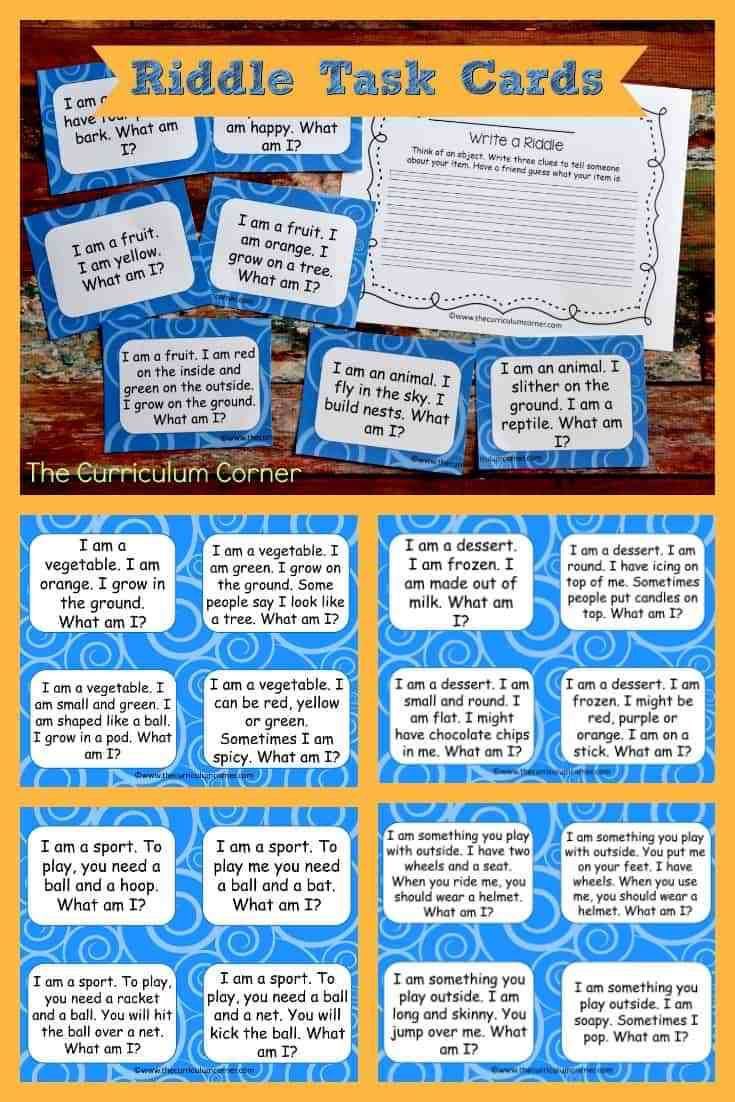
In my placement I used Riddle Task Cards to teach students inferencing! This worked well as the students were very engaged throughout the activity. This can be altered depending on the grade you are teaching! @PJLanguageArts
These two books are great to use for inferencing! They both have plots that allow for students to predict what may have happened at different points in the book. Using prompting questions and pausing throughout would be beneficial to students! @PJLanguageArts
NY times “picture of the day” is a great resource to use in the classroom. Display the photo to your students and have them guess what is happening. This helps students practice visual thinking! @PJLanguageArts
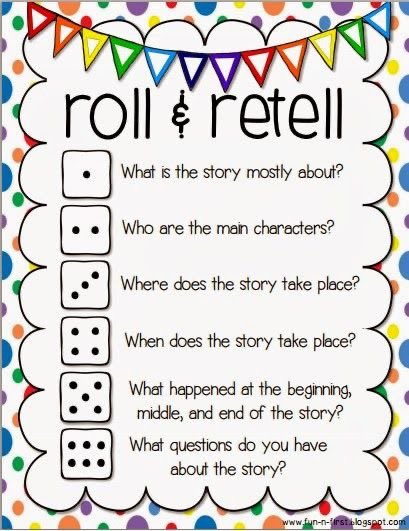
This is a simple engaging activity that students can do in small groups! Roll & Retell allows students to practice summarizing regarding a story they’ve read. @PJLanguageArts
A method used during my placement to engage students in descriptive writing was by doing the candy cane activity. Students open and eat candy canes. They are asked to use their 5 senses to describe their experience when eating the candy cane. @PJLanguageArts
A great cross-curricular assignment to give students is a book report paired with drawing their own book cover (for the book they read). This allows students to express their understanding of the book not only in their report but also with visual arts. @PJLanguageArts
In my placement, students learned how to read (a book or story) and create a summary. They were asked to do a book report on any book of their choice. The students were asked to summarize what their books were about. This was used to give an outline for them. @PJLanguageArts
During my placement we created worksheets with sentences that contained grammatical errors. As a consolidation the corrections were discussed with the class. This seemed to give clarification to students who were struggling with understanding punctuation. @PJLanguageArts
In our Language Arts class we learned about the benefits of using pencil grips. They can help with comfortable and efficient writing. I had never heard of pencil grips and believe they would have been useful for my grade 5 students (in my last placement). @PJLanguageArts
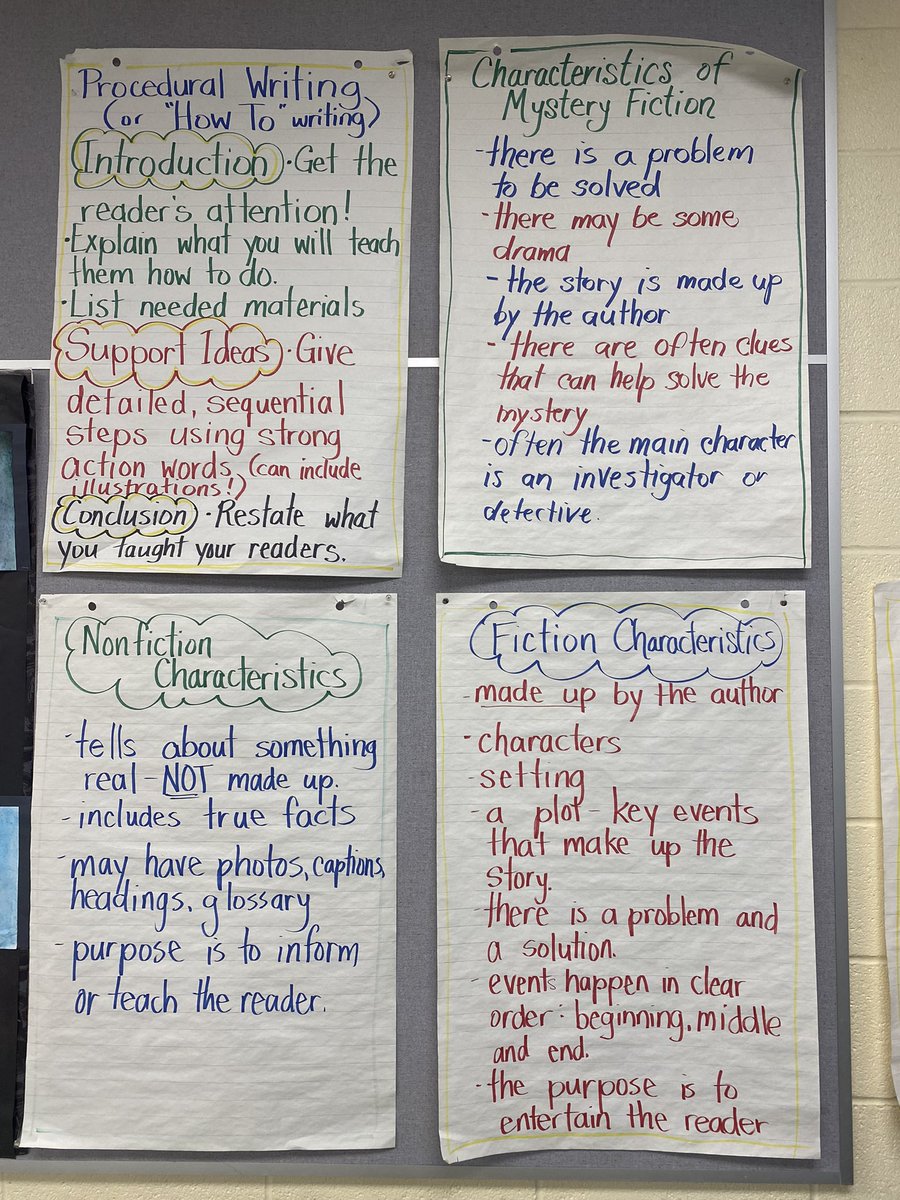
During my placement, students were learning about fictional and nonfictional stories. Chart paper was used to remind students about what they have learned of these stories and “how to” write them. This was helpful for students to refer to when needed. @PJLanguageArts
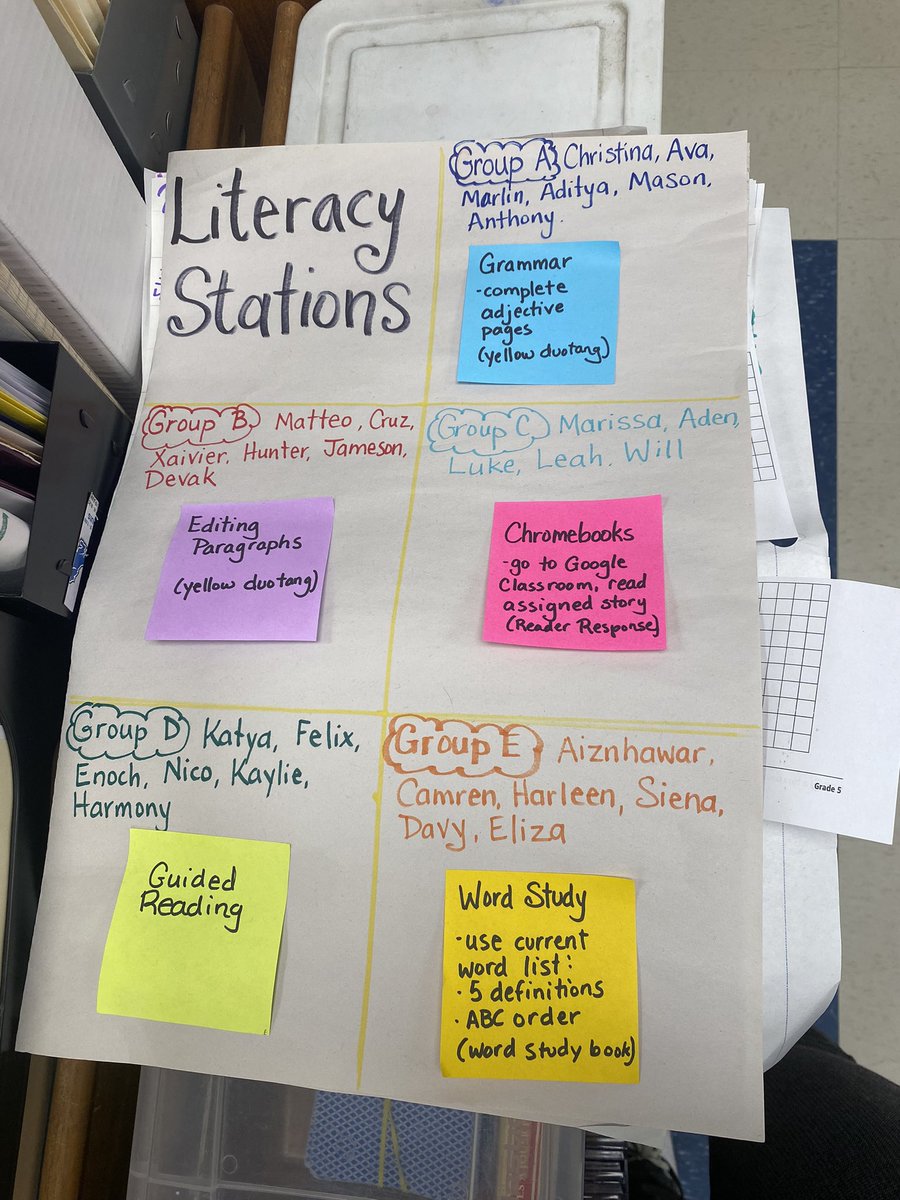
In my placement we developed a set of literacy stations for our grade 5 students! These stations included: grammar, guided readings, paragraph editing, word studies, and Chromebook activities. Students were able to work in groups to allow for ideas to be shared. @PJLanguageArts
In placement, one of the resources my associate teacher created that students used often was the word wall. I would often assist in updating the word wall with new words students learned. This turned out to be a great resource that students often referred to. @PJLanguageArts