Run the math on the lunch and it falls apart in about ten seconds.
A $28 lunch every working day is roughly $7,000 a year. That is the entire prize for never eating out again.
Now look at what actually moved. The median US home went from $321,500 in 2019 to about $420,300 in 2024. That is nearly $99,000 in five years, close to $20,000 a year. A Gen Z worker who banks every single lunch saves $7,000 while the house they are chasing gets $20,000 more expensive in the same twelve months.
You can do everything Kevin says and still lose ground.
Zoom out and it gets worse. Since 1980 home prices are up 551% and incomes are up 373%. The price-to-income ratio went from 3.65 to over 5. The distance between what a salary buys and what a house costs is the whole story, and no amount of skipped sandwiches closes a gap that compounds faster than anyone can save.
The lunch was never the variable.
The math gets funnier when you check who is giving the lecture. Kevin took just under $15 million to be the face of FTX, put around $9.7 million of it into crypto that went to zero, and held a $1 million stake that also went to zero. The man telling 23-year-olds that lunch is why they stay poor lit more money on fire in one bad bet than most of them will earn in a lifetime.
A $28 plate of ham and cheese was not the problem.
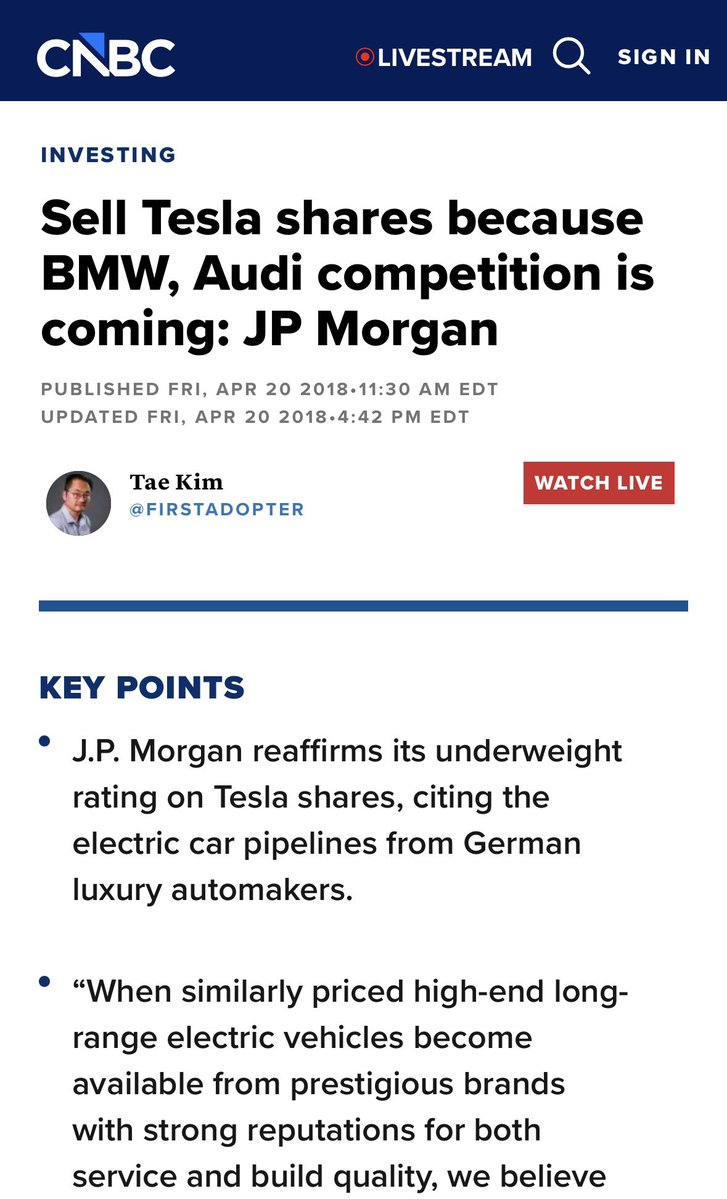
BREAKING 🚨 Tesla is developing an all-new smaller, cheaper electric SUV, four people familiar with the matter told Reuters 🔥
The automaker has contacted suppliers in recent weeks to discuss details of the plan for the compact SUV – which would be a new vehicle and not a variant of Tesla’s current Model 3 or Y, the people said. The conversations involved the manufacturing process and specifications for various components, they said.
Three of the people said the compact SUV would be produced in China, and one said Tesla also aims to expand production to the United States and Europe. The car would be 4.28 meters in length, or about 14 feet, two of the sources said. That’s significantly shorter than Tesla’s top-selling Model Y SUV, which is about 15.7 feet long.
I have 3 kids and own a MY. I just got home from a 10 hour drive from a week at the beach. Kia Carnival with 5 bikes on the back would not be possible in any Tesla. Even the CyberTruck would create problems
I just signed the papers on a Tesla and am waiting for it to arrive. The biggest appeal was the self-driving feature. Second was never having to go to the gas station again (convenience more than cost.) I decided to do a 3 year lease instead of buy as I suspect the car will be outdated soon given the speed with which the technology is advancing.
Having a team together for over 5 years is a big advantage. Rec programs around here scramble the rosters every year to prevent a dominant team every season.
Zero chance a rec team of 10 year olds beats a club team. Unless they were both brand new teams. 10 year old club teams around here are passing and spacing that would have a rec team exhausted in 10 minutes
Tell me again how clubs, teams, and travel teams aren't scams?
My $ 80-per-season son's soccer team beat a $ 5k-per-kid club team.
Somewhere along the way, youth sports stopped being about kids and started being about parents.
Club sports promise:
• better coaching
• more exposure
• better competition
• scholarships
But the numbers tell a different story.
Only about 1% of high school athletes get a college athletic scholarship.
And most of those aren’t even full rides.
Meanwhile, families are spending:
• $3k–$7k a year on club teams
• travel flights
• hotels every weekend
• private trainers
• camps
Over 10 years, that’s easily $50k+ per kid.
For youth soccer.
At 10 years old.
Meanwhile, rec sports still do what youth sports were originally meant to do:
Kids play with friends.
Parents sit in lawn chairs.
Everyone grabs pizza after the game.
Low pressure.
Pure fun.
And kids who love the game usually end up getting better anyway.
Our $80 rec team proved that last weekend.
So I’m curious…
Are travel sports actually for the kids…