@laramani14 & I have comment article in @Nature (https://t.co/Uvx5gVi8vi), highlighting the risk from large eruptions & what we could do about them. I was a bit worried that some info might get misconstrued, so wanted to provide a bit of context🧵@new_ub@CSER@OxUniEarthSci 1/n
🌋📽️ This animation shows the sulfur emissions generated by the eruption of the Ethiopian volcano Hayli Gubbi.
The data represents the values of Total column volcanic sulphur dioxide using CAMS data, with the plume extending from the African continent to India.
#CopernicusEU
It's not the first time a hidden volcano has caught us unawares and it won't be the last. This is why we founded the @GloVolcRisk charity -
to improve preparedness, strengthen monitoring and make sure the next “unexpected” eruption doesn’t become a global crisis.
While I was writing an article about why the world's little-known volcanoes may pose the greatest threat, an eruption from a volcano that has had no major documented eruption since the ice age erupted: #HayliGubbi volcano, Ethiopia: https://t.co/4OW15IIjGm
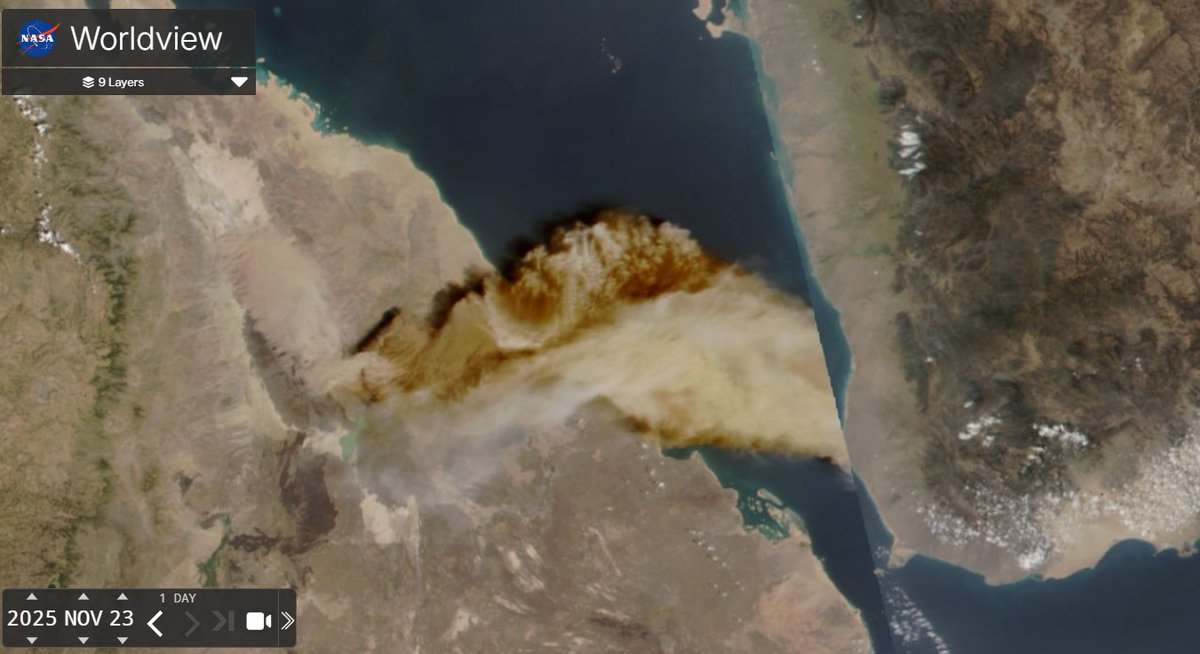
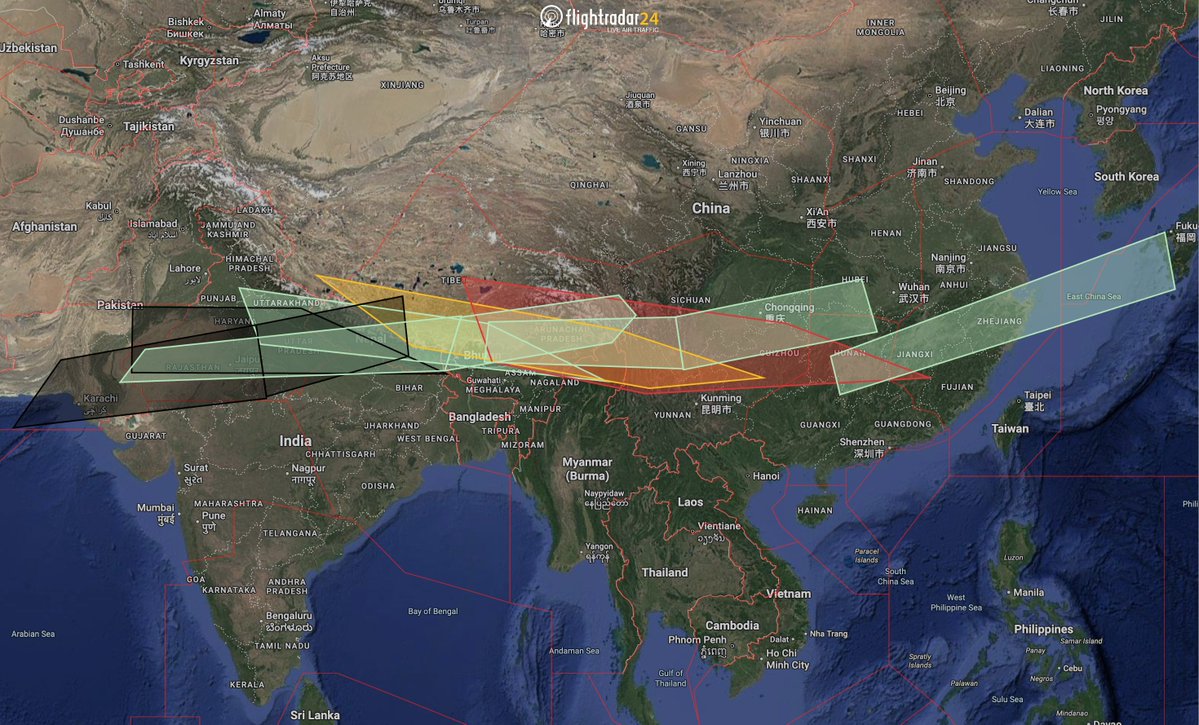
The ash cloud from the erupting Hayli Gubbi volcano in northern Ethiopia on November 23rd continues to move east. The Tokyo Volcanic Ash Advisory Center, one of nine VAACs worldwide, has now taken over responsibility for the so-called ‘ash event.
A major volcanic eruption in Ethiopia has disrupted flight operations, leading to the diversion of an IndiGo flight to Ahmedabad. Aviation authorities across India are closely monitoring the situation to ensure passenger safety amid ash plume threats.
The disruption comes as ash plumes from Ethiopia’s Hayli Gubbi volcano, which erupted on Sunday for the first time in nearly 10,000 years, were projected to move towards northern India, raising concerns for flight routes passing through the region.
Read more - https://t.co/jBfXVCvybc
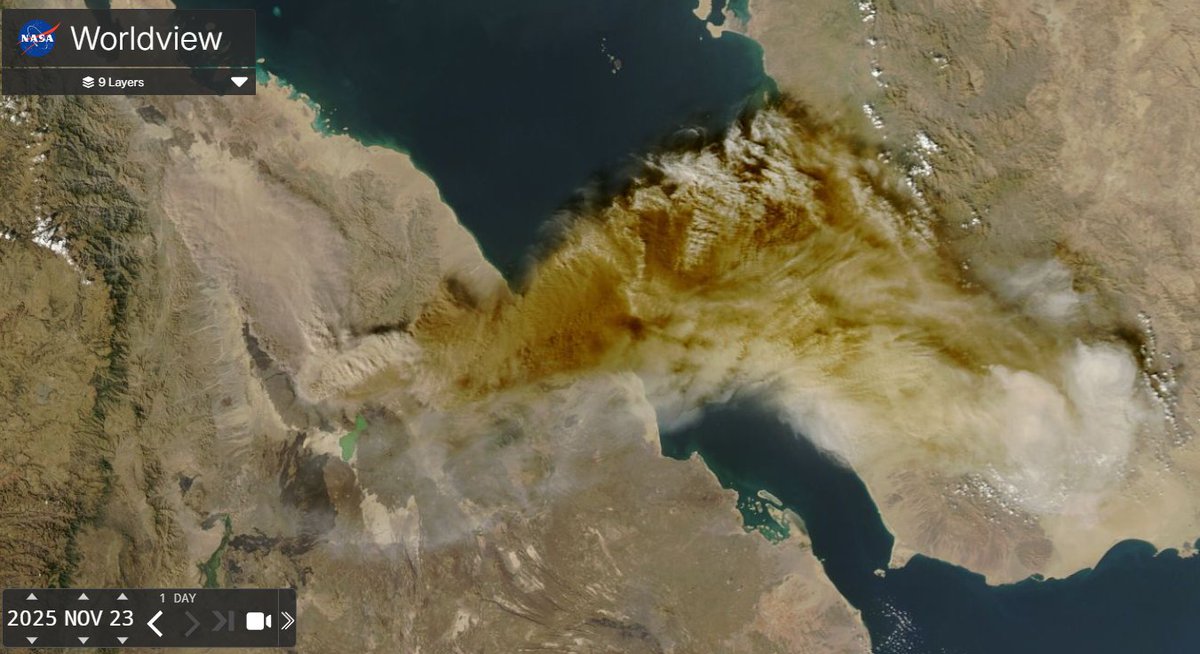
🌋 #HayliGubbi — a once-dormant shield volcano in Ethiopia’s Afar Rift — has exploded to life. Its ash plume soared to 45,000 ft, signaling a rare, high-energy event in a volcano with no known eruptions for millennia.
Visualized: @NASAEarth
🛰 #NASA🌍 #worldview
We’ve founded the Global Volcano Risk Alliance (@GloVolcRisk) to prepare for the eruptions that could reshape our world. If you’d like to support or donate towards our work: https://t.co/0rRujTCNag
🌋 Excited to share my new essay in Aeon: one of the most underappreciated global risks isn’t an asteroid or supervolcano—it’s the eruptions we don’t see coming: https://t.co/83Zte6cC0a
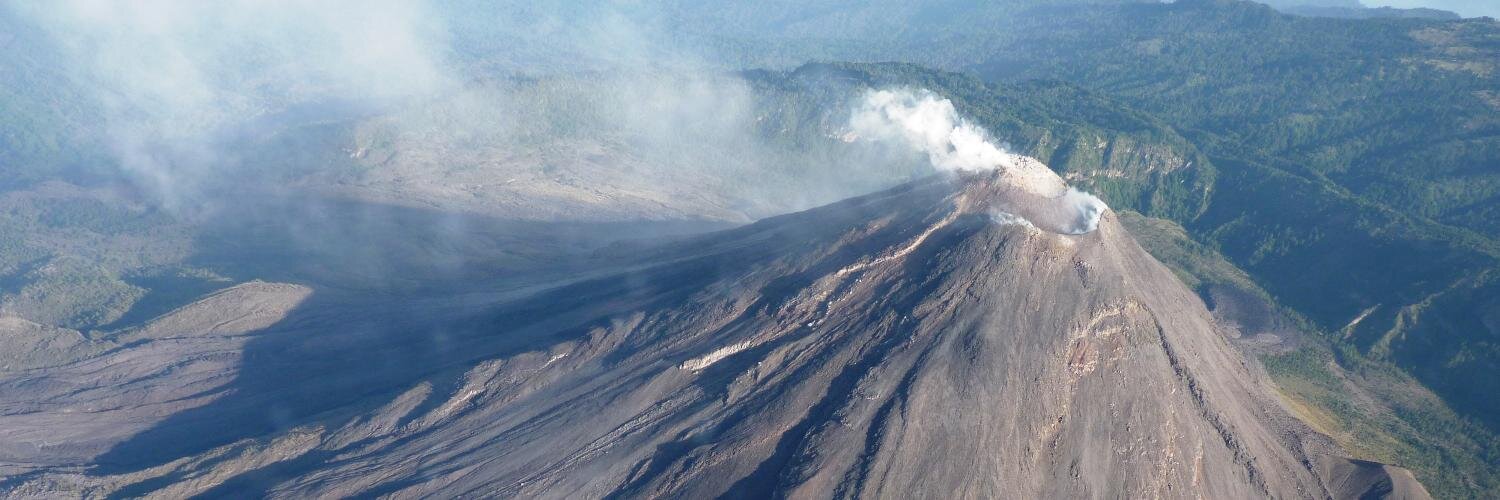
Famous names—Yellowstone, Etna, Kīlauea—draw the cameras. But the most dangerous volcanoes may be the “quiet” ones, hidden in jungles or beneath the sea, biding their time.
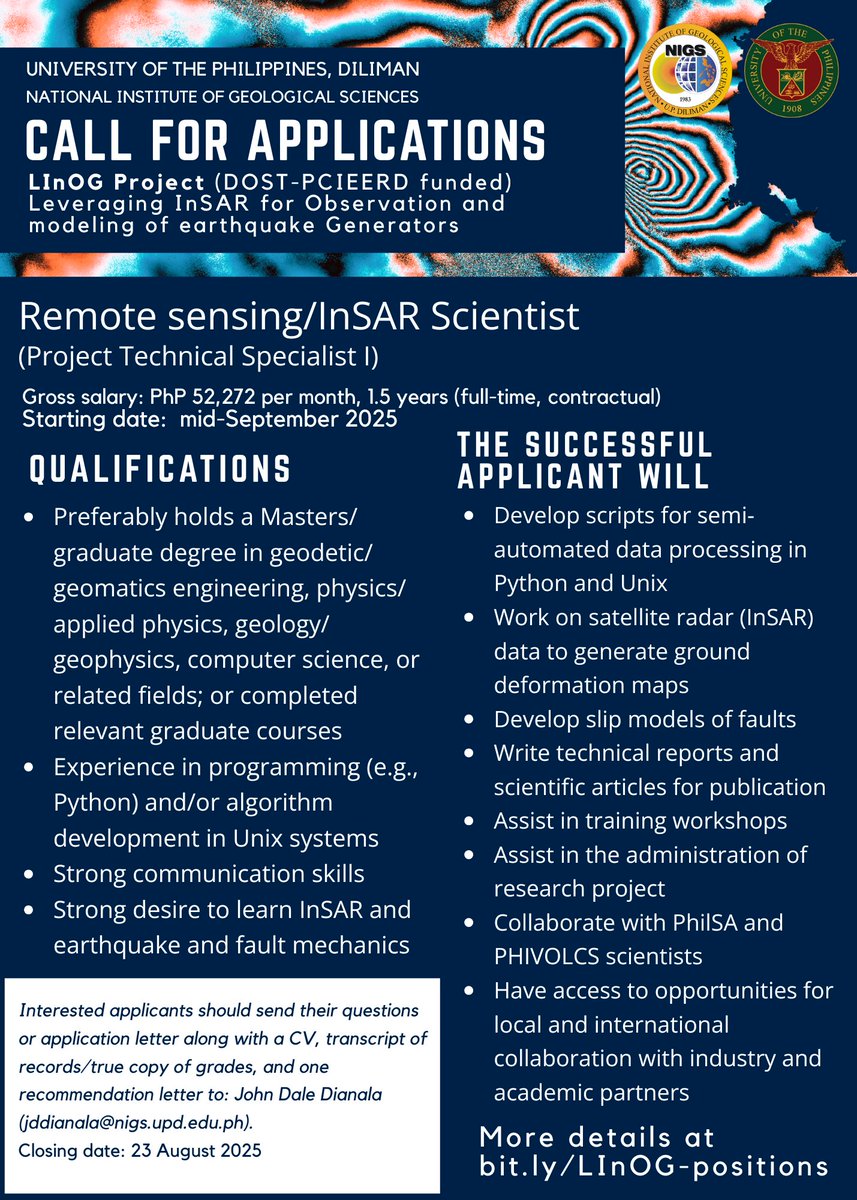
Are you a driven scientist/coder who has experience or interest in remote sensing? Want to use your skills in earthquake research? Join the team of the LInOG Project at the University of the Philippines! More details here: https://t.co/X8DlTrV4Lq
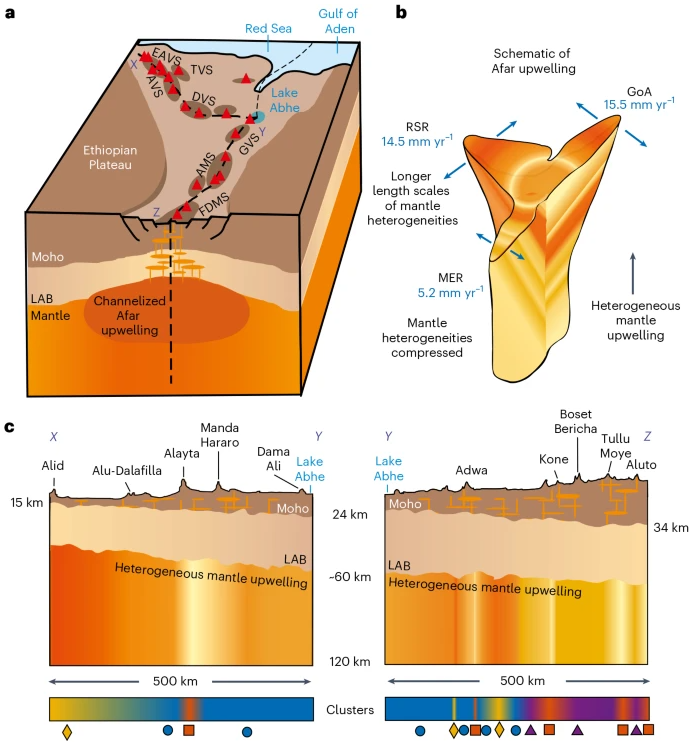
Article: Mantle upwelling beneath the Afar rift may be influenced by tectonic processes in the overriding lithospheric plates
@WattsGeology@GeoFizz_DK @SorcerInSAR @OceanEarthUoS@SwanseaTephra
https://t.co/gEsOzaxQoy
We've just launched our new newsletter! We'll be using it to share our activities, opportunities and updates quarterly, so make sure you sign-up via the website to keep in the loop! https://t.co/plgdA5lMfy Here is a summary of our June edition:
I just published an explainer on aerosols and their role in the climate that I've been working on for the past few months! It includes both how aerosols work, how emissions have changed, and how thats driven recent warming (link below).
Our new paper on volcanoes and the subsea cable network, led by @mikeaclare@NOCnews, is out today in Bulletin of Volcanology. Get it here: https://t.co/C8fXdhDyjo
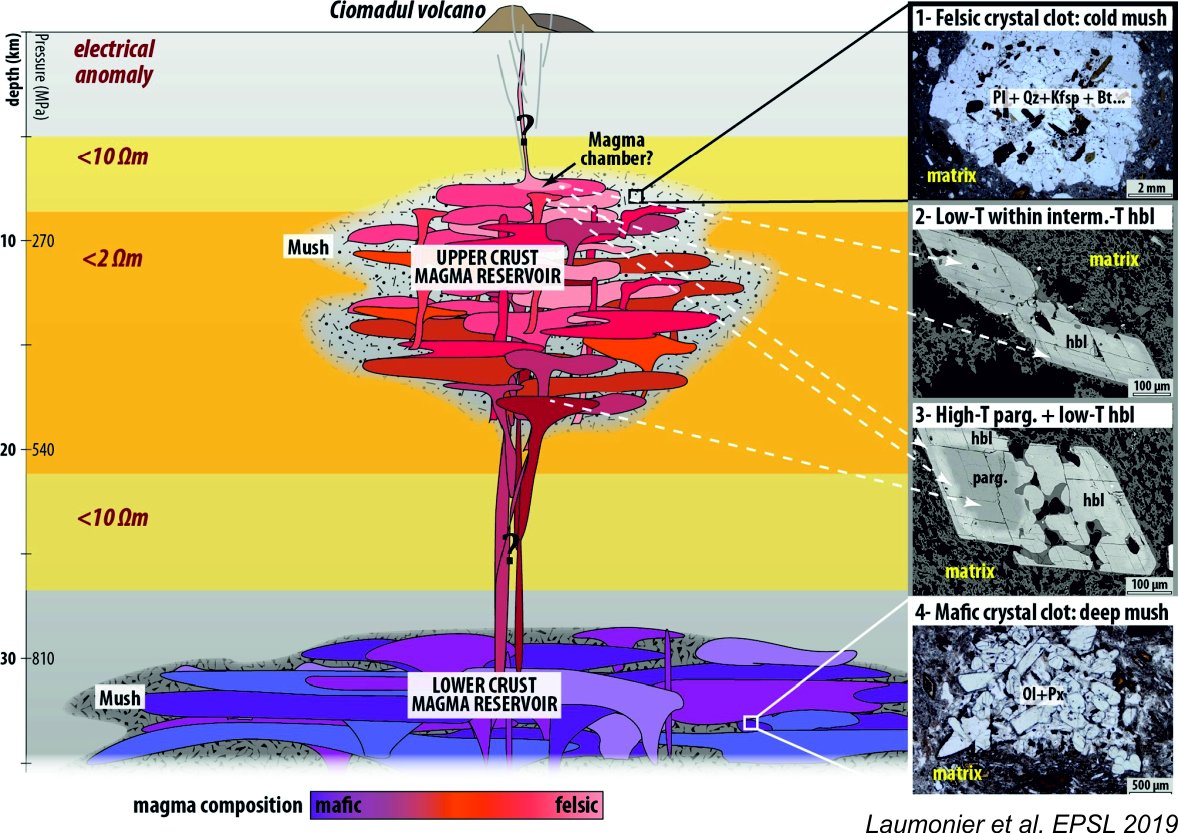
Understanding processes in trans-crustal magma reservoirs - come and apply for a 2-3 years postdoctoral fellowship to a young Hungarian research group (https://t.co/s3T7KEJRsi)! Details of the MSCA programme are here: https://t.co/9UCQkmmXC6 contact: [email protected]
Article: Little sulfur from the 2022 Hunga submarine eruption reached the atmosphere due to seawater-magma interactions
@scronin70
https://t.co/NWiiptN36K