Our Labs team worked on this along with the Claude Code team — as Claude's work gets deeper and more independent, I've found really valuable to have it explain its thinking and outputs using Artifacts; try asking it to diagram its work next time you're working with it.
New in Claude Code: Artifacts.
Interactive pages built from your session, like a PR walkthrough or a living project dashboard, shared with your team at a private link.
Available in beta on Team and Enterprise plans.
@albatroz295828@0xPira Se houver uma troca de modelo para o Opus que não deveria ter acontecido, faça um envio de /feedback por favor, vamos continuar melhorando a precisão do nosso classificador
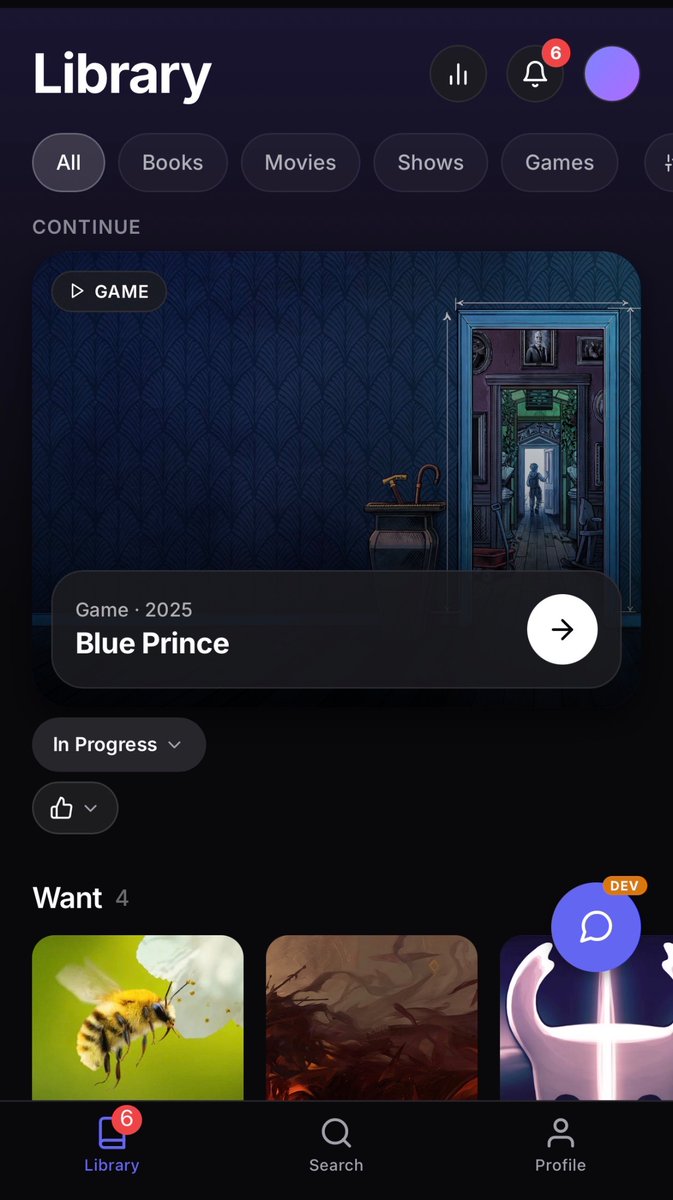
Claude Fable 5 is out today. The first Mythos-class model everyone can use & the first model I hand off whole projects to. This weekend I built a self-maintaining, proactive media tracker for myself, over 2 days with Fable taking large chunks at a time
It's state of the art on nearly every benchmark we tested and the lead grows the longer the task. Made safe for general release: cyber & bio requests fall back transparently to Opus 4.8 and 95%+ of sessions never see one. $10/$50 on the API, in paid Claude plans today.
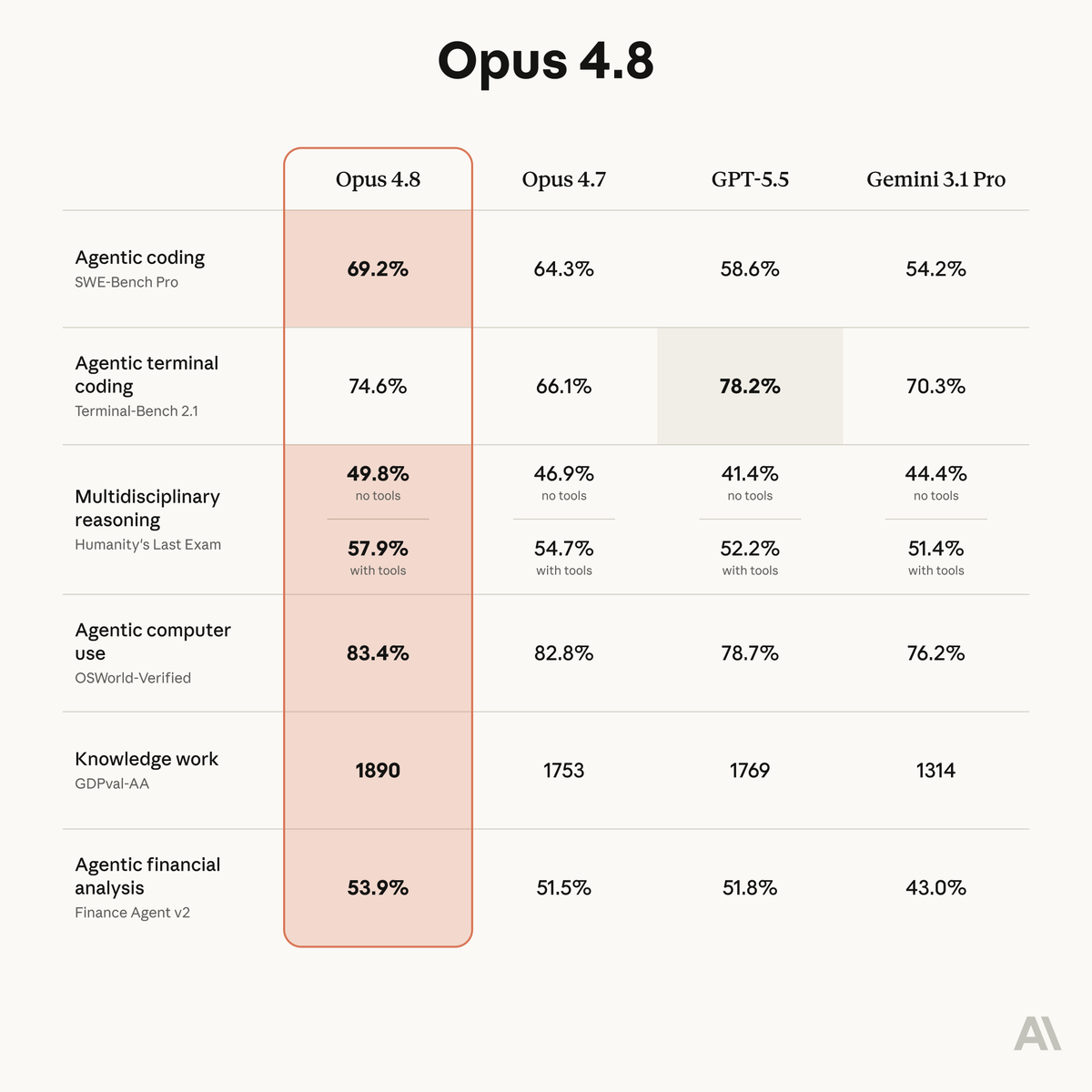
Been building with Claude Opus 4.8 (out today!) for a couple weeks and it's already the model I reach for first. The best part is how much I can just let it run. It's more honest about its own work, flags what it's unsure of, & catches flaws in its code before handing it back.
We're also bringing effort control to https://t.co/gCPzTfRrSG and Cowork, next to the model picker: turn it up for hard problems, down for quick answers. Opus 4.8 is live today, same price as 4.7. I'd love to hear what you're building with it!
https://t.co/jt0KYfUiHH
Introducing Claude Opus 4.8: it builds on Opus 4.7 with sharper judgment, more honesty about its own progress, and the ability to work independently for longer than its predecessors.
Available today at the same price.
We're also shipping Dynamic Workflows in Claude Code, which lets Claude spin up a team of subagents that work, verify, and report back; I've used them for migrating entire codebases from one language to another, or completing complex projects (works best in auto mode)
Claude Opus 4.7 is out! Handles ambiguous, multi-step work even better than 4.6. Cursor's internal bench cleared 70%, up from 58% on 4.6. Notion saw a 14% lift on their evals with a third of the tool errors 🔨
Introducing Claude Managed Agents: everything you need to build and deploy agents at scale.
It pairs an agent harness tuned for performance with production infrastructure, so you can go from prototype to launch in days.
Now in public beta on the Claude Platform.
The rules of professional product development are being rewritten in real time.
- PMs and designers can ship software as easily as engineers.
- Software is no longer just built for humans—it’s also built for agents as first-class citizens.
To better understand how we build products in this world, I invited Mike Krieger (@mikeyk) on @every’s AI & I podcast. Mike cofounded Instagram and is now a member of the technical staff at Anthropic, co-leading Anthropic Labs, their internal incubator for experimental products. He's been at the frontier of two transformative technology waves: mobile/social and now agent-native software.
We discussed:
- How to build a truly agent-native product. The best products today, like Claude Code, allow users to do things that their creators never intended. But that requires hard trade-offs between freedom and safety/reliability for frontier products, an issue that Mike's team is learning how to solve.
- What's different about building now versus building Instagram. At Instagram, it took months to hit dead ends and learn what to cut. Now, that cycle runs in hours.
- The trap of building too much, too fast with agents. You can go from idea to a nearly-shipped product in a day, but that process doesn’t give you the incremental feedback that used to tell you what not to build. The models are great at adding features, but can create a product that lacks coherence.
- How Anthropic Labs structures product teams. New product experiments are led by only two people, usually a product manager or designer paired with an engineer. Mike says bigger teams tend to be too slow because of coordination costs.
- Why you need to throw out your product and start over every three to six months. AI progress means most of your harness will be outdated quickly—the best teams build this into their product strategy.
And much more! You should watch this one.
Timestamps
Introduction:
What's gotten easier—and what hasn't—about building products in the age of AI:
Why vibe coding creates "indoor trees":
How rewrites have become a normal part of the development process:
What "agent native" product design means:
How Mike's labs team is structured and the cofounder model:
The best signal for a product bet is someone with "break through walls" conviction:
Navigating enterprise customers while keeping pace with rapid AI change:
OpenClaw, personal agents, and the product question defining 2026:
We’ve doubled usage on weekends, and outside 5a–11am PT on weekdays, through March 27.
Works across https://t.co/z7DNRJqxKT, Cowork, and Claude Code. Go run your next big idea and thanks for building with us!
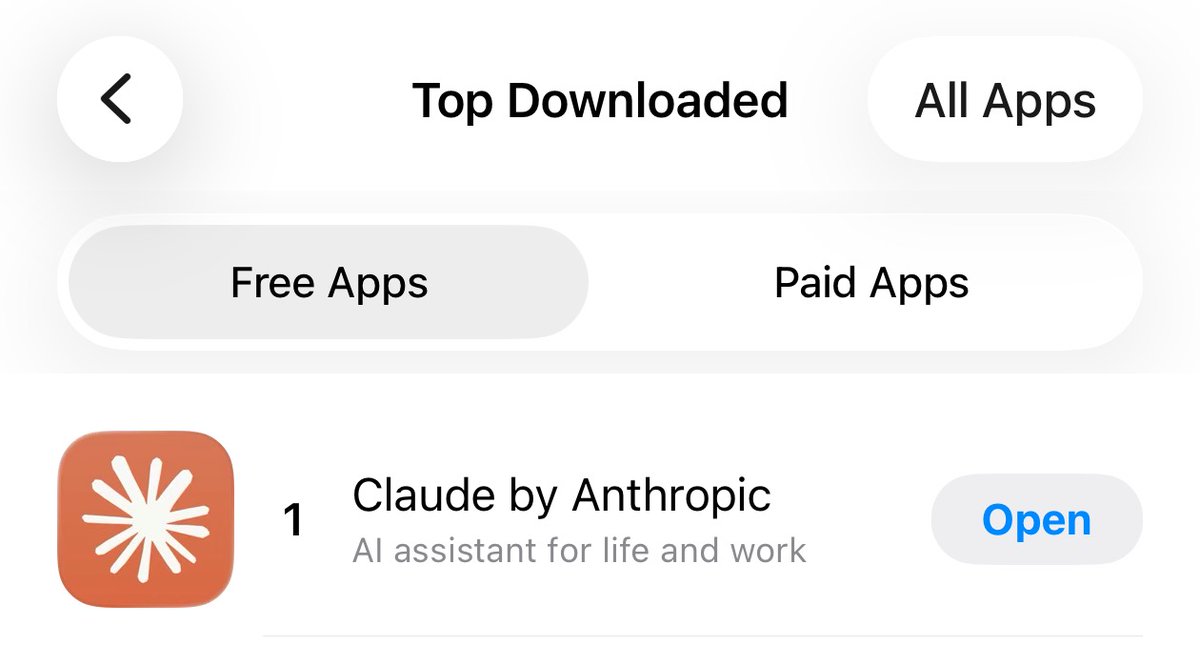
Claude is #1 in the App Store today — I want to say a huge thank you to all of our new (and existing!) users for the support. We’re working hard for you, please share your thoughts and feedback along the way.