The physically battered body of Bantu Stephen Biko lay in a mortuary near East London in South Africa 🇿🇦 at the time of his post-mortem, 700 miles from the place of his incarceration by the apartheid white security police, shortly after his death on 7 September 1977.
As the South African government continued to propagate lies that Steve Biko had died while on hunger strike, an undercover journalist secretly took the photo of Biko's body and sent it to Britain.
The photo bearing Biko's battered face confirmed to the world that the anti-apartheid student activist had been beaten to death while in prison.
It later emerged that while in police custody, Biko was stripped naked, shackled to the wall, and severely beaten on the head by his interrogators. As a result, he suffered three brain lesions that resulted in a massive brain haemorrhage.
According to an autopsy, an "extensive brain injury" had caused "centralisation of the blood circulation to such an extent that there had been intravasal blood coagulation, acute kidney failure, and uremia".
I captured this image of Irene Charnley at the launch of MTN in 1994.
M-Cell was the founding holding company for Mobile Telephone Networks (MTN), established in November 1994 to manage the cellular network operator launched on 1 June 1994. Initially, M-Cell held 100% of MTN after a consortium won the license in 1993, and it eventually listed on the JSE in 1995 before rebranding as MTN Group.
In July 1992, M-Net and Cable & Wireless created "Project Anchor," which became MTN and began building its network in January 1994, launching commercial services on 1 June 1994, alongside competitor Vodacom. M-Cell was created as an investment vehicle to hold MTN shares, with founding shareholders including M-Net, Cable & Wireless, Transnet, and Fabcos. M-Cell Ltd was officially incorporated and listed in 1995, and later renamed to reflect the MTN brand fully. Following the launch, MTN expanded into Uganda and Rwanda in 1998, and the M-Cell/MTN group grew into a major African telecom operator.
The company rapidly expanded throughout South Africa in 1996, particularly with prepaid "Pay As You Go" services, proving the viability of mobile services for a broader market
Sixteen years ago, I was having lunch in Bedfordview with two friends.
In the middle of that meal, I asked a simple question:
“Why do we have to drive this far just to enjoy a proper meal?”
At the time, I owned a small two-bedroom house in Daveyton.
And in that moment, something shifted.
Instead of complaining about the distance…
I decided to change the location of opportunity.
I went back home.
Demolished the two-bedroom house.
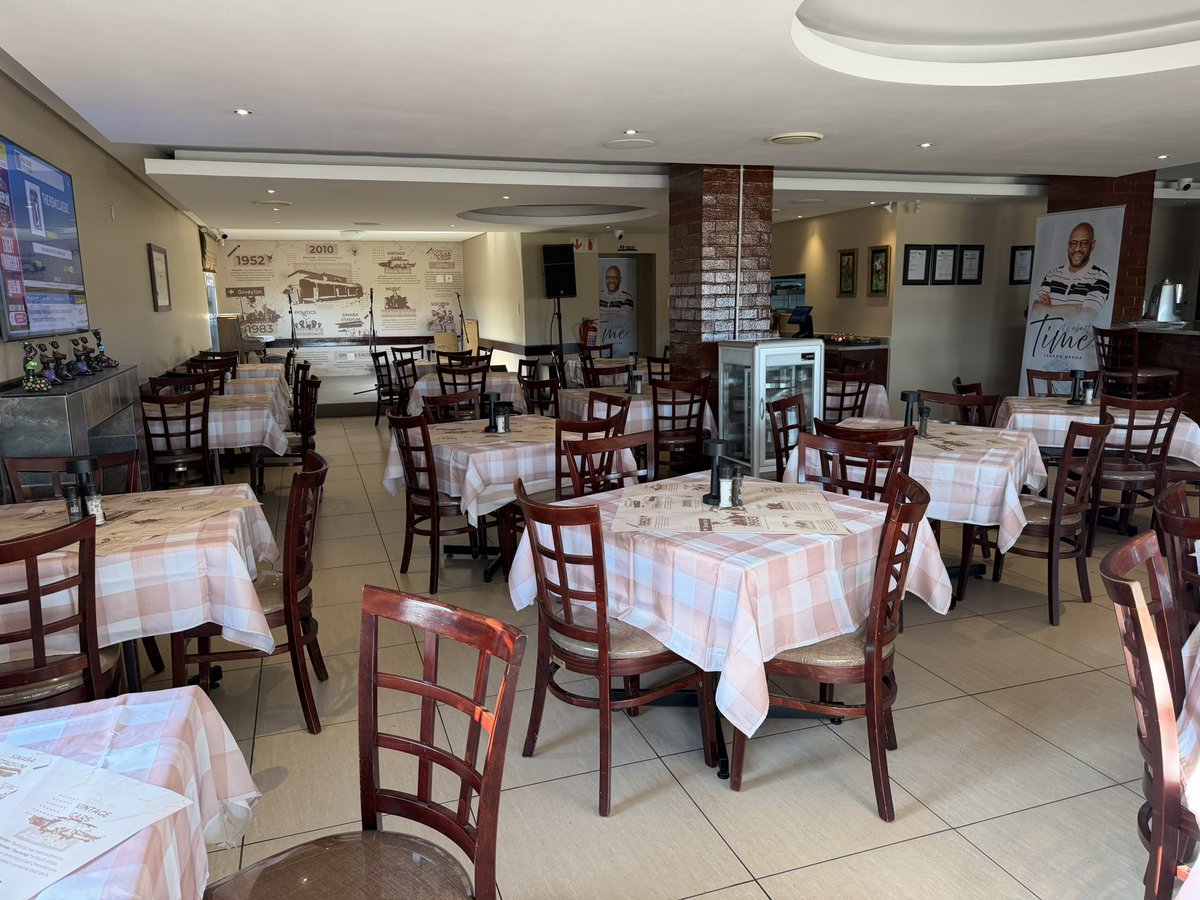
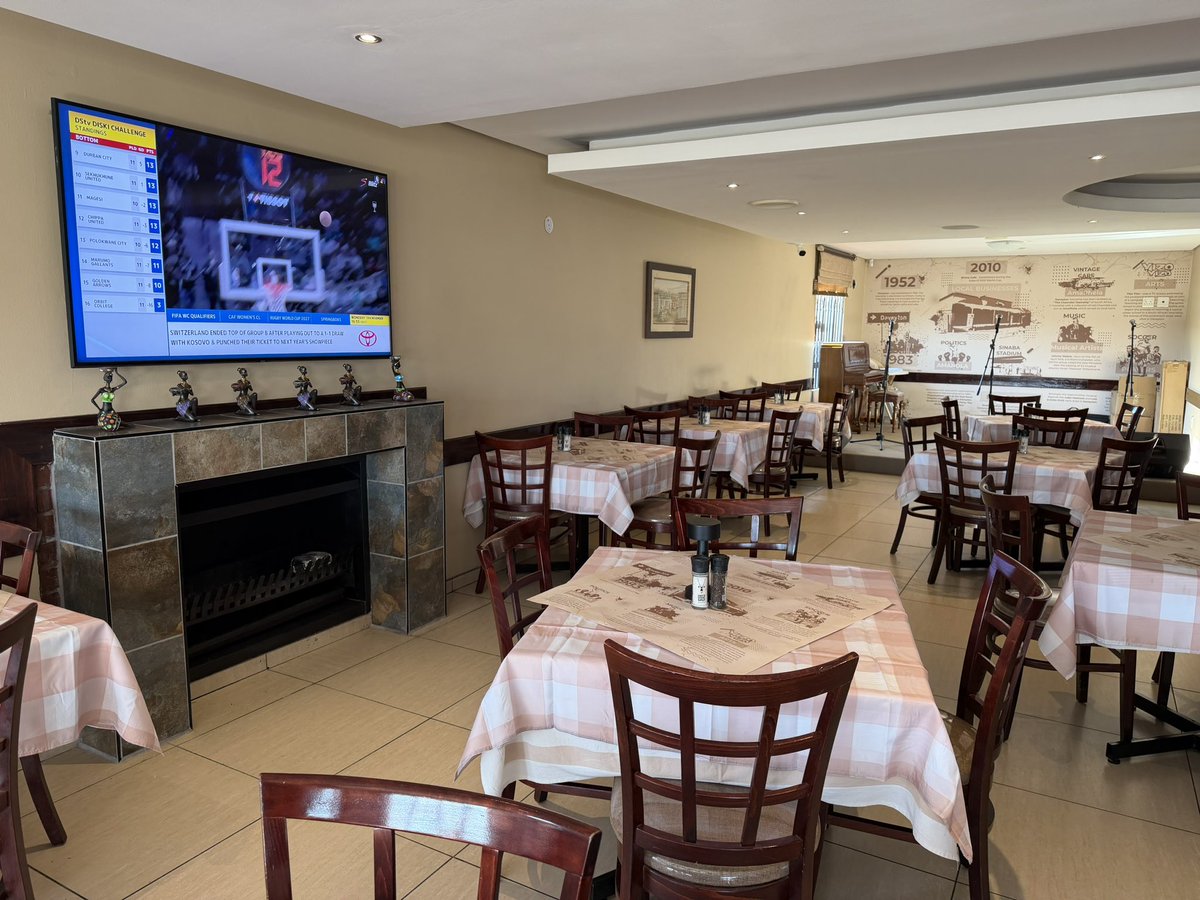
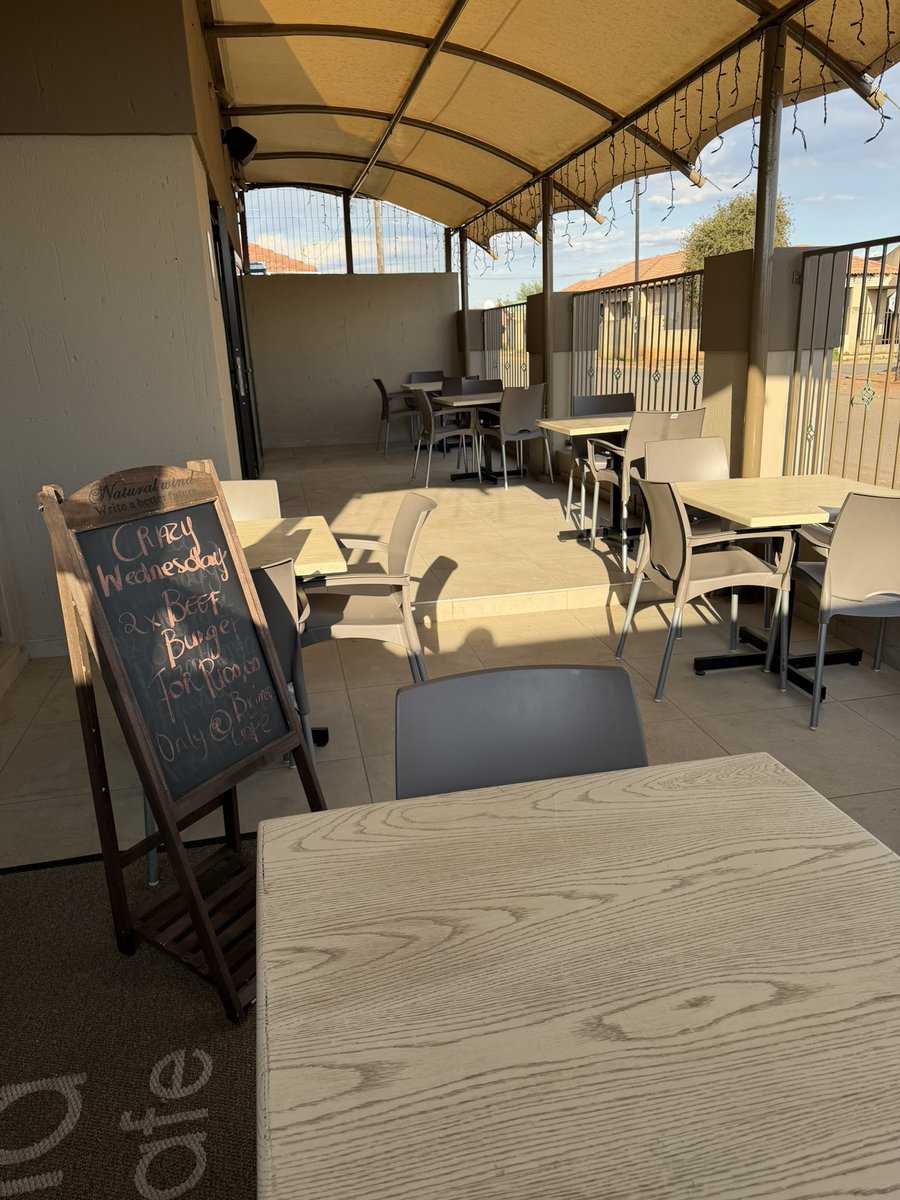
And built what would become Brima Café — an elegant restaurant in the heart of Daveyton.
Not because it was easy.
But because our community deserved quality.
Our people deserved experience.
And our township deserved excellence.
Brima Café was never just a restaurant.
It was a statement.
A statement that you don’t have to leave your community to enjoy beauty.
You can build it where you are.
From a question over lunch…
to a landmark in Daveyton.
#BrimaCafe #Daveyton #FromVisionToReality #TownshipExcellence #LegacyBuilding