Some good news worth sharing!
Our Director of Marketing and Communications, Gert Hankewitz, has been named Estonia’s Communications Leader of the Year 2026 in the private sector!
Photo: Raul Mee
We welcome Simo Mäkipaja as our new Chief Sales Officer!
With 25+ years of experience in defence and technology, Simo will lead our global sales activities as we expand our international presence and deliver integrated robotic capabilities.
Training local trainers. Building long-term capability.
Milrem has completed a #THeMIS Train-the-Trainer course with the Armed Forces of Ukraine, enabling Ukrainian personnel to train others, adapt to evolving battlefield needs and strengthen local expertise.
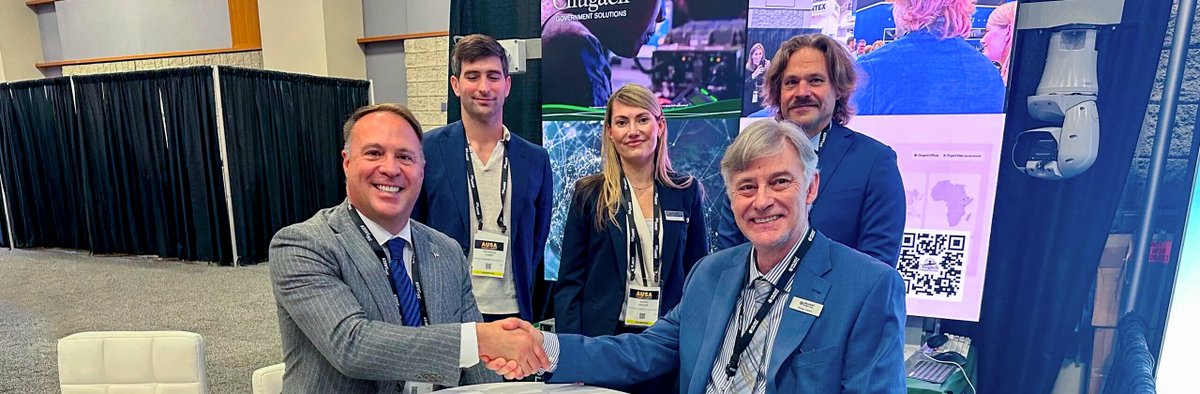
Our team at #AUSA 2026 in Washington DC, led by Stefan Behre, signed a Memorandum of Cooperation with Chugach Alaska Corporation yesterday. Under the agreement, Chugach could become Milrem Robotics’ preferred U.S. partner for production, integration, and lifecycle support.
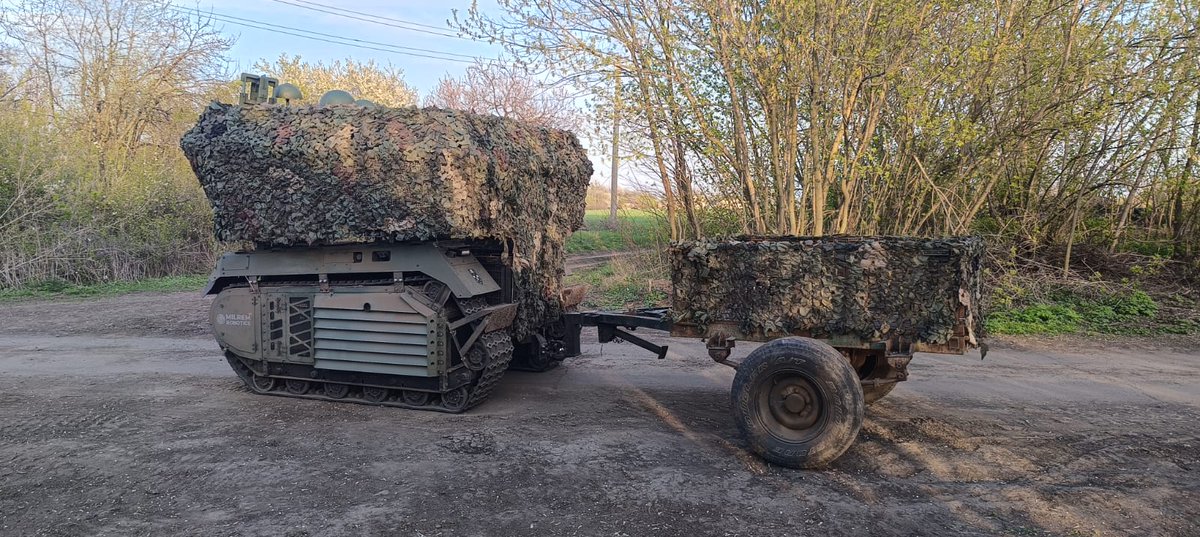
Towing a #UGV heavier than itself? #THeMIS is up to the task.
Equipped with a locally developed recovery payload, THeMIS towed a Tor-51 UGV, marking the system's first successful use.
And it was conducted entirely remotely.
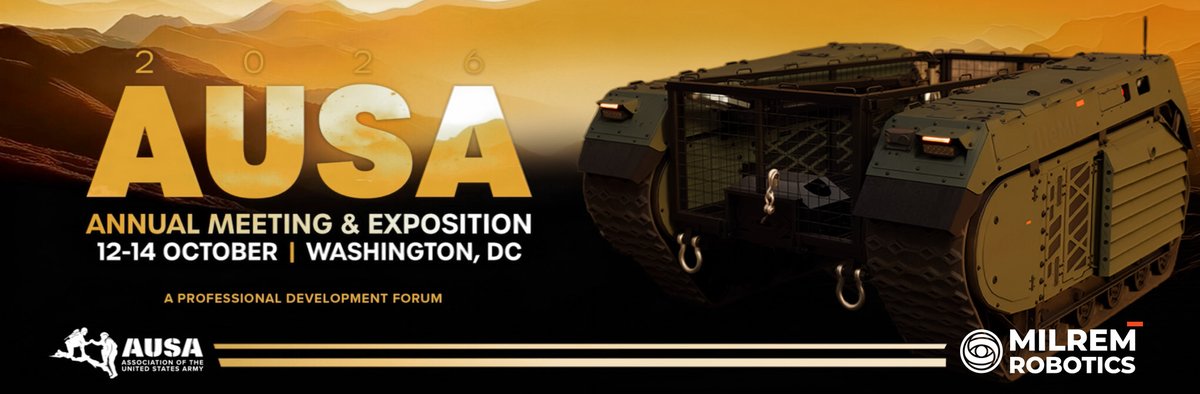
Next week, we’re heading to Washington, D.C. for AUSA 2026. You’ll find our team at the U.S. Army’s Pathway for Innovation and Technology (PIT) Corner, Booth 1525, in Hall A.
If you're visiting, come chat with us!
#THeMIS provides a proven, adaptable unmanned platform, while #Hanwha brings strong local industrial and defence expertise. Together, we can meet regional needs and build capacity to integrate, produce and sustain these systems across Asia-Pacific.
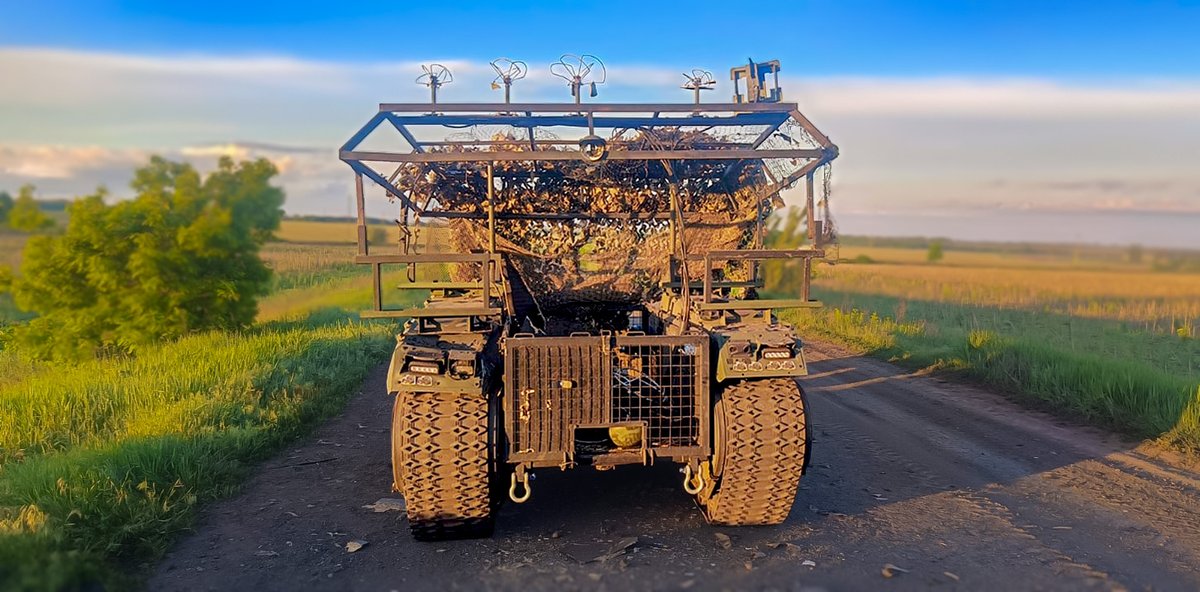
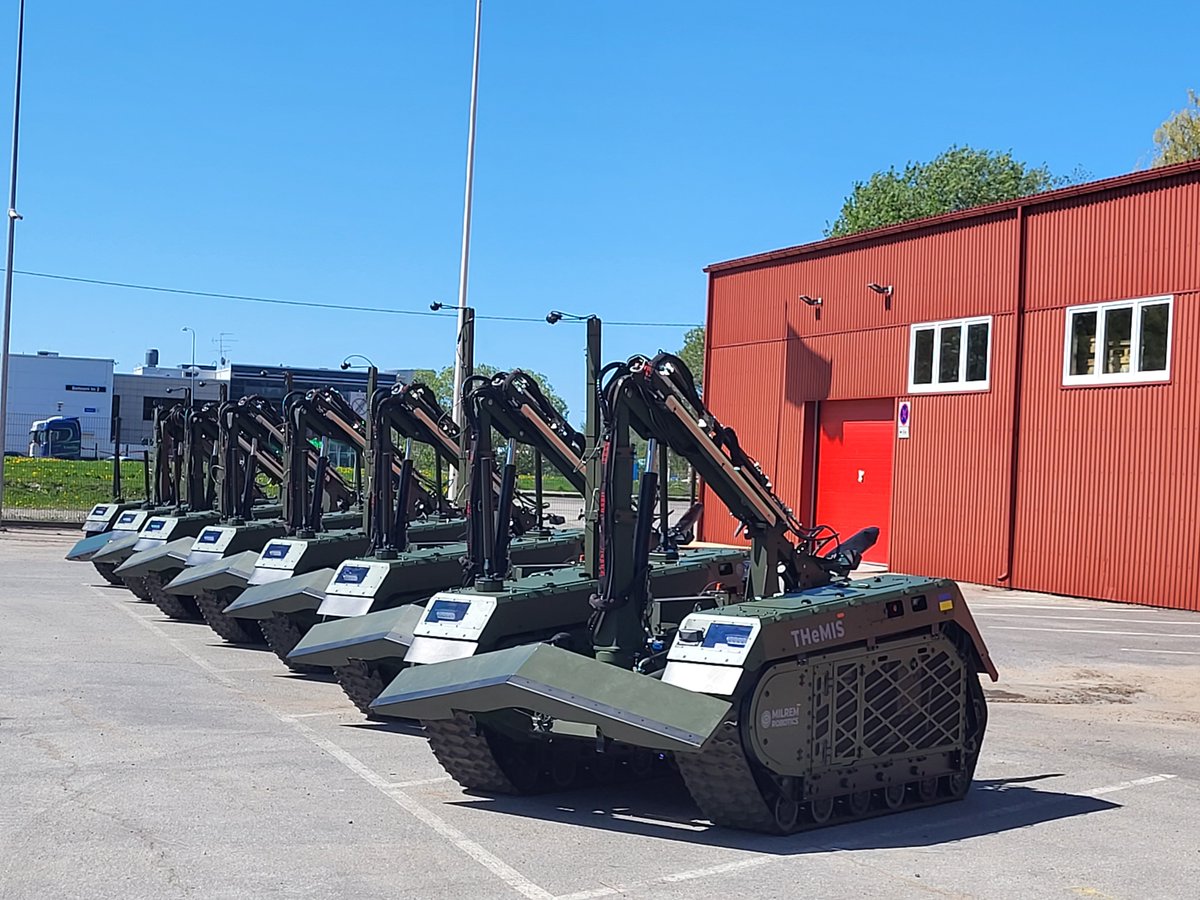
This is what the 55th Artillery Brigade has done with our #THeMIS#UGVs - adapting the vehicles around their equipment, needs and missions.
Because a military robot should not dictate how a unit operates. It should give soldiers a platform they can adapt to the mission. 🇺🇦
Estonian authorities announced today that they have linked the arson at our Tallinn facility on 15 August to alleged sabotage by russian intelligence services.
Whatever the intention behind the attack was, it does not change our work.
The arson attack against Milrem Robotics was ordered by Russian special services.
This is part of Russia’s broader campaign across Europe to intimidate us and weaken our support for Ukraine. It will not work.
Our response will be the opposite: stronger security at home, more support for Ukraine and greater pressure on Russia.
We will not be intimidated.
https://t.co/29UXG9x9dP
It has been confirmed that the arson attack on an Estonian defence company was ordered by russia.
russia’s acts of sabotage across Europe are intended to undermine support for Ukraine and fuel fears of escalation. They demonstrate russia's desperation.
Our response is precisely the opposite of what russia seeks to achieve: more pressure on russia, stronger support for Ukraine.
russia will not intimidate us or alter our policy.
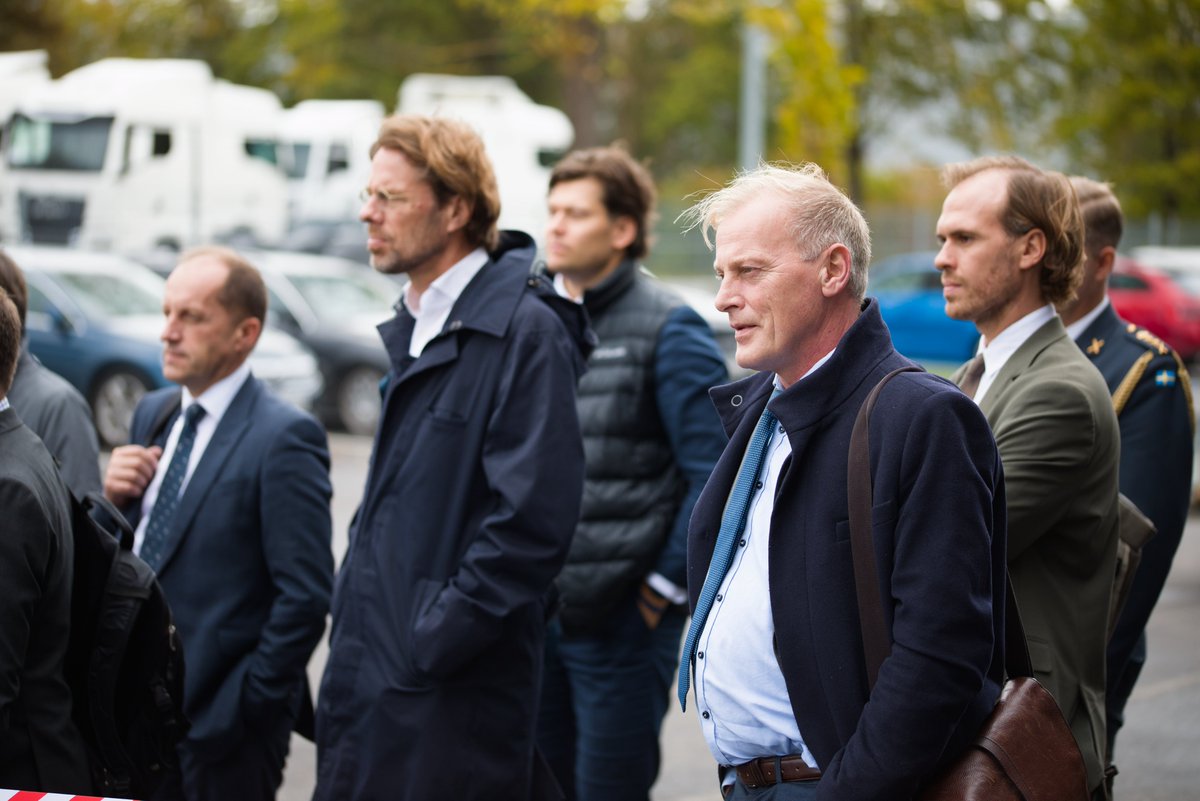
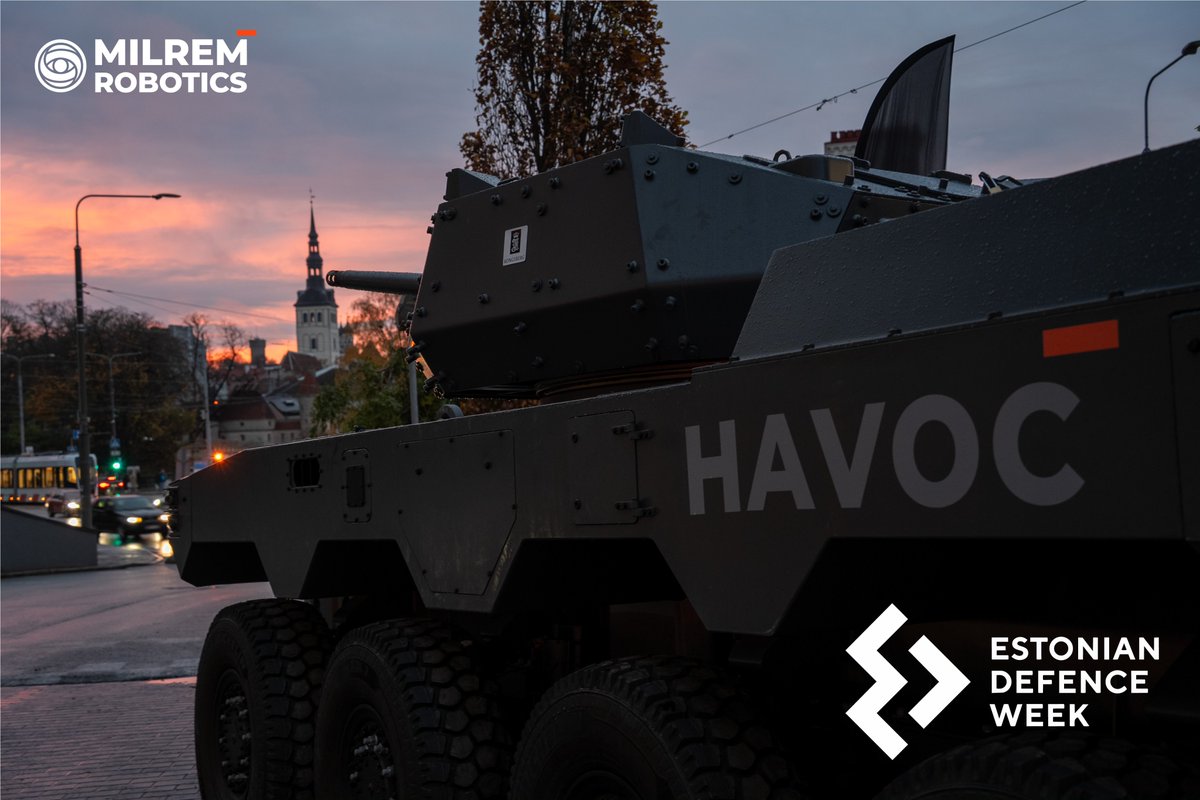
Not every day you get this many people responsible for NATO defence procurement in one room. During Estonian Defence Week, we hosted National Armament Directors from NATO countries to discuss what comes next for military robotics.
Estonia and the Republic of Korea have much to gain from closer defence-industry cooperation. Milrem Robotics is already putting this into practice through our cooperation with Hanwha Aerospace. Yesterday’s Korea-Estonia Defence Industry Seminar continued that dialogue.
Building the vehicle is only part of building a robotic capability.
Years of engineering, field testing, and experimentation with #THeMIS have provided us with the experience to enhance the platform, autonomy, software, and integrations necessary for the tasks it must perform.
One unmanned vehicle can be operated. A robotic force has to be commanded.
#ARCOS provides the operational control layer for planning missions and supervising multiple robotic assets from a common environment.
#MilremRobotics
Earlier this year in Norway, Norwegian and Swedish forces tested multiple UGVs alongside surveillance and attack drones in a demanding scenario. The key challenge: how to command and coordinate multiple unmanned systems as part of a larger force.
Photo credit: Espen Hofoss / FFI
This is how we believe sustainable robotic capability should be built: proven technology, integrated with local industry and developed around the requirements of the armed forces that will ultimately use it.
https://t.co/ZtNxXCgiR5