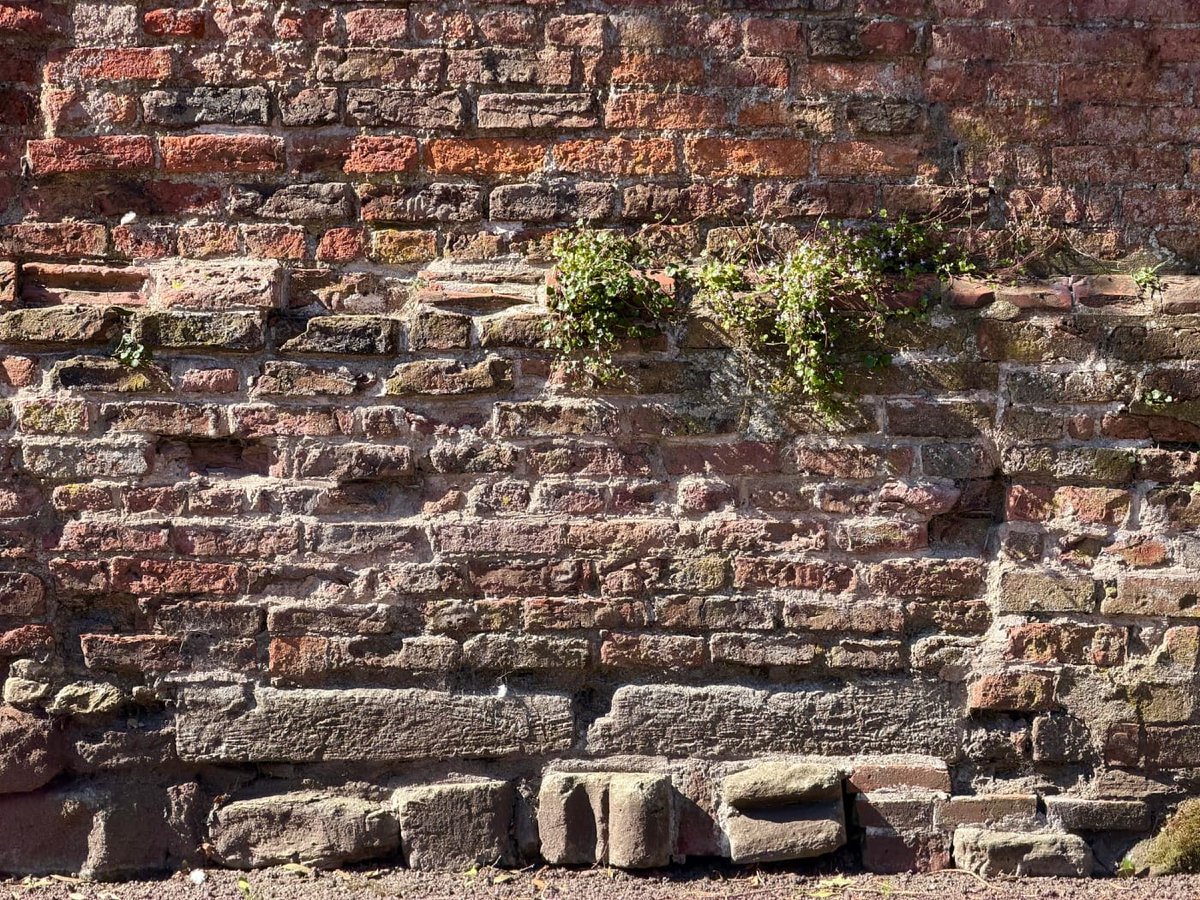
🤔 What if the cracks, repairs and weathering are the very things that make a place beautiful?
Louth in Lincolnshire gave me the answer.
Read more: https://t.co/c2TkTzcbH6
Did you know that the collective noun for ducks on the ground is a Waddling?! Sometimes the English language just gets it right. This was one of those moments when I felt like I'd stepped from the Peak District lane and right into the pages of a Beatrix Potter book, watching this lovely waddling of ducks enjoying the sunshine and flowers.
This image is featured in my hardback book of photographs and words, 'A Quiet Light'. It's 152 pages of Peak District beauty, arranged seasonally, printed on the highest quality paper, perfect to dip into whenever you need a little countryside calm. Priced at £24.95 + UK P&P.
https://t.co/tJxYXbDXnl
📍 Peak District, England
(Ex-library) 1st edn of Alan Garner’s award-winning The Owl Service, 1967, turned into an acclaimed Granada TV series starring singer & actress Gillian “Zou Bisou Bisou” Hills (born #OTD in Cairo in 1944), who also starred, with fewer inhibitions, in Blow Up & A Clockwork Orange
Dirleton Castle, East Lothian (Scotland) old postcard image from 1938 & overlap of reconstruction in sepia effect. A De Vaux family build. Slighted by King Robert The Bruce to stop its use as an Auld enemy base. #DirletonCastle#ScottishCastles#HistoryRebuilt
"Some journeys take us far from home. Some adventures lead us to our destiny."
~ C.S. Lewis
Sunset on the Adriatic Sea (1920)
🎨 Ivan Fedorovich Choultsé
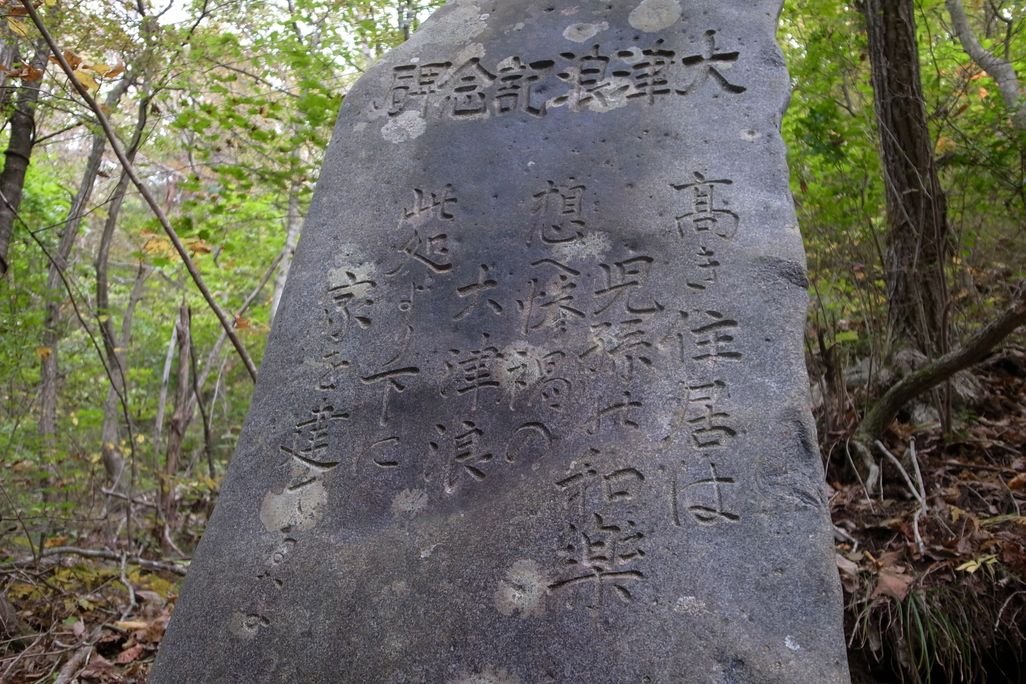
Centuries ago, Japan carved tsunami warnings into stone along its coastline.
But in 2011, the ocean proved them right...
Hundreds of 'tsunami stones' still stand across Japan. Some are over 600 years old. Most carry the same warning: do not build below this point.
One stone in Aneyoshi reads:
“Remember the calamity of the great tsunamis. Do not build any homes below this point.”
The village obeyed.
When the 2011 tsunami hit, the water stopped just below the marker. Aneyoshi survived. Many surrounding towns built below the stones - and over 20,000 people died.
A professor from Tohoku University said:
“It takes about three generations for people to forget.”
So survivors carved memory into stone.
Civilizations may have been doing the same thing for thousands of years.
If these warnings remained accurate after 600 years, why do we assume older warnings are just myths?
Kidwelly Castle, Carmarthenshire (Wales) reconstruction mock-up over @GunpowderDan image. Site besieged in 1403 by Owain Glyn Dwr with the help of soldiers from France and Brittany. Castle also used in Monty Python and the Holy Grail (1975) #KidwellyCastle#WelshCastles
Advice includes ‘Eat cold and water rich foods like ice lollies’.
The money wasted on producing condescending crap like this could have mended some pot holes.
A pasture in the Lincolnshire Wolds has carried cattle for a thousand years.
It's worked by the Crawford family. Has been since the reign of George IV. Two hundred years of calving in the small hours, of bringing the herd in before storms, of two hundred years of knowing that the Lincoln Reds prefer the south-facing slopes in spring and the sheltered hollow when the wind comes off the North Sea in October.
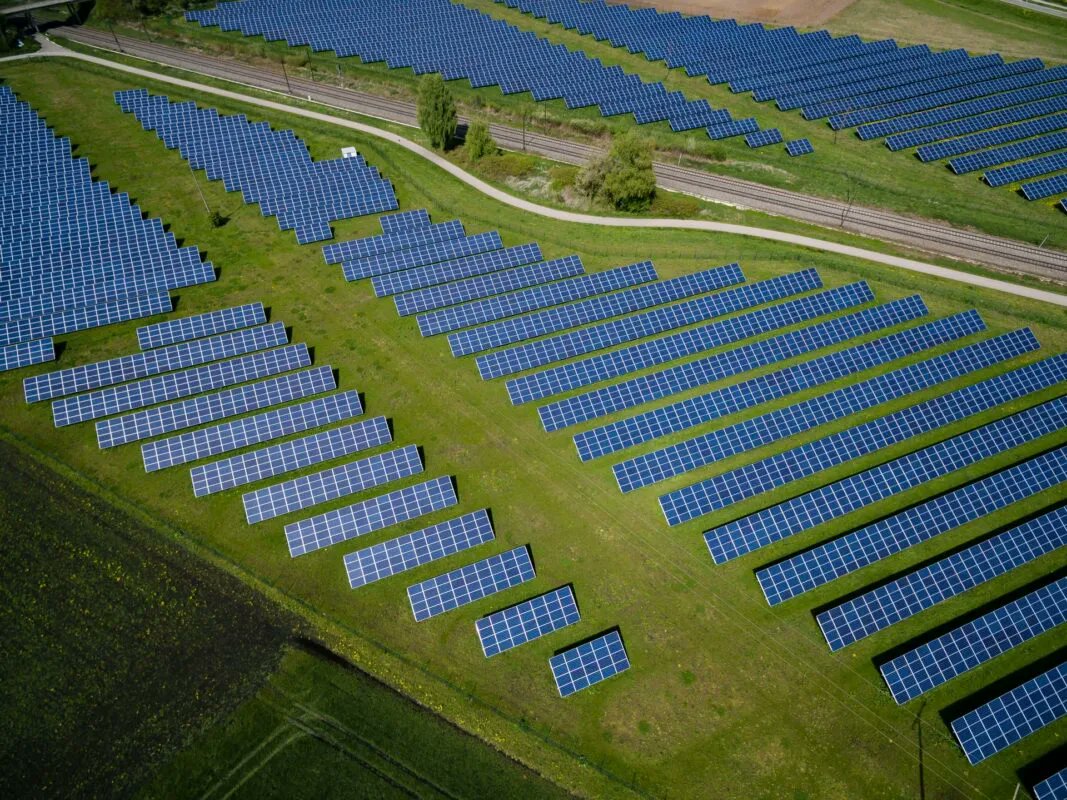
In 2025, a solar developer offered them £1,250 an acre per year, index-linked, on a forty-year lease. The suckler herd was running at a loss before subsidy. With subsidy, the margin was thin enough that one bad winter or one TB reactor wiped it out.
The family is thinking about it.
You can't blame them. The maths is not subtle. The maths is a father and a son walking the herd at first light, neither of them speaking, both of them knowing that the figure on the developer's letter is more than the farm has cleared in a decade.
If they sign, the panels go up in 2027.
The herd will be dispersed at Louth, which is now the last remaining livestock market in Lincolnshire. Two hundred head of one of the oldest beef breeds in Britain, descended from cattle the Norse settlers brought across the North Sea, finished on grass without a grain of cereal, broken up and sold to whoever turns up with a trailer. Fewer than five hundred original-population Lincoln Reds remain in the world. The Crawford herd was one of the larger ones.
The barn becomes a substation. The cattle grid gets lifted. The hedge the great-grandfather planted in 1958 gets pulled out to widen the access track for the construction lorries.
The Crawfords did not choose this. The economics were engineered, in Westminster, over fifteen years, to make this the only sensible option.
The panels are not the villain. The panels are the symptom.
The villain is a country that decided British beef mattered less than electricity it could have generated from the roof of the Amazon warehouse outside Grantham. The shelf in the supermarket where the Lincoln Red used to sit will be filled, quietly, by Irish beef, then Australian, then Brazilian, and nobody will tell the shopper why the country stopped feeding itself.
The roof of the warehouse is still empty.
The herd is gone.
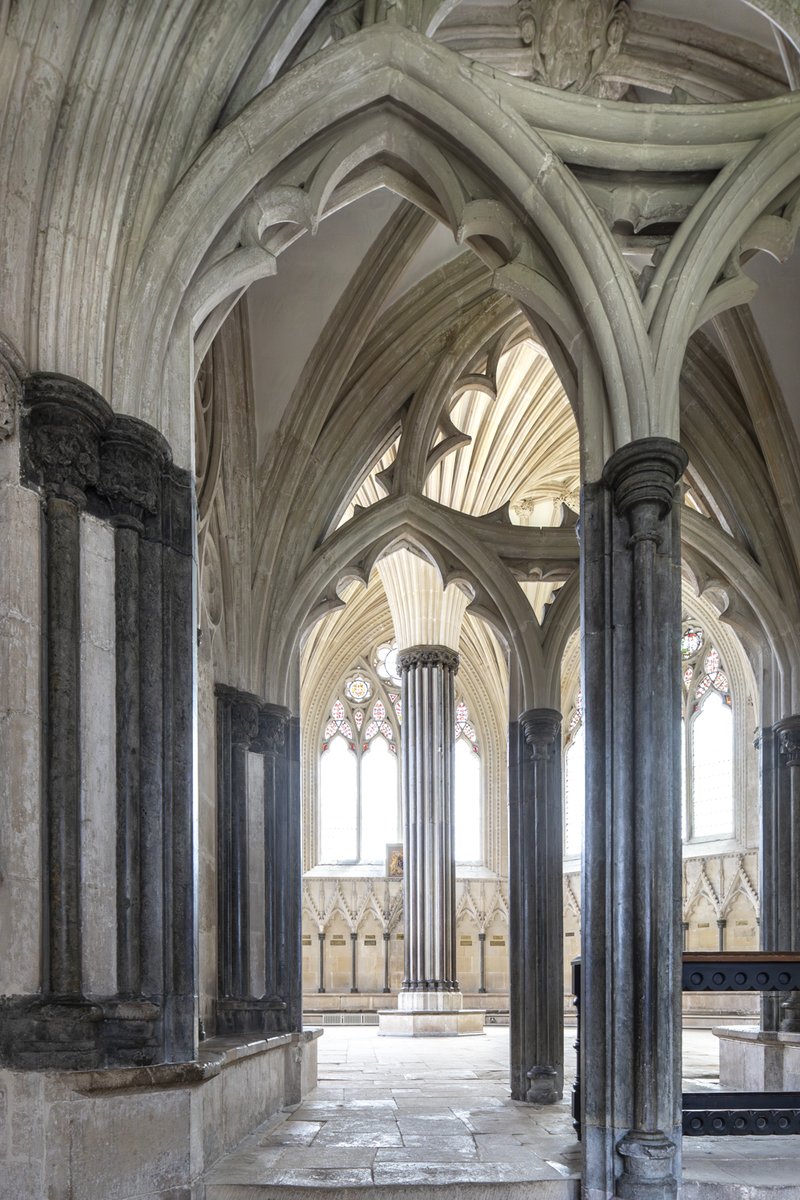
✨ What is so jaw dropping about the medieval chapter house at Wells is its nested complexity - the feeling as if you are walking through a wooded glade.
There are gates, ladies and gentlemen, and then there are GATES. I think you'll agree that this beauty is darned near perfect, offering both a squeeze stile for the nimble and a kissing gate for the romantic. And it doesn't hurt that it leads to meadows full of buttercups and skylarks, with a clear, sparkling river that bubbles cheerfully alongside you. That'll do Gate, that'll do.
📍 Peak District, England