Knowledge graphs are becoming the retail brain.
In my current project, they connect:
What’s in stock
What’s selling
What’s moving
What’s at risk
Paired with GenAI, they turn complex inventory data into real answers.
#AI#SupplyChain#RetailTech
Traditional inventory systems track stock.
We’re building one that understands it.
Knowledge graphs help us model:
> Supplier delays
> Promo campaigns
> Freight constraints
> Forecast shifts
This is real-time inventory intelligence.
#AI#RetailOps
Imagine asking:
"Which products at risk from a supplier delay affect our top 10 stores next month?"
Spreadsheets can't answer that.
Graphs can.
We're using #KnowledgeGraphs + #GenAI to turn inventory data into decisions.
#RAG#AIinRetail
I’m working on a project using knowledge graphs to fix stock imbalances.
Overstock in one region. Stockouts in another.
The issue? Disconnected data.
Now we link inventory, demand, logistics, and promos to recommend dynamic rebalancing.
#RetailTech#InventoryOptimization
Inventory isn't just a spreadsheet problem. It's a graph problem.
Most retailers don’t know how a supplier delay in one region affects promos in another.
We’re using a knowledge graph to connect products, warehouses, suppliers & demand.
#GenAI#KnowledgeGraphs#RetailAI
Check out my latest video on developing a Flask web app and integrating with Mailtrap for personalized email sending. Also, learn how to store data and predictions in MongoDB. #Flask#Mailtrap#MongoDB
https://t.co/f1PFlKuOl6
Mastering ML Deployment
Myths around ML deployment can mislead your strategy. Embrace continuous updates, scalability, and the power of multiple models to drive success. #MachineLearning#AI#TechTruths
Debunking ML Deployment Myths
From deploying multiple models to frequent updates and scalability concerns, understanding the realities of ML deployment is key to success. Stay informed and keep your models performing optimally. #MLMyths#AI#DataScience
Importance of Scaling in ML
Thinking scalability isn't a concern for ML engineers is a myth. Efficiently managing large datasets and real-time predictions requires robust scaling strategies. #MachineLearning#BigData#TechMyths
Myth: Most ML Engineers Don’t Need to Worry About Scale
Scalability is crucial for ML engineers. Handling large datasets and ensuring performance at scale are essential for successful model deployment. #Scalability#MLDeployment#AI
The Need for Frequent Model Updates
Contrary to the myth, ML models require regular updates to stay effective. New data and changing objectives demand continuous retraining and adjustments. #MachineLearning#ModelMaintenance#TechMyths
Myth: You Won’t Need to Update Your Models as Much
In reality, frequent model updates are necessary to keep up with new data and evolving business needs. Regular retraining ensures relevance and accuracy. #MLUpdates#AI#DataScience
If you cannot rely on your users to create reliable prompts, make sure you know how to make good system messages. System prompts simplify prompt engineering, automate context setting, and improve output clarity. Understand how to: https://t.co/AC0F8QdDbs
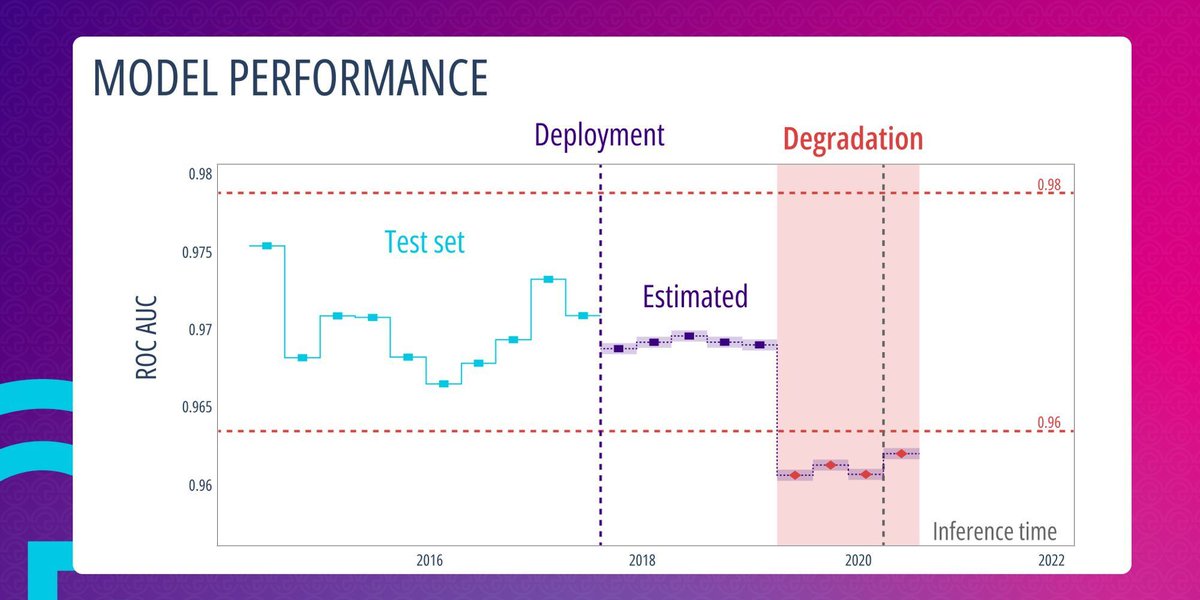
Reality Check: Model Performance Over Time
Assuming model performance remains constant is a myth. Regular updates and retraining are essential to combat model drift and ensure continued effectiveness. #MachineLearning#ModelUpdate#TechMyths
Myth: If We Don’t Do Anything, Model Performance Remains the Same
ML models degrade over time due to changing data distributions. Continuous monitoring and updating are crucial to maintain accuracy and reliability. #ModelDrift#MLMaintenance#AI