This article is a must read for #art collectors & #photographers creating work as #fineart & hoping to sell their work as #nftart. To succeed in the #contemporaryart world, it’s important to understand the history & issues in this article. #nftcommunity
https://t.co/VNvEzDzqaq
@stuartpalley I haven’t released this work as #nft but you may be interested in my project about Southern Utah wild lands that is currently on display at the #sandiegomuseumofart https://t.co/lvhTM5bauI
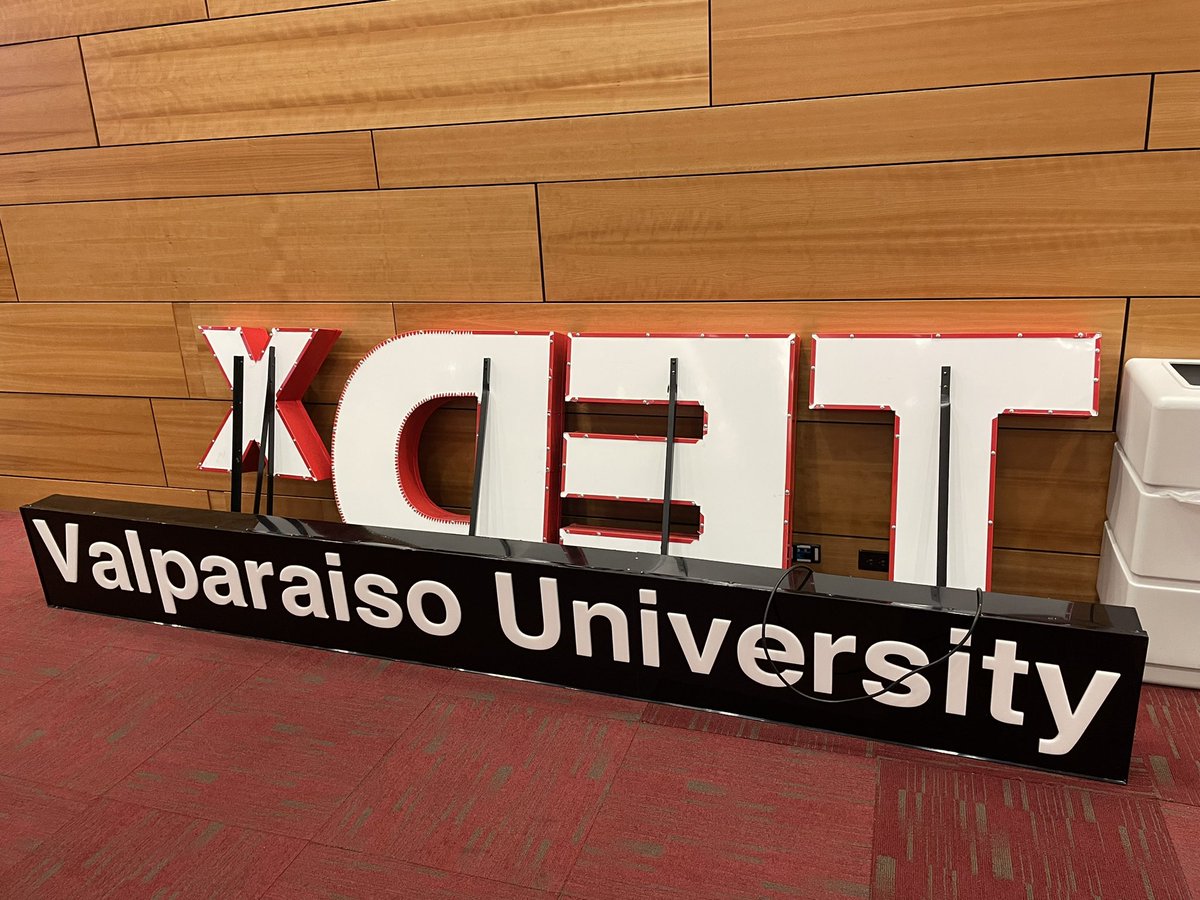
Tonight’s the night. Doing my TEDx talk this evening at 7:45 pm Central Time. My talk, “Neighbors: Connecting America One Portrait at a Time” will stream live via a link on their Facebook page. Link below. Wish me luck!
https://t.co/ZTaYG7ufG3
@dlennard@KinoAlyse I’ve been rehearsing my talk as much as I can stand to these past few days. Haven’t been on Twitter much because I’ve been so emotionally engaged with this talk. It’s a lot…
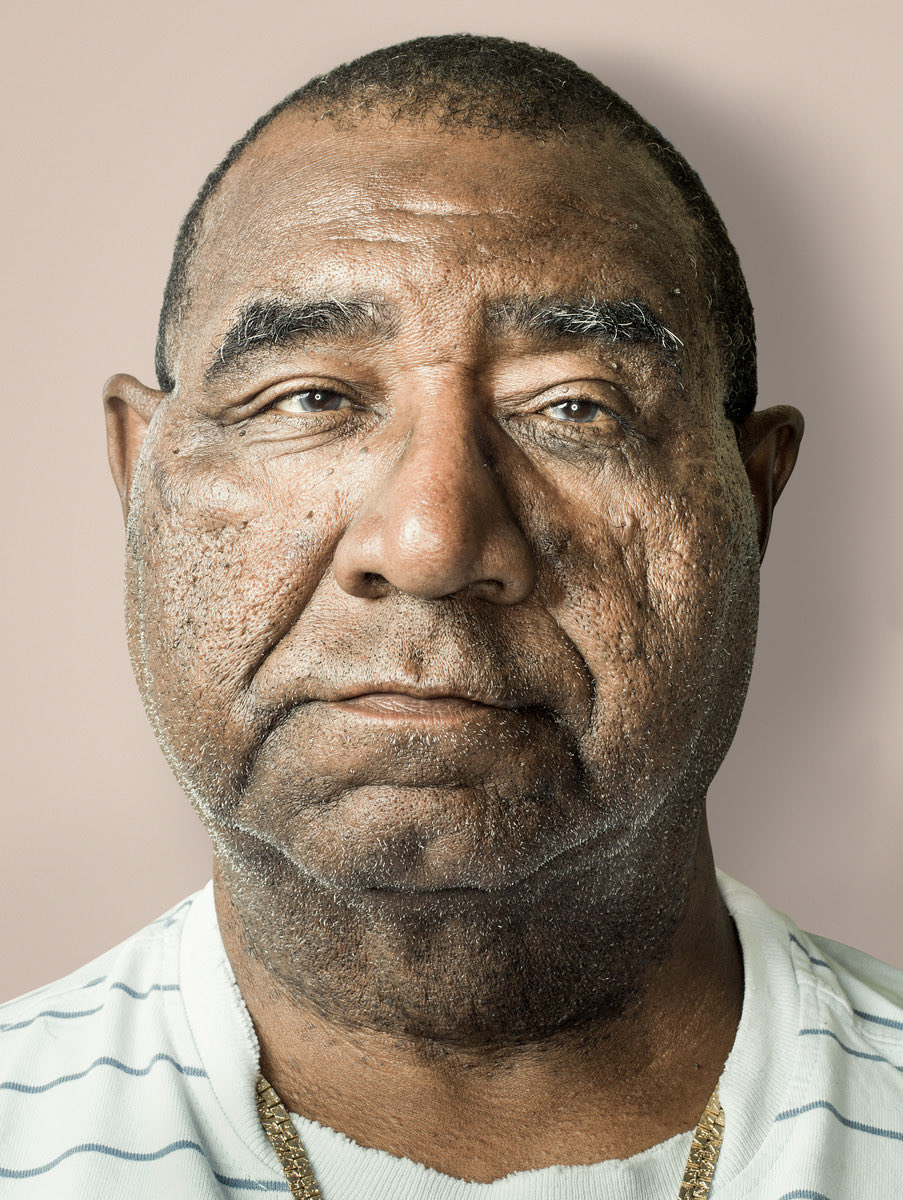
One of the first portraits I took as part of my Neighbors Project. Over the course of four years, I took portraits of Americans in all of all backgrounds in all 50 states. #portraitphotography#photography#NFTartist#TedTalk
@KinoAlyse I don’t understand why people in the NFT space keep using art and utility in the same sentence. Is it because of the tech influence? Tech bros can only justify value based on “utility?”
@KinoAlyse I hate the word utility when it’s applied to art. It implies that there must be some usefulness to art. Art should be free to be completely useless and still be incredibly valuable. Justifying art’s value based on its “utility” is to miss the point of art.
@KinoAlyse I hate the word utility when it’s applied to art. It implies that there must be some usefulness to art. Art should be free to be completely useless and still be incredibly valuable. Justifying art’s value based on its “utility” is to miss the point of art.
In 2017, the Anchorage Museum commissioned me to bring my Neighbors Project to Alaska. I thought it was going to be some small building in a strip mall. When I arrived there, I looked at the massive glass building and thought “I’m gonna need a bigger boat.”
To photographers, the image is whole. To contemporary artists, the image is the manifestation of a concept that may or may not be clear to the viewer. To the photographer, the image is everything. To the contemporary artist, the image is secondary to the idea. What do you think?
Do you identify as an artist or a photographer? The difference between photographers and contemporary artists who work with photography can be boiled down to this:
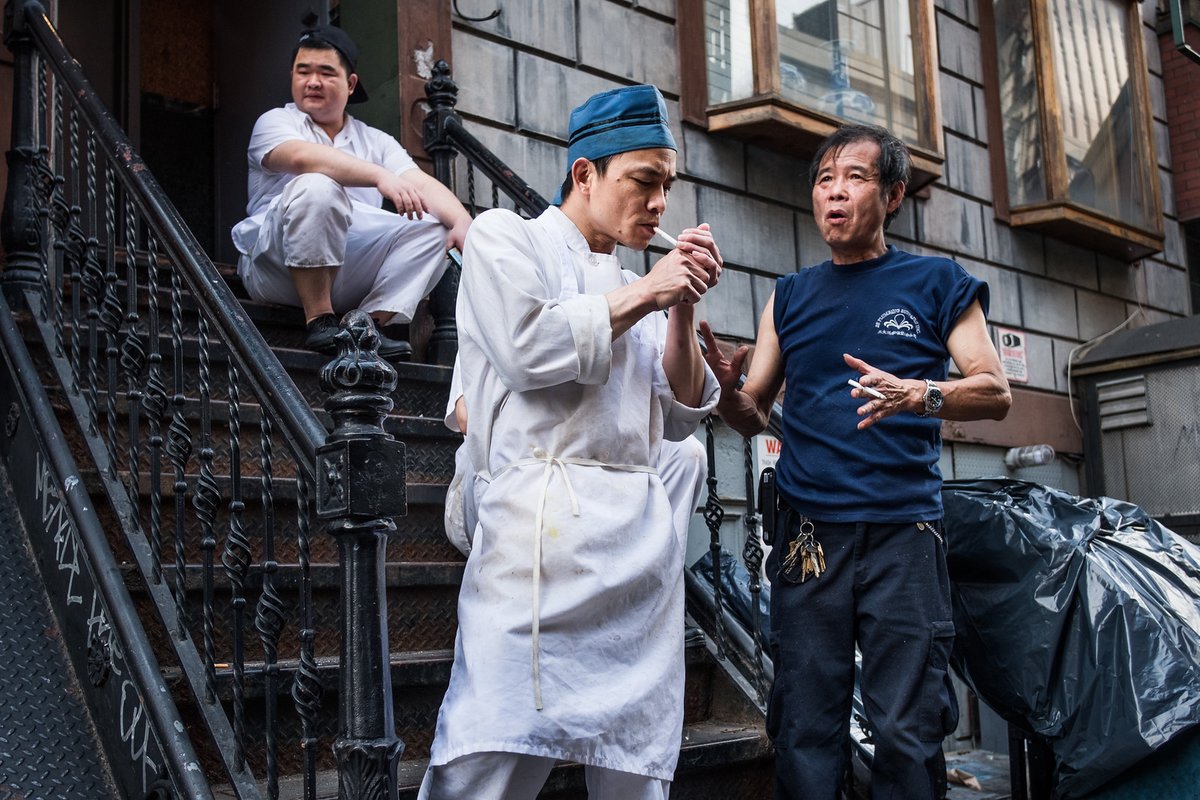
So much of my #photography is about connection. With #streetphotography, I try to capture those brief moments where subjects either connect with each other or the viewer. The two here were constantly moving and talking, though in this second, they appeared still. #nyc#nftart
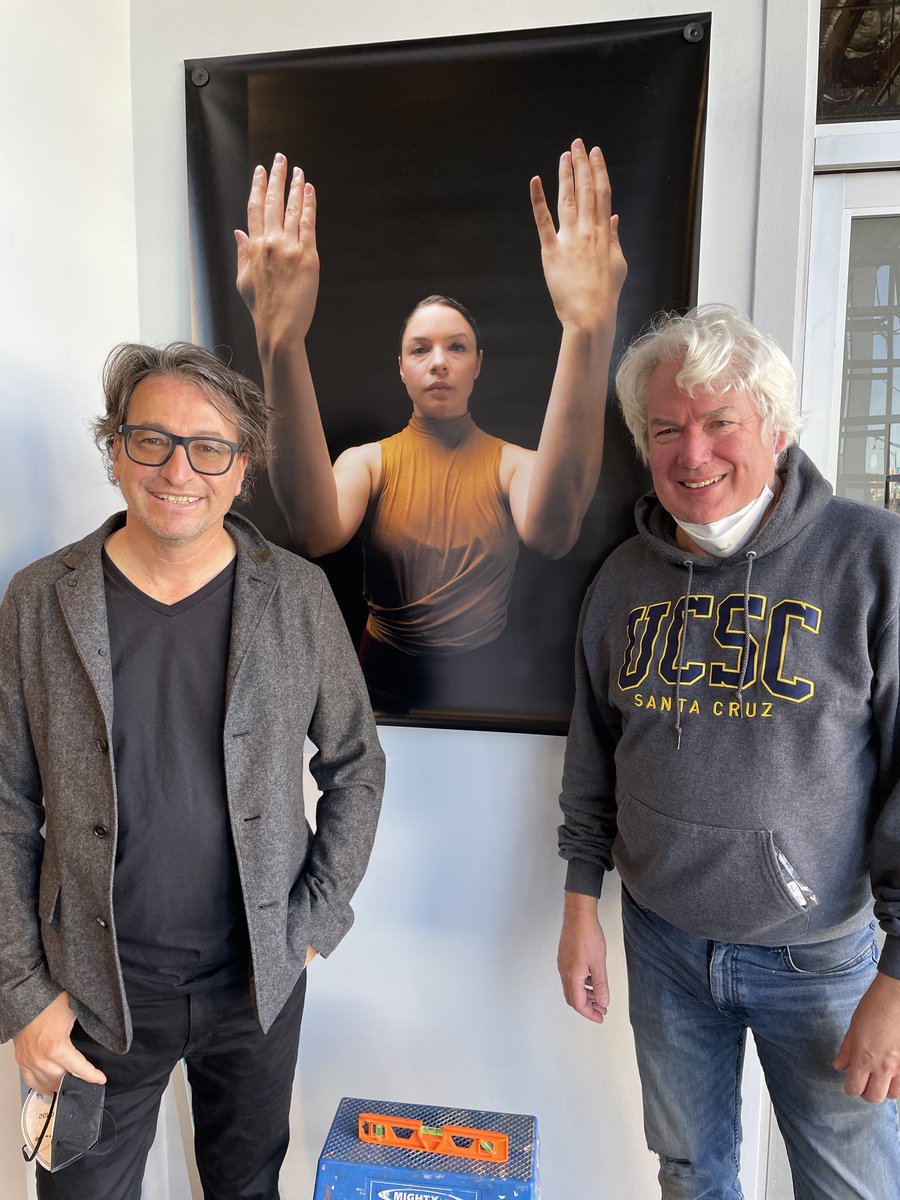
Among the (too) many things I do, I help other #photographers realize their exhibition dreams. I consulted with Doug McMininy and printed the work for his upcoming show of #dance#photography at the Art & Produce gallery in #sandiego. Going to be a fantastic show. Opens Jan 7.
Scene outside a Chinese restaurant in the #LowerEastSide of #NYC. The kitchen staff slips out the back for regular smoke breaks. In true NYC style, the conversations are always animated. #streetphotography#fujifilm#nftart
@nftceoclub I would like to be able to list artists according to Established, Emerging & Novice/Hobbyist. An artist whose work is in museums shouldn’t be lumped in with someone just trying to make a quick buck. Not good for buyers or artists.
@nftceoclub The problem is that when all the work is thrown in together, it’s difficult and time consuming to sort out what is interesting and what’s not. Currently, the search and categorization features of NFT sites are amateurish at best.