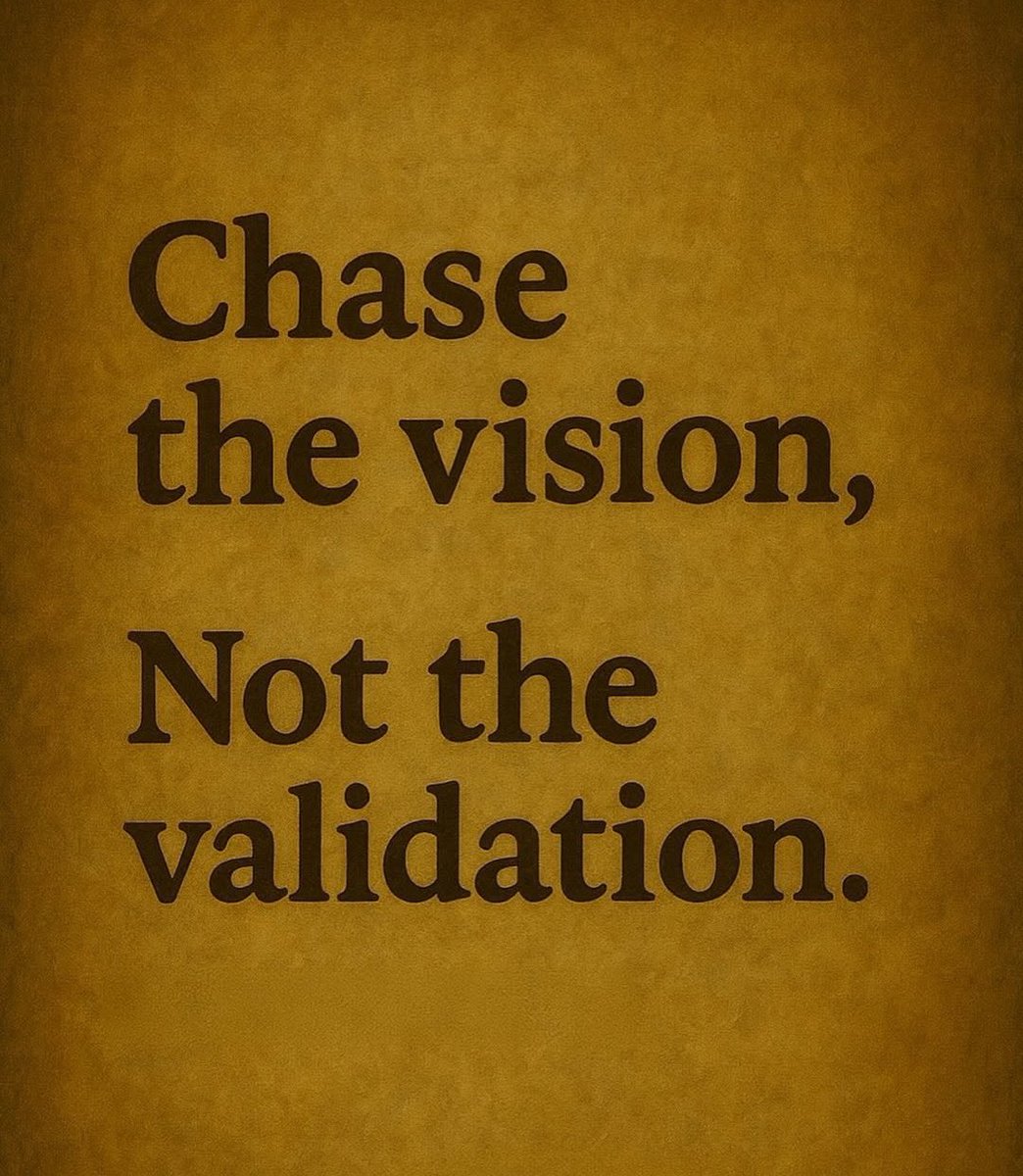
Leadership often looks like visibility, confidence, and impact.
It also looks like restraint.
The pause before responding.
The choice to listen instead of perform.
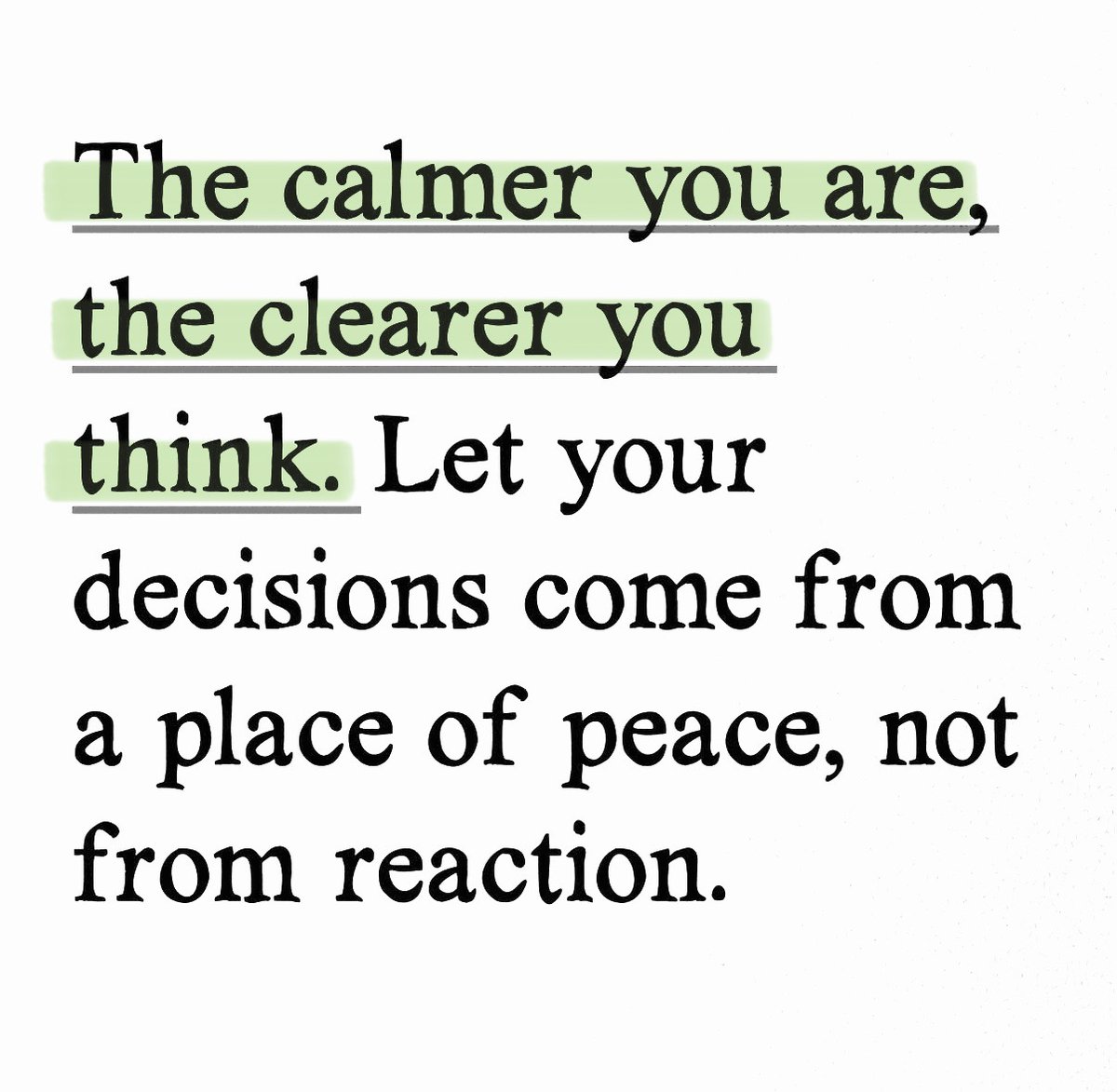
The discipline to think clearly when others expect speed.
That’s the part of leadership I’m reflecting on today, #NationalLeadershipDay.
#Leadership #SchoolLeadership
In schools under pressure, staff wellbeing isn’t separate from leadership. It’s shaped by culture.
How authority is defined. How judgment is treated. How people know their thinking will be received.
When leaders respect people’s judgment and clarify where decisions live, trust and wellbeing improve because the work itself becomes more workable.
That’s not soft leadership. It’s how organizations sustain good work.
#EducationalLeadership #SchoolCulture
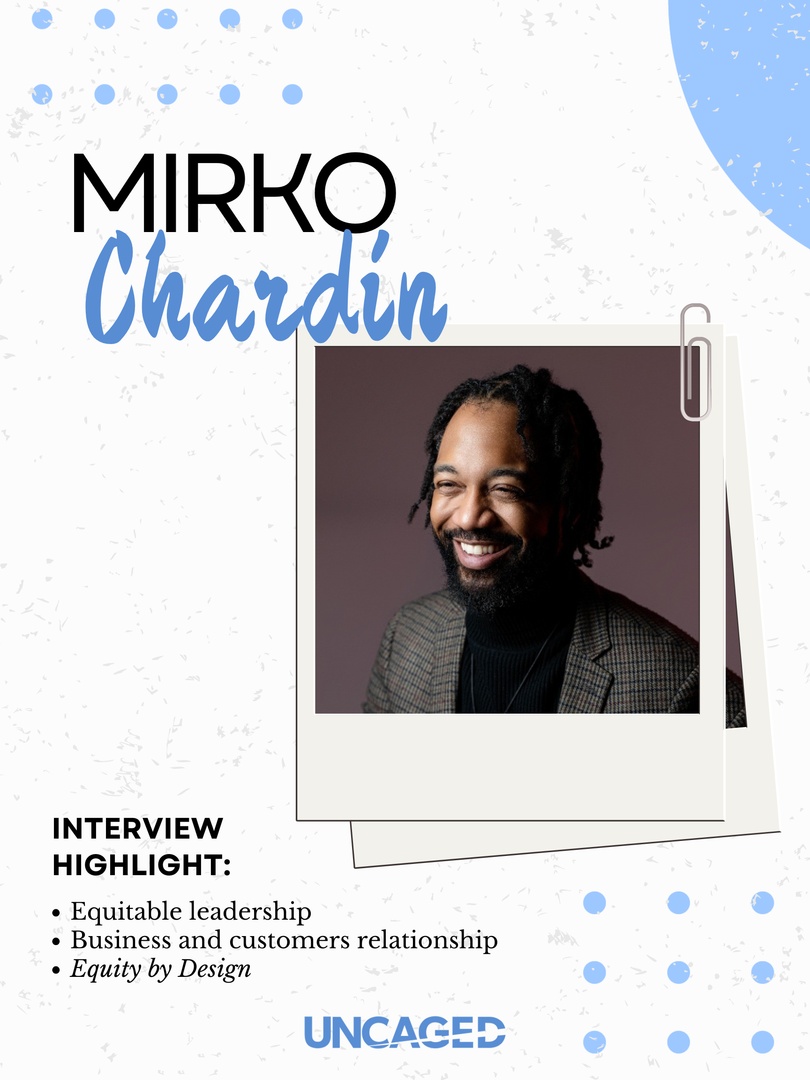
I recently joined the Uncaged podcast to talk about leadership, and one theme kept surfacing for me: listening.
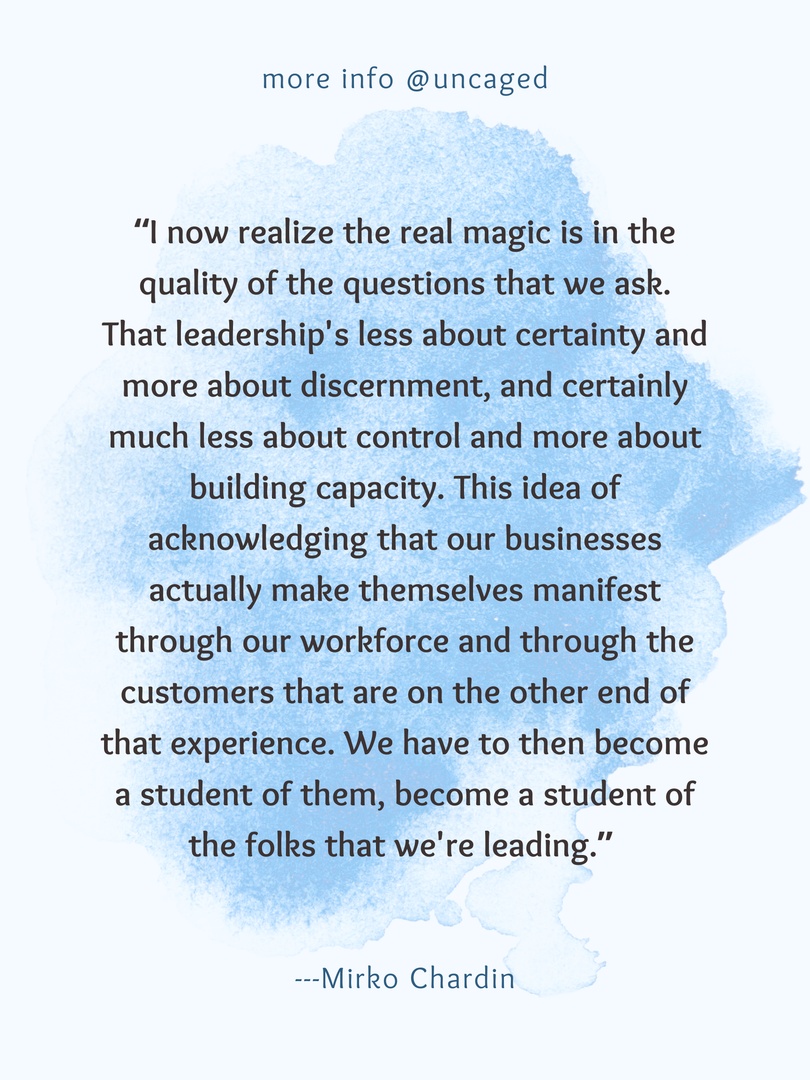
I used to believe strong leadership meant having the answers and projecting certainty. What I’ve learned instead is that leadership lives in discernment, in the quality of the questions we ask, and in building capacity rather than control.
This clip gets into why organizations are shaped by people, not performance alone.
#Leadership #ExecutiveLeadership
The real magic lies in the quality of the questions we ask; that's where a great leader shines. Listen to @MirkoMilk, founder of Chardin & Co., talk about leadership.
This clip comes from a recent conversation I had on the Uncaged Podcast.
It reflects a shift in how I think about leadership. I used to believe strong leaders needed answers and control. Experience taught me something else.
The real leverage is listening, discernment, and building capacity in people and systems.
#Leadership #ExecutiveCoaching #SystemsLeadership
Wellbeing at work isn’t separate from leadership. It’s built on how decisions move and how people are heard. Clarity, voice, and respect reduce stress and build trust. Dignity in leadership isn’t soft. It’s structural. https://t.co/8y2D6DxrB2
At senior levels, speed can quietly replace judgment. When pressure is high, responsiveness turns into reflex and momentum becomes the goal.
Leaders who sustain themselves learn to slow their thinking without slowing the work. That pause is how judgment stays intact.
#Leadership #ExecutiveDecisionMaking
Strong programs and clear goals don’t guarantee people feel seen. I learned culture is shaped less by plans and more by lived experience. Listening restores agency and trust. Leadership gets easier when people feel known, valued, and respected.
We talk a lot about how leaders lead, but not enough about why we lead or who we’re leading for. In fast-moving environments, those questions are often what ground leaders when things get hard.
In this clip from the Uncaged podcast, I reflect on why leadership isn’t about performance or self-expression. It’s about the organizations we’re building and the cultures shaped through people, not the leader alone.
If you’re questioning what your leadership is really in service of, this part of the conversation may resonate.
#Leadership #PurposeDriven
Schools don’t improve through “hero leaders.” They improve when authority, judgment, and ownership are shared. Leadership by design builds capacity. Leadership by dependence slows it. https://t.co/3Nc60nNe1E
On Uncaged, we talked about moving from control to discernment and why listening builds real capacity and trust. Great leadership isn’t about having the right answers.
Full conversation here 🎧
https://t.co/NRoK4hRs7b
At senior levels, there are decisions you can’t work through inside your organization.
Budget pressure, leadership changes, and board expectations can leave leaders carrying information their teams don’t yet need to have. When visibility is high and time feels tight, the space needed for real thinking often disappears.
Leaders who sustain themselves don’t leave this to chance. They’re intentional about where they go to think when internal processing isn’t possible.
Making time to think outside the organization isn’t a luxury. It’s part of the responsibility at the top.
#LeadershipResponsibility
#ExecutiveLeadership
#LeadingWithClarity
This clip comes from my recent appearance on the Uncaged Podcast, where we talked about leading in a landscape shaped by real lived experiences, not just theory.
It’s about staying practical when things feel charged, paying attention to who you actually serve, and remembering that leadership still comes down to understanding needs and signaling trust.
#Leadership #ExecutiveCoaching #DecisionMaking
Revisiting a Forbes piece I read a year ago on heroic leadership. It still holds.
Organizations don’t scale because leaders step in and save the day. They scale when leaders design systems that don’t depend on them being everywhere at once.
When decisions and ownership sit too high, progress slows and leaders carry more than they should. Strong systems move authority closer to the work.
Worth reflecting on where your role has evolved and where it hasn’t.
#Leadership #SystemsThinking #ExecutiveLeadership https://t.co/0Aa6gUtDWk
I recently joined the Uncaged podcast for a conversation that reflects much of the work I do with leaders today.
We talked about leadership shaped by experience, building trust inside organizations, and sustaining yourself when the work is demanding and visible.
One key takeaway for listeners; high performance and grounded leadership aren’t separate skills. Leaders who sustain impact stay connected to their values, their breath and their judgment.
Listen here.
#leadership #executivecoaching https://t.co/8YfGA5ABNH
What senior leaders are often told is that burnout is sometimes role drift.
When leaders step into roles that are loosely defined at the top, responsibility accumulates over time without being stated or revisited. Decisions get routed upward out of habit, and problems land in one place because that’s where they’ve landed before.
Over time, the cost becomes visible in how leaders spend their days. More time goes to approvals, escalations, and providing context that others could work through on their own. Less time is left for thinking, prioritizing, and making the decisions that truly require the leader’s judgment. The role starts to feel heavier, not because the work is harder, but because too much of it keeps landing in one place.
This is often when leaders come to me. They’re capable, committed, and still performing, but they can tell the role has shifted in ways that aren’t sustainable. What we focus on isn’t effort or resilience. We look at which responsibilities have quietly accumulated and which ones no longer need to sit with them.
Leaders who sustain themselves pay attention to this early. They revisit how their role is functioning and allow responsibility to move where it makes sense, so they can stay focused on the work only they can do.