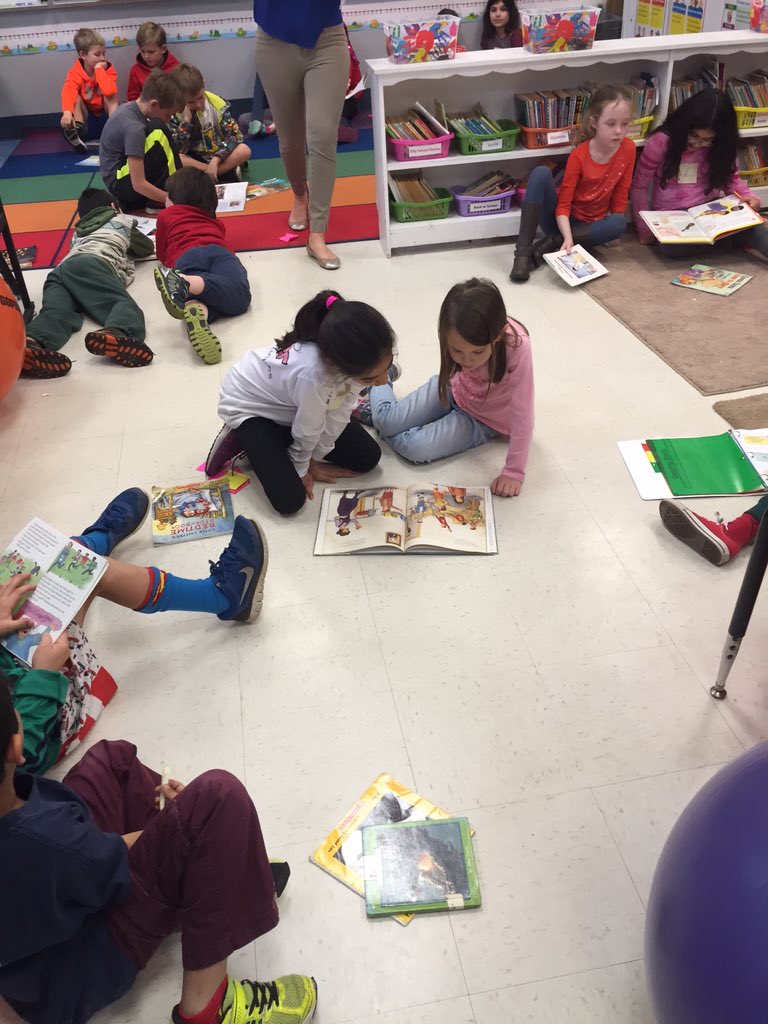
@kristawelz A5: When children’s own culture is represented, feelings of respect and empathy are encouraged. If not, students can feel devalued and are sent a subtle message that perhaps school is not for them or that they are not as important as those commonly featured #NJLibChat
@kristawelz A4: All Are Welcome by Alexandra Penfold, The Sandwich Swap by Queen Rania of Jordan and Kelly, Drawn Together by Minh Le, Jacob’s New Dress by Ian and Sarah Hoffman #NJLibChat
@kristawelz A3: You need to consider the author’s credentials, characters, setting, plot, theme, illustrations, and appropriateness. They should break “typical” stereotypes of race, gender etc. Consider- does the story encourage meaningful discussion for kids to explore? #NJLibChat
@kristawelz A2: It helps to diminish prejudices and stereotypes. Reading diverse literature teaches students to empathize and better relate to their peers. As the classroom becomes more unified and the climate increases, incidents such as harassment and bullying decrease. #NJLibChat
@kristawelz A1: Multicultural literature helps children open their minds to people’s differences and instill a sense of tolerance and empathy. Additionally, it helps them make text-to-self connections and develop a sense of self-affirmation. #NJLibChat