Did you have a ancestor that served or contributed to the American Revolutionary War? Don't know? Do know? Feel free to contact The Sons of the American Revolution (SAR) https://t.co/At3ODfEl9c , your state or local chapter.
When faced with British resistance or the threat of an ambush, the American troops broke ranks and fled, undermining the assault. This failure delayed the American advance, though Schuyler and General Richard Montgomery later regrouped, continuing the siege of Fort St. Johns.
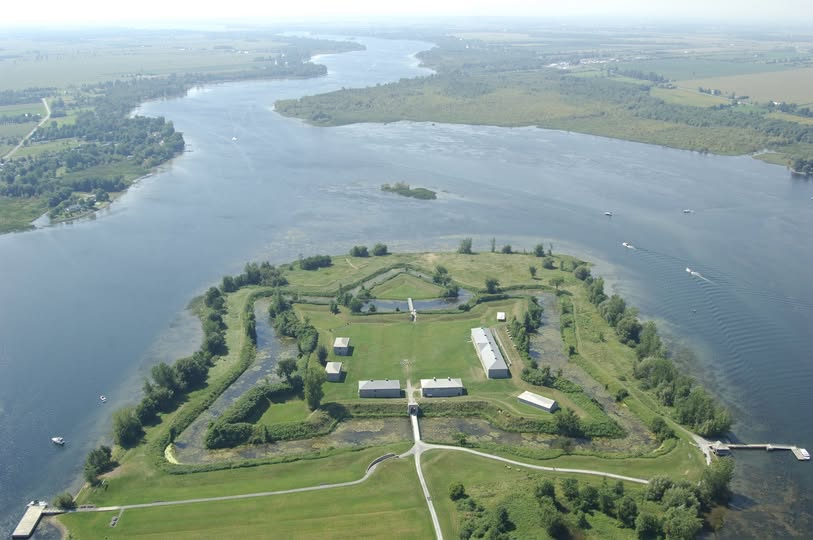
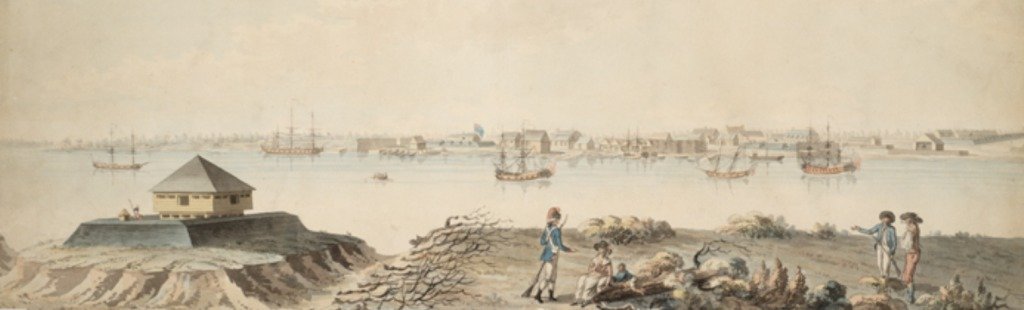
250 years ago, on September 10, 1775, Major General Philip Schuyler, leading the Continental Army’s invasion of Canada, launched a second attempt to attack Fort St. Johns from his fortified encampment on Île aux Noix, Quebec. #AmRev#RevWar
However, the attack faltered. Schuyler’s men, still shaken from an ambush on September 5, 1775, during their first attempt to advance on the fort, were gripped by fear of another trap.
This was part of the Continental Army’s campaign to seize the British province of Quebec and persuade French-speaking Canadiens to join the American cause.
250 years ago, American forces, led by General Philip Schuyler, arrived at Île-aux-Noix in the Richelieu River on September 4, 1775, approximately 10 miles from Fort St. Jean. #AmRev#RevWar
This initial clash was a minor British and Indigenous victory, but it did not deter the American campaign. The following day, September 6, Schuyler’s forces continued their approach, leading to further engagements.
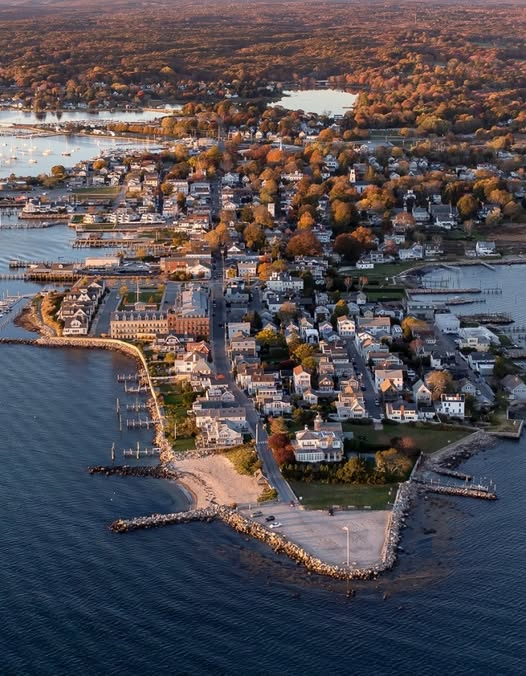
This minor but spirited defense boosted Patriot morale early in the war, showcasing local resilience against British naval power. The event is noted for the bravery of the Stonington militia.
Despite the British firing over 1,000 cannonballs, the defenders repelled the attack, causing minimal damage to the town and reportedly sinking a British barge. The battle lasted two days, with the British withdrawing on Sept. 1, 1775, after failing to land troops.
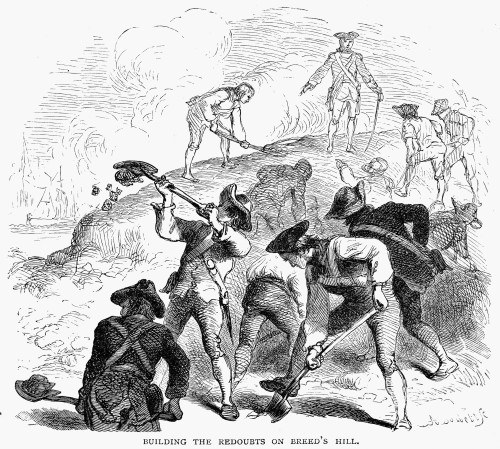
The British regularly bombarded the fortifications on Ploughed Hill until September 10; the hill supposedly received more fire than any of the other forts in the area with more than three hundred shells falling in the first few days.
250 years ago, on August 26-27, 1775, Ploughed Hill in Charlestown, Massachusetts. Due in large part to its close proximity to Bunker Hill, General Washington ordered Ploughed Hill in Charlestown to be fortified. #AmRev#RevWar
Unable to fully respond to the barrage due to low supplies of ammunition, the Colonists fired only one shot with cannon and successfully sunk one floating battery while the other ceased firing. 4 patriots killed, 2 “by their own folly” according to General Washington.