The moment trading started making sense to me was when I made a conscious decision to stop accepting mediocrity.
I realized that spending hours looking at charts wasn’t necessarily the same as getting better at trading.
You can spend 5 years in the market and still repeat the same mistakes you made in your first year.
Experience means very little if you’re not learning from it.
So I became intentional about everything.
Every losing trade had to teach me something. Every winning trade had to be understood well enough to replicate. Every mistake I kept repeating had to be identified and corrected.
I stopped measuring my progress by how much money I made and started paying attention to how much better I was becoming at making decisions.
I stopped praying to be like anyone else and started praying to simply become better than the person I used to be.
My competition became my previous self, my previous mistakes and the limitations I had yet to overcome.
That’s where the real growth started.
Anyone can become a profitable trader, but not everyone will.
What makes the difference is OBSESSION.
The obsession to understand your craft, to keep refining your edge, to study what others overlook and to become so good at what you do that consistency becomes a product of your preparation.
Wanting success is common. Being willing to do what success requires is where the difference lies.
I’m wishing y’all the best and most profitable week this week. 💜📈
MARKET OPENS IN A FEW HOURS.
Charts are waiting, opportunities are loading, and the focus remains the same.
No predictions. No FOMO. Just patience, discipline, and execution.
Let's get to work. 📊💙
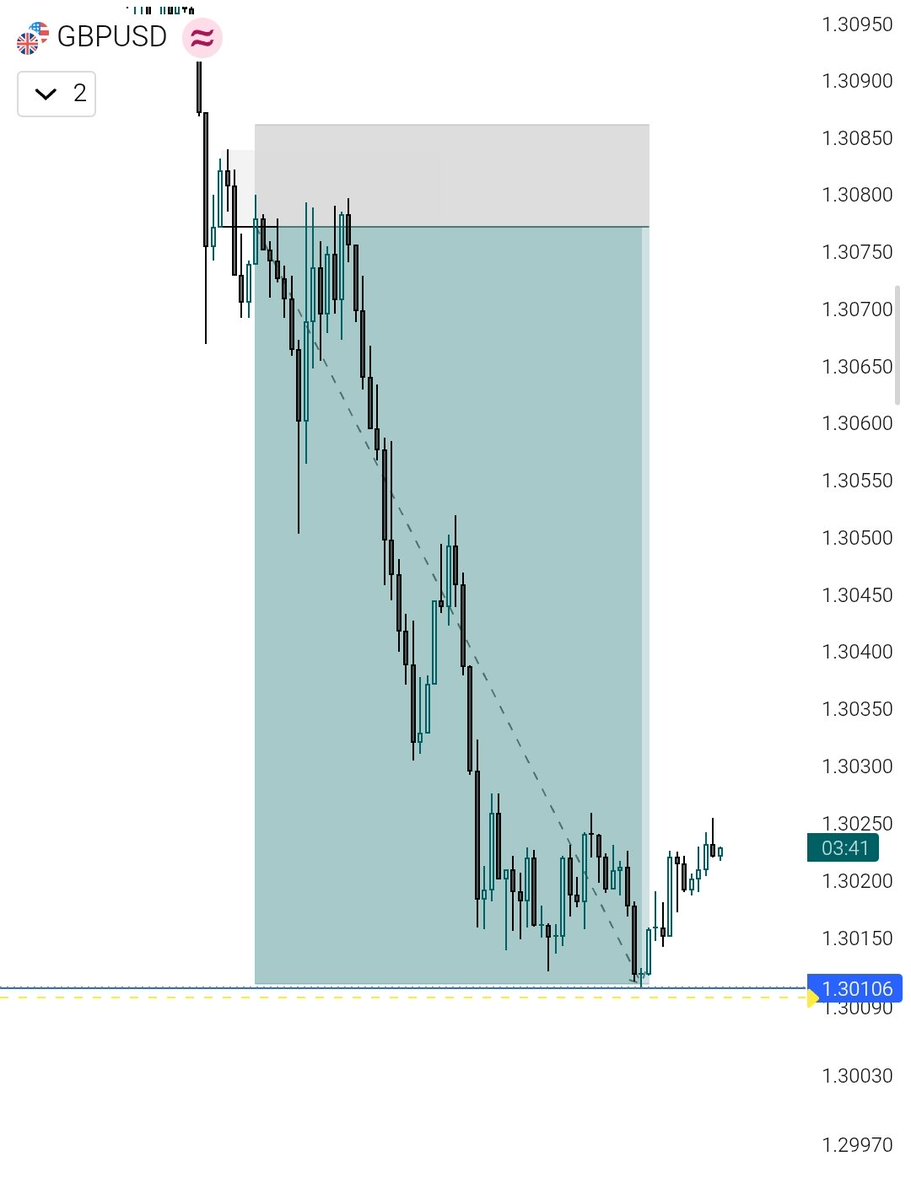
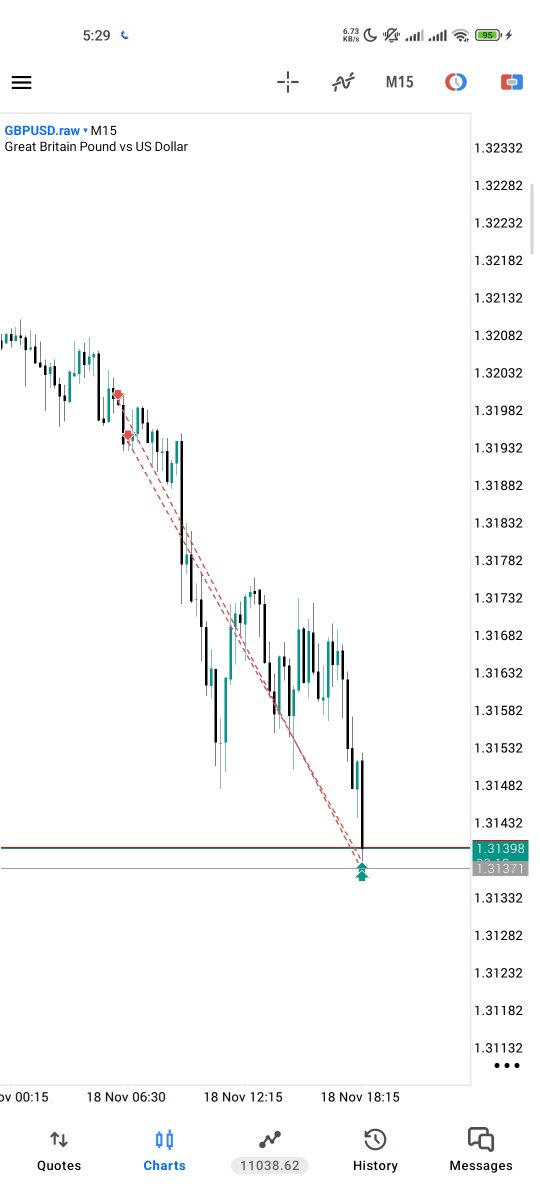
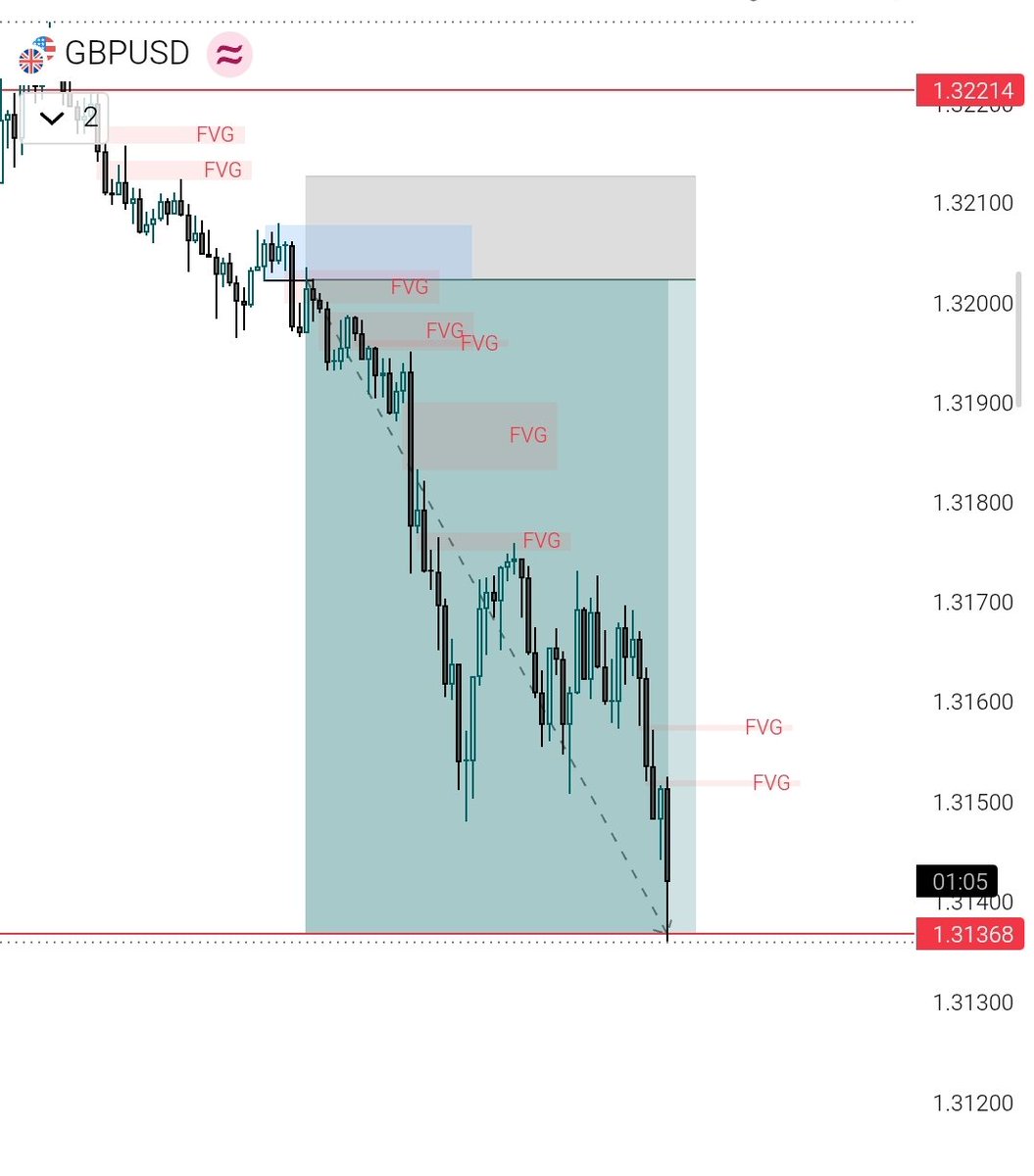
We are here - FULL TP 💙📊
Consistency is war.
A daily fight with the version of you that wants to quit.
Don't negotiate with that voice.
Outwork it today. Then show up again tomorrow.
GBPUSD
+6R
Imagine losing so much money trading that an entire BANK goes bankrupt because of you.
Not just any bank.
A 233-year-old British bank that had survived wars, financial crises, and generations of economic uncertainty.
And the man responsible was just 28 years old.
His name was Nick Leeson.
In the early 1990s, Leeson was trading futures for Barings Bank from Singapore.
To his employers, he appeared to be an exceptional trader.
But there was a problem nobody knew about.
He was secretly losing MILLIONS.
Instead of admitting his losses, he hid them in an account numbered 88888.
And every time he lost money, he took even bigger positions, hoping one winning trade would recover everything.
Then came January 17, 1995.
A devastating earthquake struck Kobe, Japan, sending shockwaves through the Japanese stock market.
Leeson was heavily exposed.
His losses exploded.
But he kept betting on a recovery.
By February, the damage was irreversible.
£827 MILLION in losses.
Barings Bank collapsed.
And Leeson fled Singapore, leaving behind a handwritten note:
“I’m sorry.”
233 years of banking history, destroyed.
Now, here’s something I want every trader reading this to understand.
Sometimes, the most expensive mistake you can make isn’t entering a bad trade.
It’s refusing to accept that the trade is bad.
You lose 2%, then risk another 5% trying to recover it.
You lose again, increase your lot size, and suddenly one bad trading day becomes a blown account.
All because you couldn’t accept a small loss.
The market will always present another opportunity, but only if you still have the capital to participate.
You don’t have to recover today’s losses today.
Sometimes, the smartest thing you can do is close your charts and walk away.
Your job isn’t to win every trade. It’s to survive long enough to capitalize on the opportunities that matter.
Never forget that. 💜