Online shopping just got easier.
I used Opus 5.5 to build an extension where Jev evaluates product pages in a fraction of a second and gives back confidence scores on fair pricing, quality, real/fake reviews, and more.
Benchmarking against Opus 5.5 on the same products, it caught 100% of white-label products and 95% of fake discounts.
https://t.co/G96LJKKjMv
@mattpocockuk Can you give an example of a case where sacrificing readability improves verifiability? Or where sacrificing readability improved token cost? I'm with you that readability is not a necessity, but if removing it does not improve some other core capability, why remove it?
@crazy_vaccine@tumiszn_ You’re missing my point. I’m not comparing low effort AI to high effort traditional work. But I’m not gonna keep trying to explain it to you.
@_mctrinh It makes "chat" exhausting. But Opus gives me the same thing, especially when the question is related to code. I actually enjoy talking to Gemini about non-technical problems for this reason, though 3 is feeling outdated.
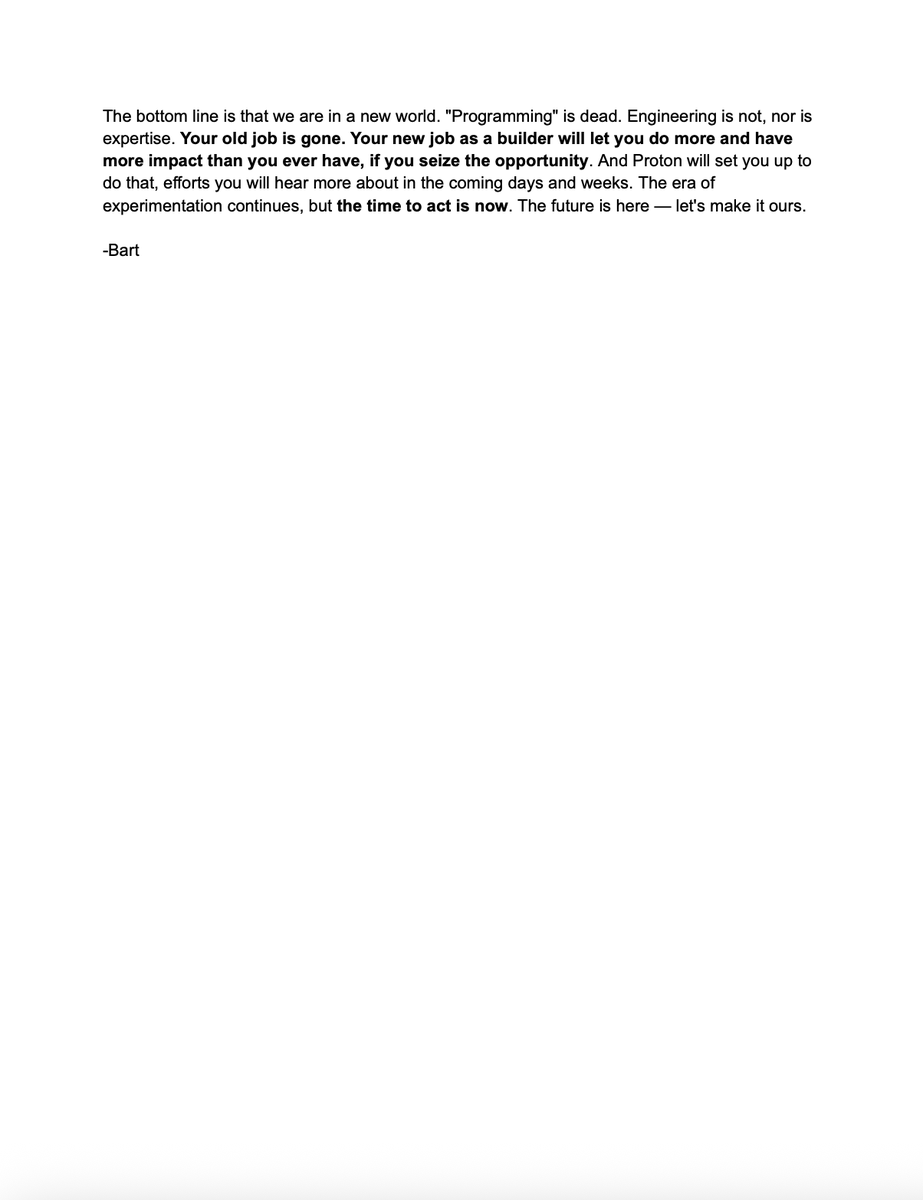
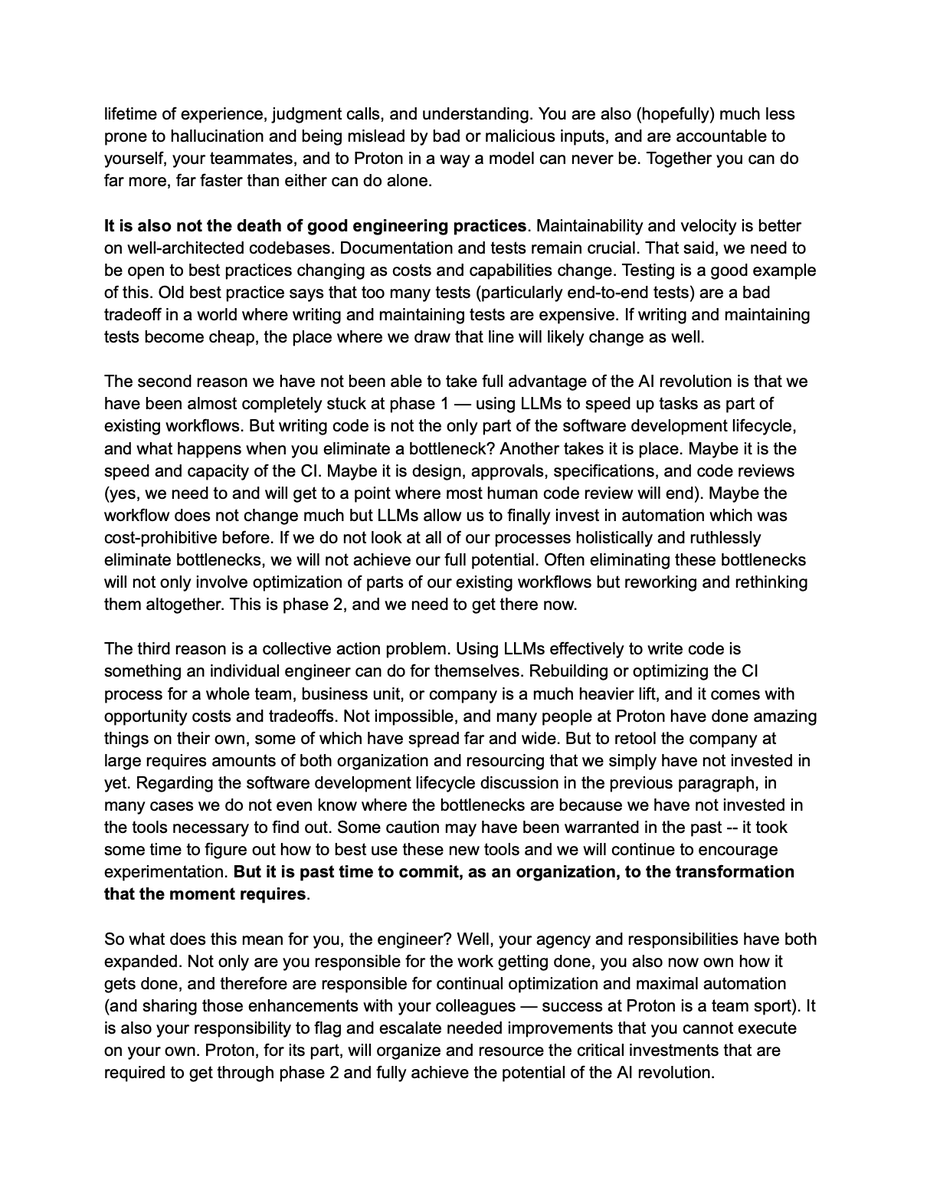
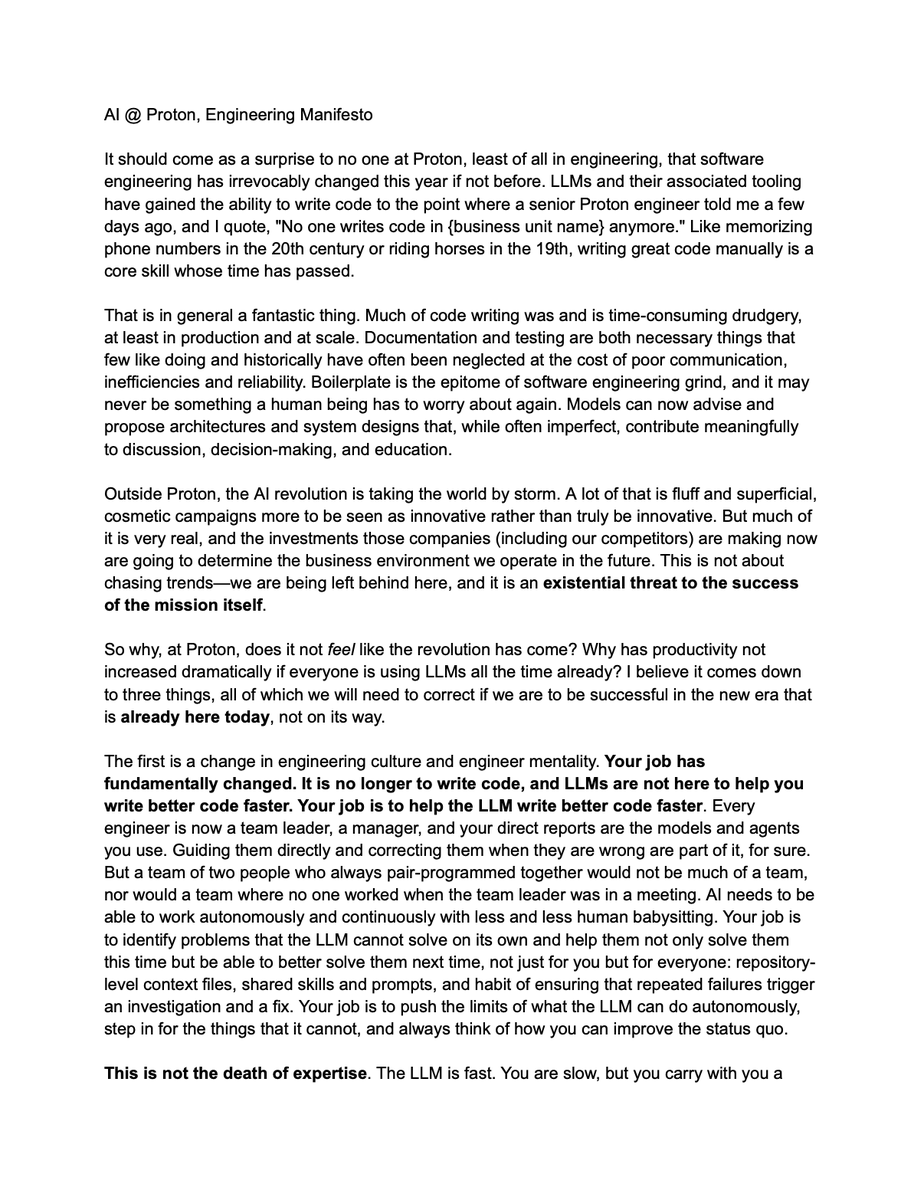
The AI manifesto is... spot on. No hot takes, it's just clear on exactly where we're at. The real challenge is, as the CTO mentions, removing the developer workflows slowing down teams. Those workflows which formerly guarded against quality regressions in a time when coding was expensive have inertia because they are integrated into the very systems developers use to deliver results. We need to rip them out and see what works today.
@NoMoreMailers I won't lie - my taxes already fund the postal service. Needing to rely on an outside product to keep it at a quality minimum would leave a very sour taste in my mouth.
When is the US going to stop allowing junk mail to flood my mailbox with advertisements which immediately go to the garbage? Crazy that I can't unsubscribe from all these credit cards trying to sign me up.
Not sure we disagree. I'm really just writing about depth of intent. I don't agree with OP that using AI means you aren't an artist, game dev, etc, but rather that you have likely put less of yourself into it, like the case with composing music via pre-made clips.
But as I say, even rudimentary use of tools like pre-built loops can create something thoroughly enjoyable, like the popular song from gorillaz. And rudimentary or skilled use of AI can likewise produce things of great value.
I think of some time I spent making music with Ableton live. There are different layers of "abstraction" you can operate with: prebuilt clips or loops, prebuilt instruments, or building your own sounds from the basic waveforms and operations on those waveforms. Building with clips still has some originality, but it lacks the depth of originality associated with building sounds from scratch, or the depth of sampling real world audio to add to your mix.
Both take effort, both take skill, but one imparts more of you into it and requires greater thought and effort. However, at the end of the day, the piece made with clips might still sound better, and it probably took less time too. The person listening doesn't know the difference. It's just a question of how much of you exists in the product, I guess.
Not to get philosophical, but some say suffering is the only real thing in this world. The more suffering you put into something, the realer it is and (possibly) the more value it has. That's been true-ish until recently with AI. I'm a big proponent, but not sure how I feel about this aspect. You knew a musician suffered hrs in the studio, hrs learning instruments to bring something real to you. You knew the same for programmers. Now you don't know how much people are really invested.
Anyways, some great music has been made with pre-built loops. Look at Clint Eastwood:
https://t.co/AR5ALtInIk
I agree with the general sentiment, but don't you think it is a bit different this time? Those tools all required learning them, applying them, and the general skill of translating what is in one's brain into text, art, music, etc. Now you can ask AI for something without all those details fleshed out yourself, and accept the details it fills in. It's more like moving from an individual contributor to a manager or editor, but I think a manager can still say they build software, make art, etc.