Rise. Conquer. Repeat.
In honor of Mental Health Awareness Month, players and coaches teamed up to design this shirt that they will be repping all season long.
These shirts will be sold in the Royals Team Store and proceeds benefit the Veterans Community Project.
It’s not just the yelling and screaming at events that can hurt children. The constant correcting also can chip away at their psyches. Great work @twizzy2205 https://t.co/5qULeA1leE
Introducing our new "Together As One" shirts, designed by players & coaches, and printed on @47 tees. Net proceeds benefit @SynergyForAll youth mental health programs, with proceeds matched by @KCRoyalsFdn. Grab one at the Team Store while supplies last. Let's rally together!
Depression can affect people of any age, but it can be confusing because it often looks different in children, teens, and adults. Knowing the signs of depression and how they differ across age ranges can better equip you to get your child help if needed.
https://t.co/br2IW4DVDS
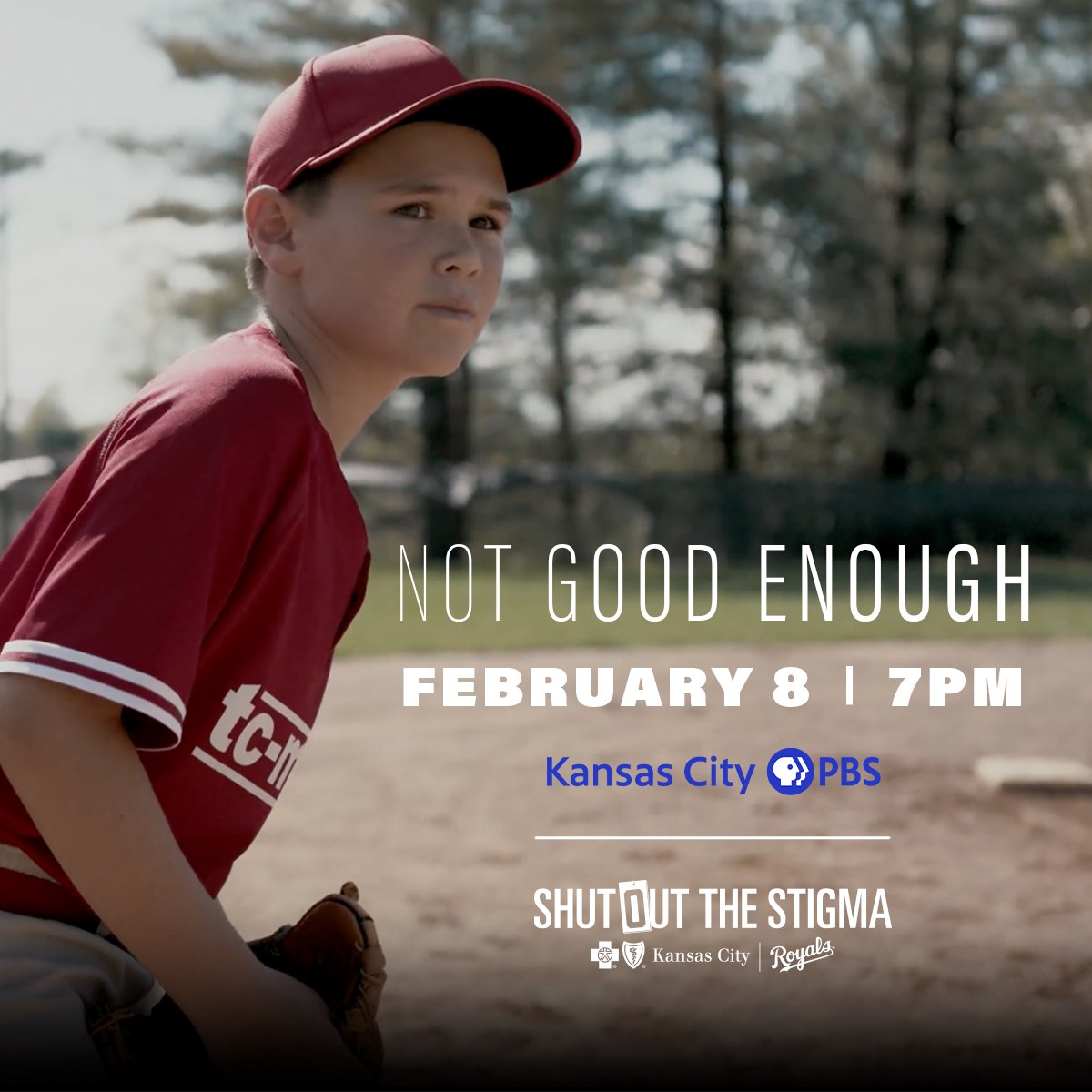
Our full-length documentary, Not Good Enough, will be airing this Thursday night at 7 p.m. CT on Kansas City PBS.
As part of our Shut Out the Sitgma initiative, Not Good Enough explores the toll perfectionism takes on youth athletes and their mental health.
“I think the biggest risk is that a lot of the apps may be wasting people’s time and causing delays to get effective care,” says Dr John Torous, director of the digital psychiatry division at Beth Israel Deaconess Medical Center, Harvard Medical School.
Psychiatry experts agree that while the past decade has seen a vast proliferation of new mood-boosting tools, trackers and self-help apps, there has been little in the way of hard evidence to show that any of them actually help.
The best way to neutralize our natural impatience is to cultivate a kind of pleasure in pain – like an athlete, you come to enjoy rigorous practice, pushing past your limits, and resisting the easy way out.”
Good Morning America reports on research by Daniel Pine, MD, a member of our Scientific Research Council, showing how treating anxious kids with cognitive behavior therapy (CBT) actually reduces the activity in the brain associated with anxiety.
https://t.co/9TydbNBPN4