How to use RSI
🔹https://t.co/VY4p56eX0J
EMAs vs. SMAs?
🔹https://t.co/nWTSp860In
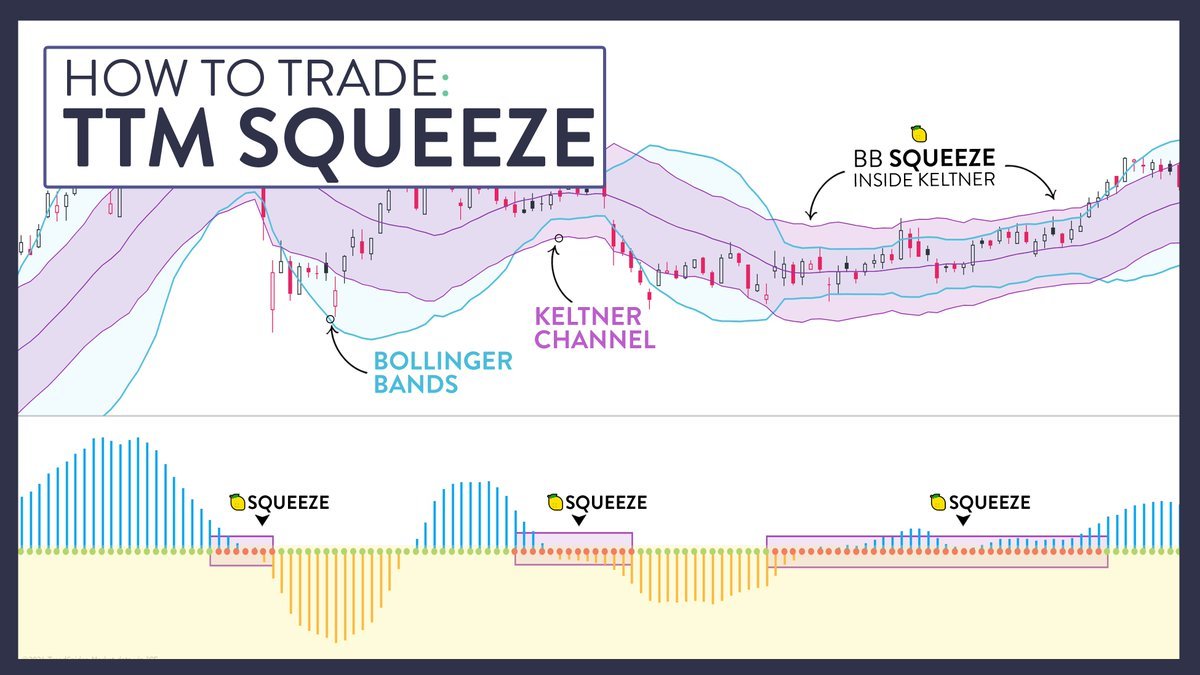
Learn to trade TTM Squeeze
🔹https://t.co/9a1fq2hFzV
Trading with Bollinger Bands
🔹https://t.co/HmO6m3SiTE
Try them today 72% OFF
🥂https://t.co/J3HvTAQgNO
I started #daytrading in 2005.
I have been making a living from it since 2006.
Here's how I started out (with a prop firm) and was profitable within 1 year.
A thread 👇
If you have less then $500-$1000 then these types of trade-ideas would help you 🧵
(I also highly recommend focusing on the same strategy and don't keep changing)
🚨MY FAVORITE TRADING STRATEGY🚨
This is so simple... even a 5-year old could execute it!
All you need to have is an 8-day & 21-day moving average on your screen
This strategy has been one of my biggest winners over the last year and a half DUE TO THIS APPROACH
LETS DIVE IN 👇
The 8 and 21-day are extremely powerful when it comes to trendsetting 📈📉
I made a post like this with $BABA as an example. I wanted to show how it works in other names like $TSLA
This strategy works for most stocks, such as $BABA, $MSFT, $AAPL, $AMZN, $NVDA, $AMD, and many others
What is the strategy ❓
-Go long when the 8-day crosses over the 21-day
-Go short or get out of the way when the 8-day comes back below the 21-day
It really is that simple!
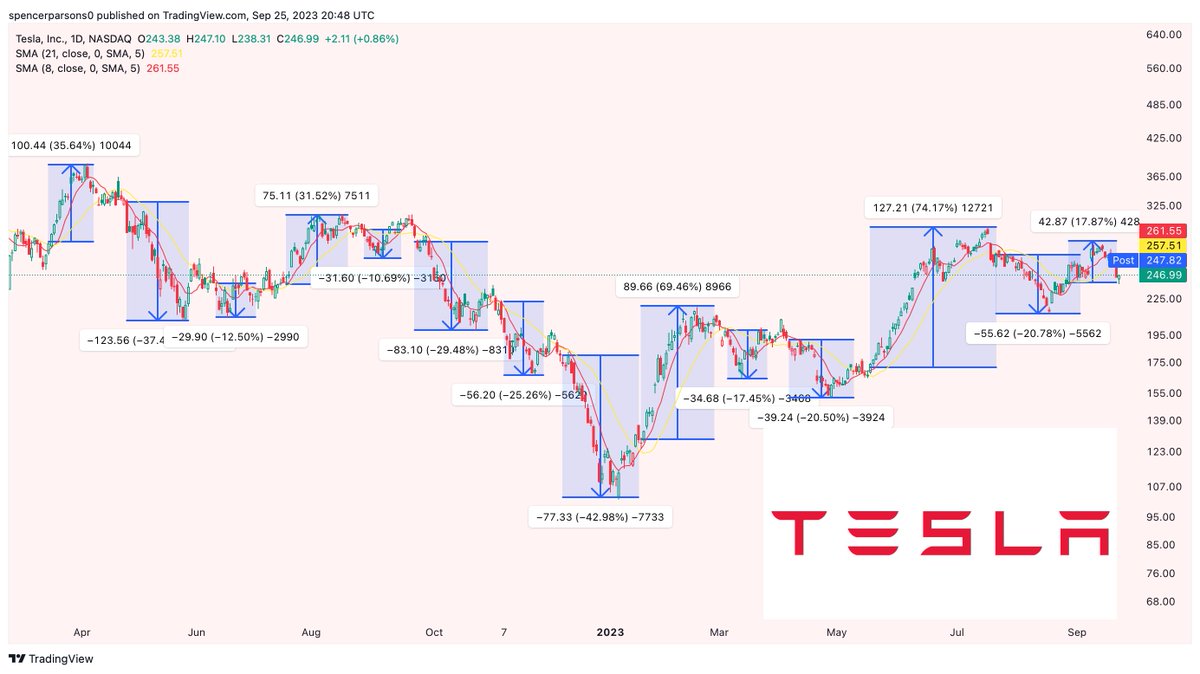
How has the strategy performed ( TSLA )?
💚Long side: +31.50%, +69.46%, +74.17%, 17.87
❤️Short side: -37.45%, -12.50%, -10.69%, -29.48%, -25.26%, -42.98%, -17.45, -20.50%, -20.78%
I have highlighted these from entry to peak
(Obviously it would be unlikely to be in that long, as we scale out)
I did this to highlight how powerful it is
As you can see, these are not small gains and tend to be big winners
Let me know if you have questions💡
Mohnish Pabrai is a great investor with a passion for reading.
Instead of pursuing a formal business education, he honed his investment skills through extensive reading.
Here are his 6 favorite books to master the art of investing 👇🏼
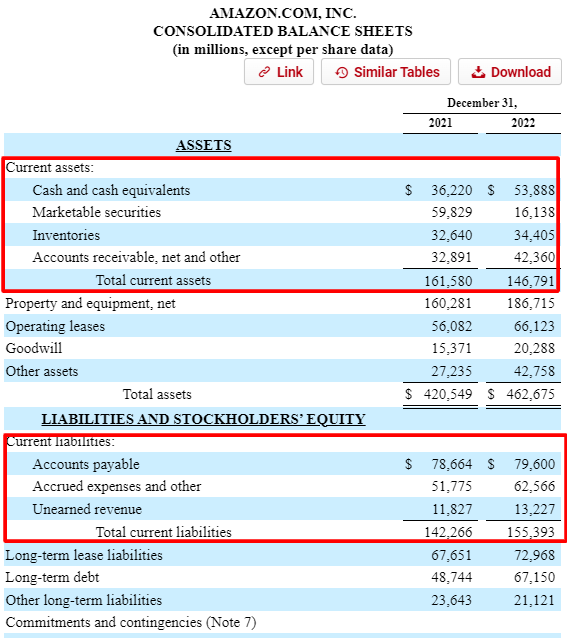
1/7 Today we will take a quick look at calculating net working capital. Net working capital (NWC) helps us understand a company's liquidity, as well funding operations. Joel Greenblatt uses it as part of his calculations for return on capital.
🧵⬇️