Sejam bem vindos!
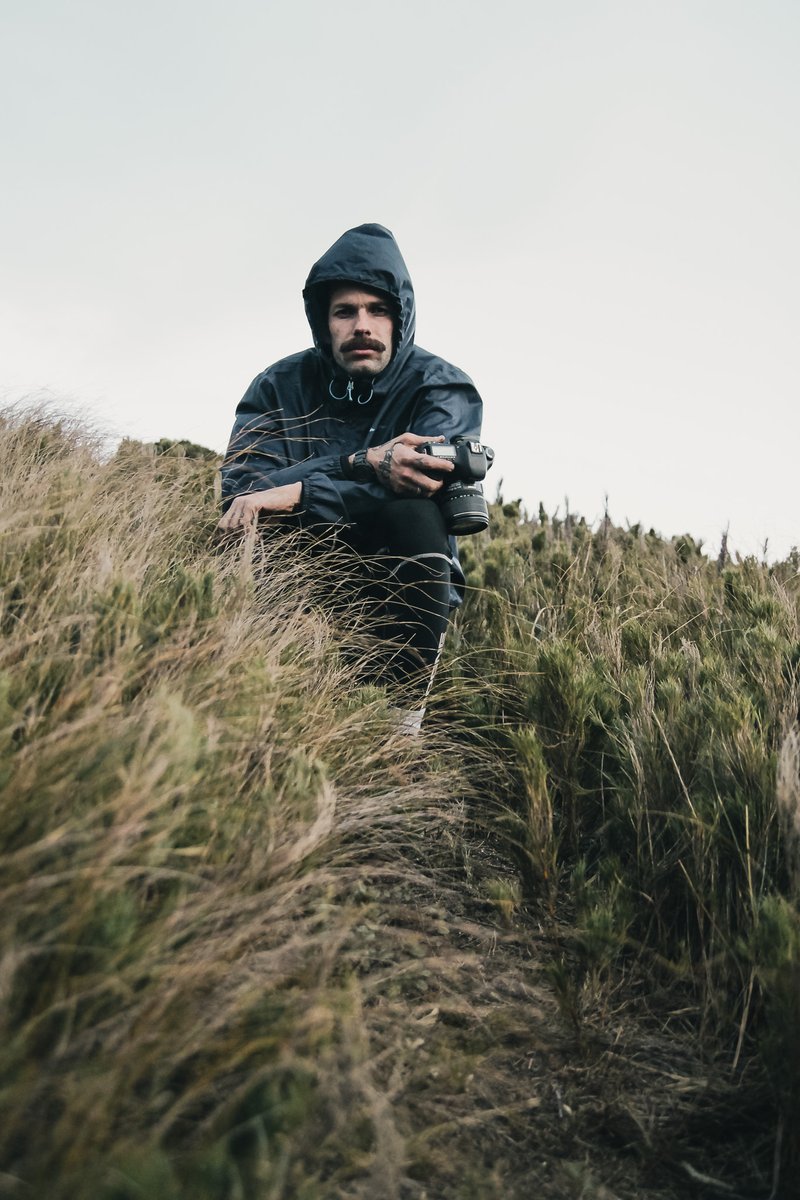
Fio para vocês conhecerem um pouco do Moabe Carvalho
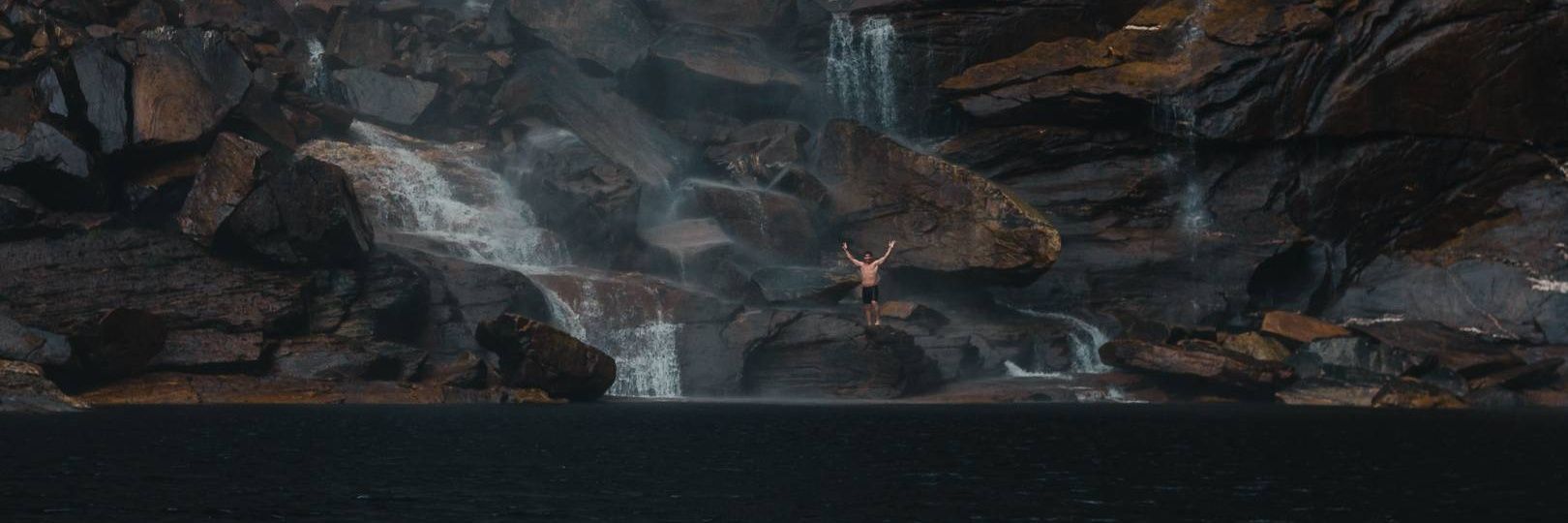
Fotografia outdoor
Vídeos escalando e trilhando
Projeto Vitaldark
Fotos de Ensaios
Fotos de tatuagem
Fotos do meu dia a dia
Projeto Vitaldark
This photograph depicts a young man wearing a traditional Ekpo "ghost" mask from the Ibibio people of southern Nigeria || 1932 🇳🇬
📸 British anthropologist G. I. Jones
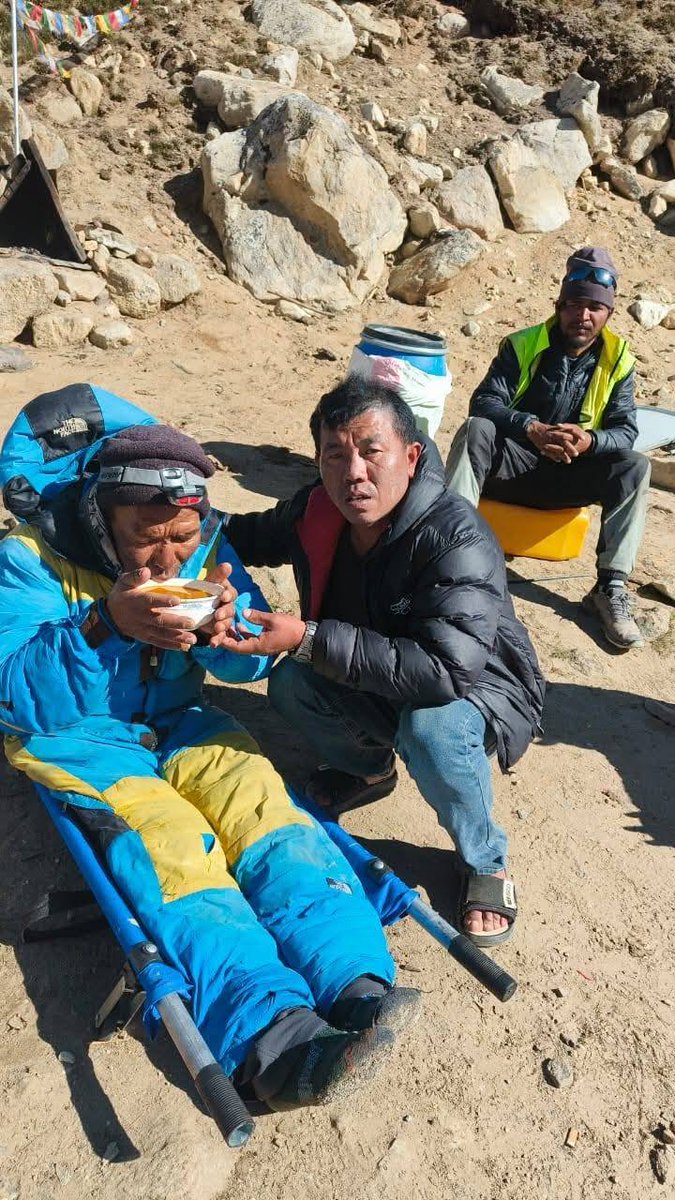
We are all relieved and grateful that Dawa Sherpa has miraculously survived and returned alive after days alone on Mt Everest. But while we celebrate the fact that he is alive, many serious questions remain unanswered.
Why was Dawa Sherpa left behind high on the mountain in the first place? When he failed to arrive at the lower camps, why was there no immediate communication with him? How could a climber remain missing for days on Everest without an urgent rescue initiative being launched? Why was human life seemingly not treated as the highest priority?
Another difficult question must also be asked. If the person left behind on Everest had been a foreign client rather than a Sherpa, would the same thing have happened? Would days have passed without a major search effort? Or would helicopters, rescue teams, and international attention have been mobilized immediately? It is an uncomfortable question, but one that deserves an honest answer.
This case also raises broader concerns about accountability and the growing sense of lawlessness on the world's highest mountain. Where is the Government of Nepal when such incidents occur? Everest operates under permits, regulations, and government oversight. If a climber can be left behind and remain missing for days without apparent accountability, what does that say about the system meant to protect human life? Who is responsible for enforcing the rules, investigating negligence, and ensuring that companies put safety before business?
Dawa Sherpa survived. That is the good news. But survival should not be used as an excuse to avoid questions. The mountaineering community, the public, and Dawa himself deserve answers.
one of the hundreds of unnamed, unclimbed boulders in the Forbidden Zone. if climbing is ever allowed again i will put my
whole life on hold to send all my projects.
Um comentário "bom" que eu não tinha visto num video meu:
"Rap de dicionário, junta palavras com mesmo final e diz que faz música. Sem sentido! Rap é Facção, Realidade Cruel, Consciência Humana, RZO, Sabotagem, etc."
Rap de dicionário...
Crocodiles don't die of 'old age' in the traditional sense. If protected from starvation, disease, & accidents, they can easily live for over a century.
Unlike most mammals, which stop growing after adulthood, crocodiles grow throughout their lives, as long as they have sufficient food & suitable habitat.
Crocodiles are cold-blooded. They rely on external heat to regulate body temperature; their metabolism is very slow, & they can survive for months without food.
This particular crocodile, Henry, was notorious as a man-eater in the Okavango River, having killed multiple people in the early 1900s.
A hunter named Sir Henry Neumann was sent to catch and kill this problem animal. Instead, he captured the crocodile alive & transferred it to a conservation centre, & so it was named Henry.
Henry has fathered >10,000 offspring and remains reproductively active at >125 years of age.
Every species, in its own way, is extraordinary.