Impact of congestion pricing in Stockholm:
- Car traffic ⬇️ 20%
- Center city air pollution ⬇️ 10-15%
"Congestion pricing isn't even a controversial subject anymore; it's more akin to talking about speed limits or traffic signals."
https://t.co/FYs1uFwdzg
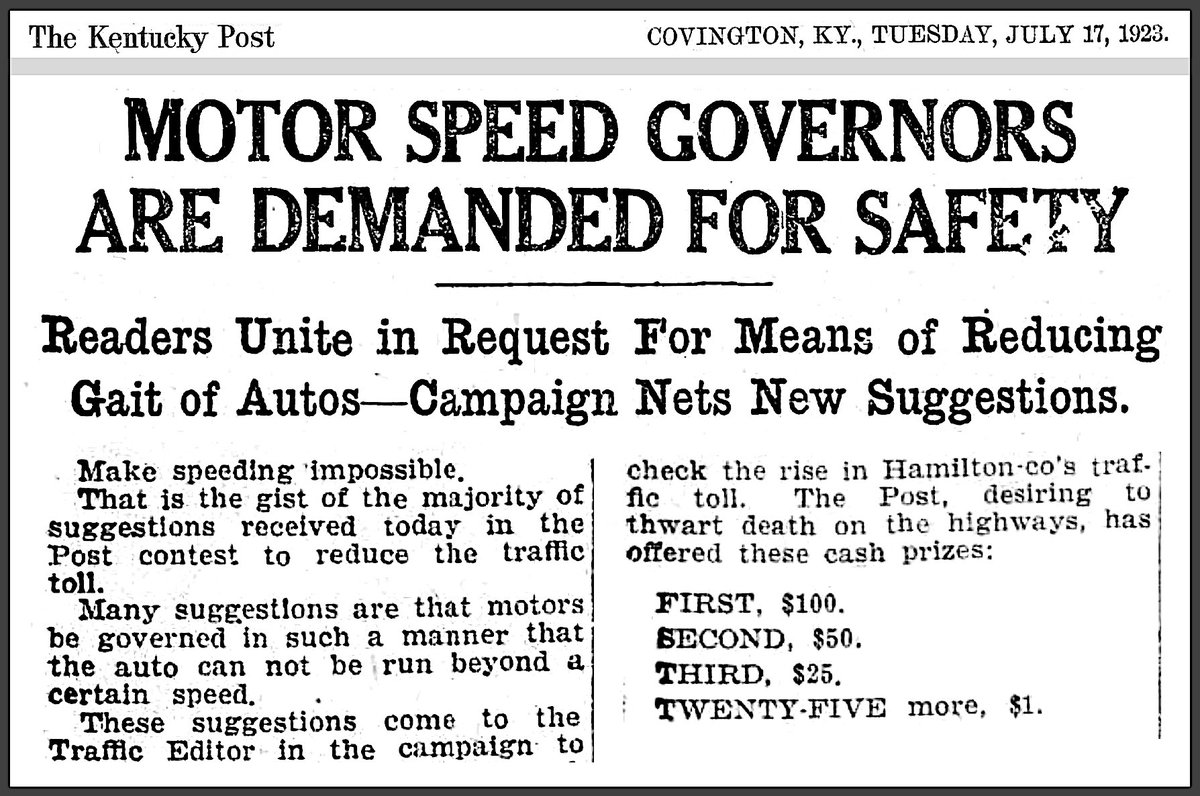
Motordom established the institutions that codified US traffic engineering standards. When demands for speed governors proliferated 100 years ago, motordom organized to redefine safety so as to blame not speed but recklessness, and to include pedestrians among the reckless.
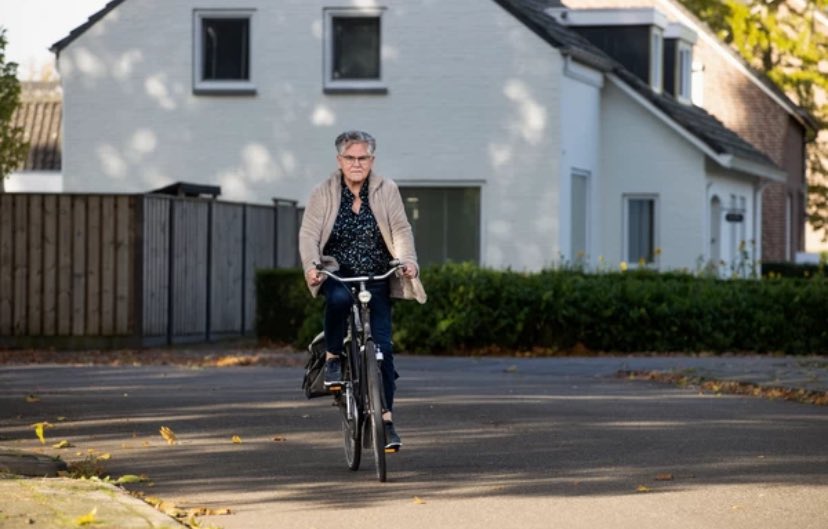
At age 13, her parents bought her a new bike to ride to school.
Nearly seven decades later, 82-year-old Jo Goossens is still riding the same 1950s black Gazelle bicycle. “I only buy something new if it’s necessary,” she says.
HT @bencoates1
https://t.co/MlnWNjekzu
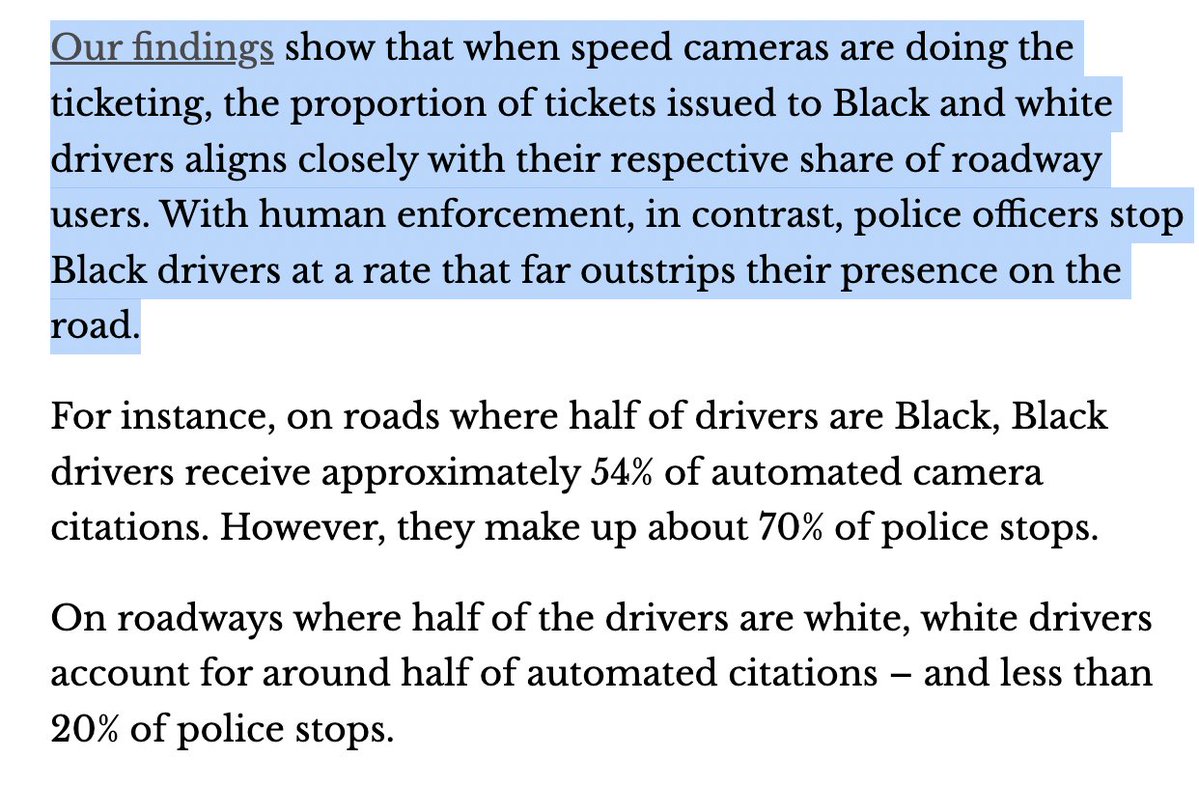
Hard to overstate how much of an improvement speed cameras are compared to police issuing tickets.
Speed cameras are *way* more fair -- and also more reliable.
https://t.co/HeSuvnyik9
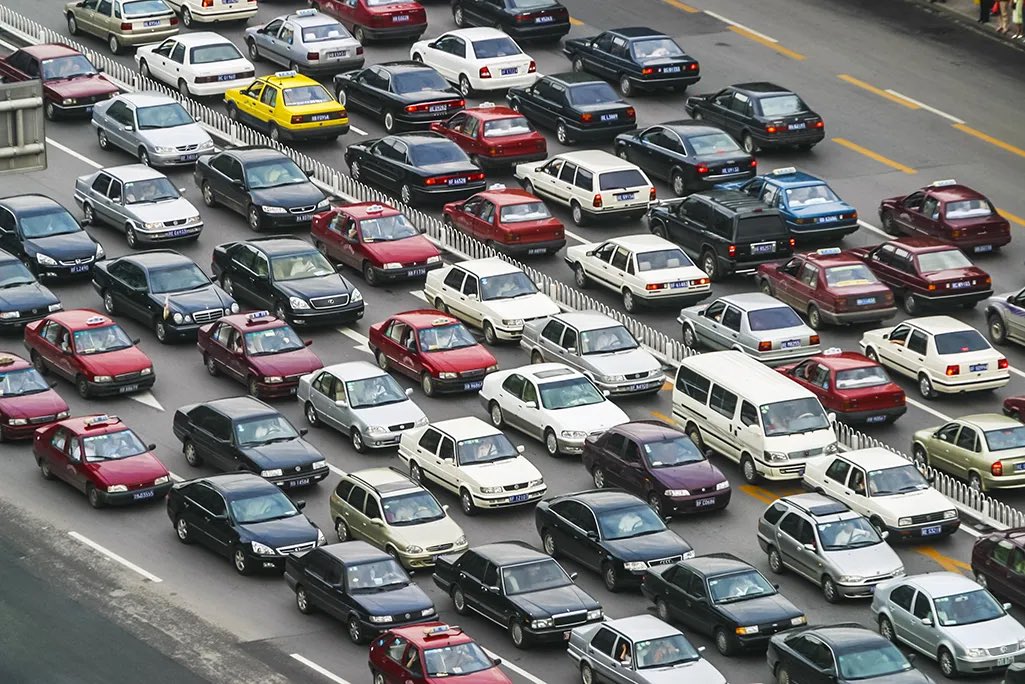
We should start thinking of road congestion per vehicle as determined principally by economic and policy settings with the amount of people subjected to it based on the relative level of service afforded by alternatives to driving.
Here’s the thing about induced demand: research consistently shows a one-to-one relationship. Studies over the past 50 years reveal that if a city increased road capacity by 10%, driving went up by 10%. Add 11%, and driving increased by 11%.
That’s why, even on the 401—one of the world’s largest highway systems—everyone is still stuck in traffic. Expanding road capacity only attracts more drivers, which keeps congestion at the same frustrating level.
The solution? Expand regional transit. It’s the only way to move more people efficiently. Introduce road tolls with time-of-day pricing, like on the 407, and we can finally make congestion manageable.
“If car dependency continues.”
By blaming recklessness, the Detroit Automobile Club was seeking to shift attention from the preferred target of blame in 1922: driving.
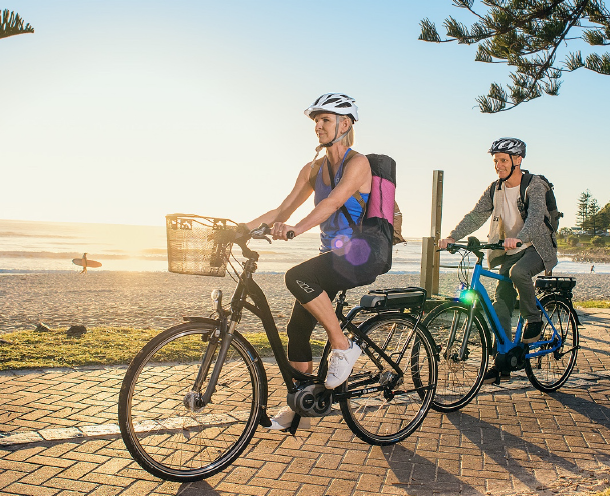
Amazing response to QLD e-bike incentive scheme w xtra $1m! Response surpassed all expectations, over 860 applns for purchase incentives in 3 just days! WeRide modelling presented to QLD Govt showed that ROI is $7 for every $1 invested. More: https://t.co/g3zb0fTYQ6
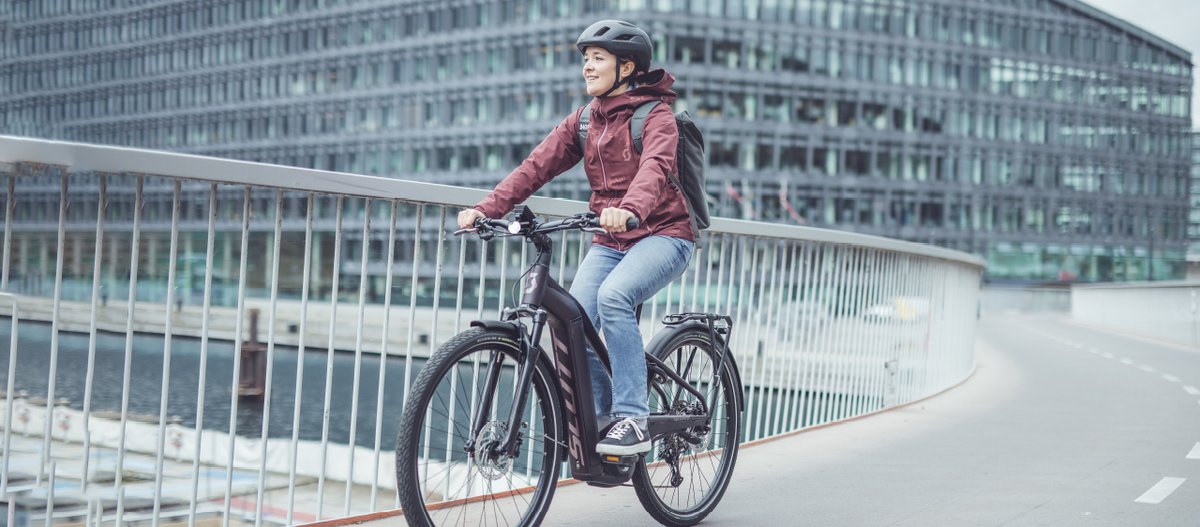
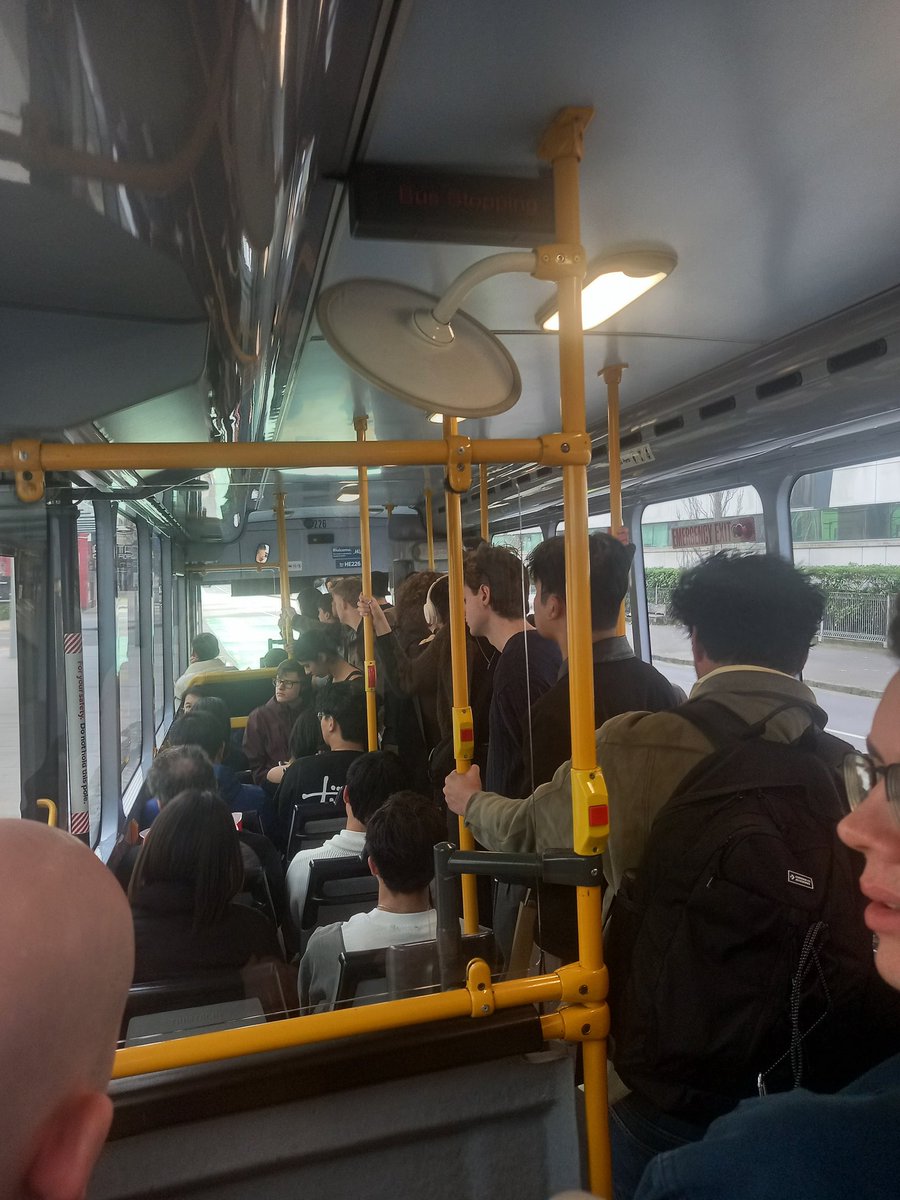
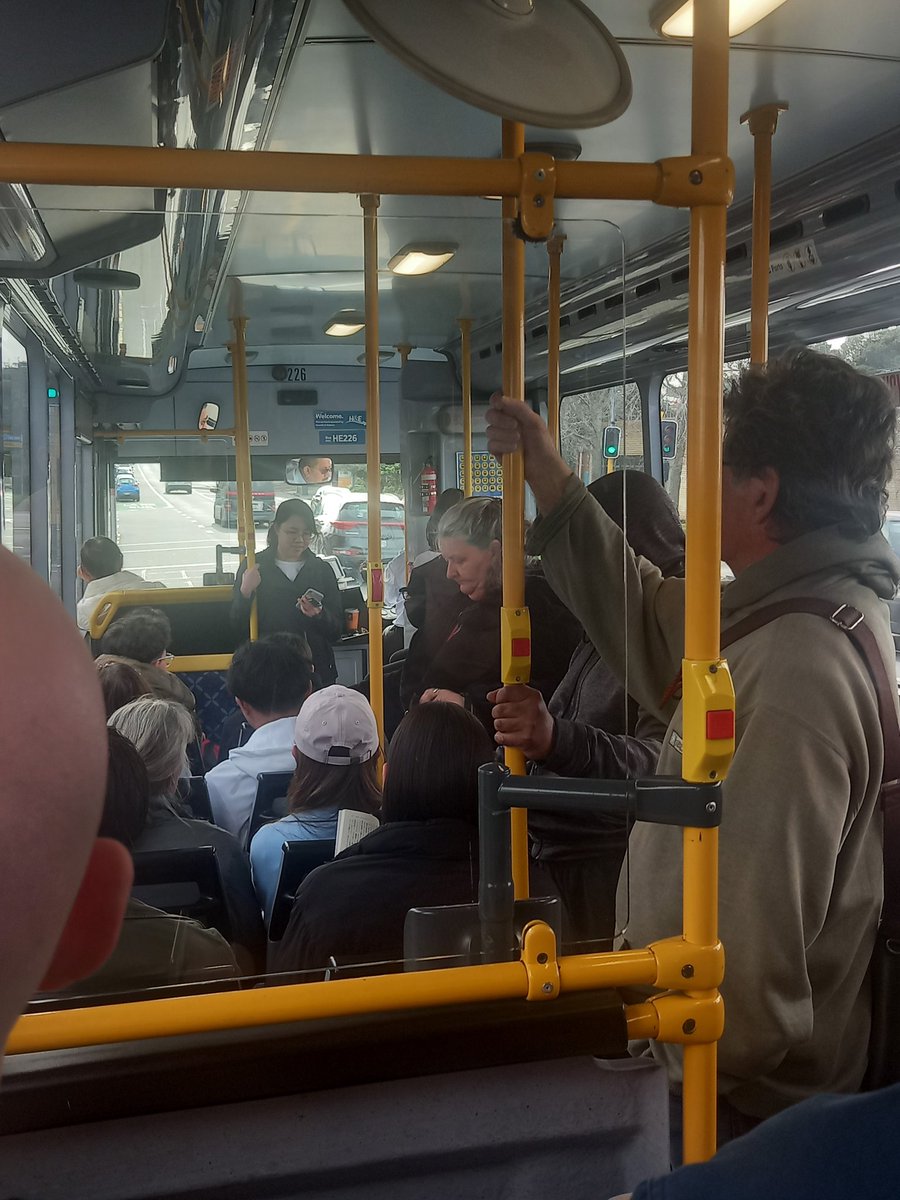
"Active travelers (cyclists, HS) had significantly lower commuting stress and BMI, and higher rates of life satisfaction (...), in stark contrast to private motorized users. Public transport users (...) report the highest commuter stress rates."
https://t.co/GthnxxMIvm
Traveling from A to B is not wasted time. It can foster competitiveness or community.
Should we encourage people to travel 𝐭𝐨𝐠𝐞𝐭𝐡𝐞𝐫 𝐚𝐥𝐨𝐧𝐞 or 𝐚𝐥𝐨𝐧𝐞 𝐭𝐨𝐠𝐞𝐭𝐡𝐞𝐫? Check it out: https://t.co/SWIlr1JKWE
Give poor people $1,000 every month, for three years. No strings attached. What will they spend the money on? Huge and rigorous study finds that the biggest increase is in “Supporting Others”: helping family and friends.
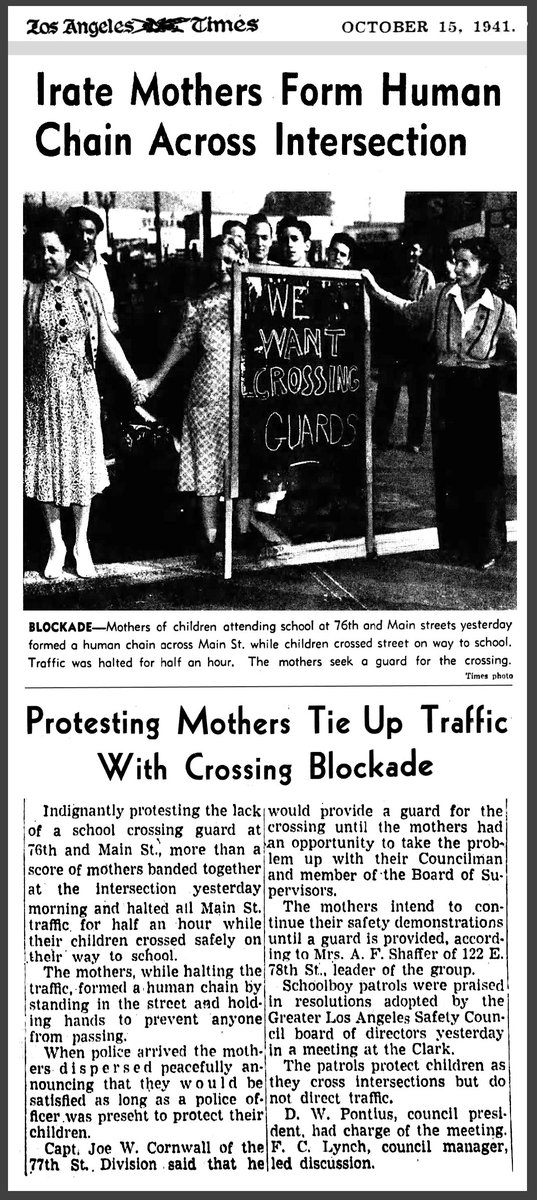
Historical memory is selective. Museums, books and media stories tell us all about how Americans welcomed cars, but not about how, for decades, Americans resisted car domination. This selective history misattributes car dependency to “car culture,” making it seem intractable.
Very happy to publish the first ever scientific review of city-wide #30kmh speed limit benefits in Europe. Evaluation results from 40 cities revealed that 30 km/h speed limit led to significant reductions in fatalities, emissions and fuel consumption.
https://t.co/w4ExZuaIYJ