ICYMI, This week we launched our Modernist Map series, exploring the modernist architecture of the suburbs, one section of tube line at a time. Our first map charts the area alongside the Metropolitan Line between Harrow-on-the-Hill and Uxbridge https://t.co/mOU3jCmwm1
The National Theatre on the South Bank was opened OTD 50 years ago. Designed by Denys Lasdun with three separate theatre spaces, the building is constructed of board marked, reinforced concrete. Read more about this uncompromising building here https://t.co/L5kv63kc1I
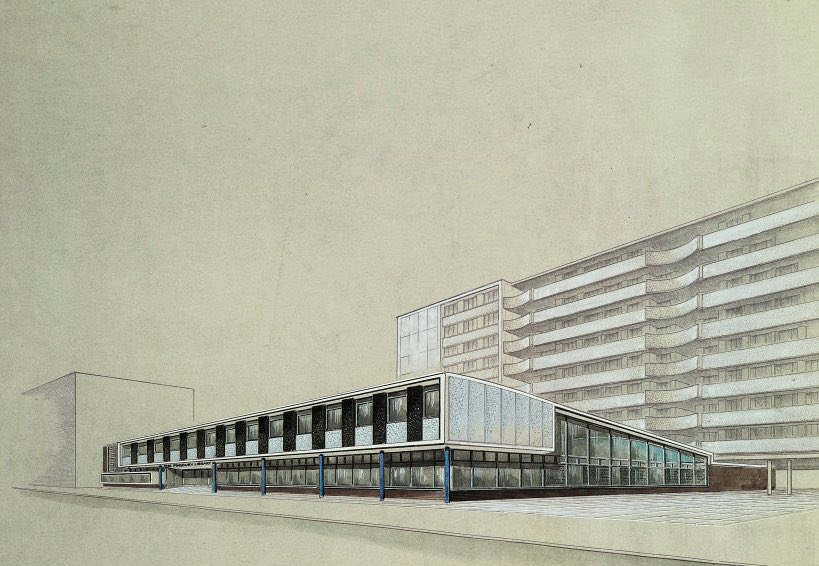
A nice illustration of Finsbury library by its architect, Carl Ludwig Franck, from 1963. The library was designed as part of the Finsbury estate, and was intended to be the central library for the borough of Finsbury, later amalgamated into Islington. Image from RIBApix
The former Grosvenor Cinema in Rayners Lane was opened OTD in 1936. Designed by architect Frank Ernest Bromige, the front has a curved concrete feature often referred to as the Elephant's Trunk. Read more about the building here https://t.co/8SZDrEsz9s
NEWS: We’re pleased to announce that Berthold Lubetkin’s Festival of Britain bus shelter in Hillesley, Gloucestershire, has just been designated Grade II by DCMS, following a recent listing application by the Society.
Modest but definitely not Modernist, this traditional Cotswold vernacular bus shelter demonstrates the remarkable versatility of its famous architect, and is believed to be a unique example of Lubetkin working in a traditional manner.
In 1951, the Council for the Preservation of Rural England (CPRE) and the National Association of Parish Councils (NAPC) suggested that the building of bus stops would be an appropriate way for small parish councils to celebrate the Festival of Britain. The NAPC’s subsequent competition stipulated that the design of the bus shelters should be based ‘on the use of local materials, so that the structures will fit harmoniously into the surrounding landscape’.
The bus shelter in the village of Hillesley was designed in 1951-52 during the final phase of Lubetkin’s career; a period when he grew disillusioned with post-war politics and the architectural profession, and increasingly withdrew from active practice. He had relocated to the Gloucestershire countryside in 1939 and volunteered his services to the Parish Council for the small project.
The shelter was apparently a collaborative effort between architect and local parishioners. As the AJ reported (10-09-1953): ‘By this means, it was possible for the architect to carry the taut lines of machine aestheticism into the wide tolerances of Cotswold tradition.’
From the pioneering Finsbury Health Centre to the sculptural Penguin Pool at London Zoo, we’re delighted to see his Festival of Britain shelter become the latest Lubetkin building on the national register of historic buildings.
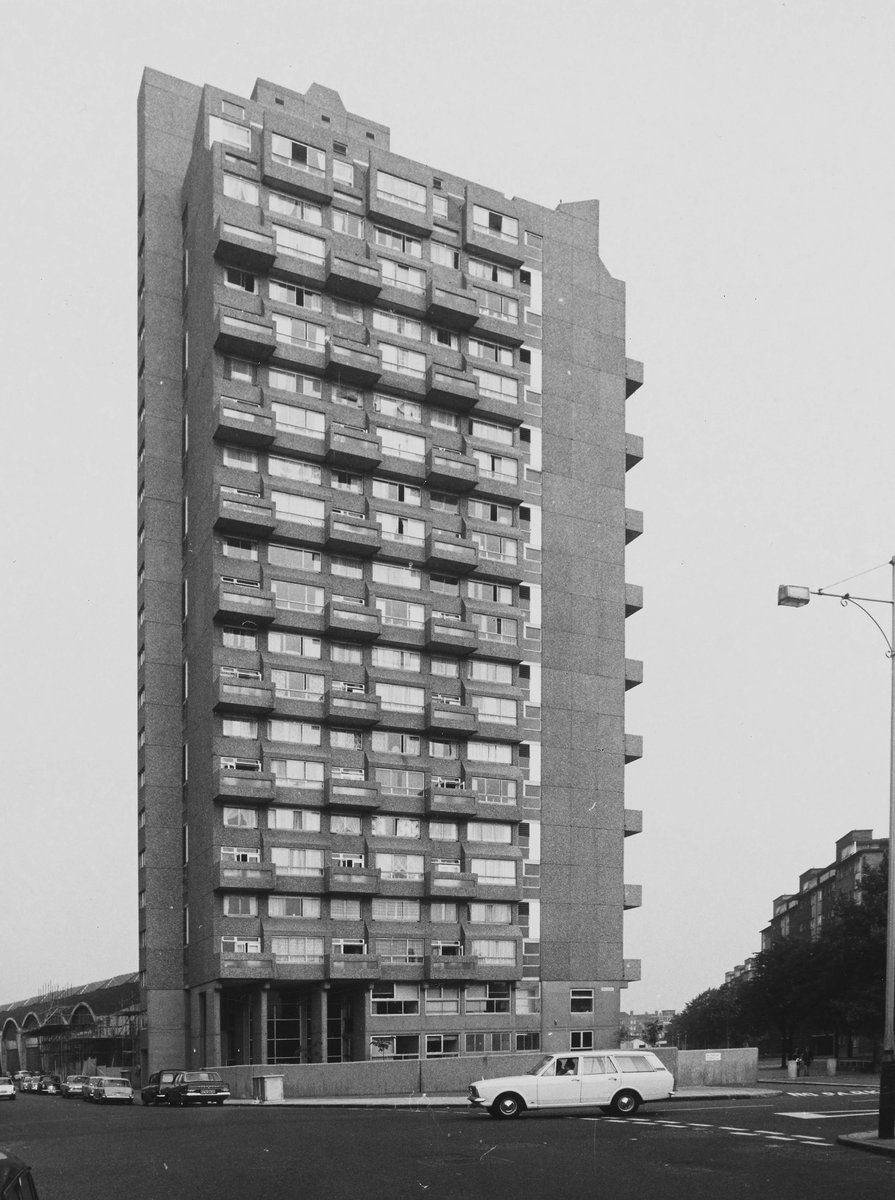
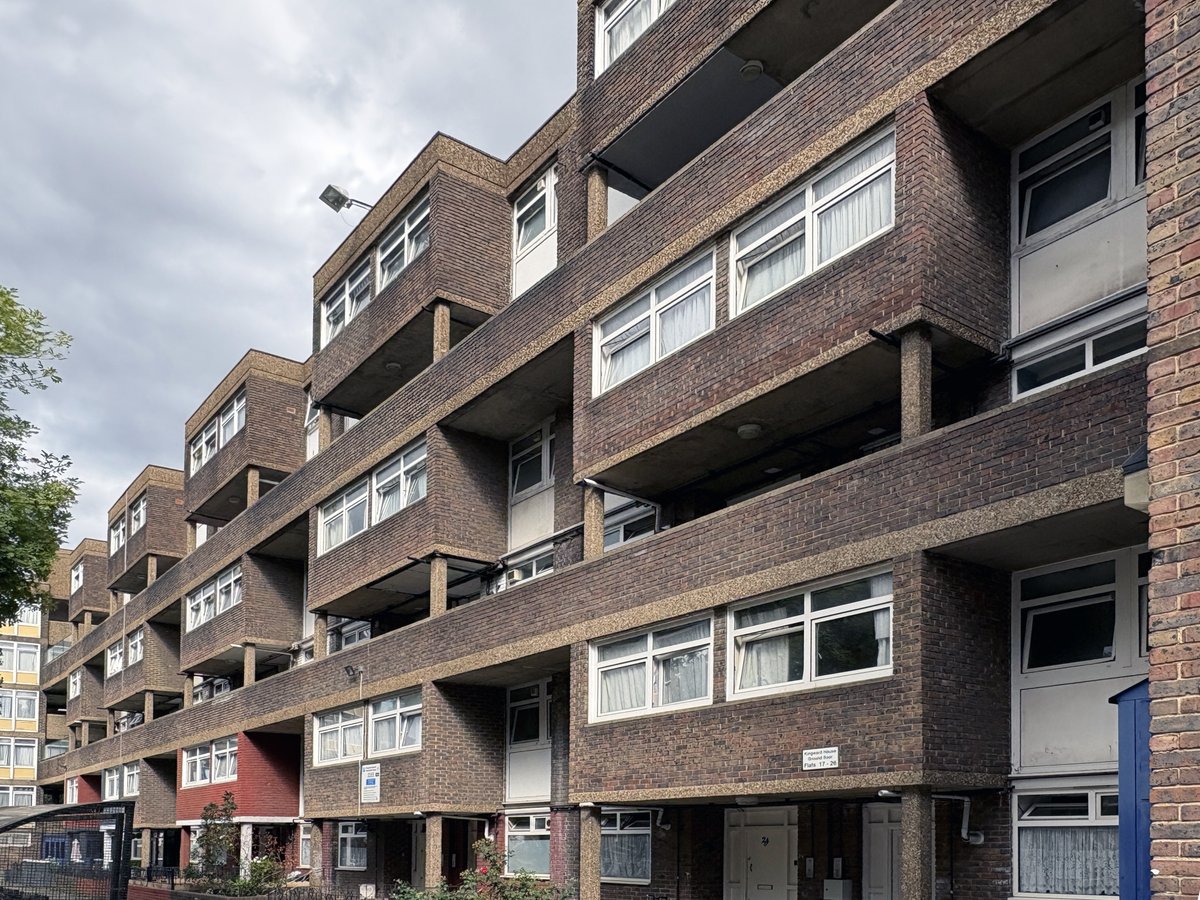
This week we are exploring the work of architect George Finch, who produced a series of innovative and interesting designs for London County Council and later Lambeth Borough. Read more on his life and work here https://t.co/gpn8CIP5tN