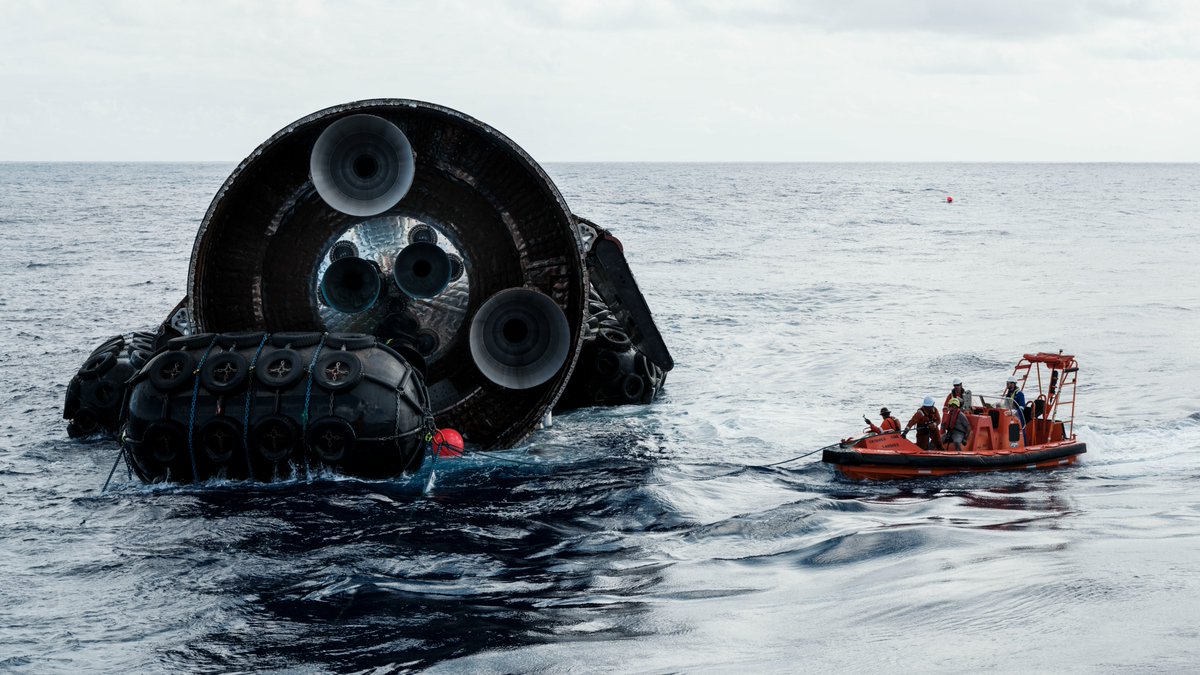
After approx. 24 days at sea, the SpaceX Recovery team successfully guided Starship to a location just off the coast of Christmas Island. A team of SpaceX engineers is on their way to conduct additional analysis on the vehicle in calmer waters before attempting to return it to Starbase
@Brickmuppet@ToughSf This concept relies on a solar sail to produce constant force, which wouldn’t work around Earth. Some other infinitely constant force mechanism could theoretically do the same thing around Earth though
Just had the most insane luck ever in Kerbal Space Program
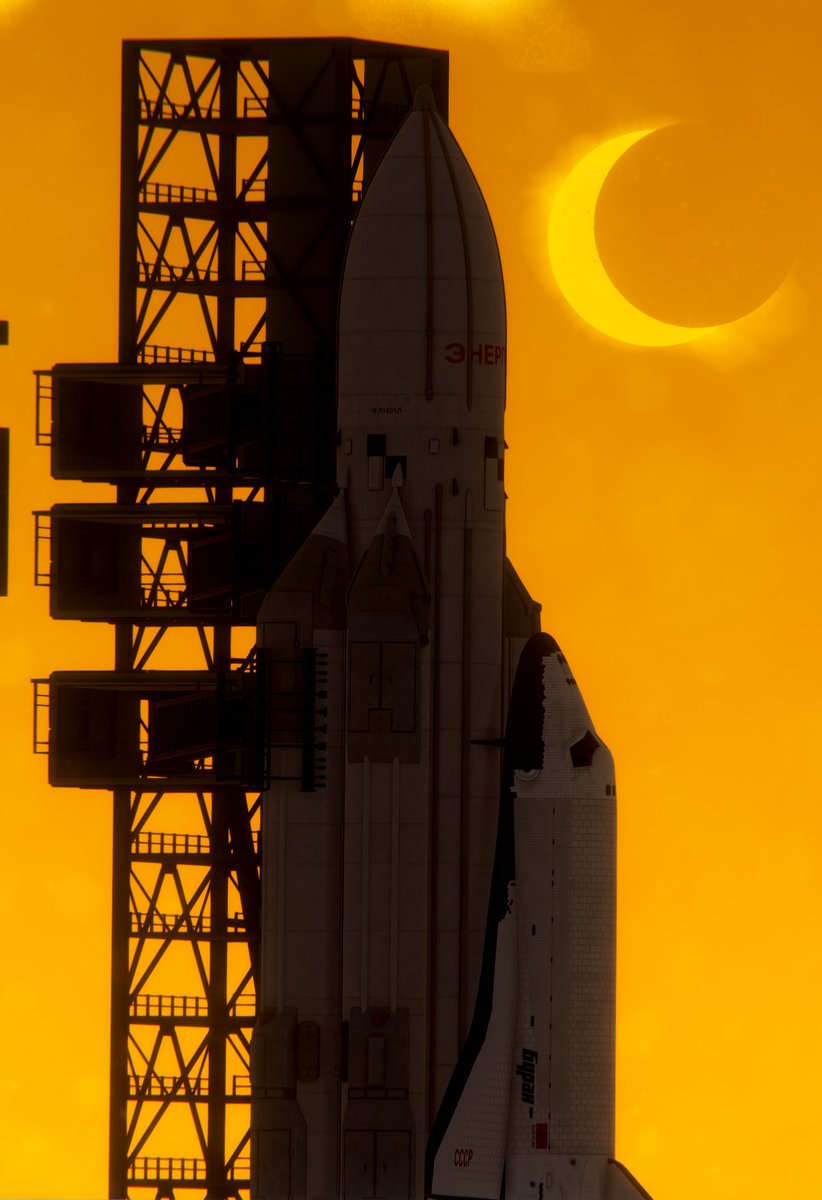
I was filming Energia-Buran when suddenly a solar eclipse rolled up unexpectedly and gave me the greatest visuals I've EVER seen in this game
I've never had something so magical happen in KSP, the eclipses follow the real life paths so they're incredibly rare.
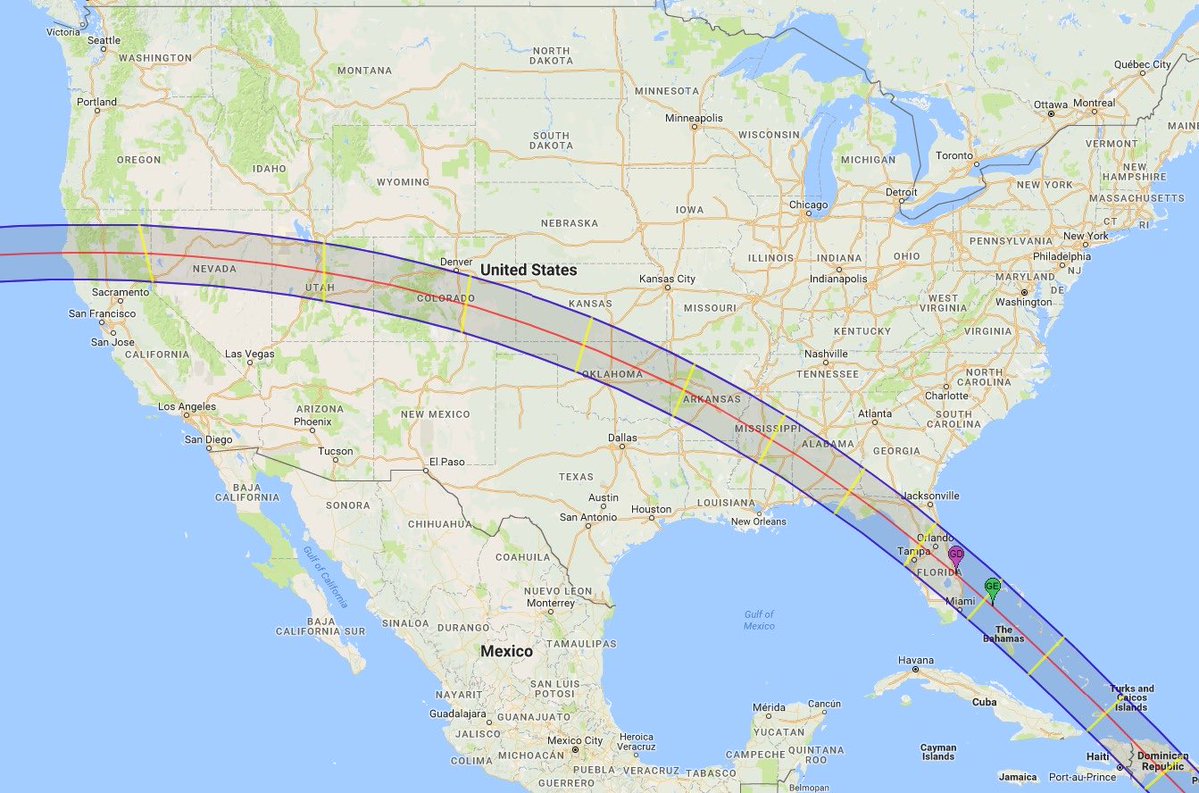
FYI, we’re exactly 19 years away from an insane solar eclipse in the United States.
August 12th, 2045 will feature an epic totality path lined with great viewing spots. Parts of the southeast will be under totality for six minutes!
The SpaceX Recovery team is still working to recover Flight 13’s Starship from the Indian Ocean. They’ve been overcoming challenging conditions and increasingly rough seas as they attempt to guide the 52m long spacecraft to port
On January 15, 2025, Falcon 9 successfully deployed Firefly Aerospace’s Blue Ghost Mission 1 and ispace’s RESILIENCE lunar landers on a trajectory to the Moon from pad 39A in Florida.
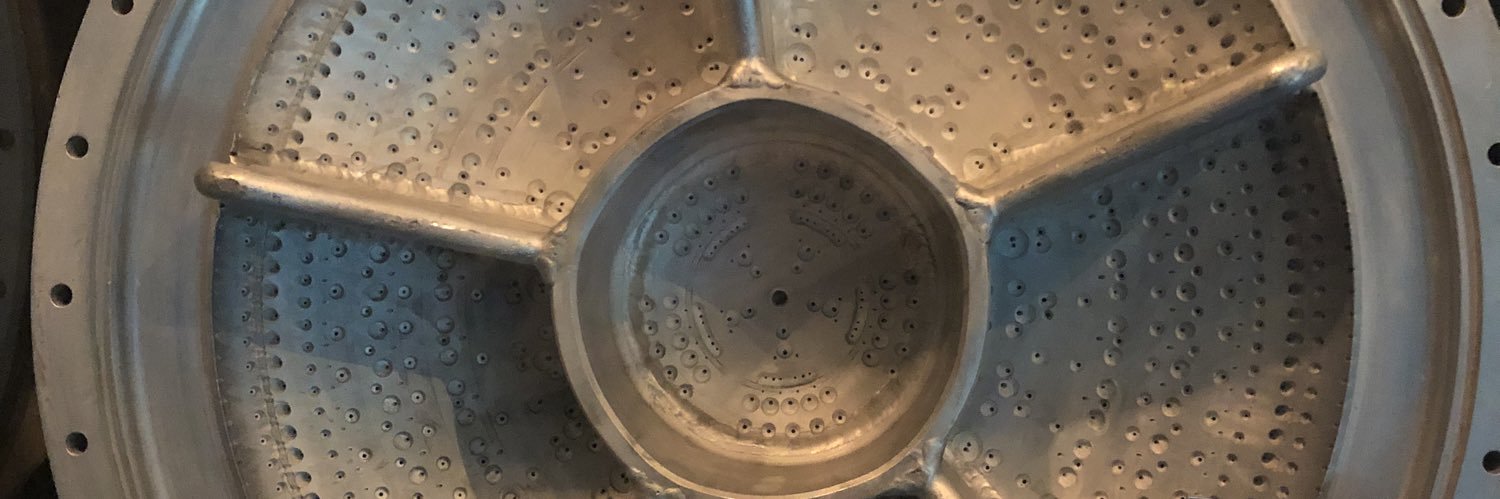
For most of our missions, we plan a controlled deorbit of the Falcon second stage so it safely reenters over the ocean. For higher energy missions like those to a lunar transfer orbit, nearly all performance on the vehicle is devoted to successfully placing the payload in the intended orbit, and a controlled disposal maneuver is not always possible.
We actively work to be as responsible as possible with hardware left in space to ensure space safety, including for more complex missions. In this case, over time, solar activity and gravity led the second stage toward the Moon. Impacts like this are rare, but they can happen with objects in these types of orbits, and we worked with NASA on the optimal disposal solution.
Our focus remains on advancing reliable access to space while working toward even more sustainable operations with Starship in the future. As a fully reusable vehicle, Starship is designed to eliminate expendable upper stages entirely, reducing hardware left in orbit and enabling even more missions to the Moon, Mars, and beyond.