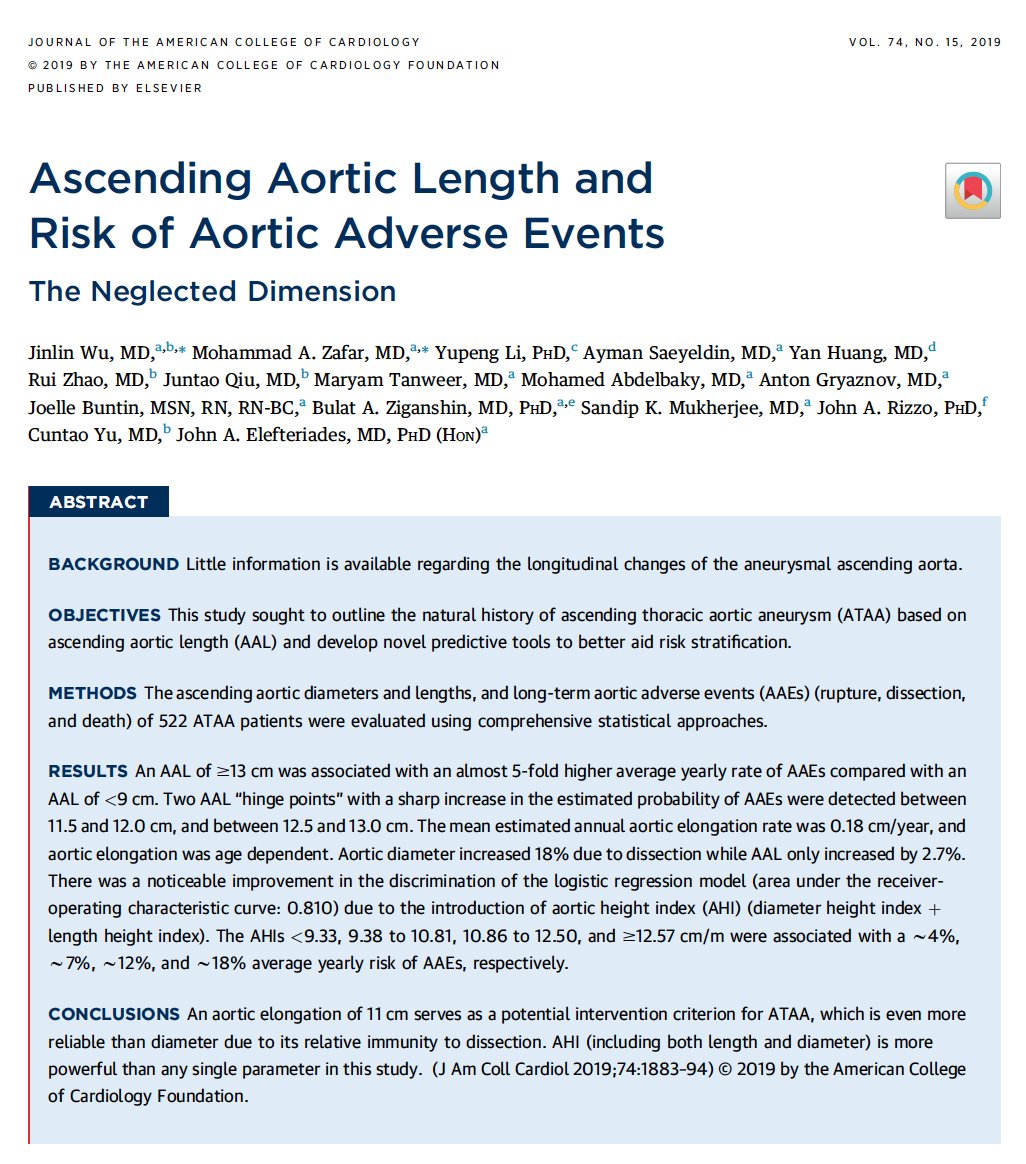
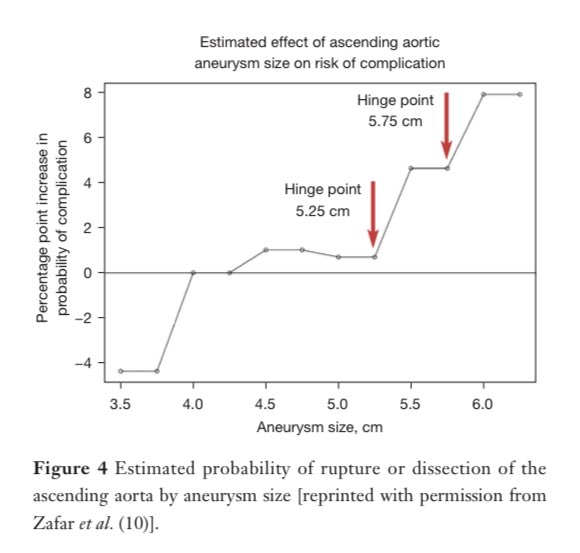
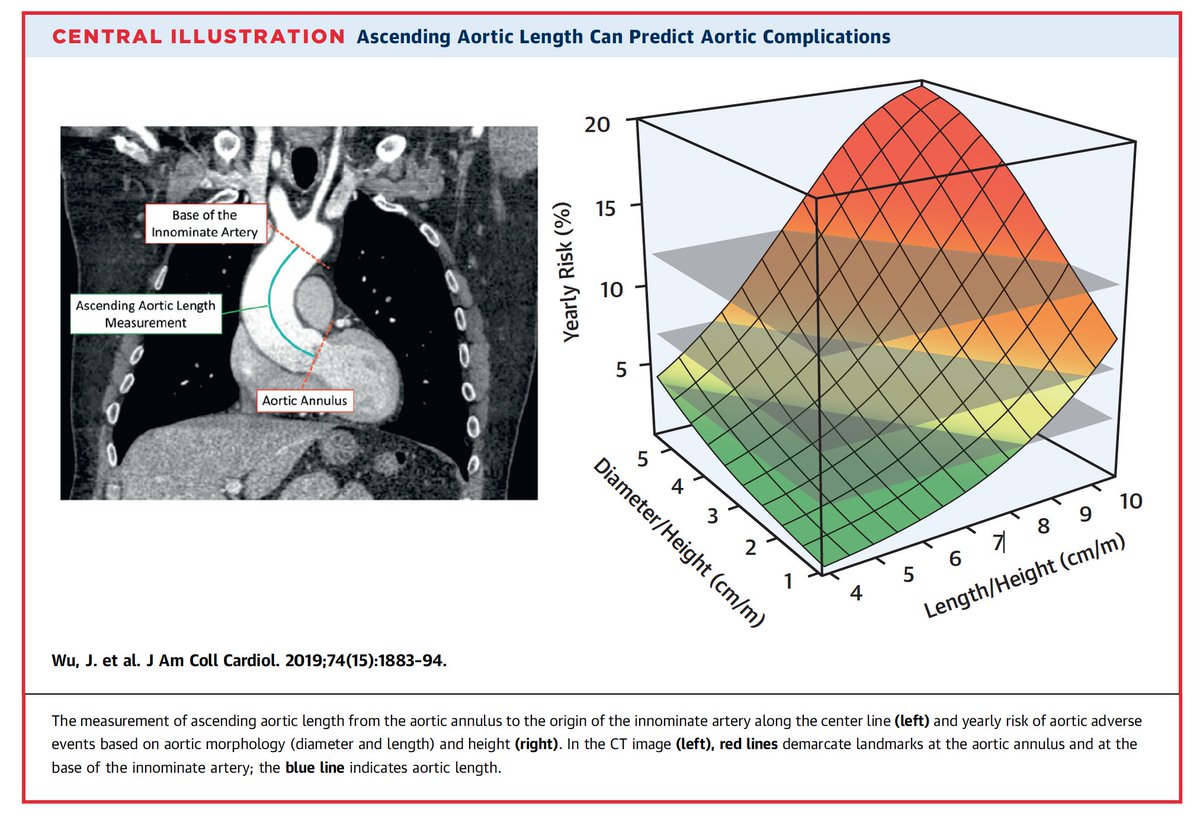
Thrilled to see our study - Ascending Aortic Length & Risk of Aortic Adverse Events - make it to Dr. Fuster's @JACCJournals top highlights from 2019 - 1 of 2 original investigations in the vascular medicine category!
Editor-in-Chief’s Top Picks From 2019 https://t.co/XOXvzyeEU5
Women have a comparable incidence of AAD as men, but have higher prehospital mortality. A higher proportion of women w/ OHCA had AAD than men w/ OHCA, w/ the highest proportion in women aged 60 to 69 years, at 16.4%. https://t.co/xpfSo5ubSA
#JACCAdvances#CardioTwitter
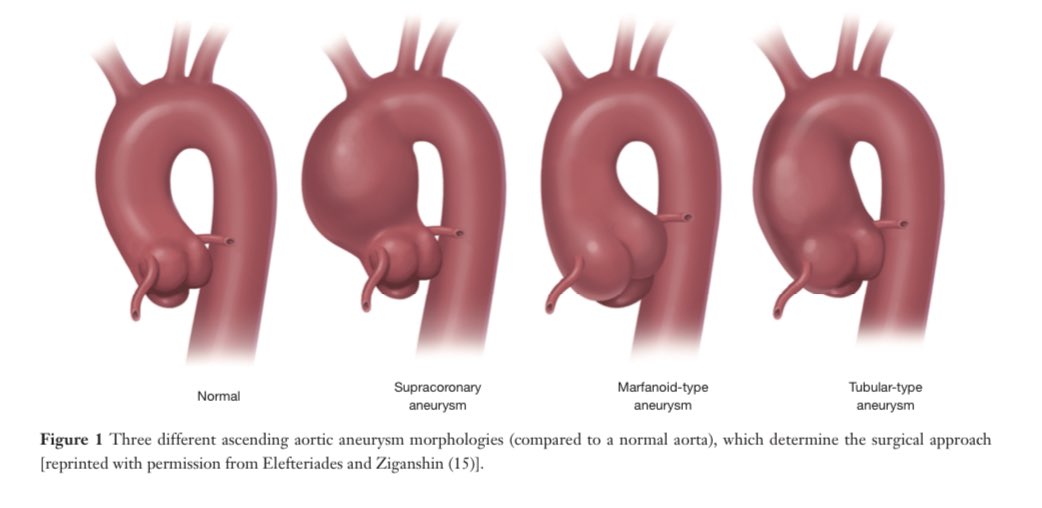
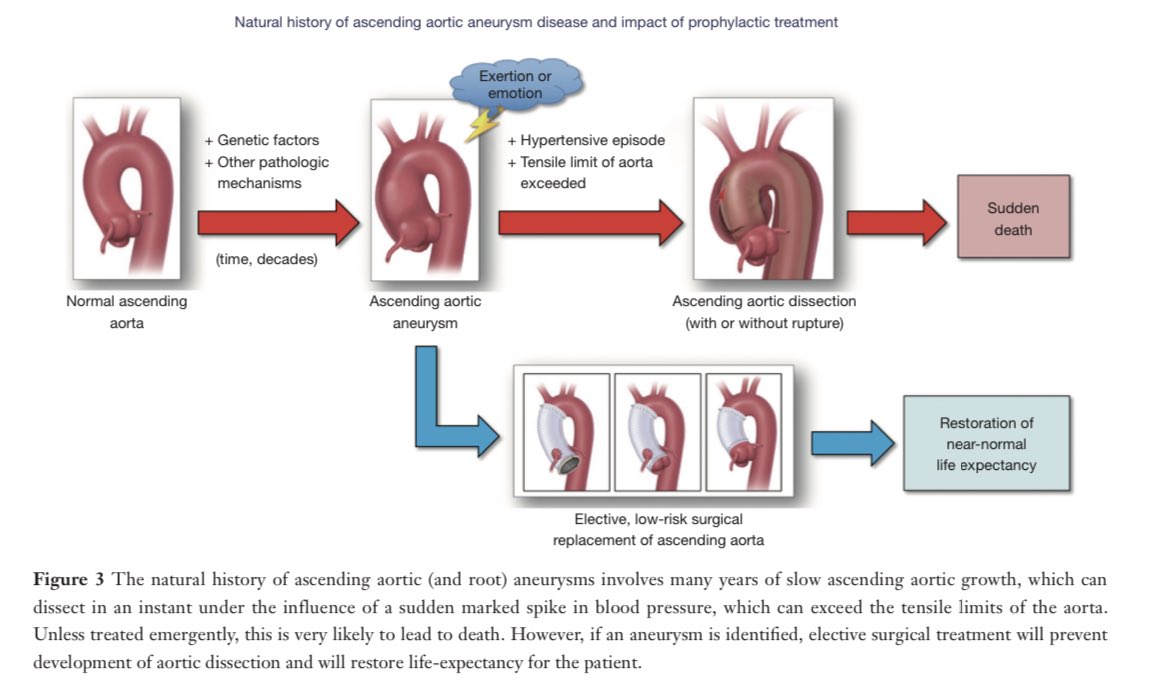
Dr. Zafar et al. with @JElefteriades at The Yale Aortic Institute, @YaleMed, published a paper with the YJBM for our newest issue on Big Data. Read about their clinical discoveries at the Aortic Institute here: https://t.co/uXKxkC66Ao
💡The aorta needs to be seen and addressed as an “organ”.
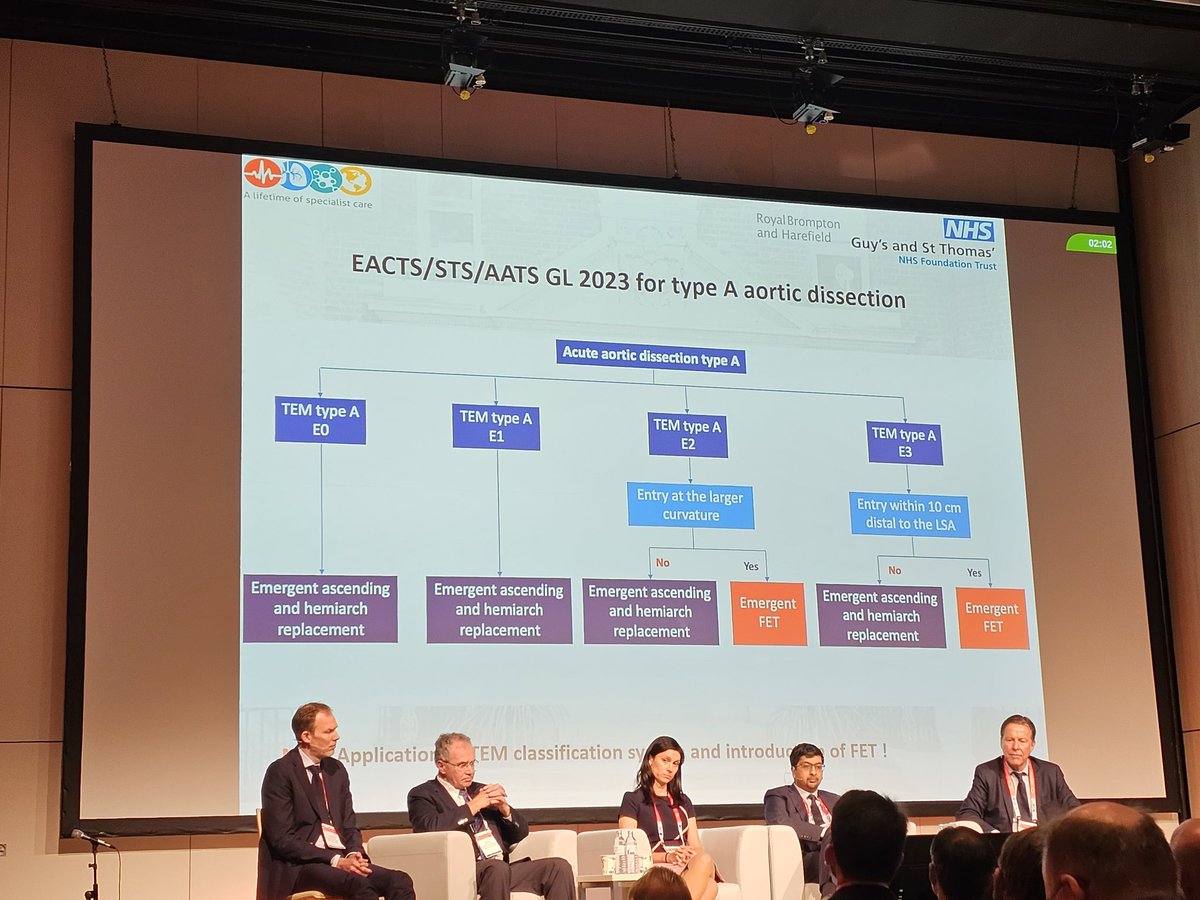
Deep discussion about the upcoming EACTS/STS/AATS guidelines on aortic disease at #EACTS2023
📣Focus on family history and genetic factors. Size indexing of utmost importance.
@EACTS@STS_CTsurgery@AATSHQ
Should we start thinking of the aorta as an organ?
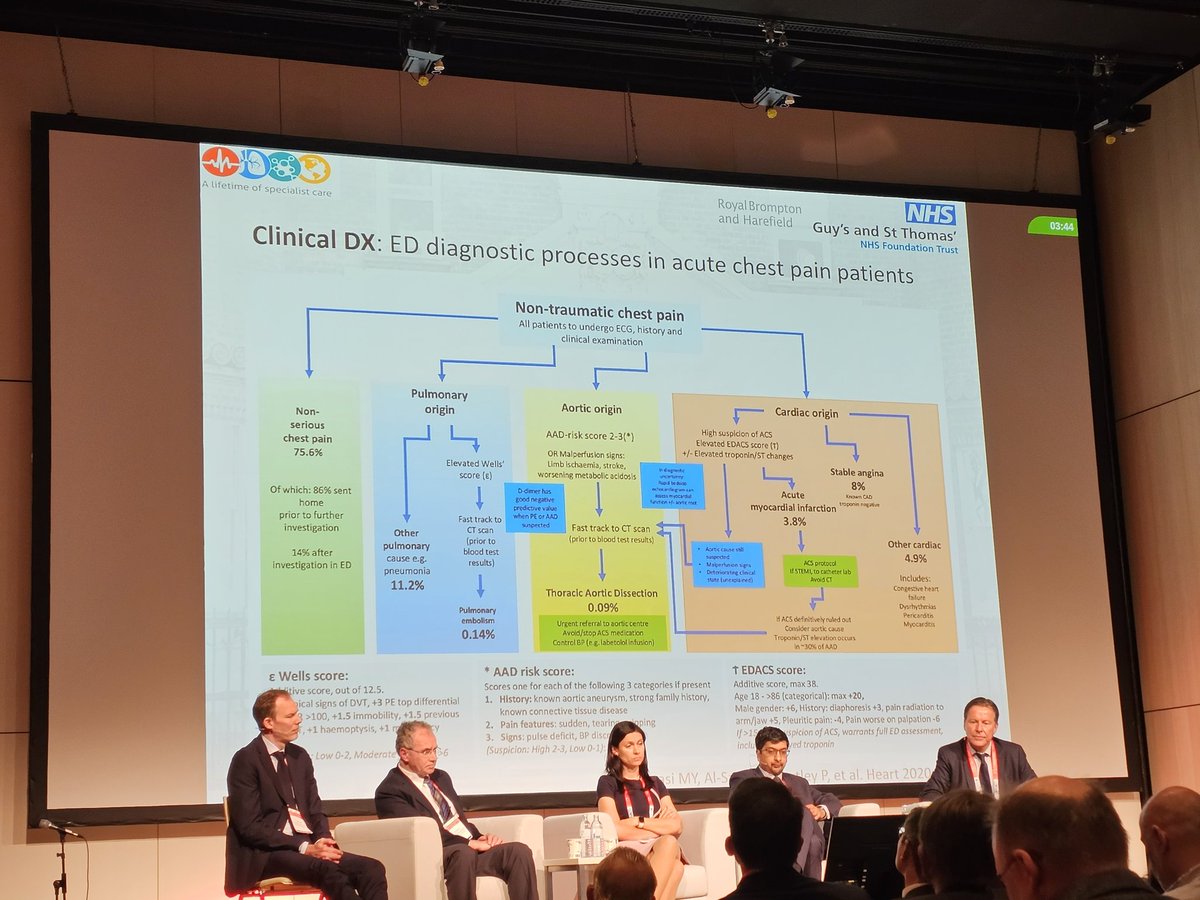
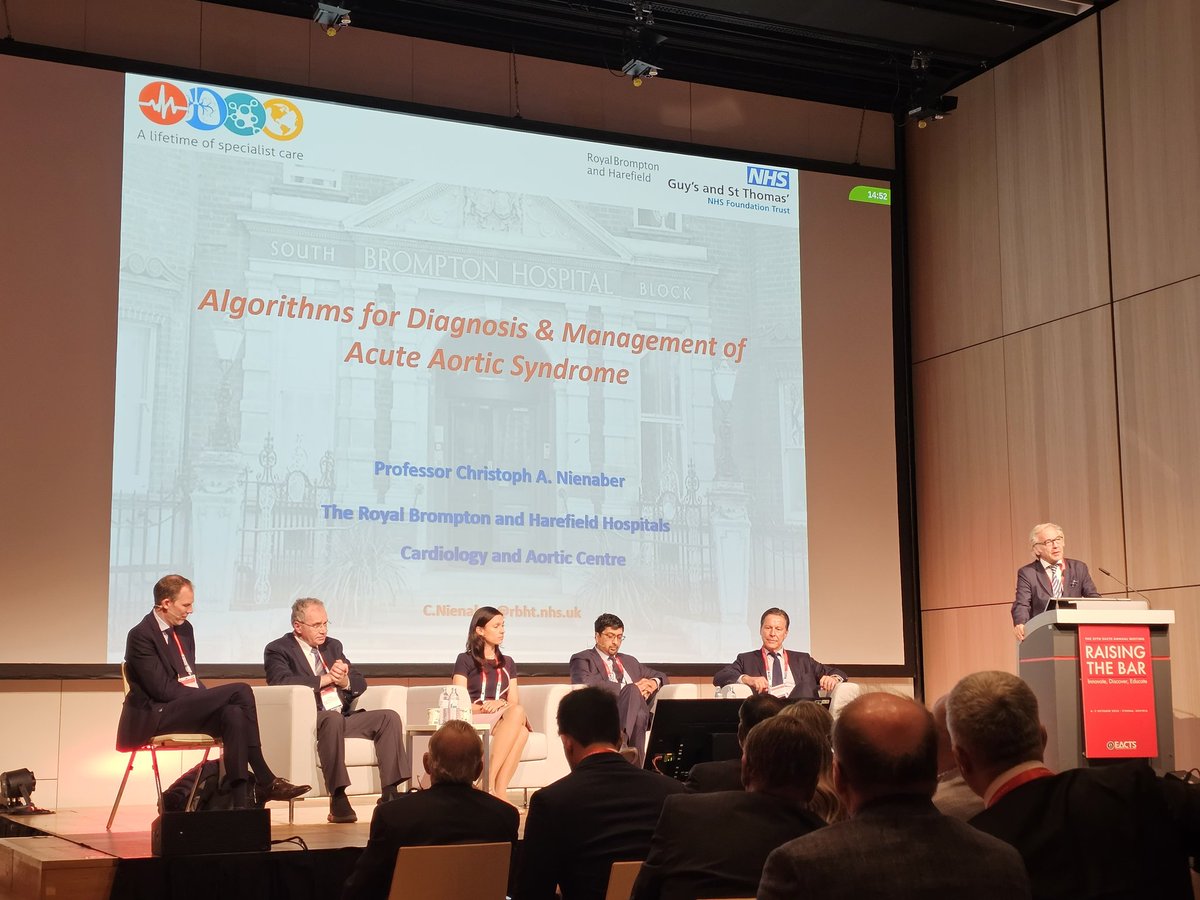
Dr. Christoph Nienaber summarizes aortic guideline iterations over the years ➡️ algorithms to diagnose and manage acute aortic syndrome.
"European & American guidelines agree: multidisciplinary aortic teams!"
#EACTS2023
This is one of the longest follow-ups of patients with Marfan syndrome who underwent valve-sparing root replacement at @PMunkCardiacCtr@UHN@UHN_Surgery@UofT
We found low rates of reoperation (7.5% at 20 yrs) but an ongoing risk of late distal aortic dissections (20% at 20yrs
So happy to finally see this paper out! A true collaborative effort led by @DCrousillat , with full participation from all authors to create a succinct and informative document about one of my fave topics! https://t.co/gvmGMadvPm
1/2🌟New pub alert!🌟
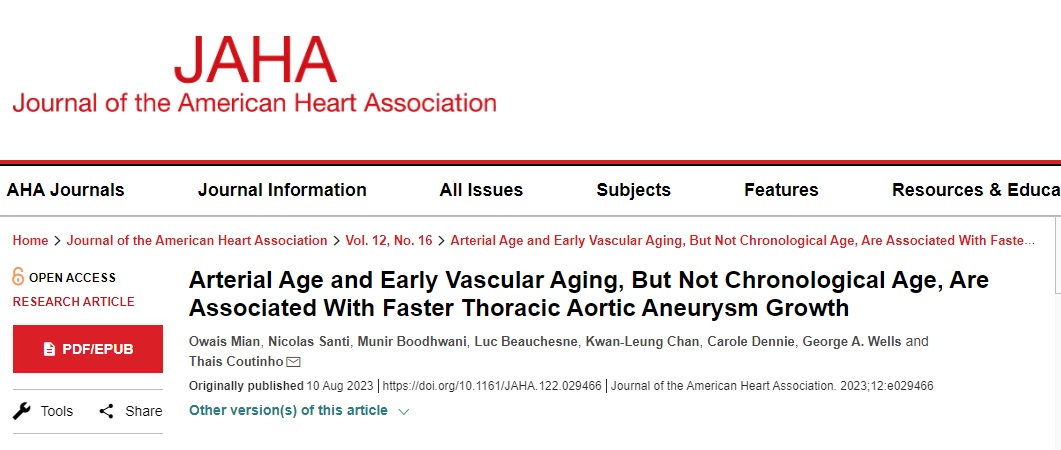
When you see a pt with #TAA, is age the first thing u note?
In this study, we found that what is truly relevant for predicting TAA growth is not chronological age, but rather ARTERIAL age. Because the aorta is #NotJustAPipe ! https://t.co/1XyAX5ncXn #AortaEd
Association Between Fluoroquinolone Use and Hospitalization With Aortic Aneurysm or Aortic Dissection
'...associations observed b/w FLQ use & risk of hospitalization with #aortic#aneurysm or #dissection may be due to confounding.'
The plot thickens 🤔
https://t.co/pAyEElC6eN
Perez et al find aortic diameter at the time of type A dissection is consistent with the new guidelines that recommend surgical intervention at 5.0 cm. Type B dissection occurs at small sizes and cannot be prevented with a size criterion. Read more: https://t.co/7PClG2BSwn
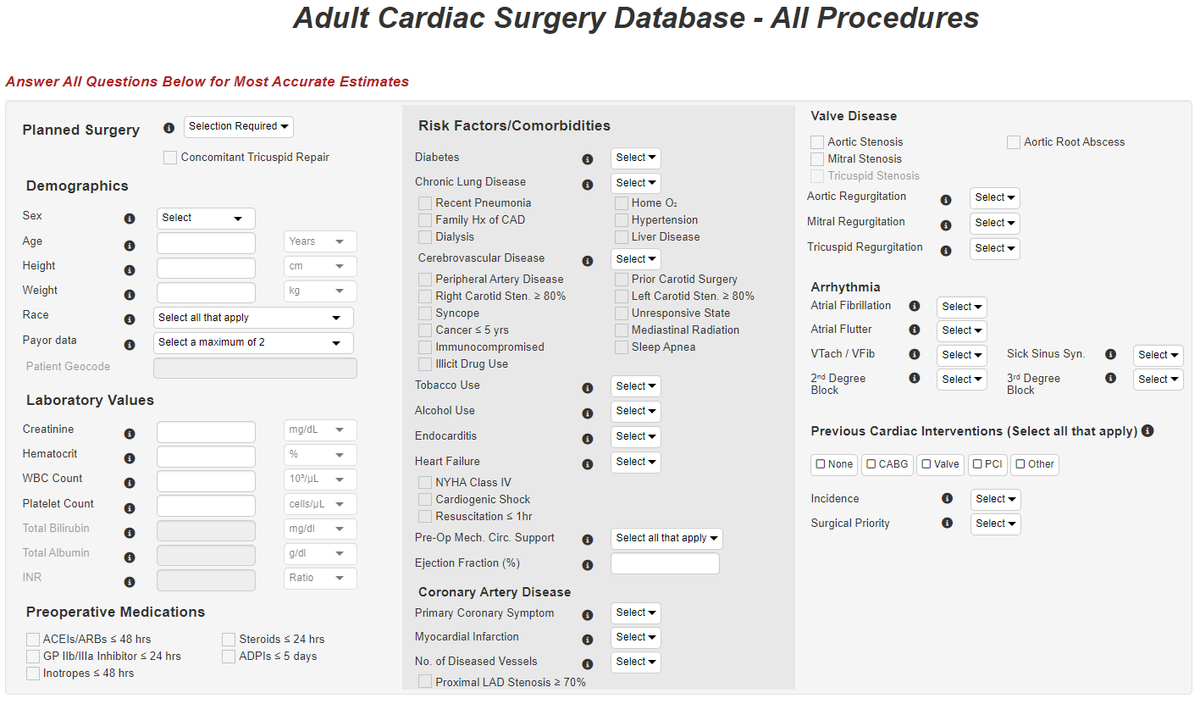
STS launches its next-generation Adult Cardiac Surgery Risk Calculator. With a mobile-friendly, intuitive user design, it brings the power of big data to the fingertips of medical providers to improve decision-making and advance patient care. Learn more. https://t.co/QfTw4x4QDv
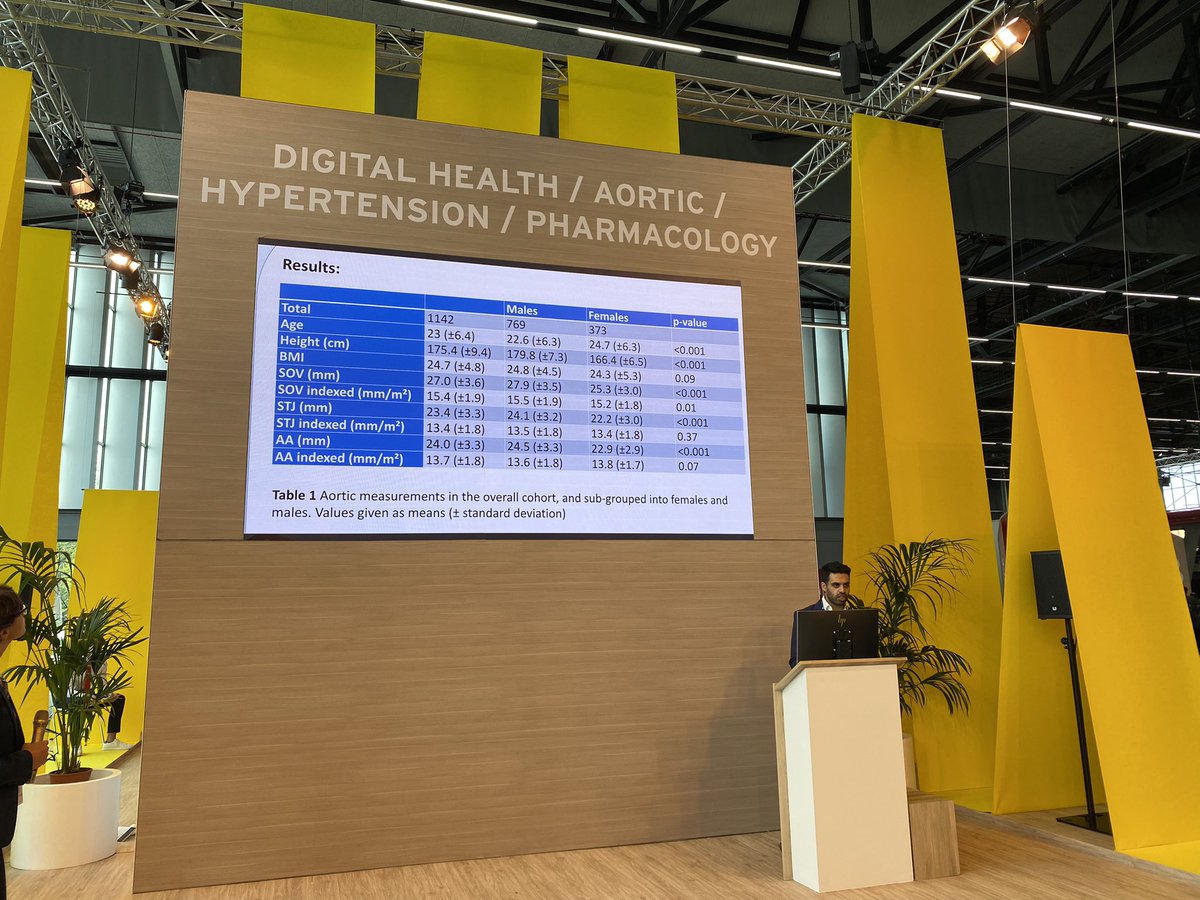
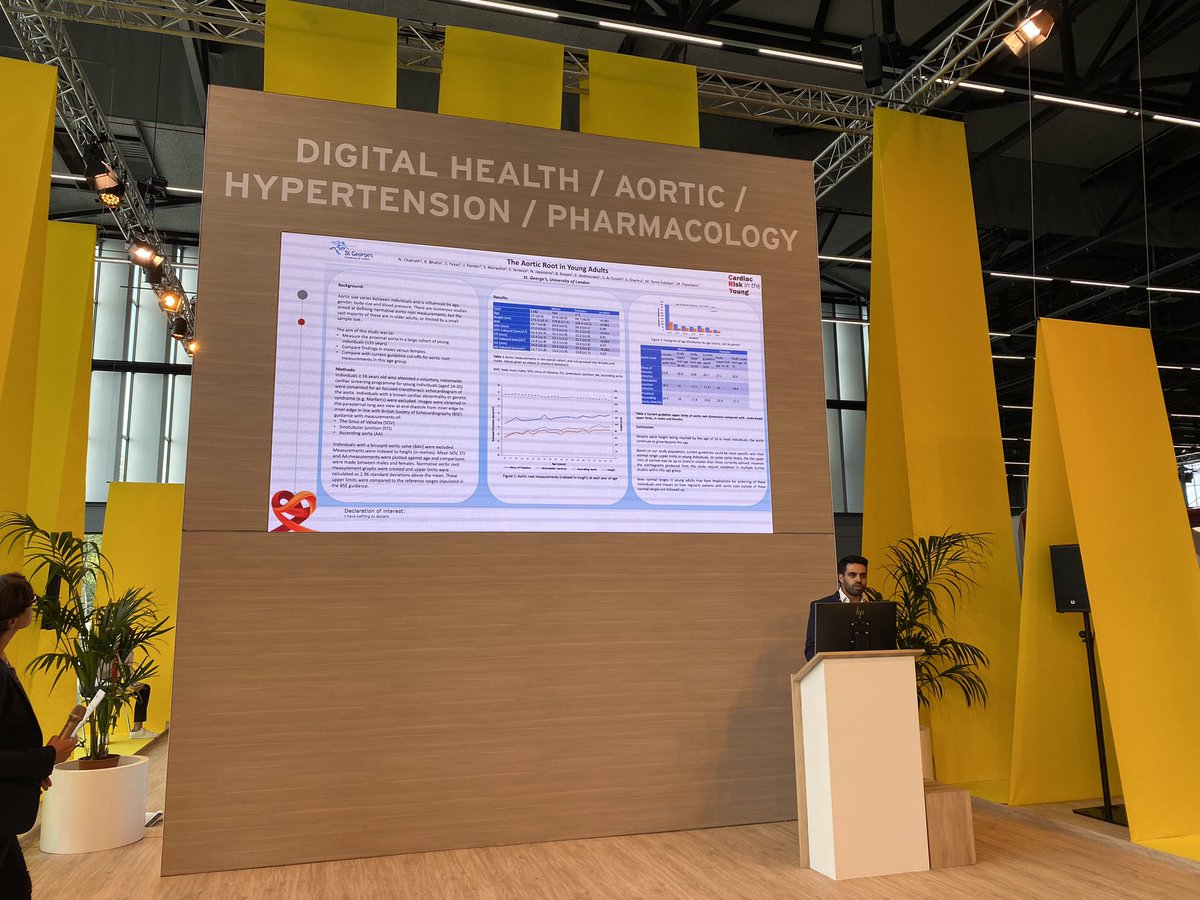
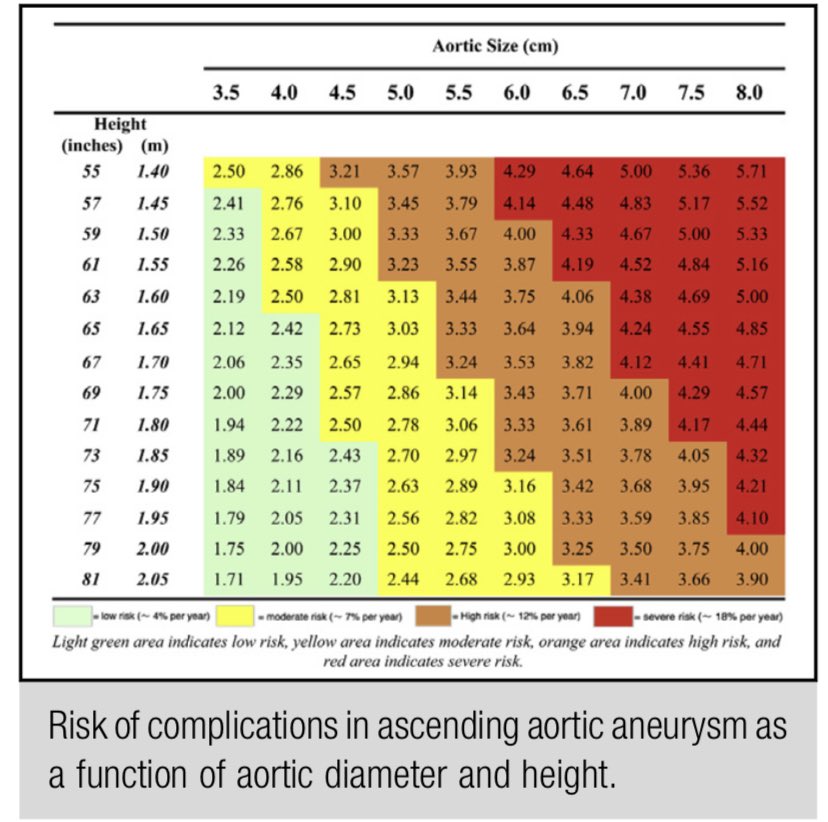
@alexsfelixecho I agree with you on this. For patients who are overweight or obese (or for anyone else really), you may choose to index the aorta to height instead, as shown by @MohammadAZafar et al.
https://t.co/fabv2Ke0vL
Barts 900 AD Patients day continued with Prof John Elefteriades’s recorded demonstration of aortic aneurysm operation.. with Rolling Stone’s music! @JElefteriades @AorticDissectUK @BartsAorta