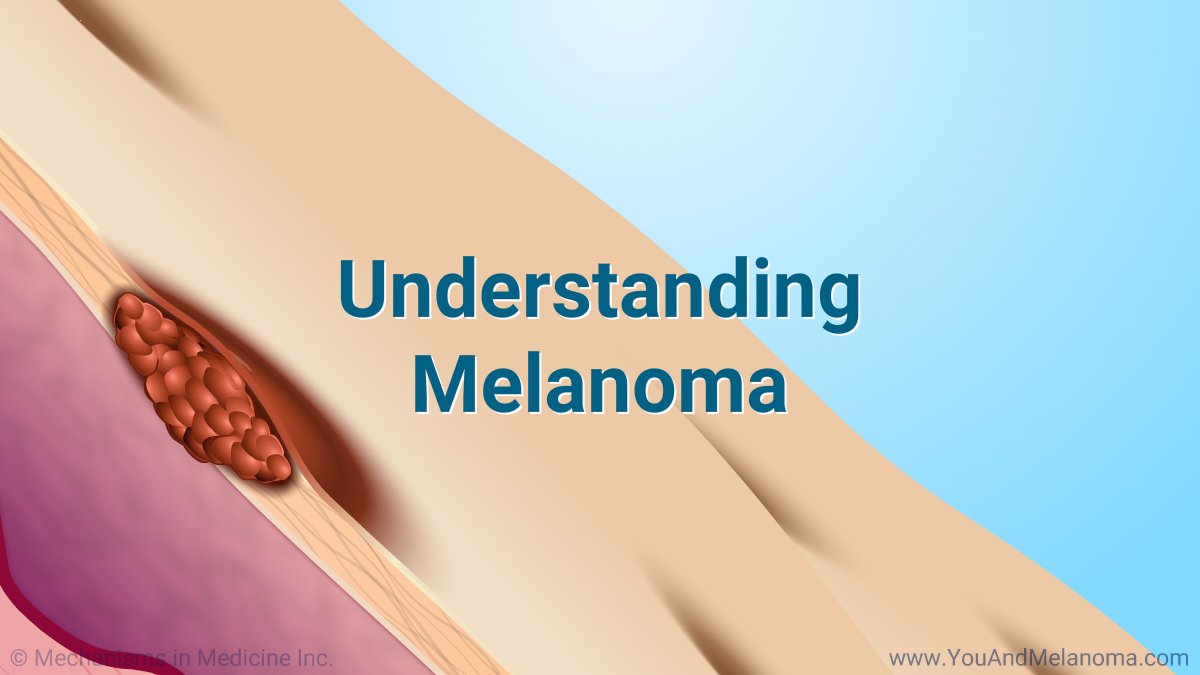
Worried that you may have skin cancer? Learn more about the different forms of this all-too-common cancer, along with warning signs you should never ignore. https://t.co/IYOYBuyoXG
Mineral sunscreens use two natural minerals—zinc oxide and titanium dioxide—as active ingredients. These minerals sit on top of your skin and protect it by reflecting UV rays.
💛
Chemical sunscreens are absorbed into skin and blood stream, causing potential health risks.
Did you know melanoma can happen on skin that does not get sun? According to DermTech's SAB member and spokesman for @SkinCancerOrg, melanomas can also often be un-pigmented. Click below to learn more. #melanoma#skincancer
https://t.co/qT15bWqKk4
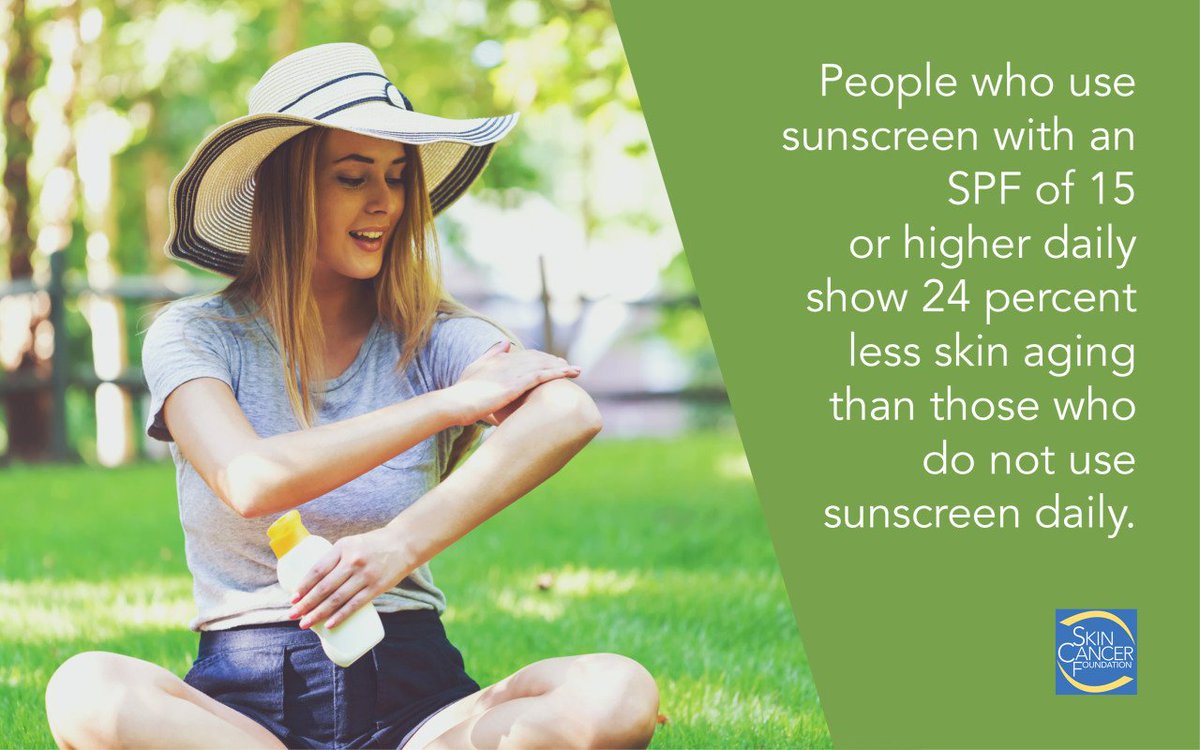
You can't go back in time, but you can prepare for a brighter future. Protecting your face and body from UV rays helps your skin looking younger. #WednesdayWisdom
#FridayReads Why do some people seem to be resistant to skin cancer, while many of us seem prone to it? Turns out there’s a gene that’s at least partially responsible. https://t.co/6q84oJwo9W
Technology vs. #skincancer: A new generation of non-invasive tools and apps reduces unnecessary biopsies and promotes self-surveillance - https://t.co/yAMZPqS4Cc
Men over 50 have a higher risk of developing #melanoma, but #skincancer is highly treatable when caught early. Check your skin, and see a board-certified dermatologist if you notice anything new or changing: https://t.co/3oAszcC24P #MensHealthWeek
#Fact. Tanning beds are not safer than lying out in the sun. In fact, people who have ever used a tanning bed have a 67% increased risk of developing squamous cell carcinoma and a 29% increased risk of developing basal cell carcinoma.