Molecular and Cellular Proteomics (MCP) | Research, perspective, technological innovation and resources, and issues in proteomics articles | Published by @ASBMB
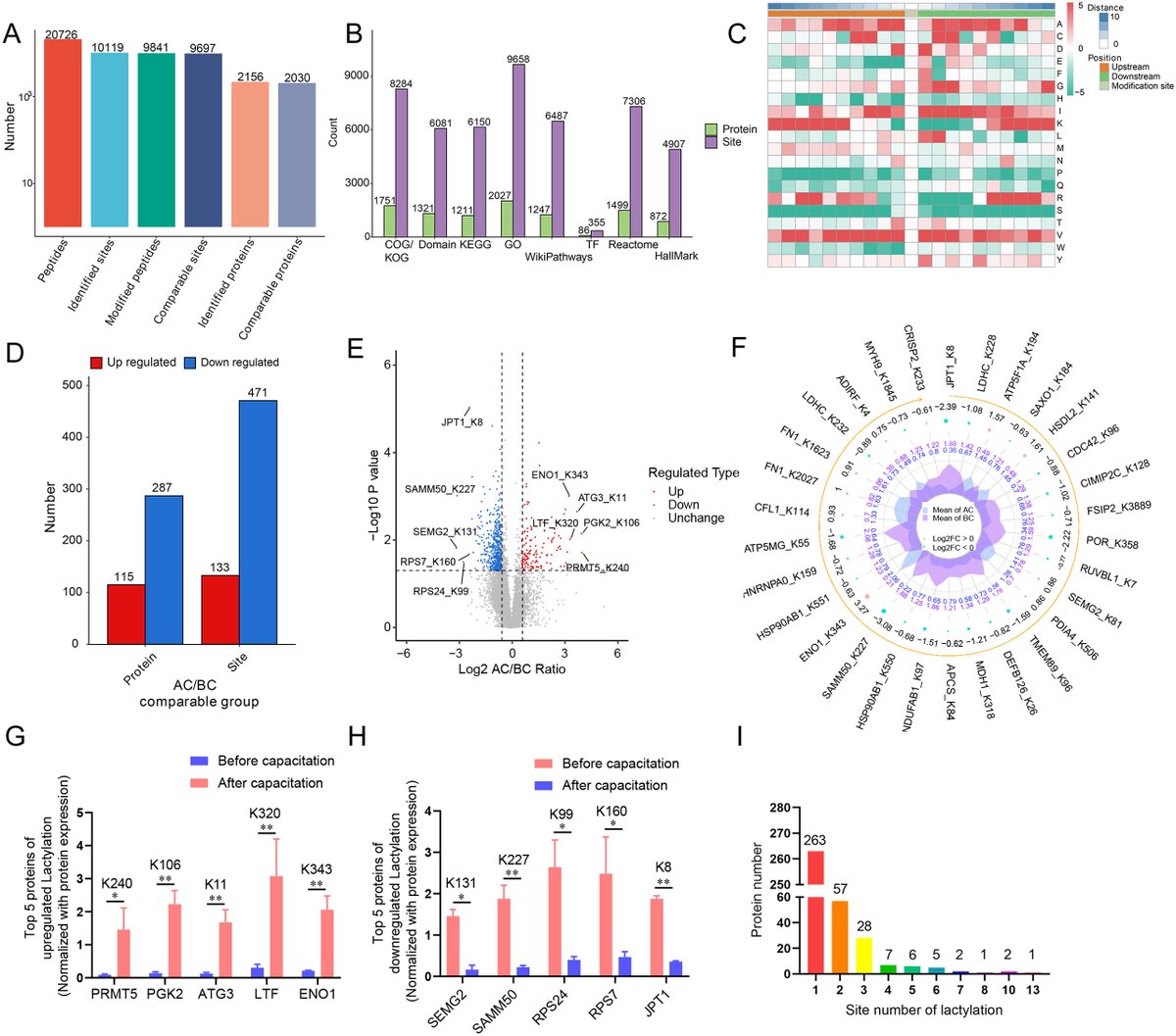
In MCP press| ProCAS: Multi-Lysine Post-Translational Modification Site Prediction Based on the SPUS Algorithm and the ProCAS Architecture.
Learn more:
https://t.co/jokaC9OjnT
#MolCellProt
Day 5 of #TalesFromTheLab 🕵️ | Part 2 of the parasite story: lipid-tagged proteins that malaria parasites use while hiding in red blood cells, and how drugs can disrupt them.
https://t.co/nhB3s94swG
#MolCellProt#ASBMBJournals#LipidResearch
Day 2 of #TalesFromTheLab 🐚 | This snail hunts fish. Its venom gland can be 4× the length of its body, and MCP mapped what's brewing inside it.
https://t.co/XgBNzkxSn6
#MolCellProt#ASBMBJournals
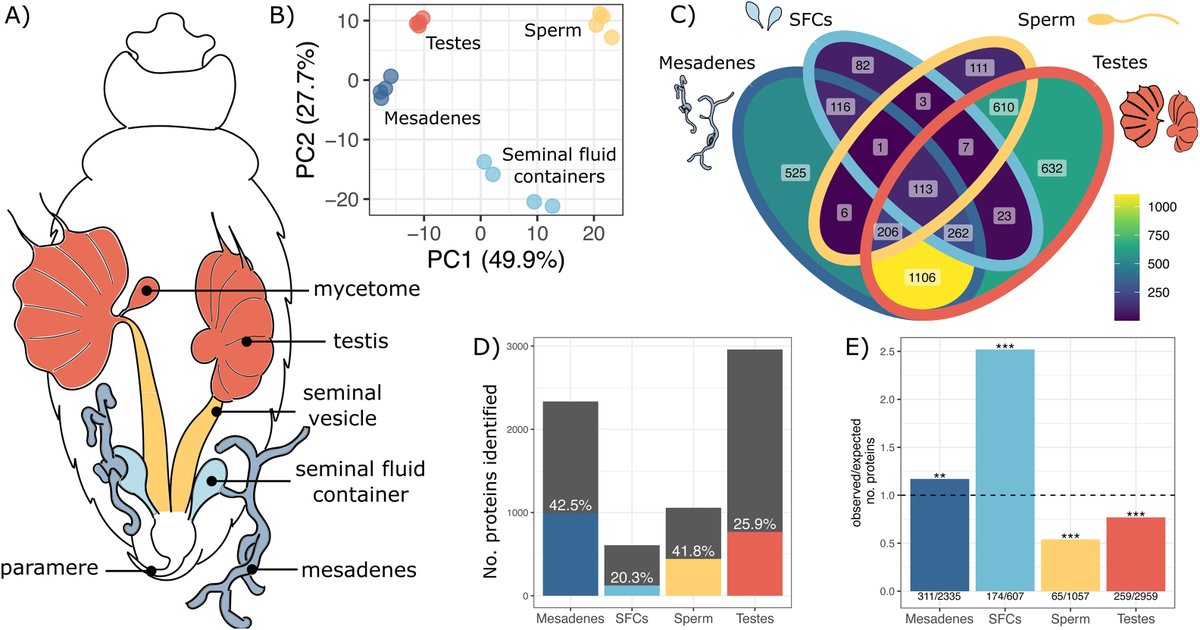
In MCP press| Evolution and adaptations of the seminal proteome in an insect with traumatic insemination.
Learn more:
https://t.co/Pmqaqp2e1U
#MolCellProt
We are pleased to present this collection of recent articles highlighting advances across the rapidly evolving field of proteomics, spanning areas such as chemical proteomics, glycoproteomics, and spatial proteomics.
➡️Explore the issue: https://t.co/M0pOOaf9rz @molcellprot
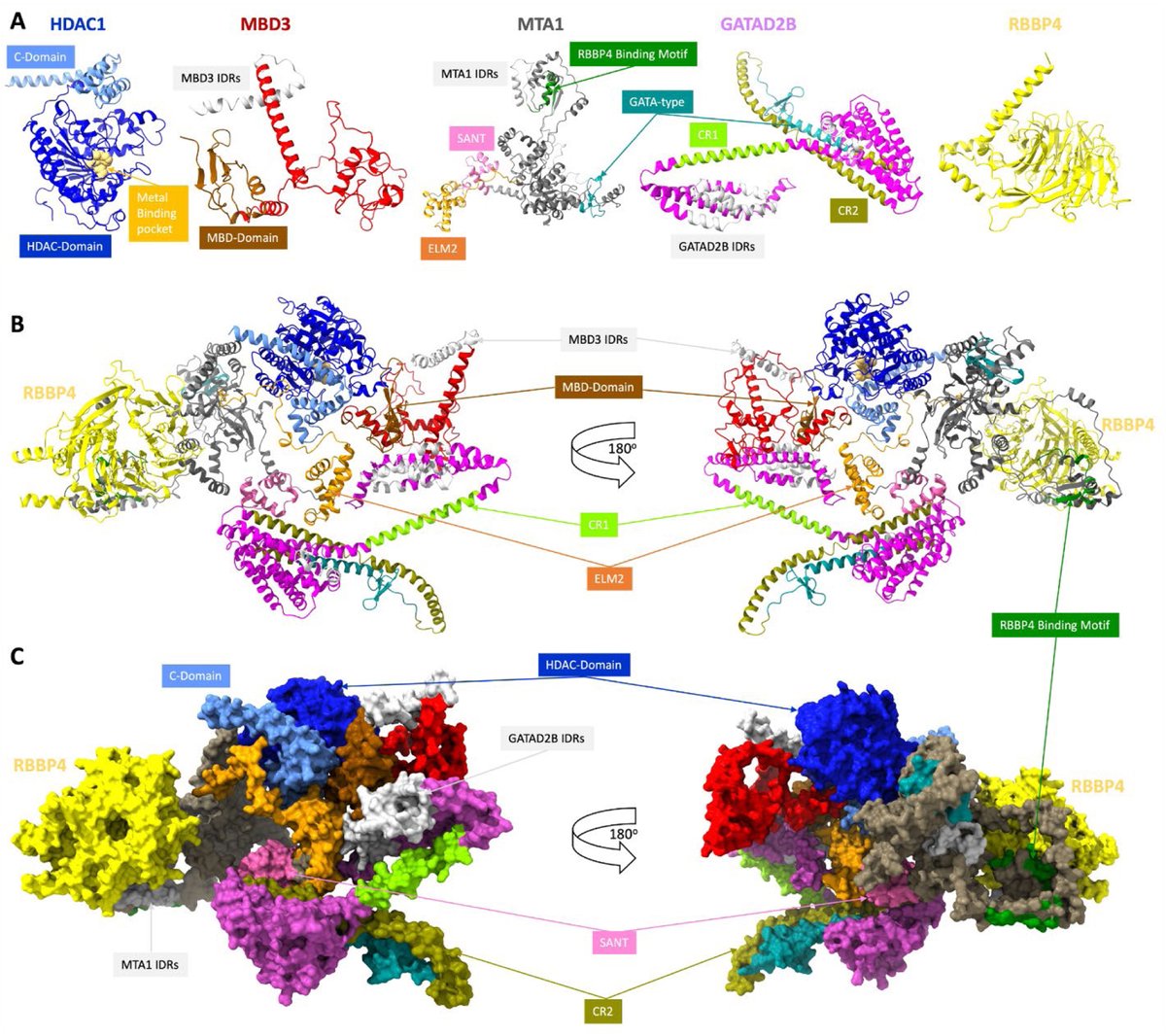
In MCP press| Multicomplex Integrative Structural Modeling of a Human Histone Deacetylase Interactome.
Learn more:
https://t.co/H1K1qyLhup
#MolCellProt
During #PeerReviewWeek, ASBMB is proud to recognize & thank all outstanding reviewers who support ASBMB journals!
Learn about JBC, MCP & JLR reviewers whose exceptional dedication is reflected in the quality, timeliness and consistency of their reviews: https://t.co/hAsRhkIU0q.
New in MCP press| A temporal phospho-acetylome atlas of human myogenesis identifies coordinated post-translational regulation.
Learn more:
https://t.co/heGiq4co2q
#MolCellProt
New in MCP press| Proteome-wide ubiquitinome profiling reveals substrate-specific dynamics within the USP7 network.
Learn more:
https://t.co/jfWV450Uay
#MolCellProt
Our latest study @molcellprot uncovers a hidden crosslinking chemistry of lipid peroxidation! We show that an endogenous aldehyde crosslinks vicinal cysteine–lysine pairs in cellular proteins via Michael addition and Paal-Knorr condensation. #LipidPeroxidation#Crosslinking
🧠 Via @MolCellProt:
Researchers at @WinshipAtEmory have developed a new proximity-labeling method to identify the proteins that interact with tau during aggregation, uncovering hundreds of tau-associated proteins linked to neurodegenerative disease.
https://t.co/5zfi1jGd4Z
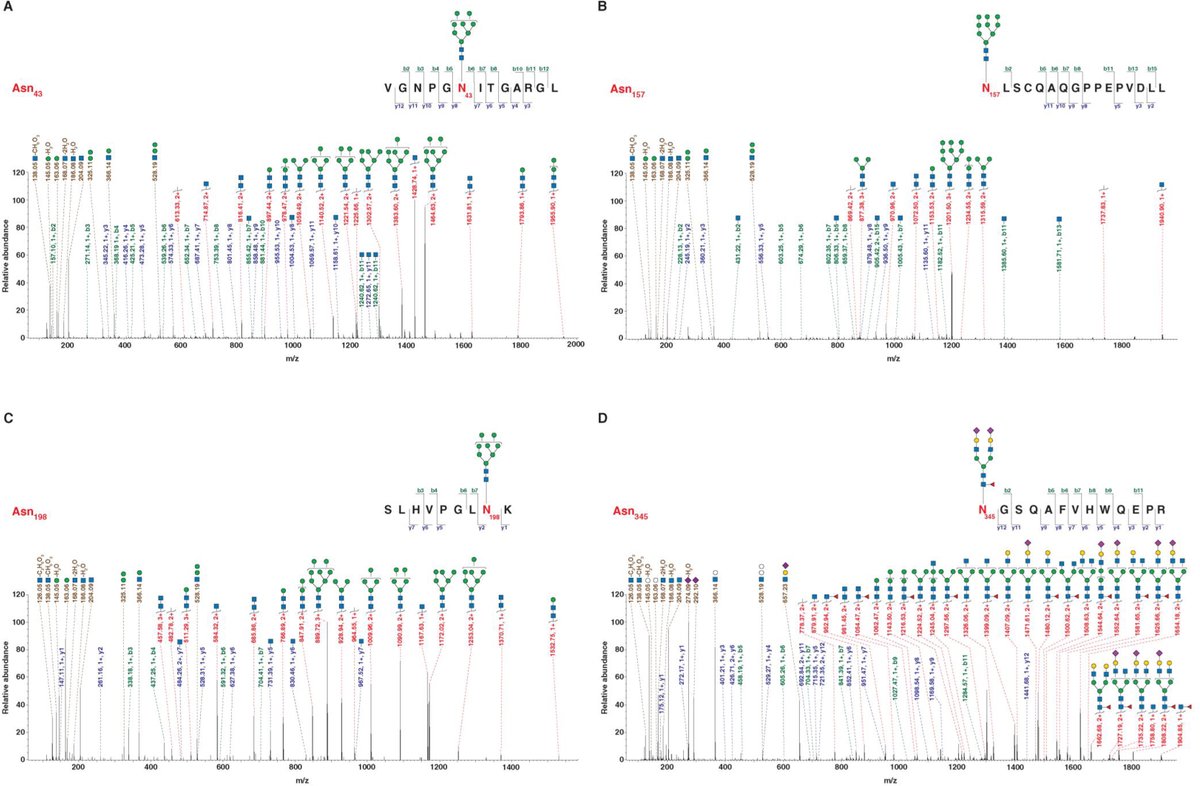
New in MCP press| N-glycosylation of AXL receptor tyrosine kinase regulates its stability, phosphorylation and oncogenic function.
Learn more:
https://t.co/TAwBiBYYyU
#asbmbMCP
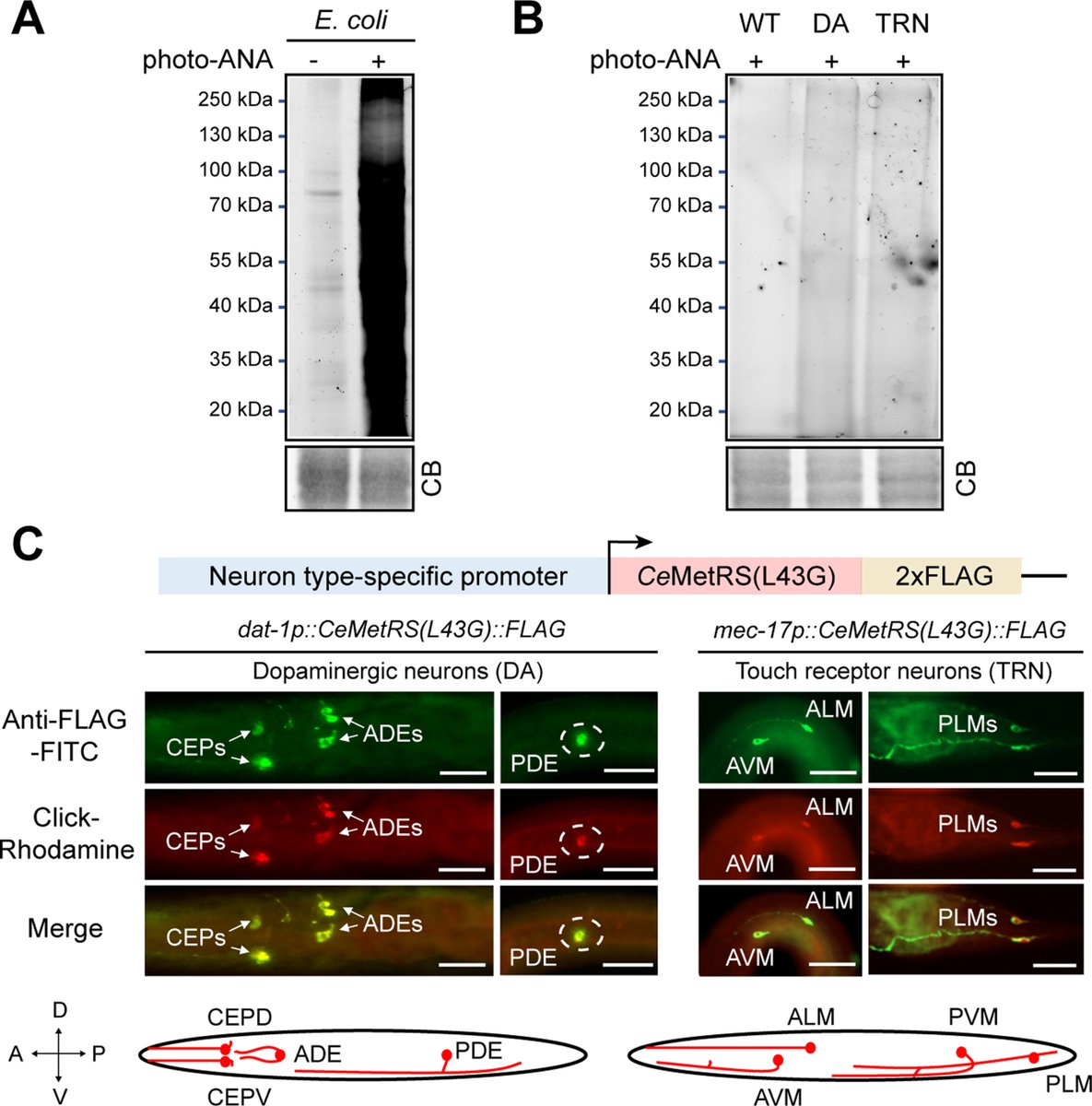
Recent studies in @molcellprot “Integrating MACSPI and SILAC for Neuron Type-Specific Proteomics in Caenorhabditis elegans” by Ran et al. https://t.co/W2bz33vgKp @ASBMB
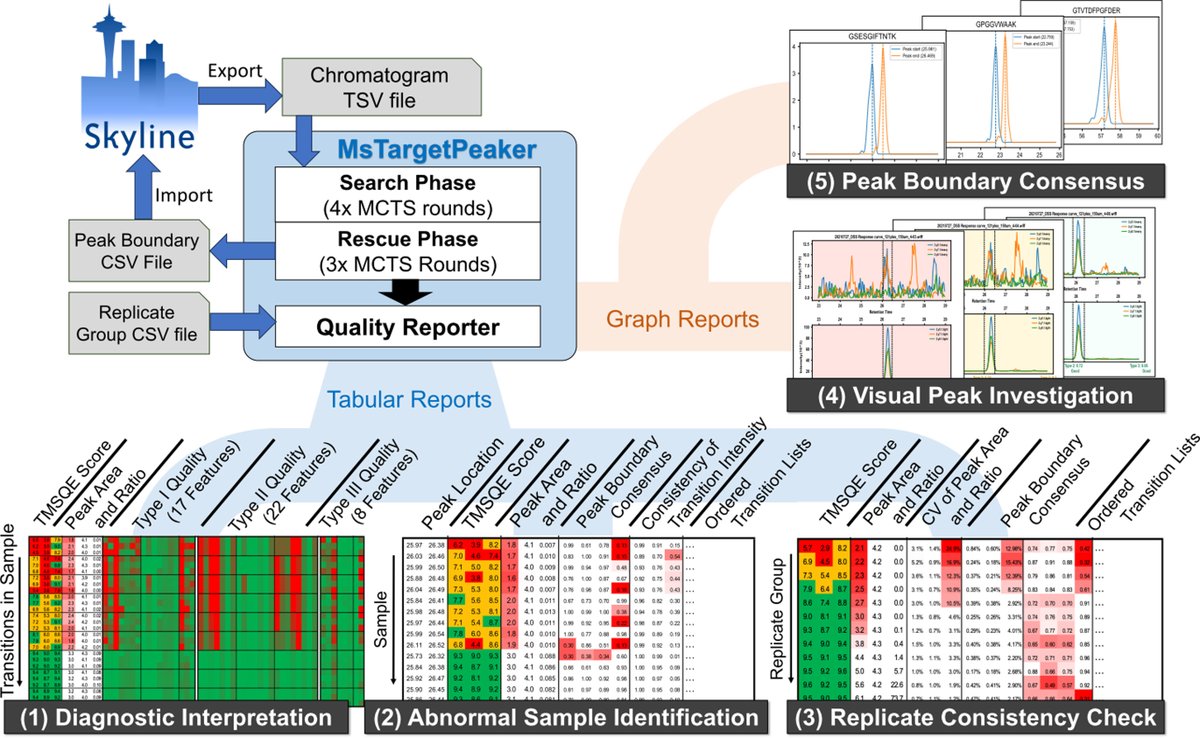
New in MCP Press| Scientists present MsTargetPeaker, a quality-aware search procedure for identifying peak regions in targeted proteomics data.
Learn more:
https://t.co/23yav4eWkz
#asbmbMCP