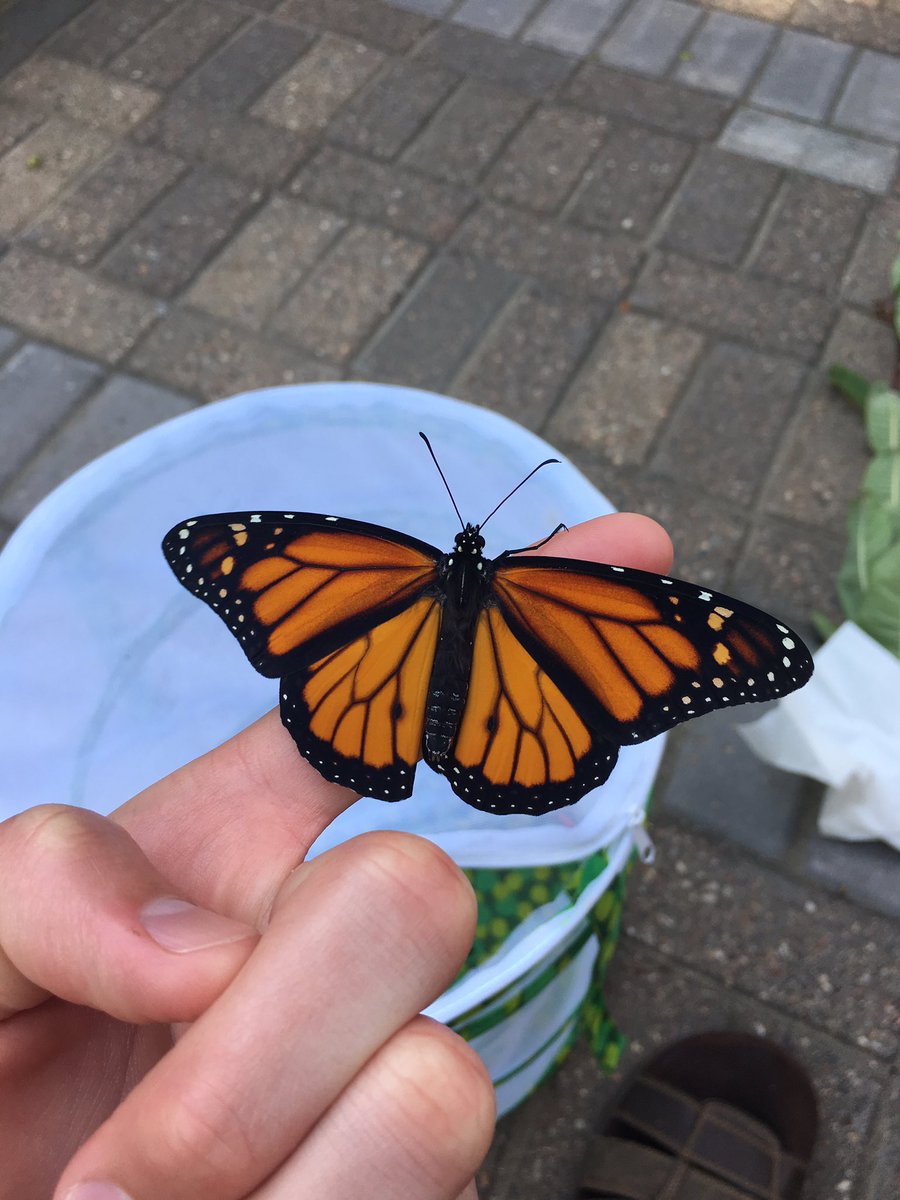
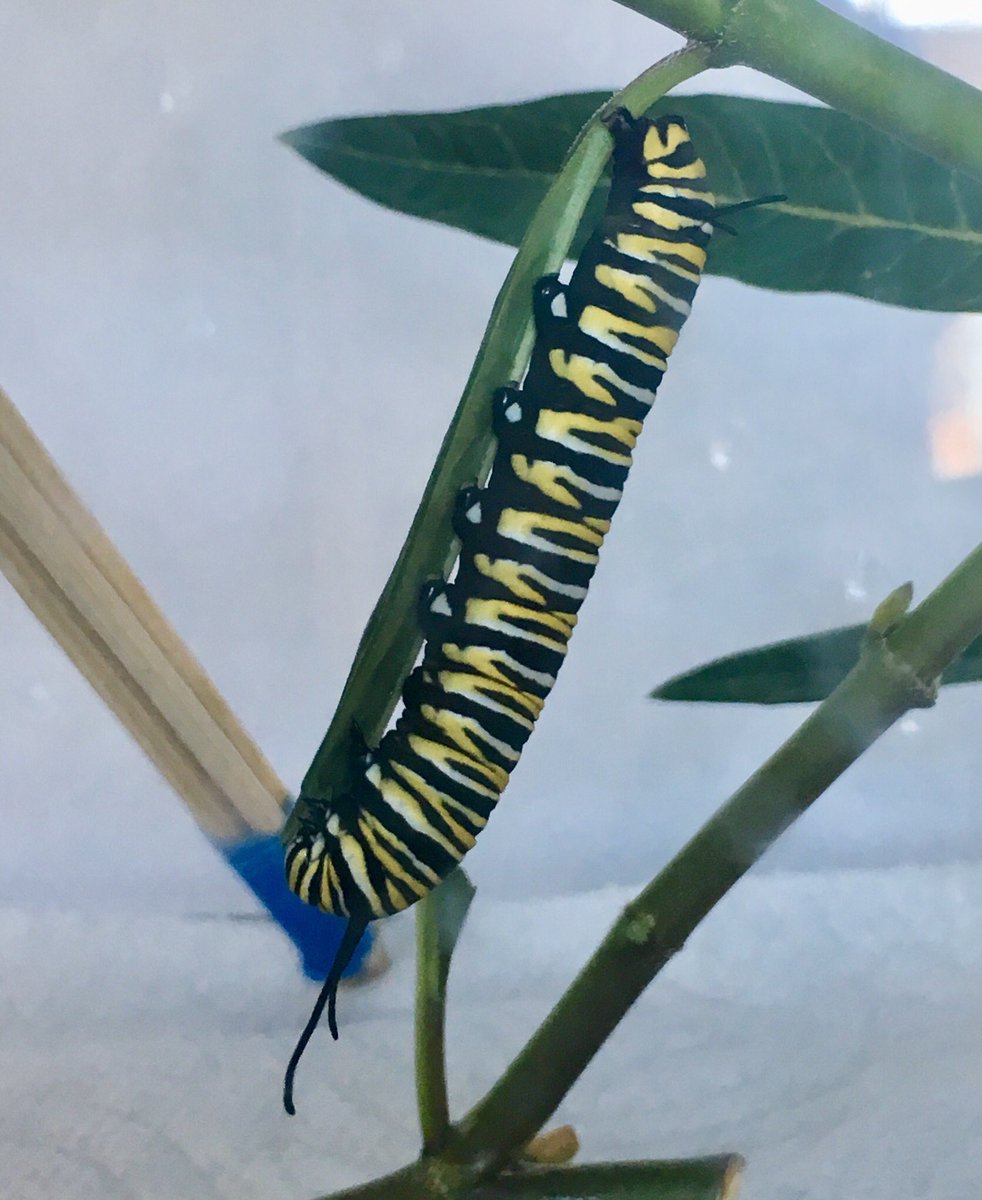
@JenMGardens @CollinaMonarca@monarchfrey@TerriResists @growmilkweed @jnp_mn In Wisconsin, just over a week ago there were none. Now I have over 150 little caterpillars. It was amazing how fast it happened!
Monarch Fact of the Day
🧡🖤🧡🖤🧡🖤🧡🖤🧡🖤🧡
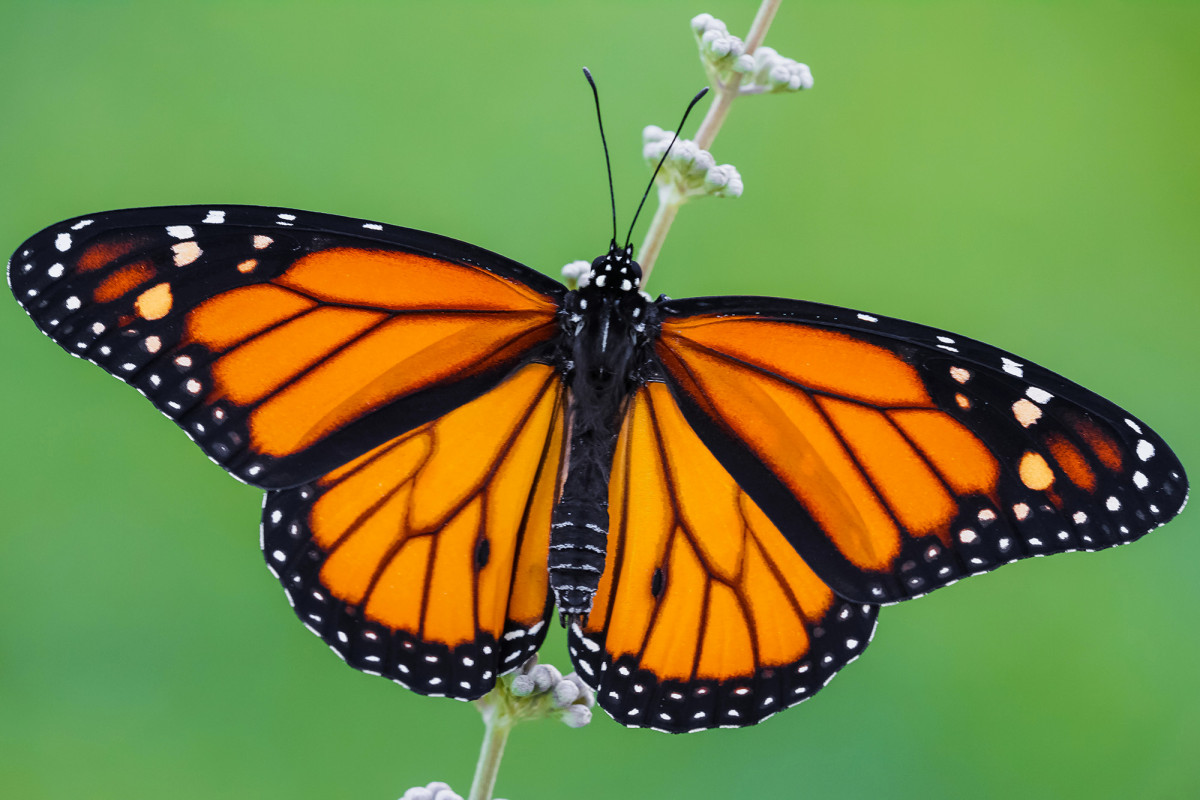
Monarch butterflies feed primarily on milkweed, an itself toxic plant. Monarchs have not only evolved to tolerate it but also, store the toxins in them, making them poisonous to predators
Monarch Fact of the Day:
🖤🧡🖤🧡🖤🧡🖤🧡🖤
Western Monarchs have declined by 99% since the 1980s. Eastern Monarch population has declined by nearly 80%. The decrease is caused by lack of essential resources to thrive. Plant some milkweed and nectar full flowers to save Monarchs!
@wendy1213 @jnp_mn @Butterfly101Fun @growmilkweed If these are first year milkweed it is perfectly normal they are just a couple inches high. Each year they continue to grow until you have giant size milkweed. I still have many that are first or second year milkweed. Waiting for them to grow is frustrating but worth it.
Monarch project update:
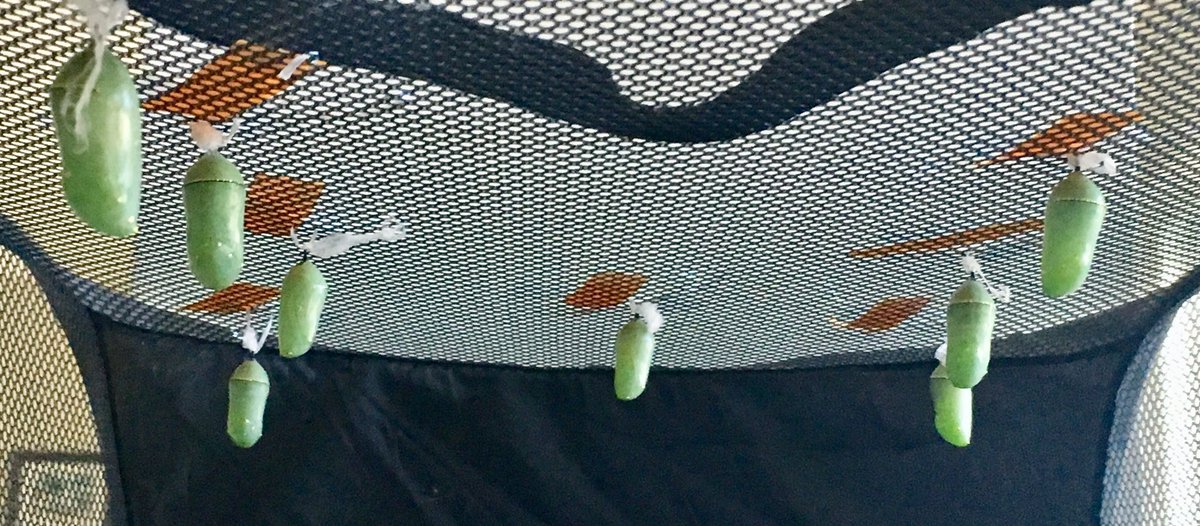
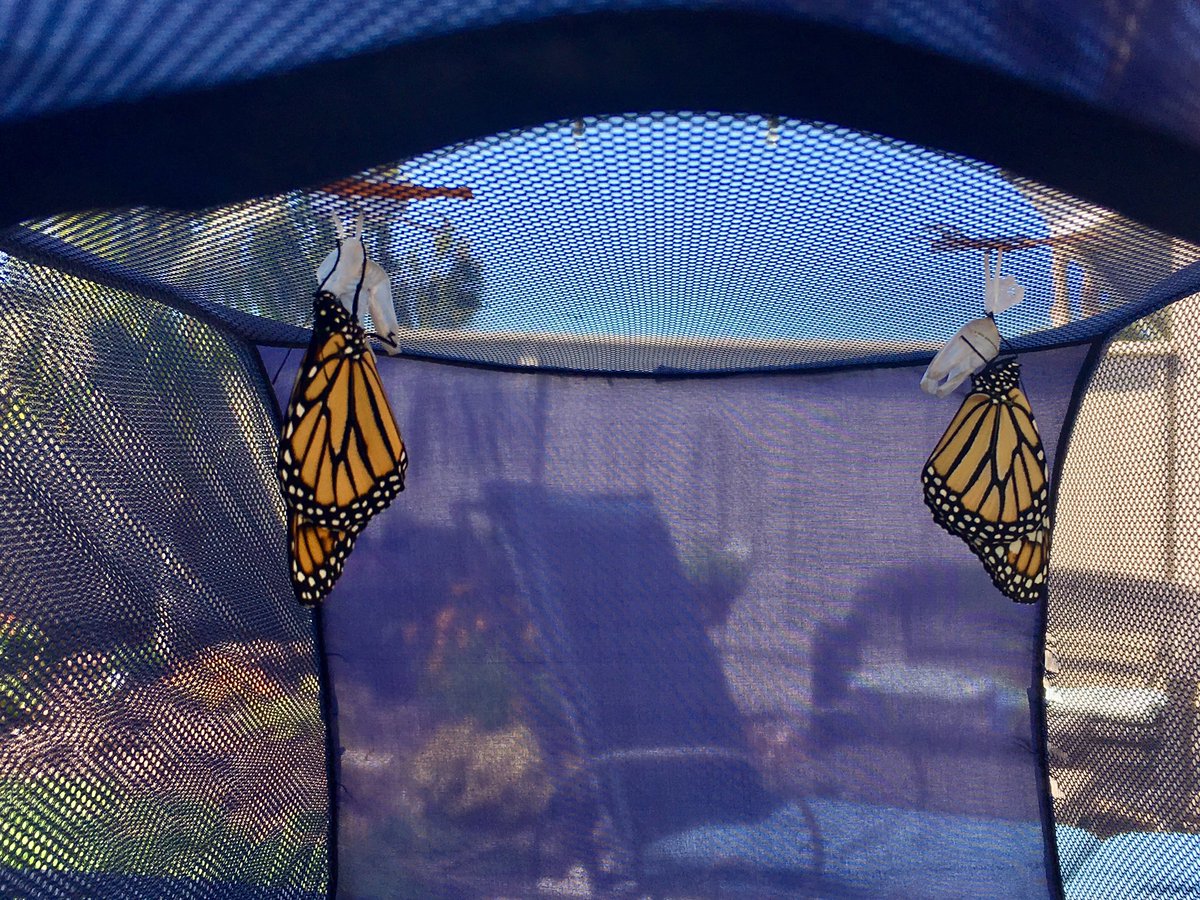
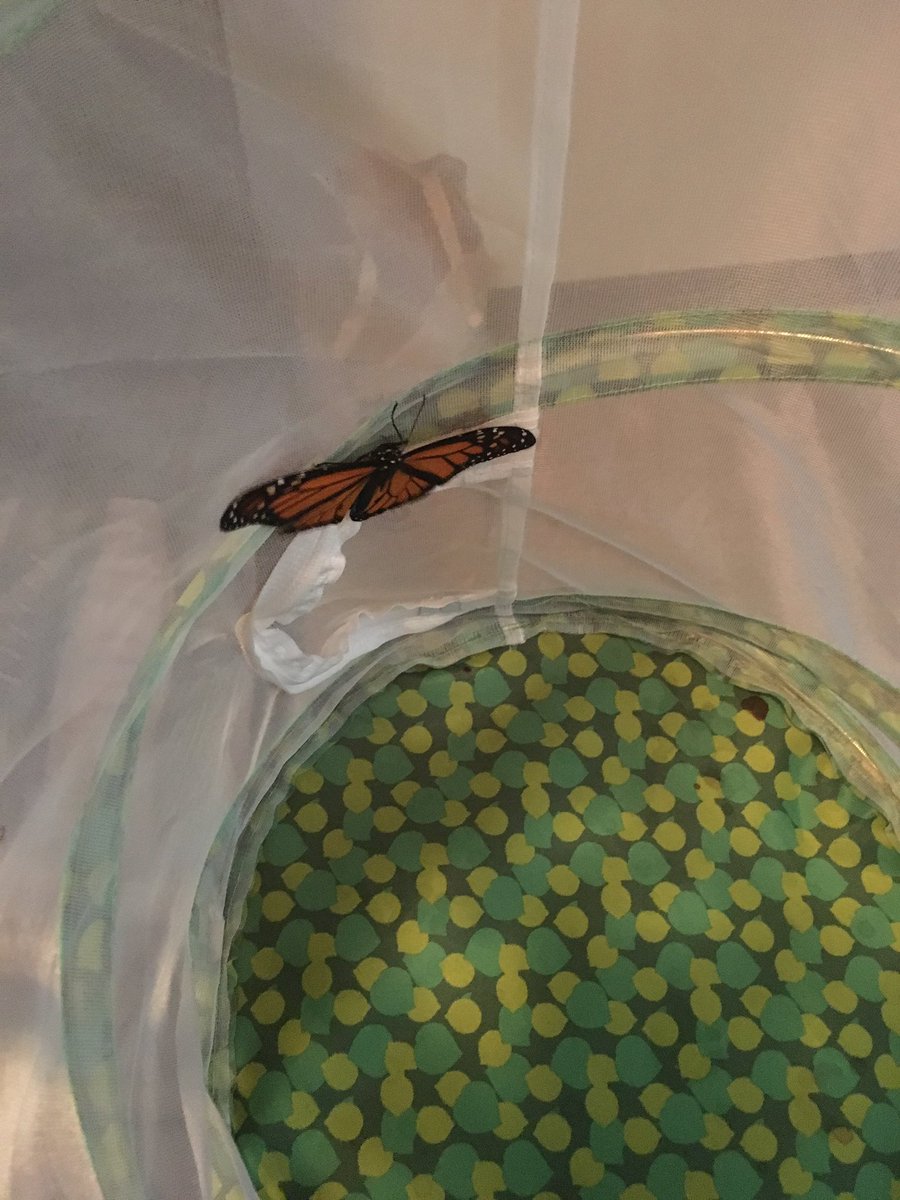
- 10 chrysalises with new one this afternoon. First was Aug. 5 -> butterfly in 10-14 days = this week!
- Six caterpillars. Largest 2.5”, smallest 1/3”. #monarchbutterfly@MonarchOfficial
Monarch Fact of the Day
🖤🧡🖤🧡🖤🧡🖤🧡🖤🧡🖤🧡
Male Monarchs discharge chemicals from the rear wing glands to attract a female Monarch to mate with.
(🦋+🦋=lots of 🥚’s)
Monarch Fact of the Day
🧡🖤🧡🖤🧡🖤🧡🖤🧡🖤🧡🖤
Both male and female Monarch butterflies use a tube called a proboscis to eat nectar and water. When not in use the proboscis lies coiled under the head.