Most people work hard for money without ever learning how money actually works.
This 7-video animated playlist breaks down investing, banks, wealth, business, and financial freedom in a simple, practical way.
Watch the full Money with Tommy playlist: https://t.co/s5SJeTABv9
#PersonalFinance #Investing
Lifestyle inflation is a quiet tax on every raise. Earn more, spend more, repeat—and freedom barely moves. The better upgrade is invisible: a larger emergency fund, less debt, and more money buying future options instead of today’s applause.
$25 may not feel life-changing today—but repeated long enough, small moves can quietly build real financial breathing room.
Consistency beats intensity.
Watch here 👇
https://t.co/2s158TQhCS
Gold near a 3-month high, Bitcoin around $79K, and stocks waiting on inflation and AI earnings all tell the same story: markets can change fast. A portfolio shouldn’t depend on one headline being right. Diversify the risks, not just the assets.
Gold just hit a 3-month high while Bitcoin gained nearly 23% against the dollar last week. Strong moves can create strong FOMO. The lesson: rising prices don’t reduce risk. Position size, diversification, and patience still matter.
Gold just hit a 3-month high while Bitcoin gained nearly 23% against the dollar last week.
Strong moves can create strong FOMO. The lesson: rising prices don’t reduce risk. Position size, diversification, and patience still matter.
What if financial security doesn’t start with a huge paycheck… but with just $50?
A small rule. A different system. And a surprisingly powerful way to make saving actually stick.
🎥 The $50 Rule That Could Change How You Save Forever
Watch here 👇
https://t.co/vVUmc8NQMj
The hardest financial skill is not finding the next opportunity. It is knowing when excitement is trying to replace judgment.
FOMO makes urgency feel like analysis.
Strong decisions can survive a night of sleep. Weak ones often depend on acting before doubt has time to arrive.
A lower monthly payment can feel like the smarter deal… until you look 10 years ahead.
Buying vs. leasing isn’t really about the car. It’s about what happens to your money after the payments end.
🚗 The 10-year math may surprise you.
Watch here 👇
https://t.co/Ia2SkE9wNf
A market drop does more than test a portfolio. It tests the plan behind it.
If volatility immediately creates panic, the risk may have been underestimated before prices ever fell.
Long-term thinking is not ignoring risk. It is building enough resilience to avoid letting fear make the decisions.
The gap between looking wealthy and becoming financially resilient is often built in ordinary months.
Income gets attention.
Small repeated choices shape the outcome.
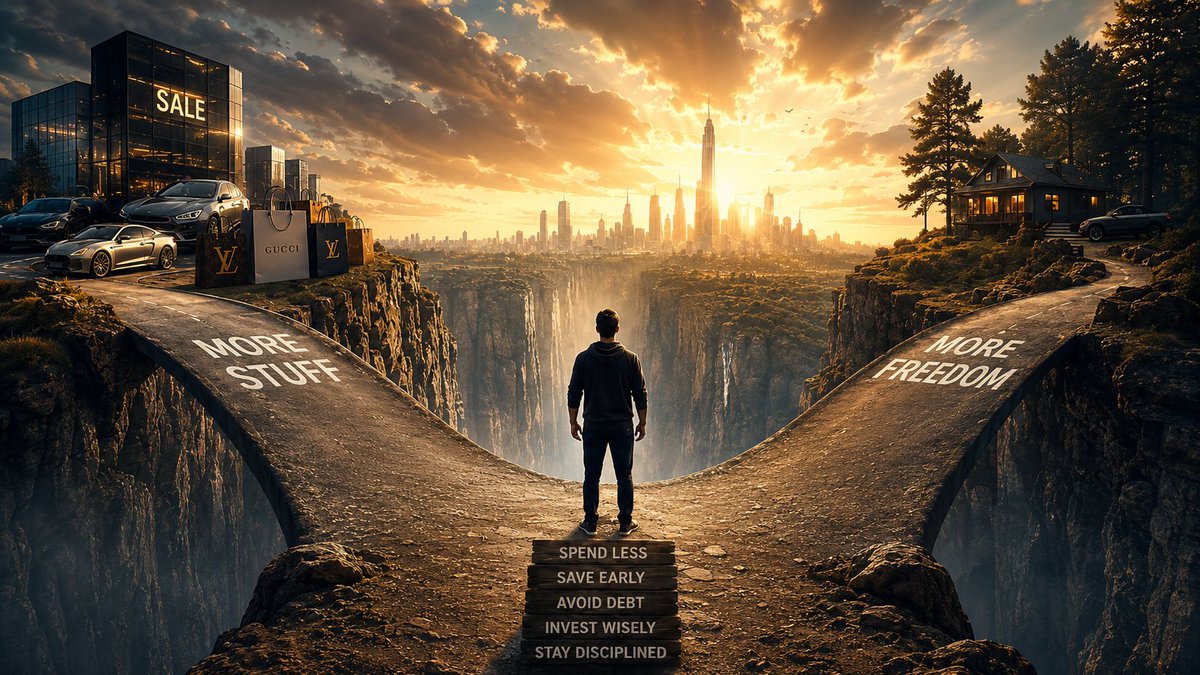
Lifestyle inflation can consume every raise, while disciplined spending quietly creates room for saving, investing, and future flexibility.
Financial freedom is rarely built on income alone.
It is built on what happens to income after it is earned: how much is kept, how carefully debt is used, and how consistently capital is allowed to grow.
Income creates potential. Habits decide what that potential becomes.
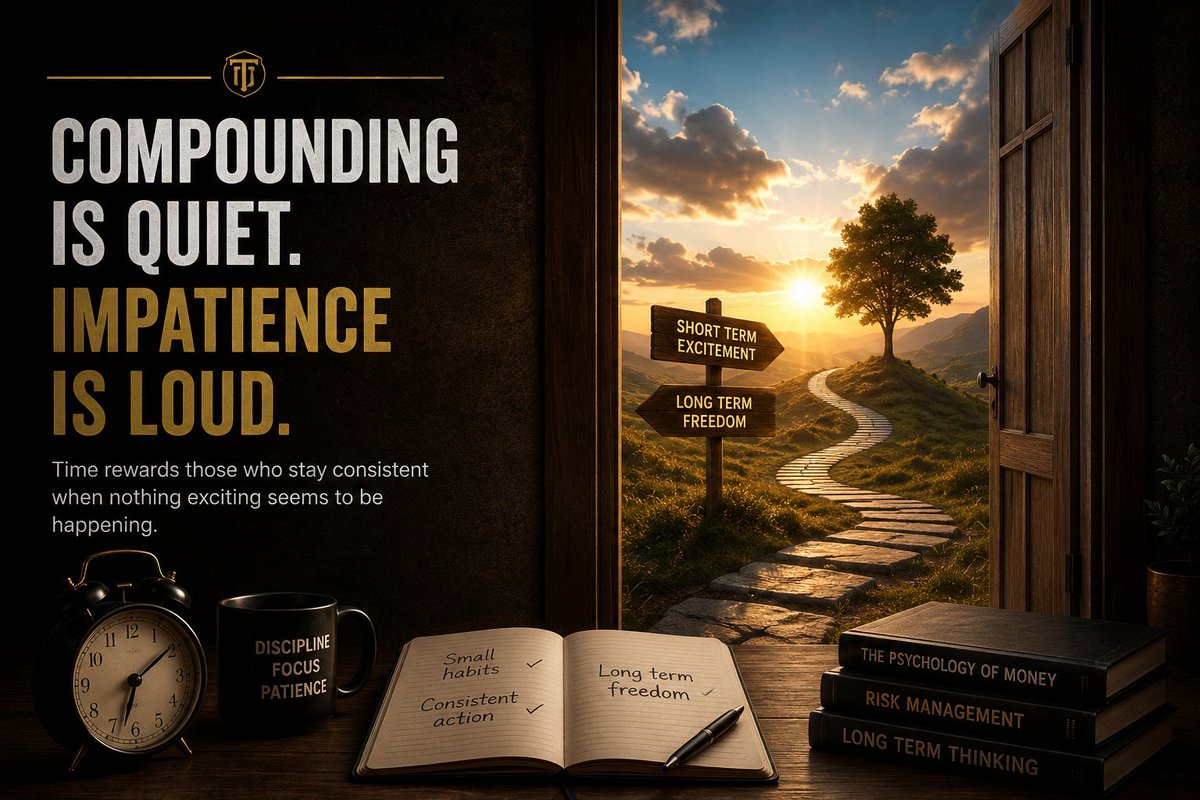
Compounding is quiet. Impatience is loud.
The strongest financial habits often feel boring: saving consistently, avoiding unnecessary debt, managing risk, and giving good decisions enough time to work.
Excitement gets attention. Consistency builds options.
A low salary can make life harder. But the habits built around every paycheck can keep you stuck for years.
Alex’s story shows how one painful moment—and a few small decisions—can completely change a financial future.
Watch here 👇
https://t.co/XZ2OUGD0gH
A rising market makes risk feel smaller than it is.
When prices keep climbing, patience can quietly turn into FOMO, and confidence into overexposure.
Good risk management is not about predicting the next move. It is about staying financially resilient when the market moves differently than expected.
Money habits rarely feel important in the moment.
One unnecessary purchase seems small. One month without saving seems harmless. One extra debt payment feels manageable.
But financial outcomes are often built by decisions too small to notice—and repeated too often to ignore.
The most expensive purchases are not always the ones with the highest price tags.
Sometimes the real cost is the future flexibility exchanged for short-term comfort.
Every recurring expense quietly competes with saving, investing, and the freedom to choose later.
A budget is not about saying “no” to everything.
It is about deciding what deserves a “yes” before the money disappears.
Financial discipline becomes easier when spending reflects priorities instead of impulses.
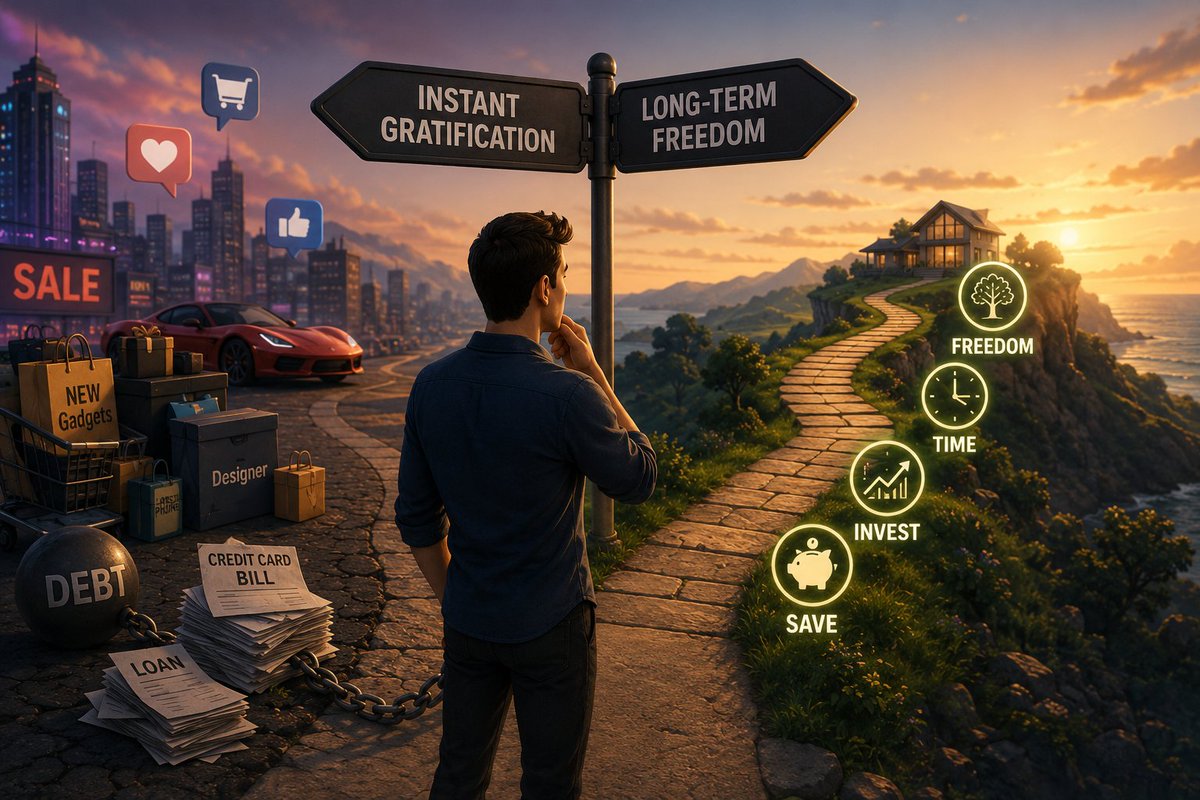
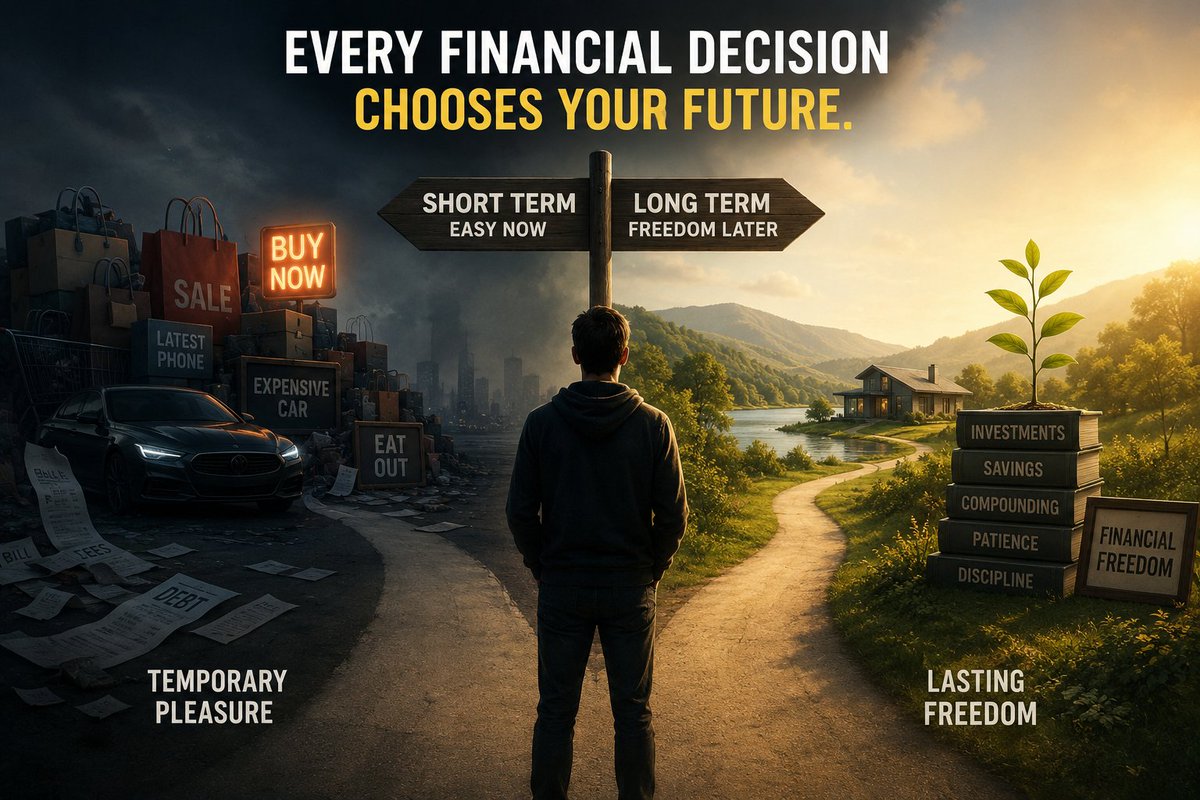
Every financial decision is a vote for a future lifestyle.
Impulse spending votes for comfort today.
Debt votes with tomorrow’s income.
Saving and disciplined investing vote for options later.
Financial freedom is rarely one big decision. It is thousands of small votes in the same direction.
Imagine having $480 million…
No supercar.
No private jet.
No designer clothes.
And almost nobody around you knows you’re rich.
That’s not hiding wealth.
That’s understanding what wealth is actually for.
The Power of Stealth Wealth.
Watch here 👇
https://t.co/7YcgNZu6k9
A higher income can improve a financial life—or simply make an expensive lifestyle easier to maintain.
The difference is what happens after the raise.
When every increase in income becomes an increase in spending, progress can look impressive while financial freedom stays exactly where it was.