Under schemes such as the Plan Mattei promoted by the far-right Italian government, thousands of hectares in the deserts of North Africa are being allocated to big farms. Food security problems, exacerbated by the climate crisis, will only get worse. https://t.co/9t6WQDWfyp
Legal opinion: New GMOs deregulation proposal shifts safety testing, liability to EU food industry. “Unbelievable but true: If a #GMO in food causes harm, the food sector would be held liable” even though with deregulation firms may not even know it is GMO https://t.co/iOUJoMU9rg
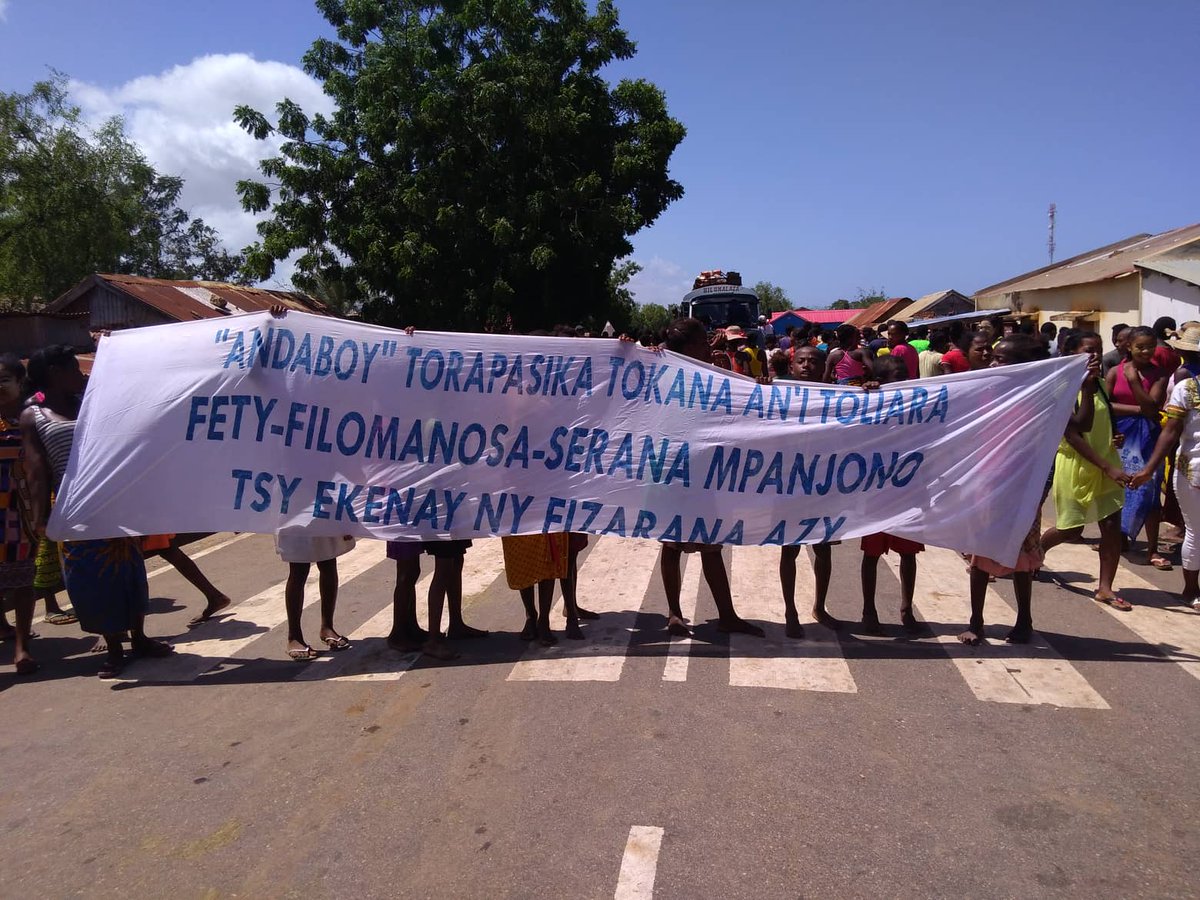
L'Etat a autorisé la reprise du projet minier BaseToliara. Prudence et vigilance face au protocole d’accord Etat malgache - Energy Fuels ! https://t.co/XtoB4N2Ncs
From Dec 8-18, an international delegation of farmers from La Via Campesina visited #Palestine in response to a call from @UAWC1986 (Union of Agricultural Workers' Committees). Here's an account of that journey and our international solidarity. 🌍✊
https://t.co/v06xuPTyvr
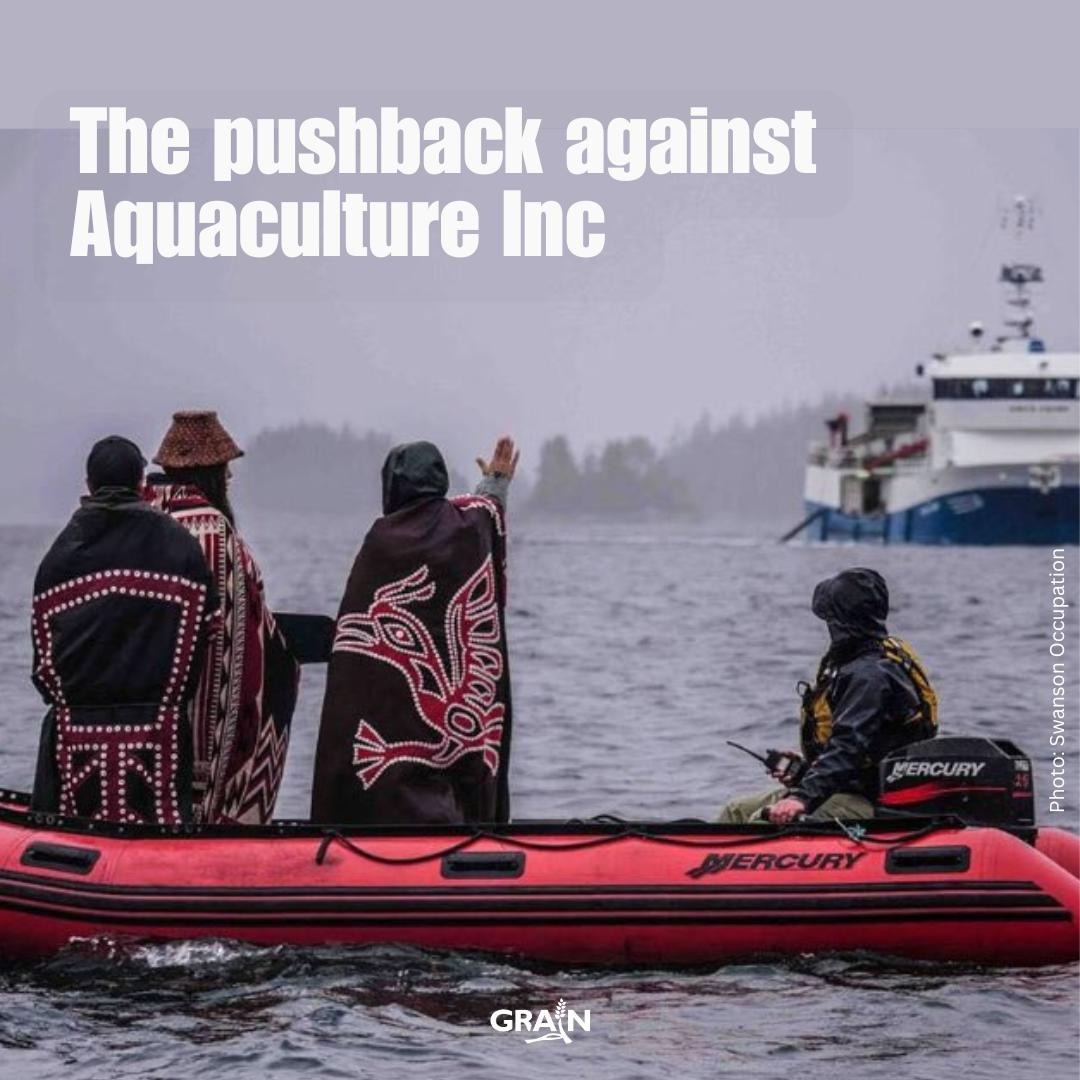
En todo el planeta, comunidades que dependen de la #pesca se enfrentan a las transnacionales camaroneras y pesqueras. La #acuicultura industrial es un negocio de 3 mil mill. de dólares en manos de poderosos actores #PescaArtesanal#SoberaníaAlimentaria https://t.co/ZyODp2M1pB
La población local sufre amenazas y violencia por oponerse a la operación del megapuerto. Pescadores artesanales son los principales afectados. La pesca ha disminuido de 30 Kg al día a solo 5Kg desde que el puerto se empezó a construir. https://t.co/GnkbrYb5Xi @lucianaghiotto
Desde su inauguración el megapuerto de #Chancay en #Perú sirve principalmente para exportar palma de aceite y otros productos de la agroindustria de América Latina a China https://t.co/MVH55kgw7n @WorldRainforest@GFC_forests
El puerto de Chancay es un megaproyecto construido en #Perú con una superficie de mil hectáreas. Se vincula con otros proyectos del IIRSA. Su construcción generó graves impactos socioambientales. Pero además será un empuje para el agronegocio. Hilo: https://t.co/SM2qxjqSpT
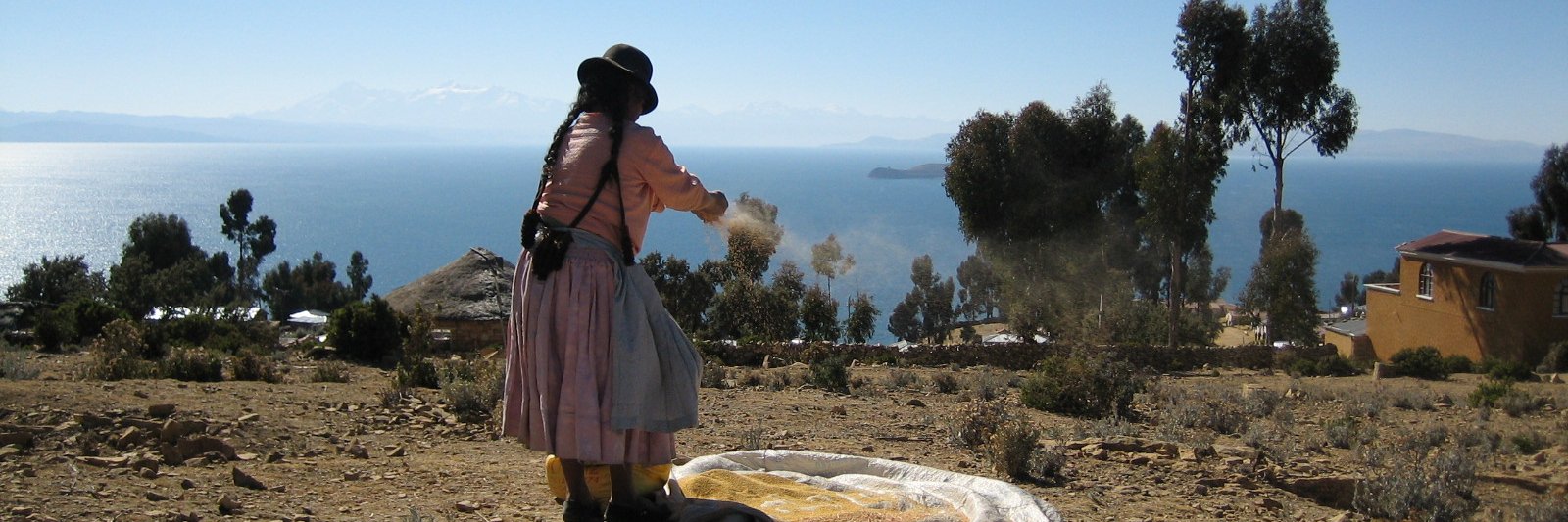
The “Mouila Declaration” of the Informal Alliance against the expansion of industrial #monocultures is a key message of resistance, solidarity and unity from communities and CSOs fighting #landgrabbing [Eng, Fr, Esp] 👇🏾
https://t.co/4dlHiBjr6n
🚫 GRAIN is leaving X for Bluesky as of January. Please join us at https://t.co/wS90DfvWOn.
🚫 GRAIN quitte X pour Bluesky à partir de janvier. Rejoignez-nous à https://t.co/wS90DfvWOn.
🚫 GRAIN deja X para Bluesky a partir de enero. Encuéntrenos en https://t.co/wS90DfvWOn.
🚨URGENT
✍🏾Sign in solidarity with Vincent Djiropo, a community leader detained in San Pedro, Bas-Sassandra region, Ivory Coast, for defending the forests where the community lives.
Sign ➡️https://t.co/Bfqw4wmtOn
In #Lebanon, a network of cooperatives and solidarity structures supporting agroecological food production and socialised marketing systems is mushrooming.
https://t.co/YZ35ulIttl @SiyadaAfrique@via_campesina@UAWC1986
L'expansion rapide de l'aquaculture industrielle, un secteur qui vaut 300 milliards de $, a un coût énorme pour les communautés locales. Regardons de près : https://t.co/h9RxArmdbB
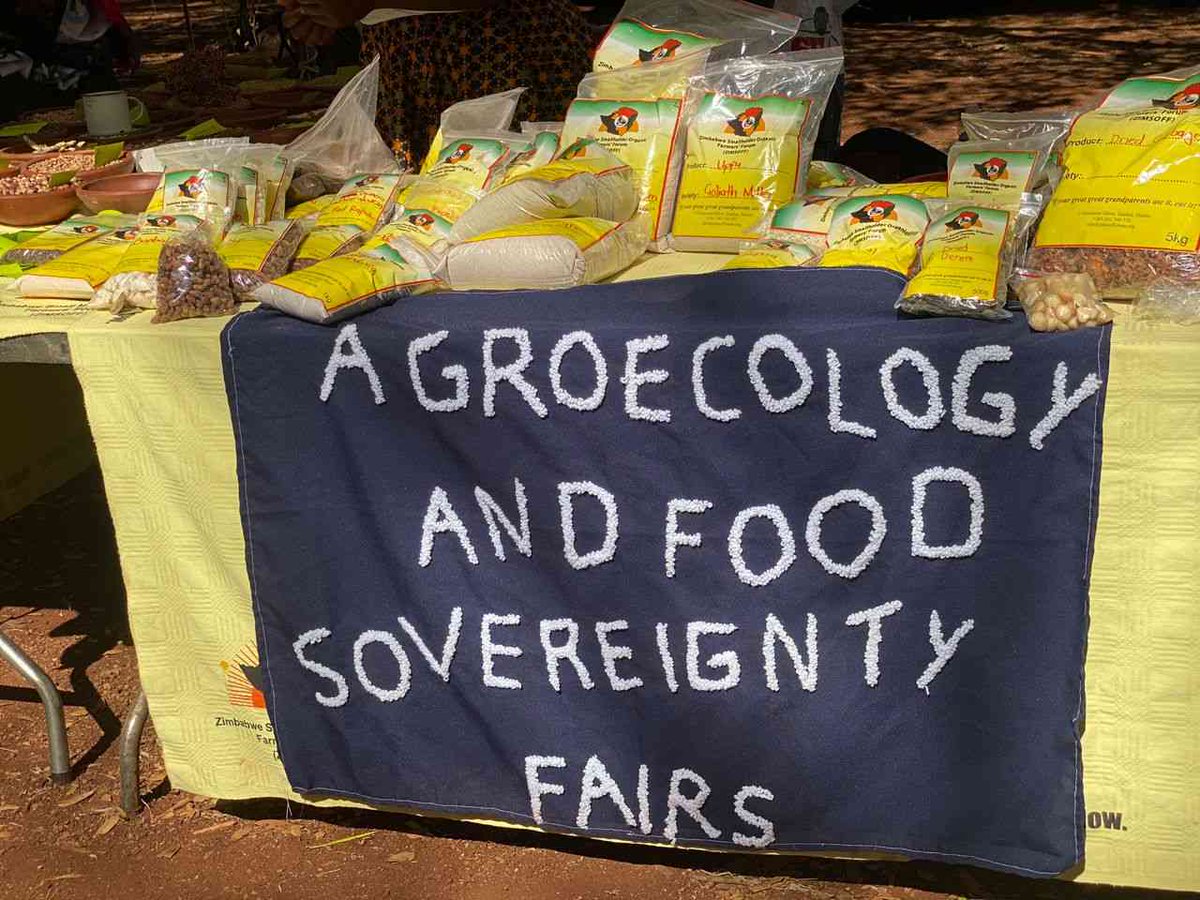
#Agroecology & #FoodSovereignty
1/ The global food system is broken—dominated by industrial agriculture, it harms the planet, exploits farmers, and fails to provide healthy food for everyone. Agroecology and food sovereignty offer a way forward. Let’s dive in👇
#AfDB’s special agro-industrial processing zones attract huge amounts of money for large-scale projects, giving #agribusiness access to fertile land, irrigation and cheap labour. In Nigeria, SAPZs will get US$2.2bn.
https://t.co/0PXcmsUZzv
Background: https://t.co/jHm5T6hKmP
#Aquaculture’s rapid growth is often touted as vital for global food security, but this $300 billion industry-dominated by a few multinationals-relies on government backing to expand into new territories, often at great cost to local communities. Read further: https://t.co/sSPEiXMZXE
@TNInstitute @KiaraIndonesia
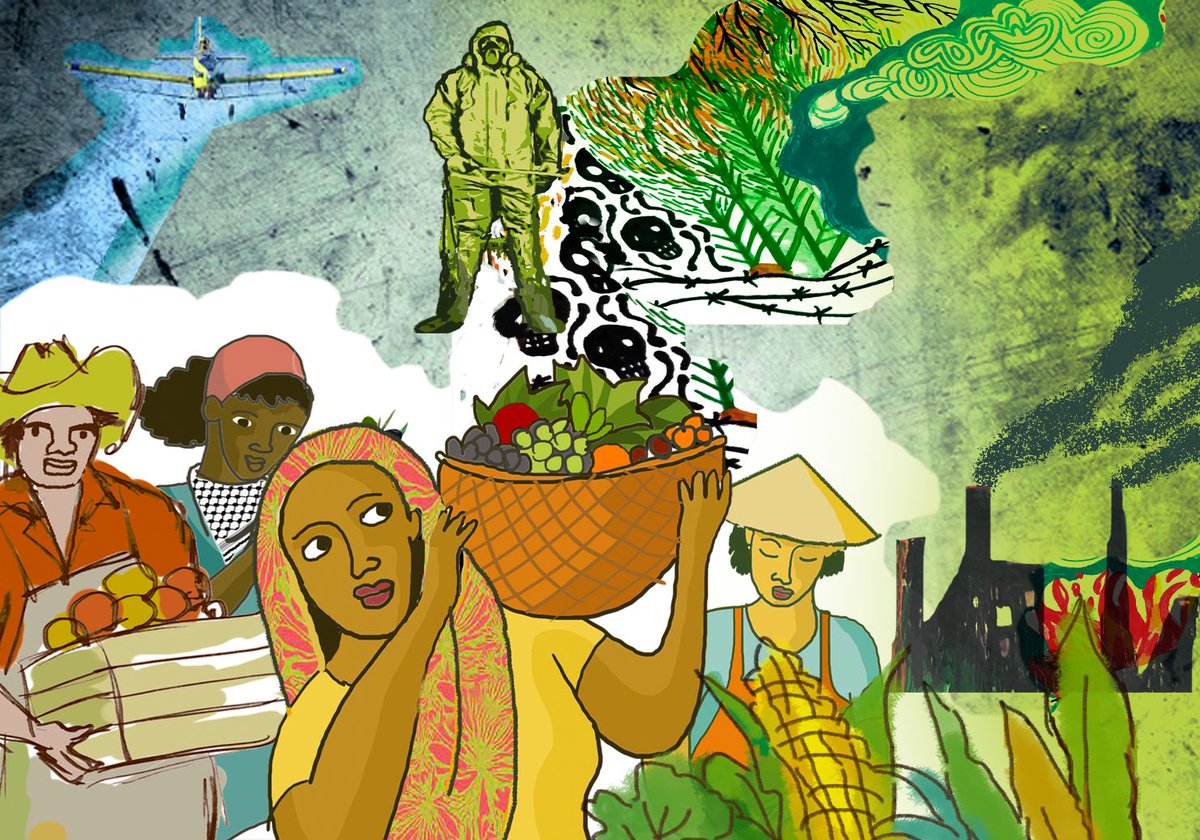
Continua la campaña contra los #agrotóxicos de @via_campesina. En los últimos años, el uso en el mundo fue de 3,54 millones de toneladas, el doble respecto a 1990 https://t.co/FK68TAhtqS @Semillas2@FIAN_Ecuador










![GRAIN_org's tweet photo. The “Mouila Declaration” of the Informal Alliance against the expansion of industrial #monocultures is a key message of resistance, solidarity and unity from communities and CSOs fighting #landgrabbing [Eng, Fr, Esp] 👇🏾
https://t.co/4dlHiBjr6n https://t.co/e80RvCxj7S](https://pbs.twimg.com/media/GfPra-RWkAAN1LV.jpg)