If you’re reading this, it means I have died. But do not cry for me. I have lived my life on my own terms, the way I have wanted to. I joined X because I needed an outlet, what I got was so much more. You made me feel validated in my feelings and much less alone. Thank you ❤️
Unfollow and block all of the influencers who were shilling you any of these vaporware projects to you as the next bluechip (@CryptoGodJohn, @TheCryptoKazi, @crypto_TomTom, @cryptostasher, etc)
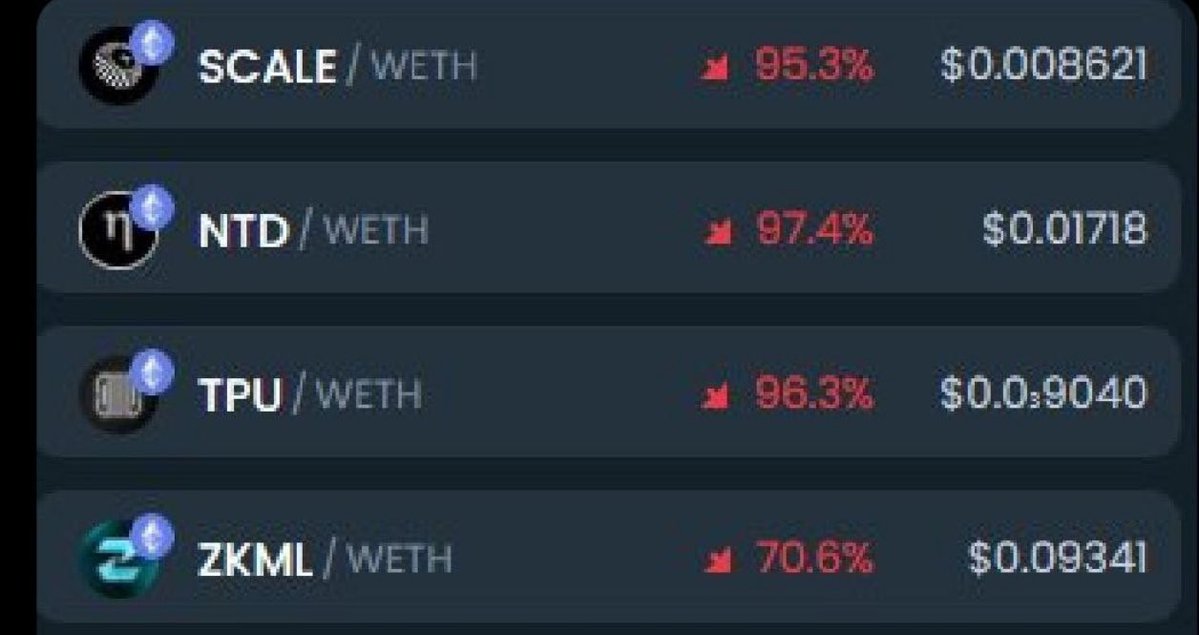
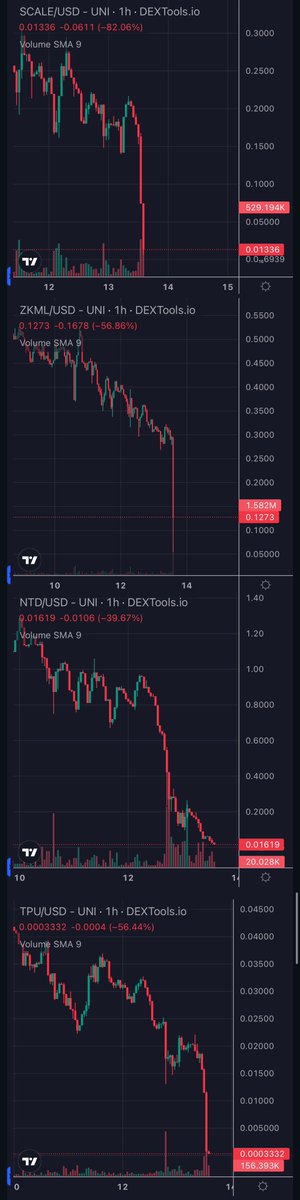
$scale - ScaliaInfra (-95.3% 24hrs)
$tpu - TensorSpace_Ai (-96.3% 24 hrs)
$ntd - NTensorDynamics (-97.4% 24hrs)
$zkml - ZKMLsystems (-70.6% 24hrs)
The same influencers will continue shilling garbage to you throughout the cycle.
📢 Introducing the biggest @PropbaseApp Zealy campaign with even BIG rewards 🤩🥳
Join one of the best #RWA communities in crypto and help spread further awareness around $PROPS and Propbase 👍👍👍
👉🏻 https://t.co/GXhPc4wLoo
The top 100 participants will be highly rewarded
$1000 worth of $PROPS! 💵💰
Note: Zealy points have been reset for this sprint! If you are new then now is your chance!!! Don't miss out
#PROPS #RWA #Zealy #Zealysprint
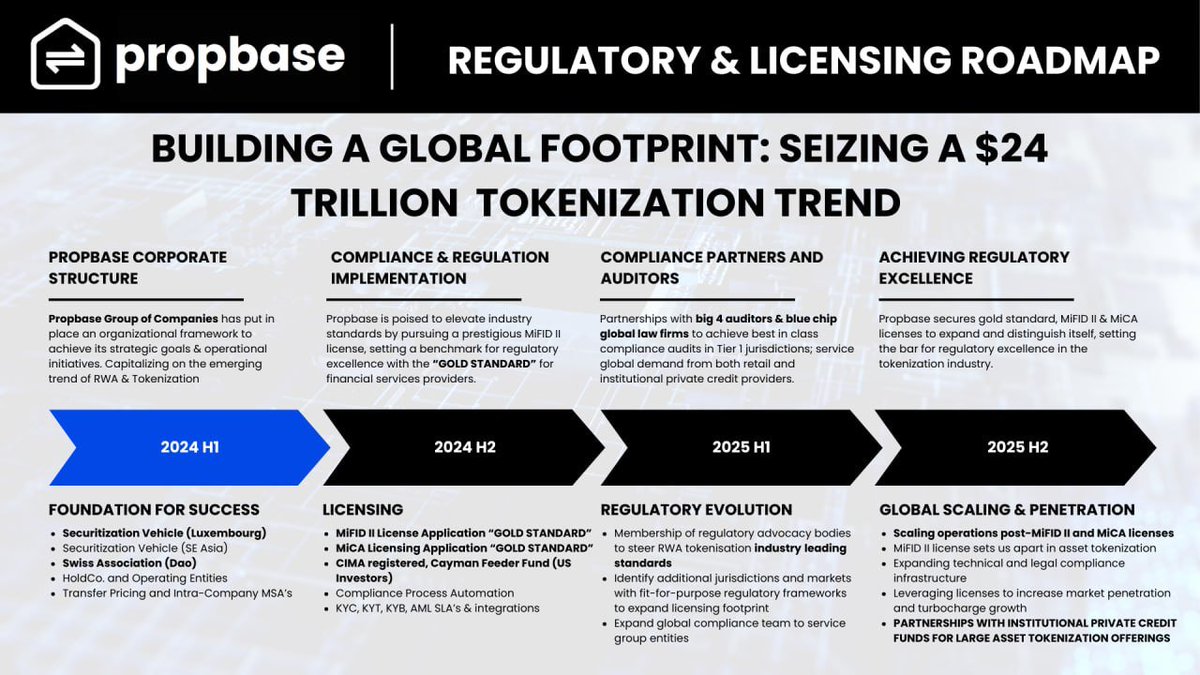
MEGA ANNOUNCEMENT 3
MiFID 2 license.
Here are a few articles about it and feel free to research yourself:
Dow Jones - https://t.co/1tHAfiARCK
Investopia - https://t.co/2fnUiHeBrW
Corporate Finance Institute - https://t.co/zhm2kfJMP7
Bottom line up front
MiFID II is one of the most important pieces of legislation enacted in finance and investing this century. Rolled out in 2018 by the European Union (EU) to regulate financial markets while increasing protections for investors, its aim was to standardize financial practices across the EU and restore confidence in the industry, especially after the 2008 financial crisis.
MiFID II marked a major change in how investors in the EU buy, sell, and trade financial securities. Key policies of MiFID II include increased transparency in transactions and costs, diminishing OTC and dark pool trading, and ending legalized conflicts of interest that potentially put clients in the hands of investment managers using them for commissions with third parties. MiFID II also advanced into the newest areas of finance, supplying greater scrutiny for the algorithms behind HFT and bringing them in line with its requirements for transparency and fairness
MiFID II is a financial industry reform legislation enacted in the European Union (EU) in 2018.
1. It aims to regulate financial markets, restore investor confidence, and standardize financial practices across the EU.
2. MiFID II applies to virtually every asset and profession within the EU financial services industry.
3. The goal is to increase transparency, reduce the use of dark pools and OTC trading, and improve record keeping for transactions.
4. The original MiFID, introduced in 2007, was criticized for focusing too narrowly on stocks and not addressing dealings with firms and investment products outside the EU.
5. MiFID II extends the previous requirements to more financial instruments, including equities, commodities, debt instruments, futures and options, exchange-traded funds, and currencies.
6. The legislation regulates trading by moving it onto regulated trading platforms, separating the charges for research and transactions, and imposing reporting requirements.
7. Investment firms must take all necessary steps to obtain the best possible results for their clients and act in their best interest, including transparency on commissions and fees.
8. MiFID II places greater scrutiny on algorithmic trading and high-frequency trading to improve transparency, prevent manipulation, and ensure fair trading practices.
9. A review of MiFID II's effects on the EU's financial markets began in 2020, with changes to be put to a parliamentary vote, including consolidated data feeds across the bloc, a ban on payments for order flow, and emergency measures for regulated markets.
$PROPS #PROPS #PROPBASE #RWA #APTOS #MIFID2